How to Become a Good Student: Practical Steps for Academic Success
To become a good student, focus on developing consistent study habits, staying organized, actively participating in class, managing your time wisely, and seeking help when needed. These core behaviors create a strong foundation for academic success and personal growth.
Being a good student isn’t just about intelligence; it involves discipline, motivation, and knowing how to approach your learning effectively. By adopting productive routines and a positive mindset, students can improve retention and perform better in exams and assignments.
This article outlines practical steps on how to become a good student, including tips for organization, study techniques, time management, and maintaining wellness to support sustained academic achievement.
Cultivating Effective Study Habits for Academic Growth

Active Learning Techniques
Active learning involves engaging deeply with the material through summarizing, questioning, and teaching others. Instead of passively reading, good students take notes, highlight key points, and apply concepts in practice problems or discussions.
Methods like the Feynman technique, where you explain a concept in your own words, can enhance comprehension and retention over rereading or memorization alone.
- Summarize notes after class
- Create flashcards for key terms
- Teach concepts to study partners
Time Management for Focused Study
Allocating specific time blocks for study, free of distractions, helps maintain focus. Using tools like calendars or planners ensures that study sessions cover all subjects adequately and reduce last-minute cramming.
Prioritize tasks by deadlines and difficulty, and break large projects into smaller steps to maintain progress without feeling overwhelmed.
- Use a daily planner or digital calendar
- Set timers for focused work periods
- Break large assignments into smaller tasks
Organizational Skills to Stay on Track Academically

Keeping Study Materials Systematic
Organizing notes, handouts, and resources by subject and date reduces time wasted searching for materials. Using binders, folders, or digital apps to categorize files is recommended for maintaining order.
Reviewing and revising materials regularly helps reinforce learning and keeps information fresh for exams.
- Label folders by subject and topic
- Use note-taking apps for digital archives
- Regularly declutter study space
For more on this, see our related guide: How to Get Effective Math Homework Help Fast and Easily.
Planning and Goal Setting
Setting realistic daily and weekly academic goals helps students measure progress and stay motivated. Short-term milestones tied to larger objectives create a sense of accomplishment and focused direction.
Effective planning involves balancing academic obligations with rest and extracurriculars to avoid burnout.
- Define clear, achievable goals weekly
- Review goal progress each week
- Adjust plans based on feedback or results
Building Motivation and Positive Attitudes toward Learning

Finding Personal Meaning in Education
Connecting topics with personal interests or future career goals fosters intrinsic motivation. Students who see value in their studies tend to engage more deeply and persist through challenges.
Reflecting on how subjects contribute to long-term aspirations makes study sessions more rewarding.
- Relate lessons to real-world applications
- Visualize future goals connected to learning
- Celebrate small academic victories
Overcoming Procrastination
Procrastination can undermine even the best intentions. Good students break tasks into manageable parts and start early to avoid last-minute pressure.
Establishing rewards after focused work sessions and removing distractions also help maintain momentum.
- Use the Pomodoro technique to pace work
- Eliminate phone and social media during study
- Set deadlines earlier than official due dates
Participating Actively in Class and Beyond

Engaging with Teachers and Peers
Asking questions and joining discussions clarify doubts and deepen understanding. Interaction with classmates also provides diverse perspectives that enrich learning.
Building rapport with instructors can open opportunities for mentorship and academic support.
- Prepare questions before class
- Join study groups or clubs
- Attend office hours for extra help
For more on this, see our related guide: How to Find Effective One on One Tutoring in Doral FL.
Applying Learning Outside the Classroom
Good students seek experiences that complement schoolwork, such as internships, volunteering, or research projects. These practical applications reinforce concepts and build skills valued by employers.
Extracurricular activities also promote time management and teamwork.
- Volunteer in related fields
- Join clubs that align with academic interests
- Pursue independent projects or hobbies
Maintaining Mental and Physical Well-being for Academic Success

Managing Stress and Avoiding Burnout
Balancing study pressure with relaxation techniques such as mindfulness or exercise helps sustain energy and concentration over time. Ignoring stress signals can lead to fatigue and reduced performance.
Scheduling breaks and sleep is as important as study hours.
- Practice deep breathing or meditation
- Take regular short breaks during study
- Maintain a consistent sleep schedule
For further insights into proven study techniques, consult the detailed resources on effective study strategies. effective study strategies.
Nutrition and Physical Activity for Brain Health
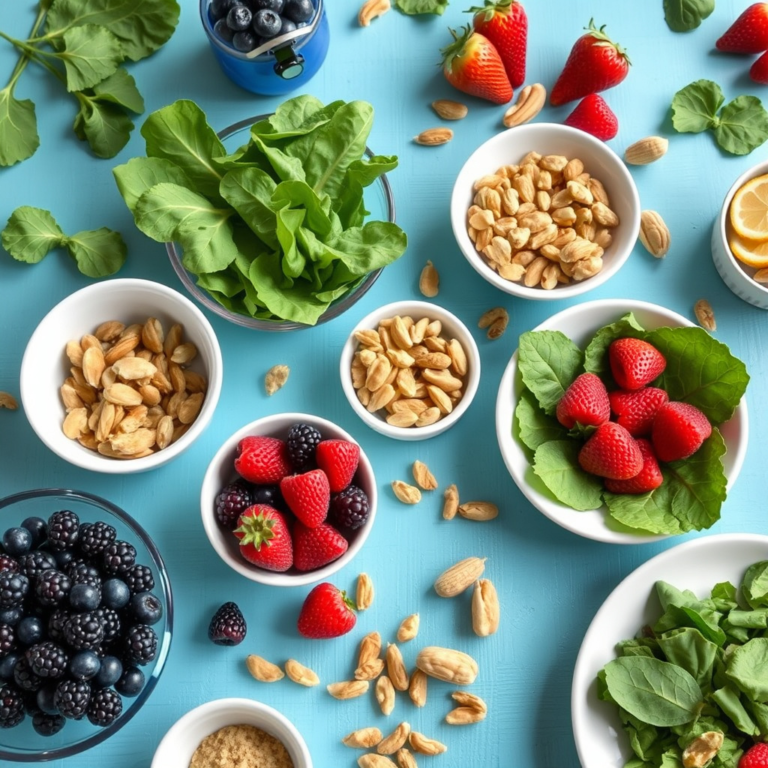
Eating balanced meals rich in nutrients supports cognitive function. Regular physical activity improves memory and reduces anxiety, making it easier to focus.
Hydration throughout the day also affects alertness and stamina.
- Eat meals with protein, fruits, and vegetables
- Incorporate daily exercise or walks
- Drink sufficient water regularly
Comparison of Study Methods for Different Learning Styles
Here’s a comparison of popular study methods tailored to various learning preferences, highlighting their strengths and best uses.
| Method | Best For | Advantages | Drawbacks |
|---|---|---|---|
| Flashcards | Visual and memorization learners | Efficient for memorizing key facts and terms | Can become repetitive without variety |
| Group Study | Social learners | Encourages discussion and multiple viewpoints | Can be distracting if not well-organized |
| Practice Tests | All learners | Simulates exam conditions and identifies weak areas | Time-consuming to create and complete |
| Summarizing Notes | Reading/writing learners | Improves information processing and recall | Requires strong writing skills |
| Teaching Others | Kinesthetic and auditory learners | Deepens understanding through explanation | Needs a willing audience or peer |
Frequently Asked Questions
How much time should I study daily to be a good student?
A good student typically studies between 1 to 3 hours daily, depending on the course load and difficulty. Consistency is more effective than long, sporadic sessions.
Can taking breaks improve study effectiveness?
Yes, taking regular breaks, such as following the Pomodoro technique, helps maintain attention and prevent burnout during study sessions.
Is it better to study alone or in groups?
Both have benefits. Studying alone suits focused review, while group study enhances understanding through discussion and shared insights.
How do good students stay motivated during tough times?
Good students set clear goals, remind themselves of their long-term benefits, and employ reward systems to stay motivated through challenges.
Does physical health really influence academic performance?
Absolutely. Good nutrition, hydration, and physical activity improve brain function, focus, and energy levels essential for learning.
Key Takeaways
- Consistent, active study habits improve retention and understanding.
- Organizational skills and time management prevent last-minute stress.
- Motivation grows by connecting learning to personal goals.
- Balance study with mental and physical wellness for best results.
Conclusion
Becoming a good student involves more than just attending classes and doing homework. It requires intentional habits like active engagement with the material, strategic organization, and effective time management. Developing these skills creates a backbone for academic progress and personal growth. Maintaining motivation and a positive attitude towards learning encourages persistence through challenges, while balancing mental and physical well-being supports sustained performance and prevents burnout.
Different approaches suit different students; some thrive using flashcards and summarizing notes, while others benefit from group study or teaching peers. Incorporating effective study habits and aligning them with personal learning styles can boost confidence and results. For example, students who struggle with procrastination might find structured time blocks and the Pomodoro technique helpful, whereas those seeking deeper understanding may benefit from teaching concepts aloud or applying real-world examples.
Ultimately, the best step toward becoming a good student is to start with small, consistent changes in how you approach your studies and self-care. Set manageable goals, stay organized, actively participate in your education, and care for your overall health. Regular self-reflection on what strategies work best can keep progress steady and enjoyable.