The Benefits of Reading Tutoring: How It Enhances Literacy Skills
Reading tutoring offers targeted support that helps individuals improve their literacy skills, including decoding, fluency, and comprehension. It provides personalized instruction to address specific reading difficulties, enabling learners to gain confidence and achieve better academic outcomes.
Many students struggle with reading for various reasons, such as learning differences or lack of practice. Reading tutoring bridges these gaps by adapting teaching methods to individual needs, motivating learners and making reading more accessible and enjoyable.
This article explores the key benefits of reading tutoring, from boosting comprehension skills to fostering a lifelong love of reading. It also covers practical aspects like how tutoring sessions are structured and what types of learners benefit the most.
Personalized Instruction Tailored to Learner Needs
Customized Reading Programs
Reading tutoring begins with assessing a learner's specific strengths and weaknesses, enabling the creation of a tailored program. These customized plans focus on phonics, vocabulary, and comprehension skills based on individual challenges.
This personalized approach ensures that students receive practice in areas requiring the most attention, eliminating a one-size-fits-all scenario and allowing more efficient progress.
- Targeted phonics instruction
- Vocabulary development activities
- Individual reading level assessment
- Adaptive pacing for each learner
One-on-One Attention
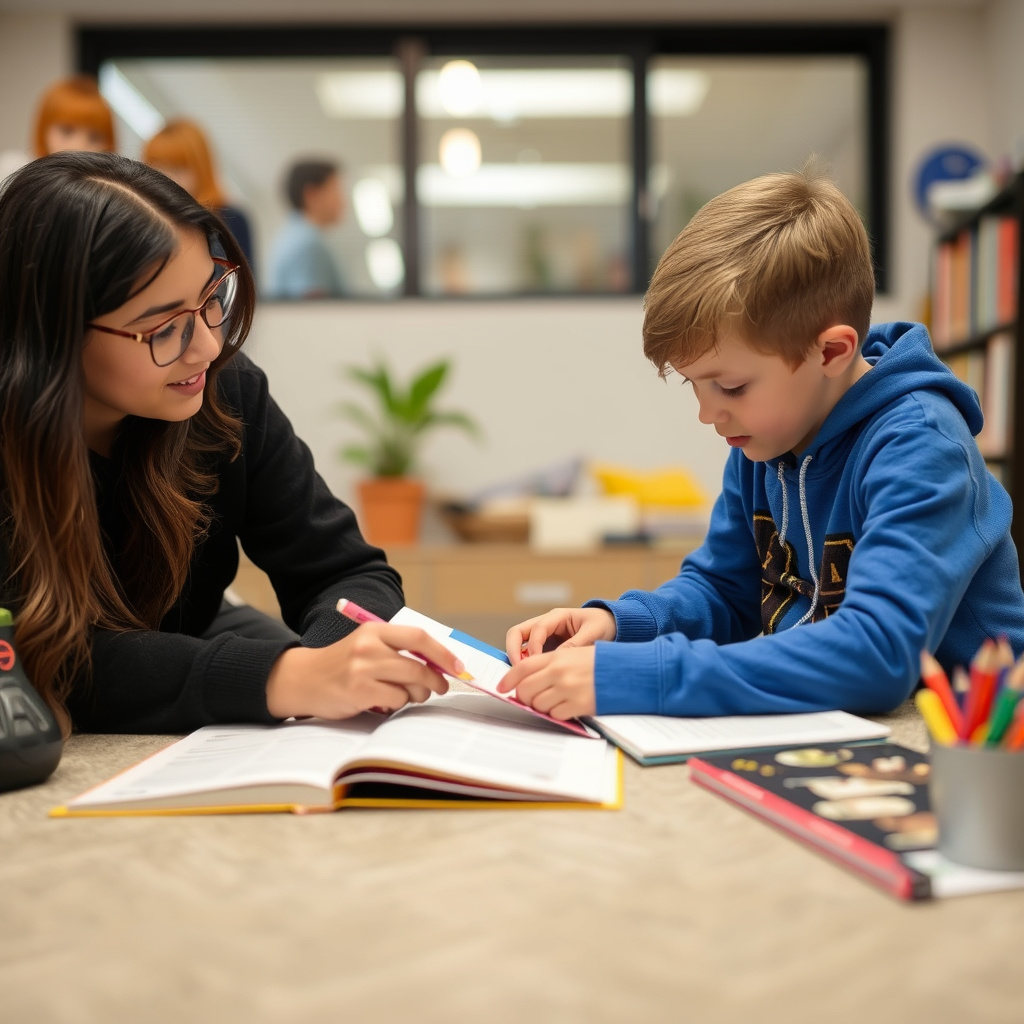
Unlike classroom settings where instructors manage multiple students, reading tutoring offers undivided focus on one learner. This helps tutors identify errors quickly and correct misconceptions during reading activities.
Such individualized attention creates a safe environment for learners to ask questions and practice new skills without feeling rushed or judged.
Improved Reading Comprehension and Fluency

Enhancing Reading Comprehension
Reading tutoring directly targets skills like understanding context, identifying main ideas, and making inferences. Through guided questions and discussions, learners develop strategies that deepen comprehension.
These gains not only improve academic performance but also empower learners to enjoy reading independently, accessing a wider range of materials.
- Context clues practice
- Summarizing texts
- Questioning strategies
- Inference exercises
Boosting Reading Fluency
Fluency involves reading smoothly and accurately with appropriate expression. Tutors use repeated reading, phrasing drills, and timed readings to help learners build fluency.
Improved fluency allows students to focus more on meaning rather than decoding each word, fostering faster and more enjoyable reading experiences.
- Repeated reading techniques
- Phrase chunking drills
- Timed reading sessions
- Expression and intonation practice
Increased Motivation and Confidence
Building a Positive Reading Attitude
Struggling readers often develop negative feelings toward reading that can affect motivation. Reading tutoring addresses this by celebrating small successes and using age-appropriate, engaging materials.
This positive reinforcement encourages learners to view reading as a rewarding activity, not a chore.
- Reward systems
- Choice of engaging books
- Interactive reading games
- Encouraging feedback
For more on this, see our related guide: How to Choose a Reading Comprehension Tutor That Boosts Your Skills.
Boosting Self-Confidence
With consistent practice and tailored support, learners notice their improvement, which builds confidence. Feeling more capable increases willingness to participate in reading tasks in school and beyond.
Higher self-confidence also reduces reading anxiety, allowing students to tackle challenging texts with greater persistence.
Addressing Diverse Learning Challenges

Supporting Learners with Dyslexia
Reading tutoring often incorporates strategies designed for students with dyslexia, such as multisensory approaches and explicit phonics instruction.
These methods help decode words more effectively, enabling learners to overcome barriers that standard classroom instruction might not fully address.
- Orton-Gillingham techniques
- Multisensory reading tools
- Structured phonics programs
- Assistive technology suggestions
Helping ESL Learners Improve Reading Skills
For English as a Second Language learners, reading tutoring provides vocabulary building and comprehension strategies tailored to their linguistic backgrounds.
Tutors emphasize cultural context and language structures to foster not just reading skills but overall language proficiency.
Flexible Formats and Resources for Reading Tutoring

In-Person vs. Online Tutoring Options
Reading tutoring can be conducted face-to-face or through online platforms, each offering unique benefits. In-person sessions provide direct interaction, while online sessions offer convenience and access to diverse resources.
Families can select the format that best fits their schedules and learner preferences, enabling consistent participation.
- Direct, personal interaction (in-person)
- Scheduling flexibility (online)
- Access to digital reading resources
- Interactive reading software
For more on this, see our related guide: How to Find Effective One on One Tutoring in Doral FL.
Utilizing Supplementary Materials
Tutors often incorporate books, games, apps, and worksheets aligned with learners’ reading levels to diversify practice methods.
These supplementary materials keep lessons engaging and reinforce skills across different contexts.
- Leveled readers
- Phonics flashcards
- Educational reading apps
- Comprehension worksheets
Measuring Progress and Setting Goals

Regular Assessment Techniques
Reading tutoring includes ongoing assessments such as fluency checks, comprehension quizzes, and reading accuracy tracking to monitor improvement.
These evaluations guide instruction and help maintain focus on specific goals.
- Fluency timed readings
- Comprehension question sets
- Error analysis
- Progress monitoring charts
For additional insights on effective reading tutoring techniques, visit this detailed resource. reading tutoring information.
Goal-Setting for Motivation
Setting short- and long-term reading goals motivates learners by creating clear targets and milestones.
Collaboration between tutors, students, and parents on goals encourages shared commitment and accountability.
- SMART goals
- Reward milestones
- Personalized achievement plans
- Goal review sessions
Reading Tutoring Formats Comparison
Explore how different tutoring formats stack up based on cost, accessibility, and learning experience.
| Format | Cost Range | Accessibility | Individualization Level | Recommended For |
|---|---|---|---|---|
| In-Person Tutoring | $30–$60/hr | Local availability needed | High | Hands-on learners, complex challenges |
| Online Live Tutoring | $25–$50/hr | Anywhere with internet | High | Busy schedules, remote learners |
| Group Tutoring | $15–$30/hr | Varies by location | Moderate | Social learners, budget-conscious |
| App-Based Tutoring | $0–$20/month | Anytime, anywhere | Low to Moderate | Self-motivated learners, supplementary practice |
Frequently Asked Questions
At what age is reading tutoring most effective?
Reading tutoring benefits learners of all ages, but early intervention—typically in preschool through early elementary—yields the most significant gains by addressing issues before they become ingrained.
How often should a student attend reading tutoring sessions?
For steady improvement, 2-3 sessions per week are commonly recommended, allowing practice without overwhelming the learner, though frequency depends on individual needs.
Can reading tutoring help students with learning disabilities?
Yes, tailored reading tutoring using multisensory and explicit teaching methods greatly supports students with learning disabilities like dyslexia to improve their reading skills.
Is online reading tutoring as effective as in-person tutoring?
Online tutoring can be equally effective if it includes live interaction, personalized instruction, and engaging materials that meet the learner's needs.
What should parents look for when choosing a reading tutor?
Parents should seek tutors with specialized training in literacy education, experience with the learner's age group or challenges, and positive references for success.
Key Takeaways
- Reading tutoring provides customized support to target individual literacy challenges.
- It enhances comprehension and fluency through focused practice and strategies.
- Motivation and confidence improve as learners experience consistent progress.
- Various formats and resources make tutoring accessible and adaptable.
Conclusion
Deciding on reading tutoring involves recognizing specific literacy challenges and understanding the value of personalized instruction. Tailored tutoring programs address gaps in skills like phonics and comprehension, empowering learners with strategies suited to their needs. This targeted approach transforms reading from a frustrating task into an achievable skill and enjoyable activity.
For children struggling with foundational skills, in-person or online live tutoring can offer the intensive support required. ESL learners or students with mild difficulties might benefit from group tutoring or app-based programs supplementing school instruction. Each option has strengths depending on the learner's goals, motivation, and resources.
Next steps for those considering reading tutoring include evaluating local or online services, consulting educators or specialists to define areas of need, and initiating regular sessions with progress tracking. By investing in reading tutoring, learners gain more than just better reading—they gain confidence and lifelong skills for academic and personal success.