How to Create a Study Plan That Boosts Your Learning Efficiency
Creating a study plan means setting a clear schedule to manage your study time wisely and meet your learning goals. A solid study plan balances subjects, breaks, and deadlines to keep you on track throughout your academic journey.
Many students struggle to manage their workload because without structure, it’s easy to procrastinate or become overwhelmed. A study plan brings order and predictability, making it easier to focus and retain information.
This article walks you through how to create a personalized study plan, including assessing your priorities, choosing the right tools, setting realistic goals, and adjusting the plan as needed. Whether you're prepping for finals or organizing daily study sessions, these tips will help.
Understanding Your Goals and Priorities

Identifying Short-Term and Long-Term Study Goals
Start by listing what you want to achieve both in the near future, such as upcoming exams, and over a longer term, like semester grades. Precise goals clarify what subjects or skills need more focus.
Having detailed goals helps allocate appropriate time for each topic, making your effective study schedule targeted instead of random.
- Define specific grade targets per subject
- Note critical deadlines for assignments and tests
- Rank subjects by difficulty or importance
Prioritizing Subjects According to Urgency and Difficulty
After listing your goals, evaluate which areas require urgent attention or more effort. Prioritize subjects you find challenging or those with imminent exams.
Balancing urgency and difficulty prevents less urgent topics from crowding out crucial study time, keeping your schedule realistic and focused.
- Assign higher priority to difficult subjects
- Reserve extra slots for upcoming exams
- Rearrange priorities weekly as needed
Selecting the Right Tools for Your Study Plan

Choosing Between Digital and Paper Planners
Some students benefit from tactile experience using paper planners or notebooks, which can enhance memory retention. Others prefer digital calendars or apps for easy editing and reminders.
Consider your personal habits: do you often revise plans or want alerts? A digital tool might suit you better, while paper can provide a visual overview without distractions.
- Paper planners for tactile organization
- Digital apps for flexibility and alerts
- Hybrid methods combining both
Using Timers and Apps to Track Study Sessions
Apps like Pomodoro timers split study time into focused intervals with breaks, which can improve concentration and prevent burnout. They fit well into an effective study schedule by adding structure to your sessions.
Additional apps offer task lists, progress tracking, and syncing across devices, which help maintain consistency and motivate you to follow your study plan.
- Pomodoro technique timers
- Task management apps like Todoist
- Calendar apps with study reminders
Crafting Your Daily and Weekly Study Schedule
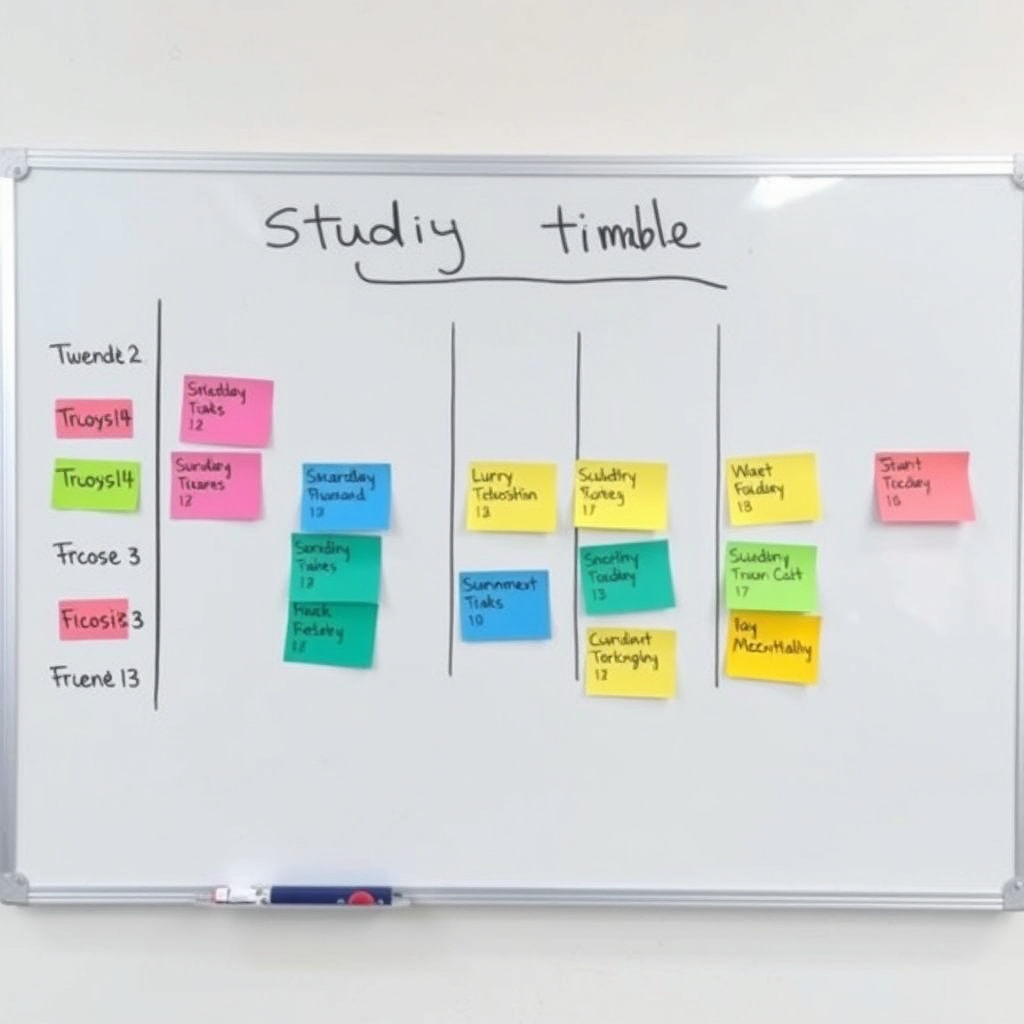
Allocating Study Blocks and Breaks
Divide your study time into blocks of 25-50 minutes with short breaks, following proven concentration patterns. This helps maintain sharp focus without fatigue.
Schedule breaks to refresh your mind; stepping away from study material aids retention and prevents burnout. Adjust block lengths based on task difficulty and personal stamina.
- Use 25-50 minute focused study intervals
- Take 5-10 minute breaks between blocks
- Longer breaks after 3-4 study sessions
For more on this, see our related guide: How to Choose a Tutor for Struggling Students: A Practical Guide.
Balancing Study with Other Responsibilities
Account for classes, work, hobbies, and rest when making your plan to avoid overbooking yourself. A balanced schedule improves consistency and reduces stress during study periods.
Leave flexible time slots for unexpected tasks or review sessions. Prioritize quality over quantity by focusing on effective study periods rather than total hours alone.
- Include non-study commitments in your schedule
- Schedule buffer times for emergencies
- Adjust study load during busy weeks
Monitoring Progress and Adjusting Your Study Plan

Tracking Completion and Understanding of Topics
Keep records of accomplished study goals and note topics you find difficult to identify areas needing extra attention. This data-driven approach keeps your effective study schedule aligned with your actual needs.
Regular self-assessments or practice tests reveal your understanding level and guide how to modify your study focus accordingly.
- Use checklists for completed topics
- Log difficulty levels per subject
- Schedule self-quizzes regularly
Making Flexible Adjustments Without Losing Momentum
Life events and changing priorities might require tweaking your plan. Modify study times or focus areas while keeping core goals in sight to avoid losing progress.
Flexibility prevents frustration and maintains motivation by allowing you to better match your plan to real-life conditions.
- Review plan weekly and adjust as needed
- Shift study blocks if energy fluctuates
- Rebalance subjects after performance review
Motivation and Discipline in Following Your Study Plan

Setting Rewards and Milestones
Incorporate small rewards after completing study goals to boost motivation. Celebrating milestones maintains enthusiasm and creates positive associations with studying.
Rewards can range from short breaks, snacks, or favorite activities, making the effort feel worthwhile and reducing procrastination.
- Reward after finishing study sessions or chapters
- Set bigger rewards for major milestones
- Use rewards to reinforce consistent habits
For more on this, see our related guide: How to Find Effective One on One Tutoring in Doral FL.
Building Accountability Through Study Groups or Partners
Sharing your study plan with peers or joining study groups increases accountability. Regular check-ins encourage sticking to the schedule and provide support.
Peers can offer motivation and alternative perspectives, making study more interactive and less isolating.
- Form study groups with similar goals
- Schedule regular partner check-ins
- Discuss challenges and progress openly
Common Mistakes to Avoid When Creating a Study Plan

Overloading the Schedule or Being Too Vague
Trying to pack too much study into daily plans leads to burnout, while vague goals cause wasted time. A precise, reasonable schedule balances ambition and personal limits.
Avoiding overload means realistically estimating how much time tasks take and leaving wiggle room for breaks and unexpected delays.
- Avoid back-to-back long sessions
- Set clear, measurable study tasks
- Keep some unscheduled buffer time
For additional techniques and concepts about planning your studies, visit study plan strategies on Wikipedia. study plan strategies on Wikipedia.
Ignoring Personal Learning Styles and Energy Patterns
Some students retain information better in the morning; others perform best at night. Ignoring these patterns reduces study efficiency.
Adapt your study plan to when you feel most alert, and choose methods (visual, auditory, kinesthetic) that suit how you learn best.
- Identify your peak concentration times
- Choose study methods matching your style
- Avoid forcing a uniform schedule
Study Plan Types Comparison
Explore how different study plan types align with various learning preferences and lifestyles to find the best fit for you.
| Plan Type | Best For | Flexibility | Complexity Level |
|---|---|---|---|
| Strict Timetable | Highly disciplined learners preparing for exams | Low | High |
| Adaptive Schedule | Students with fluctuating workloads and energy | High | Medium |
| Task-Oriented Plan | Goal-driven learners focusing on assignments | Medium | Low |
| Hybrid Approach | Balanced students mixing structure and flexibility | Medium-High | Medium |
Frequently Asked Questions
How often should I revise my study plan?
Revising your study plan weekly allows you to adapt to your progress and changing priorities without losing sight of your goals.
Can a study plan help reduce procrastination?
Yes, a study plan breaks down tasks into manageable parts and schedules them, making it easier to start and maintain study momentum.
What if I miss a study session?
Missing a session occasionally is normal; adjust your plan by redistributing missed study time without stressing and keep consistent going forward.
Is it better to study in longer or shorter sessions?
Shorter focused sessions, like 25-50 minutes with breaks, generally improve retention and concentration compared to long, unbroken hours.
How do I stick to my study plan when motivation is low?
Set small rewards, remind yourself of the goals, and consider studying with a partner to build accountability and keep motivated.
Key Takeaways
- Create clear, prioritized study goals to guide your schedule
- Choose tools that match your habits for managing your study plan
- Divide study time into focused blocks with regular breaks
- Review and adjust your plan regularly to stay effective
Conclusion
Crafting a study plan requires balancing your goals, available time, and individual habits. By clearly defining what you want to achieve and prioritizing subjects based on difficulty and deadlines, you set the foundation for success. Utilizing tools that complement your workflow helps maintain organization and focus. Remember to schedule manageable study intervals with breaks, and incorporate flexibility to accommodate life’s unpredictability, maintaining steady progress without overwhelming yourself.
Specific approaches depend on your needs: a strict timetable suits disciplined exam preparation, while an adaptive schedule benefits learners with variable routines. If task completion drives you, a task-oriented plan provides clarity. Many students find the hybrid approach offers the best balance, combining structure without rigidity. Incorporating accountability mechanisms like study groups further strengthens adherence to your effective study schedule. Adjust your plan regularly based on self-assessments to maximize learning outcomes and prevent plateaus.
The next step is to draft your personalized study plan using available tools, starting with clearly prioritized goals. Track your adherence and test understanding to keep your plan aligned with actual performance. With consistency and adjustment, your study plan will make your learning more efficient and less stressful, setting you up for stronger academic results.