How to Help Your Child Study for a Test: Practical Strategies That Work
Helping your child study for a test starts with creating a consistent study routine that fits their learning style, breaking tasks into manageable chunks, and offering encouragement to build confidence. Establishing a quiet, distraction-free environment and setting clear goals are essential first steps.
Many children struggle with test preparation due to lack of focus, overwhelm, or ineffective study habits. Guiding them through proven strategies matters because it improves retention, reduces anxiety, and promotes a positive attitude toward learning. Support from parents plays a big part in shaping productive habits early on.
This article will cover establishing a study space, planning study schedules, choosing effective study techniques for kids, managing test anxiety, and ways to make learning interactive and fun. You’ll also find a comparison of common study methods and answers to frequently asked questions to help your child succeed.
Creating an Ideal Study Environment

Setting Up a Dedicated Study Space
Choosing a fixed area for studying helps your child associate that space with focus and work. This spot should be quiet, well-lit, and stocked with necessary supplies like pencils, paper, and a calculator if needed.
Avoid locations with frequent foot traffic or distractions like television and mobile devices. Personalizing the space with motivational posters or a comfortable chair can also improve concentration and willingness to study.
- Quiet and free from interruptions
- Adequate lighting and comfortable seating
- Organized with all necessary study materials
Minimizing Distractions and Interruptions
Distractions can severely impact study sessions. Encourage your child to put away phones or other devices that aren't required for studying.
Set boundaries with family members during study time to prevent interruptions. Using noise-canceling headphones or soft background music may help some children focus better.
- Turn off or silence electronic devices
- Communicate study times to family members
- Consider white noise or instrumental music
Planning and Organizing Study Time

Creating a Study Schedule
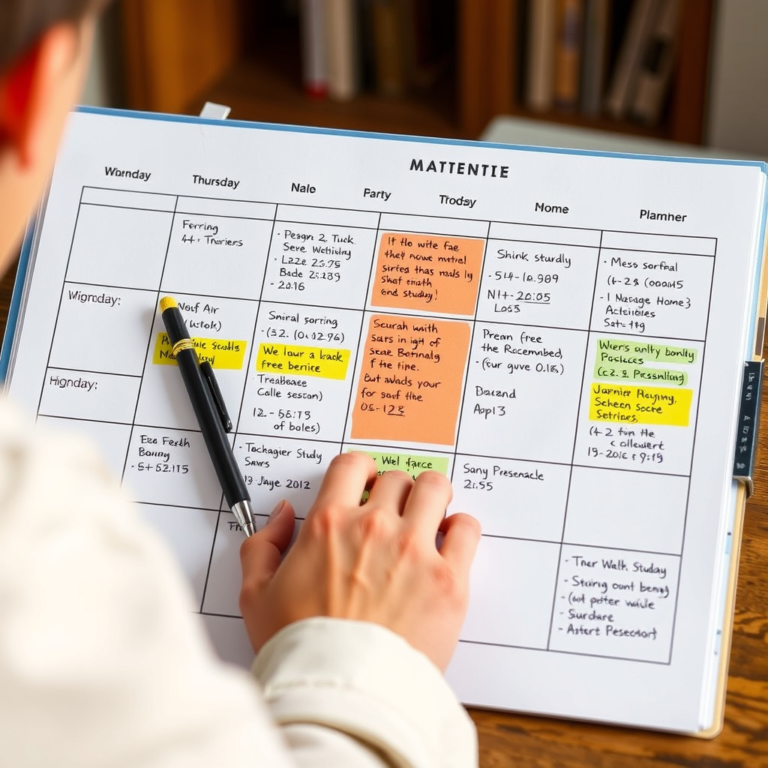
Developing a clear study schedule breaks down the material into daily goals rather than cramming the night before. Consistency helps improve memory retention and reduces last-minute stress.
Work with your child to allocate specific subjects or topics to particular days and determine appropriate durations. Include short breaks to keep energy levels up and prevent burnout.
- Divide study material into bite-sized segments
- Set realistic daily goals
- Schedule regular short breaks every 25-30 minutes
Using Tools to Track Progress
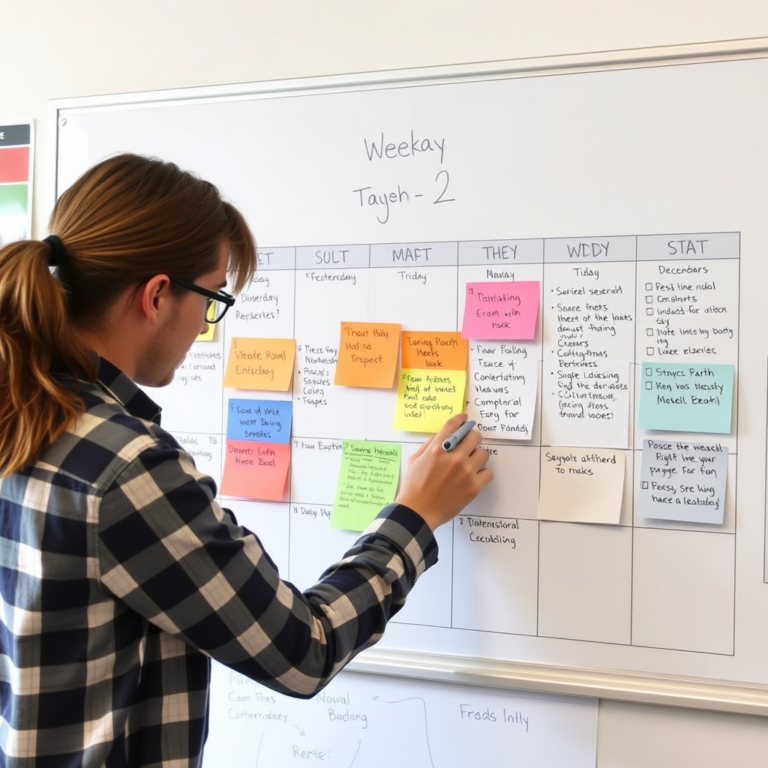
Tools like calendars, checklists, or apps can motivate kids by showing completed tasks and upcoming topics. Visual reminders keep them accountable and provide a sense of accomplishment.
Regularly reviewing progress together allows adjustments to the schedule based on what’s working or where more attention is needed.
- Use checklists for completed topics
- Set reminders for study sessions
- Review and adjust plans as needed
Effective Study Techniques for Kids
Active Recall and Practice Testing
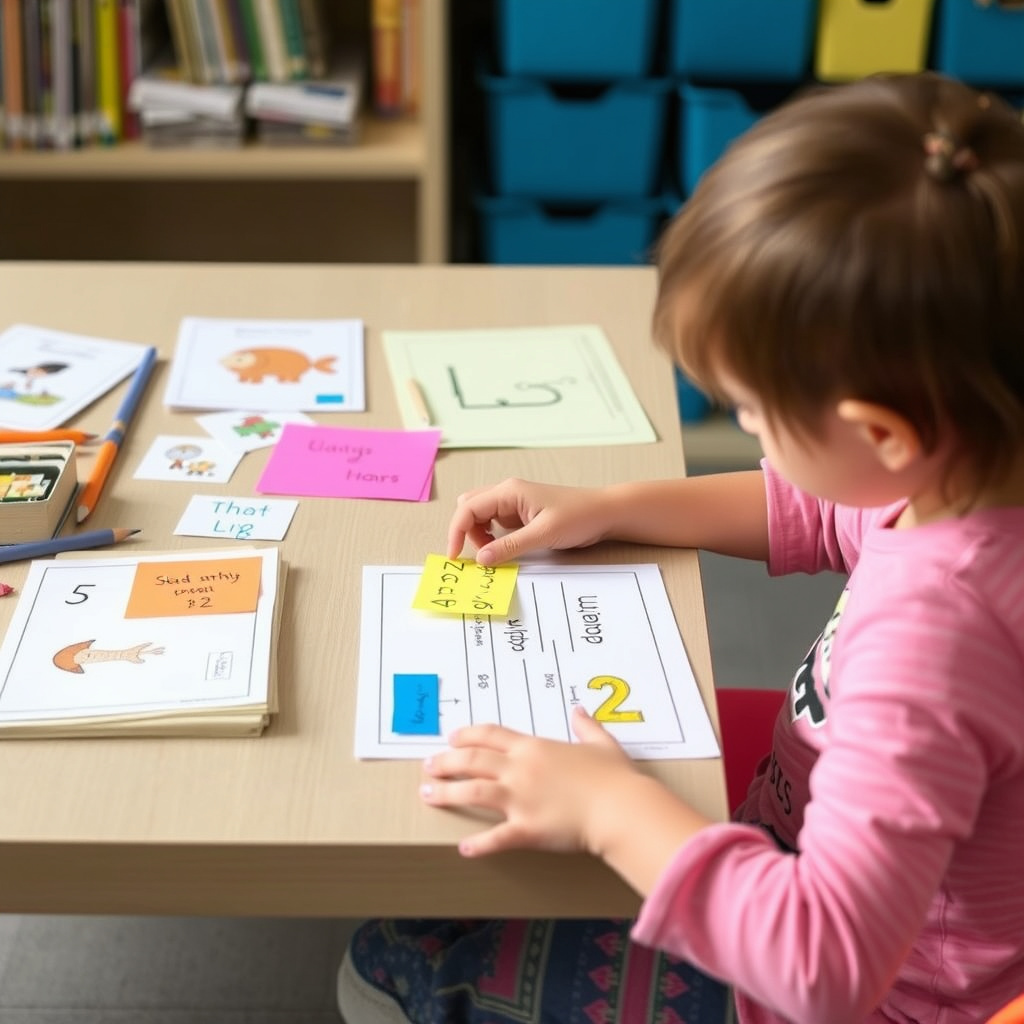
Active recall involves testing your child’s memory by having them retrieve information without looking at notes. This technique improves long-term memory retention far better than passive reading.
Practice tests, quizzes, or flashcards can be useful tools. Repeated retrieval strengthens neural connections, making it easier to recall information during the actual test.
- Use flashcards for key facts or vocabulary
- Create mini quizzes together
- Encourage your child to explain concepts aloud
For more on this, see our related guide: How to Get Effective Math Homework Help Fast and Easily.
Mind Mapping and Visual Aids
Mind maps organize information visually, showing relationships between ideas. For many children, connecting concepts visually makes studying less intimidating and more memorable.
Incorporate drawings, colors, and symbols to cater to different learning styles. Visual aids can transform dense material into engaging content.
- Create colorful diagrams linking key points
- Use symbols to represent ideas
- Combine text and images for better retention
Managing Test Anxiety and Building Confidence

Recognizing and Addressing Anxiety Signs
Test anxiety can manifest as restlessness, irritability, or trouble sleeping. Identifying these signs early allows you to provide support and reduce stress.
Discuss your child’s feelings openly, validate their concerns, and share practical relaxation strategies to help them feel in control.
- Look for behavioral changes before tests
- Encourage talking about worries
- Practice relaxation techniques together
Teaching Relaxation and Positive Mindsets
Simple breathing exercises or mindfulness can calm nerves before and during studying. Help your child reframe negative thoughts by focusing on effort rather than just outcomes.
Celebrate small wins and reinforce that making mistakes is part of learning. This encourages resilience and a growth mindset essential for academic success.
- Use deep breathing or guided imagery
- Practice positive affirmations
- Highlight progress, not just grades
Making Study Sessions Engaging and Fun

Incorporating Games and Interactive Activities
Learning doesn’t have to be dull. Using educational games, puzzles, or apps turns studying into an active challenge rather than a chore. This approach increases motivation and retention.
Try quiz games, word searches, or matching exercises related to the study material to maintain interest.
- Use educational board or online games
- Turn review into competitions with rewards
- Integrate study apps designed for children
For more on this, see our related guide: How to Choose the Best After School Tutoring in Doral FL for Your Child.
Using Real-Life Examples and Hands-On Learning
Connecting abstract concepts to everyday experiences helps deepen understanding. For example, using cooking to teach fractions or nature walks to explain science topics.
Hands-on activities engage multiple senses, making the material more memorable and meaningful.
- Relate lessons to daily activities
- Conduct simple experiments or projects
- Use storytelling to illustrate ideas
Building Long-Term Study Habits

Encouraging Regular Review and Reflection
Repeatedly reviewing material over time prevents forgetting and helps solidify knowledge. Encourage your child to go over notes weekly rather than only before tests.
Reflection on what study methods worked best can empower them to take ownership of their learning.
- Set aside time for weekly material review
- Keep a study journal to track strategies
- Adjust techniques based on outcomes
For additional tips, visit this resource on study techniques for children that explores methods supported by educational research. study techniques for children.
Developing Self-Motivation and Responsibility
Teaching your child to set personal academic goals encourages self-discipline. Praise effort and progress to reinforce motivation.
Building responsibility includes managing time independently and preparing materials before study sessions, which are key habits for future success.
- Help set achievable study goals
- Discuss the importance of preparation
- Encourage ownership of learning process
Common Study Techniques for Kids Compared
Below is a comparison of popular study techniques to help you decide which might suit your child's learning preferences best.
| Technique | Description | Best For | Pros | Cons |
|---|---|---|---|---|
| Active Recall | Testing memory by retrieving information without notes | Children who benefit from hands-on engagement | Improves retention significantly | Can be stressful if overused |
| Mind Mapping | Visual diagram showing relationships between concepts | Visual learners who understand better with images | Makes complex info easier to digest | Time-consuming to create |
| Flashcards | Cards with questions on one side and answers on the other | All learners, especially for vocabulary and facts | Portable and portable | Can be repetitive |
| Practice Tests | Simulated exam questions to test preparedness | Older children preparing for formal exams | Simulates test conditions | May cause anxiety if not balanced |
| Study Games | Interactive games related to study topics | Younger children or those needing engagement | Makes learning fun and engaging | May distract if unstructured |
Frequently Asked Questions
How many hours a day should my child study before a test?
It depends on your child’s age and the test difficulty. Short, regular sessions of 30-60 minutes daily are usually more effective than long, infrequent cram sessions.
What if my child refuses to study?
Try to understand the reasons behind the resistance. Offer choices, make study time interactive, and emphasize small achievable goals to build motivation gradually.
Are digital study tools helpful for kids?
Yes, many digital tools provide interactive content that can engage children effectively. However, use them in moderation and combine with traditional methods to maintain balance.
How can I help my child manage stress before tests?
Encourage relaxation techniques like deep breathing, maintain a positive attitude, create a calm environment, and remind them that effort is more important than perfection.
Is it better to study alone or with others?
It varies per child. Some learn best alone with quiet focus, while others benefit from group discussions or study buddies who clarify ideas and boost motivation.
Key Takeaways
- Establish a consistent and distraction-free study environment
- Use effective study techniques like active recall and mind mapping
- Incorporate breaks and manage test anxiety with relaxation methods
- Make learning engaging through games and real-life applications
Conclusion
Choosing how to help your child study for a test involves balancing structure with flexibility tailored to their individual needs. Creating a calm study environment and developing a clear schedule are fundamental steps. From there, integrating effective study techniques such as active recall or mind mapping can enhance retention and understanding. It's equally important to recognize and address any signs of anxiety, equipping your child with relaxation tools and a positive mindset. These combined efforts empower them to approach tests with greater confidence and readiness.
For younger children, incorporating study games and visual aids can transform challenging subjects into enjoyable activities that stick. Older kids preparing for more formal exams may benefit from practice tests and structured review schedules. Throughout, fostering self-motivation and responsibility ensures they build habits that serve them well beyond any single assessment. Parents should monitor progress, celebrate efforts, and adjust methods as needed to maintain momentum without overwhelming their child.
A practical next step is to begin setting up a dedicated study space and work with your child to draft a manageable study plan. Experiment with different techniques like flashcards or mind maps to discover what resonates best. Remember, patience and encouragement go a long way—supporting your child not just academically but emotionally will help cultivate a lifelong approach to learning.