How to Help Your Child Learn to Read: Effective Strategies for Early Literacy
Helping your child learn to read starts with simple, focused activities that build foundational skills such as letter recognition, phonemic awareness, and vocabulary. By creating consistent reading routines and engaging with your child through stories, you can directly support their journey toward literacy.
Early reading skills lay the groundwork for a child’s academic success and lifelong learning. When children develop strong reading habits early, they become more confident, curious, and better equipped to understand complex information as they grow.
This article will explore key methods to foster your child's reading abilities, including fun exercises, choosing the right reading materials, setting up supportive environments, and tracking progress. We’ll also answer common questions about early literacy development.
Creating a Reading-Friendly Environment

Setting Up a Dedicated Reading Space
A well-organized reading corner encourages regular reading sessions and makes books accessible. Select a quiet, inviting area with good lighting and comfortable seating to make reading enjoyable.
Including a variety of age-appropriate books and reading materials helps maintain your child’s interest. Rotate books periodically to introduce new themes and vocabulary to stimulate curiosity.
- Place books within easy reach
- Set comfortable seating like cushions or small chairs
- Use good lighting, preferably natural or warm lamps
- Add themed decorations to create an inviting space
Incorporating Books into Daily Life
Integrate reading naturally into everyday routines to reinforce the importance and joy of literacy. Read together during breakfast, before bedtime, or in occasional quiet moments.
Make books part of daily conversations by discussing pictures, new words, and stories. This creates a clear connection between reading and real-life experiences.
- Read short picture books during meals
- Narrate daily activities using descriptive language
- Encourage ‘reading aloud’ moments
- Visit the library regularly to explore new books
Developing Early Literacy Skills

Building Phonemic Awareness
Phonemic awareness involves recognizing and manipulating sounds in spoken words. Activities like rhyming games, clapping syllables, and identifying beginning sounds help children tune into language details.
Using songs, nursery rhymes, and playful repetition supports phonemic learning and prepares children for decoding words during reading.
- Play sound matching games
- Practice identifying first and last sounds in words
- Use simple rhymes and poems
- Encourage breaking down words into syllables
Introducing Letter Recognition and Writing
Knowing letters and their sounds is a critical step toward reading. Introduce letters gradually using flashcards, puzzles, and tracing activities.
Writing letters reinforces learning by engaging multiple senses. Encourage your child to write letters with fingers in sand, with crayons, or using apps designed for letter practice.
- Use alphabet books with vivid illustrations
- Practice letter-sound correspondence daily
- Involve tactile activities like finger painting or sand tracing
- Label household items with letters
Choosing the Right Reading Materials

Selecting Books Suited to Your Child's Level
Books should match your child’s current reading skills to keep them motivated without causing frustration. Start with simple, repetitive texts and gradually increase complexity.
Look for books with clear print, engaging illustrations, and relatable characters to enhance comprehension and interest.
- Choose picture books with simple sentences
- Use books with predictable text patterns
- Incorporate thematic books that align with your child's interests
- Avoid books with overly complex vocabulary too soon
For more on this, see our related guide: Effective Homework Help Tips for Students in Doral FL.
Utilizing Interactive and Digital Reading Tools
Interactive ebooks and educational apps can complement traditional reading. These tools often include audio narration, word highlighting, and activities that reinforce early literacy skills.
Moderate screen time and select quality apps that encourage active participation rather than passive consumption.
- Use apps that teach phonics through games
- Choose ebooks with read-along features
- Incorporate digital word puzzles
- Limit sessions to 15–20 minutes to maintain focus
Encouraging Engagement and Motivation
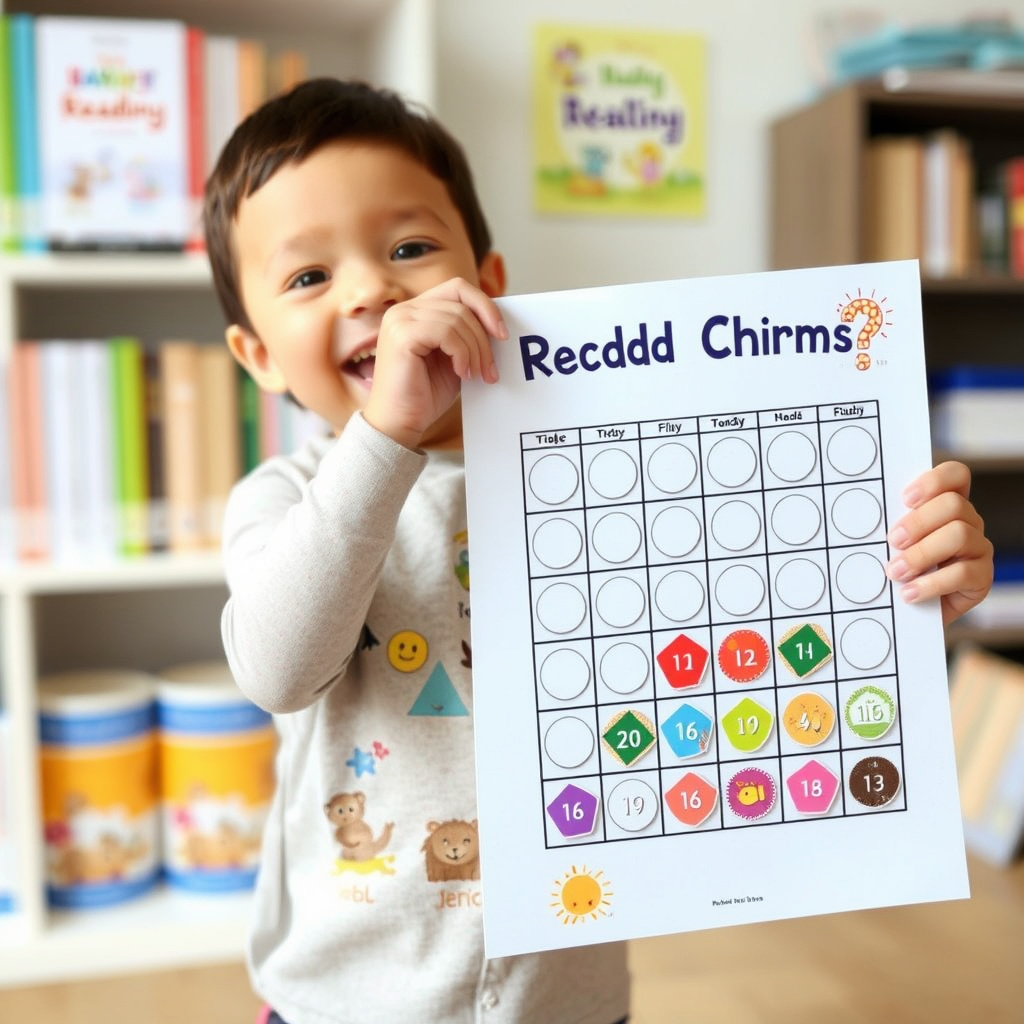
Making Reading Fun Through Play
Incorporate games like scavenger hunts for words, puppet shows, or storytelling with props to bring reading to life. Enjoyable activities build positive associations with reading.
Encouragement and praise for small achievements boost a child’s confidence and willingness to try new words or books.
- Create word treasure hunts around the house
- Use puppets to act out stories
- Praise efforts with stickers or small rewards
- Turn familiar stories into interactive play sessions
Sharing Reading Responsibilities
Invite your child to take turns reading, pointing at words, or predicting story outcomes. Shared reading builds comprehension and listening skills, making learning a shared experience.
Ask questions and discuss story details to deepen understanding and language development.
- Take turns reading pages aloud
- Encourage your child to describe pictures
- Ask predictive questions like ‘What will happen next?’
- Discuss characters’ feelings and actions
Tracking Progress and Adjusting Strategies

Using Reading Logs and Progress Charts
Record books read and new words learned to observe improvement over time. Visual progress charts motivate children by making growth tangible and rewarding.
Regularly review logs to identify areas needing more practice or types of books that engage your child most.
- Keep a simple daily reading log
- Mark progress with stars or smiley stickers
- Note favorite books and challenging words
- Discuss achievements during reading time
For more on this, see our related guide: How to Choose the Best After School Tutoring in Doral FL for Your Child.
Adjusting Activities Based on Your Child’s Needs
Every child learns at their own pace. Adapt your strategies by increasing difficulty, introducing new concepts, or providing extra support based on observed progress.
Consult teachers or literacy specialists when challenges persist to develop tailored approaches.
- Increase book complexity gradually
- Introduce new phonics sounds systematically
- Incorporate multi-sensory learning techniques
- Seek professional advice if progress stalls
Supporting Reading Beyond the Home
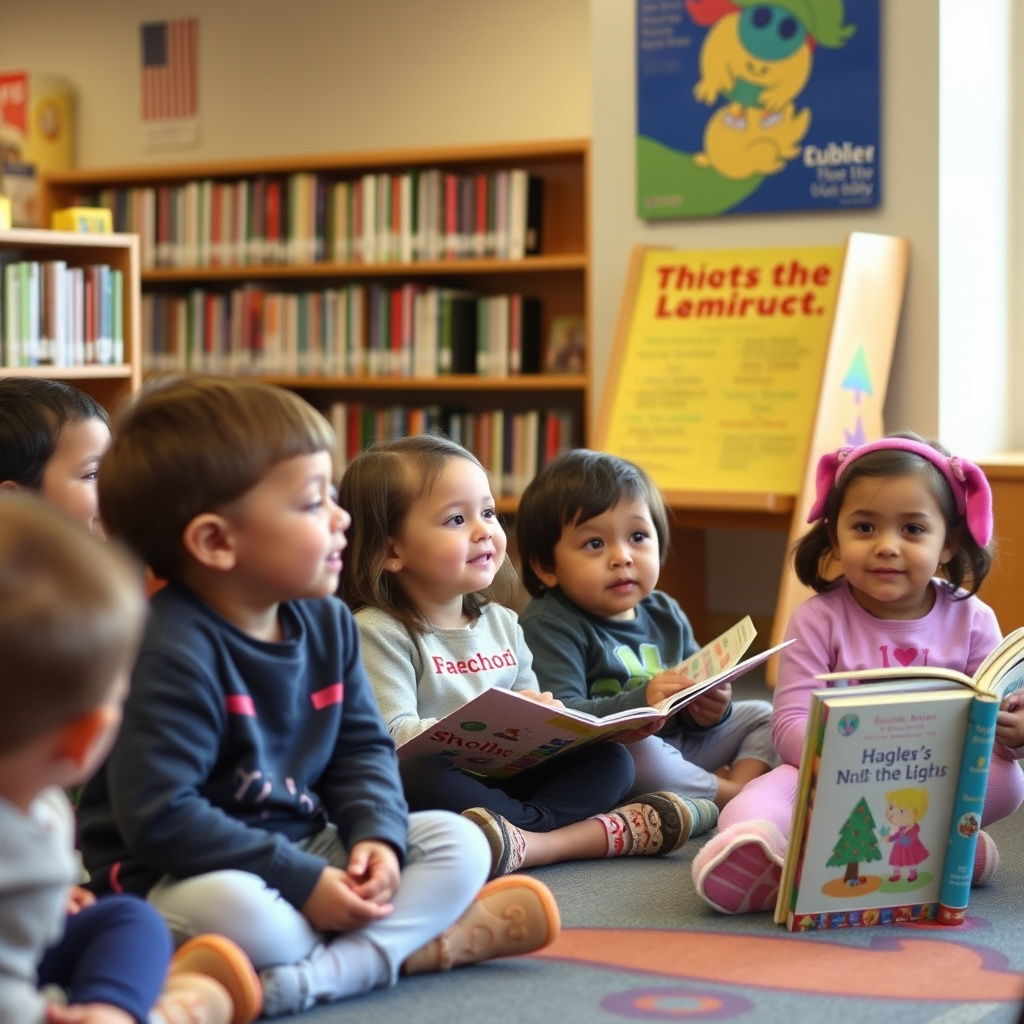
Engaging with Schools and Educators
Communicate with your child's teachers to align reading activities and reinforce school lessons at home. Understanding the curriculum helps tailor reading support effectively.
Participate in school literacy events or workshops to stay informed about best practices and resources.
- Attend parent-teacher conferences focused on reading
- Ask for recommended reading lists
- Volunteer in school reading programs
- Inquire about targeted interventions if needed
For a deeper understanding of foundational reading skills, you can explore this detailed article on early literacy development. early literacy development.
Utilizing Community Resources
Libraries, reading clubs, and storytime events offer social and educational opportunities to foster early literacy skills and enthusiasm.
Free community resources increase access to diverse books and literacy support beyond what’s available at home.
- Join weekly library story hours
- Explore summer reading programs
- Use free online literacy resources
- Attend literacy workshops for parents
Types of Early Literacy Activities Compared
Here’s a comparison of popular early literacy activities to help you decide what might fit your child best.
| Activity Type | Skill Focus | Engagement Level | Required Materials |
|---|---|---|---|
| Phonemic Games | Sound recognition and manipulation | High | Minimal (cards, everyday objects) |
| Shared Reading | Vocabulary and comprehension | Moderate to High | Books |
| Interactive Apps | Letter recognition and phonics | Moderate | Tablet or smartphone |
| Writing Practice | Letter formation and motor skills | Moderate | Pencils, crayons, paper |
| Storytelling Play | Imagination and narrative skills | High | Puppets, costumes, props |
Frequently Asked Questions
At what age should I start helping my child learn to read?
Beginning early literacy skills can start as young as age two or three by introducing books and talking about letters and sounds. Formal reading instruction usually begins around age five or six.
How often should I read with my child to improve their reading skills?
Daily reading sessions, even for 10-15 minutes, significantly help develop reading skills. Consistency is more important than duration, making reading a regular habit.
What if my child struggles to recognize letters or sounds?
If difficulties persist, try multisensory activities like tactile tracing or singing alphabet songs. Consulting a literacy specialist or educator can provide personalized support.
Are digital reading tools beneficial for young children?
Quality digital tools can reinforce early literacy skills through interactive play but should complement, not replace, traditional reading with adults.
How can I keep my child motivated to read?
Encourage reading by choosing books that match your child’s interests, celebrating small successes, and making reading sessions fun and interactive.
Key Takeaways
- Build a supportive, inviting reading environment at home
- Focus on early literacy skills like phonemic awareness and letter recognition
- Choose age-appropriate and engaging reading materials
- Use varied activities to keep your child motivated and involved
Conclusion
When helping your child learn to read, it’s essential to combine a range of activities that build foundational skills while making reading enjoyable. This approach encourages steady progress in early literacy and nurtures a lifelong love for reading. Focusing on phonemic awareness, letter recognition, and regular shared reading will develop confidence and competence.
Children thrive when learning is tailored to their individual pace. Families can start with simple phonemic games and shared reading sessions, progressing to writing practice and interactive apps as skills improve. Engaging with educators and making use of community resources like libraries often add valuable support and variety to the learning process.
Start by creating a cozy reading space and setting daily reading routines, then adapt activities to your child’s interests and needs. Celebrate every small achievement to motivate further learning. If challenges arise, consult educators or literacy professionals to find suitable strategies. Helping your child learn to read is a rewarding journey that opens doors to knowledge and imagination.