Does Tutoring Help? Exploring How Tutoring Supports Academic Success
Yes, tutoring helps students enhance their understanding of academic subjects by providing personalized attention, targeted instruction, and strategies tailored to individual learning needs. Many studies confirm that tutoring can lead to measurable improvements in grades and comprehension.
The impact of tutoring becomes clear when considering how traditional classroom settings might not address every student’s unique challenges. Tutoring provides the flexibility to focus on difficult topics, accommodate different learning styles, and build skills at a comfortable pace, which often results in higher confidence and better performance.
This article explores how tutoring helps in various academic areas, factors to evaluate when choosing tutoring, different tutoring formats, and how to maximize the benefits of tutoring for long-term academic success.
How Tutoring Helps Improve Academic Performance

Focused Instruction Tailored to Student Needs
Tutoring offers one-on-one attention that allows tutors to identify and address specific learning gaps. This personalized instruction can clarify complex concepts, reinforce skills, and increase retention in ways that group classrooms may not achieve.
By adapting teaching methods to match the student's learning style—whether visual, auditory, or kinesthetic—tutors help students absorb information more effectively and build a stronger foundation in the subject.
Encouraging Consistency and Study Habits
Regular tutoring sessions encourage disciplined study routines and help students develop effective time management skills. This consistency translates into ongoing improvement rather than short-term fixes.
Tutors also guide students in organizing study materials, practicing problem-solving techniques, and preparing for exams, which contribute to overall academic success beyond just understanding the content.
Different Types of Tutoring Services
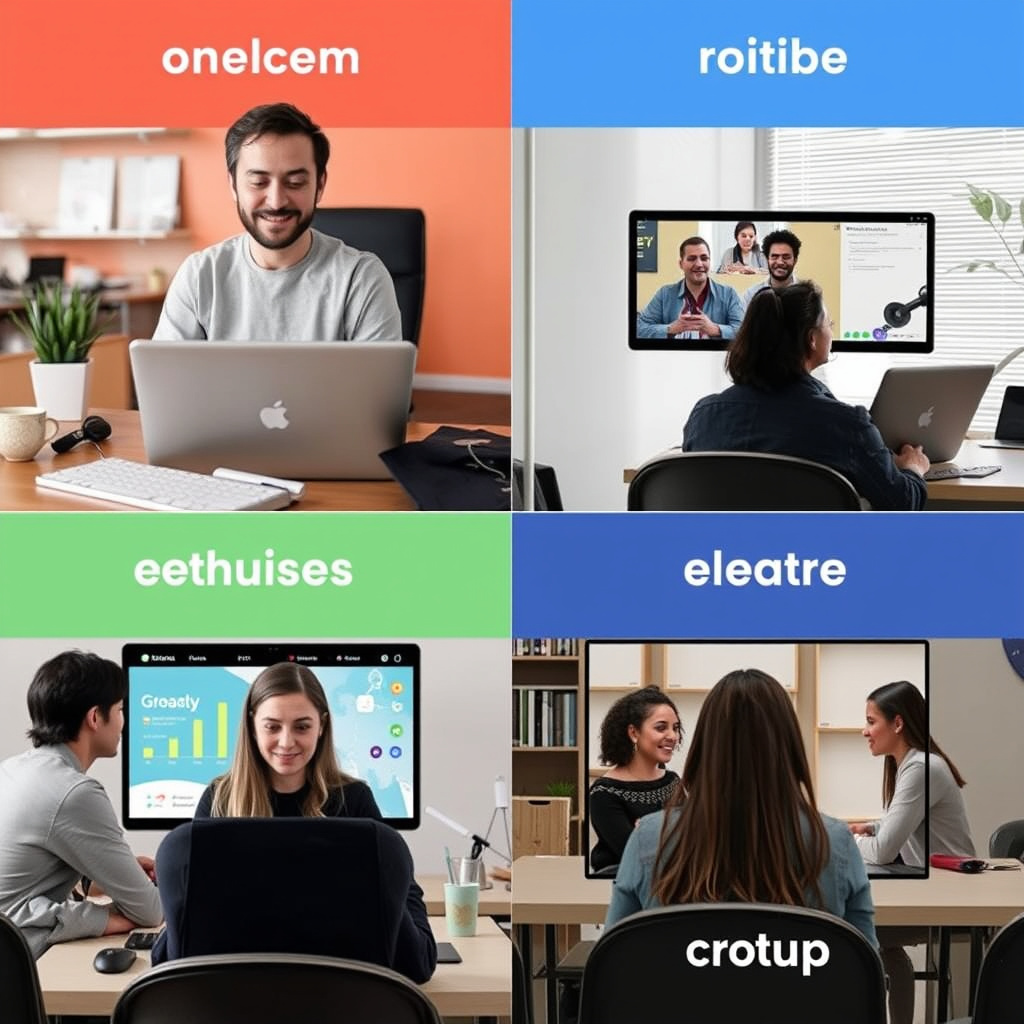
In-Person vs. Online Tutoring
In-person tutoring allows for direct interaction, immediate feedback, and sometimes hands-on learning, fostering a more personal connection between student and tutor. This setup is often preferred for younger students or subjects requiring practical work.
Online tutoring offers flexibility and access to a wide range of tutors worldwide, supporting remote learners or those with tight schedules. With interactive tools and video communication, online tutoring can replicate many benefits of face-to-face sessions.
- Immediate feedback in person
- Convenience of online access
- Variety of tutors available online
Private Tutoring vs. Group Sessions
Private tutoring provides highly individualized support, tailored exactly to the student's pace and challenges, making it ideal for targeted improvement or difficult subjects.
Group tutoring, often more affordable, can foster collaborative learning and peer motivation. It works well for review sessions or general skill building but offers less personalized attention.
- Customized lessons in private tutoring
- Peer interactions in groups
- Cost considerations
Evaluating the Benefits of Tutoring
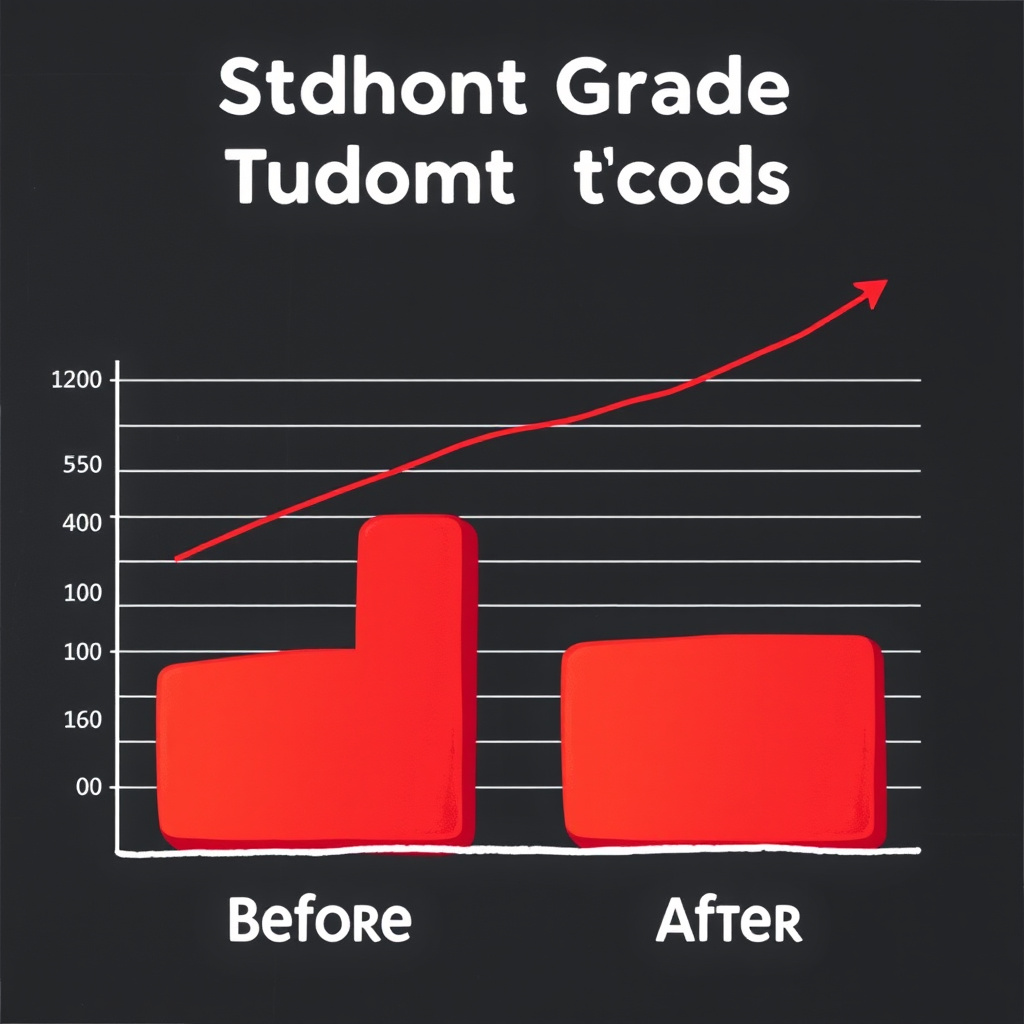
Measuring Academic Progress
Assessment of tutoring effectiveness often involves tracking changes in grades, test scores, and classroom participation. Improvements here indicate a successful supplement to regular teaching.
Feedback from students and parents also provides insight into the tutor's ability to explain material clearly and build the student’s confidence, which are key intangible benefits.
For more on this, see our related guide: How to Choose the Best Test Preparation Tutor in Doral FL for Effective Results.
Boosting Confidence and Motivation
One notable benefit of tutoring is the positive effect on a student's self-esteem. Personalized guidance helps students feel more competent and less anxious about their studies.
This increased motivation can sustain their academic efforts over time, reducing procrastination and fostering a proactive approach to learning challenges.
Choosing the Right Tutor for Your Needs

Qualifications and Experience to Look For
A good tutor should have expertise in the relevant subject area, strong teaching skills, and a track record of success. Checking credentials or references helps ensure quality.
Experience working with students of similar age and learning requirements also matters, as it influences the methods and pace used during sessions.
- Relevant academic background
- Teaching experience
- Positive references
Communication Style and Compatibility
Effective tutoring depends on rapport between tutor and student. A tutor who listens well, explains patiently, and adapts to the student's personality can make learning more enjoyable and productive.
Trial sessions often help families determine if a tutor’s style fits the student's preferences and comfort level before committing long-term.
- Good listening skills
- Patience and adaptability
- Trial lessons for fit
Maximizing the Impact of Tutoring

Setting Clear Learning Goals
Clearly defined academic targets guide tutoring sessions and allow both student and tutor to track progress systematically. These goals can be improving test scores, mastering key concepts, or completing assignments more independently.
Regularly revisiting and adjusting goals helps keep tutoring focused and aligned with the student’s evolving needs.
- Establish measurable goals
- Monitor progress regularly
- Adjust targets as needed
For more on this, see our related guide: How to Choose an Elementary Math Tutor in Doral FL for Your Child’s Success.
Integrating Tutoring with Schoolwork
Tutoring works best when it complements what students learn in school rather than duplicating or contradicting it. Communication between parents, tutors, and teachers ensures that sessions reinforce classroom instruction.
Parents can support tutoring benefits by encouraging consistent practice and creating a quiet, distraction-free learning space at home.
- Coordinate with teachers
- Practice outside sessions
- Create supportive environment
Common Challenges with Tutoring and How to Overcome Them

Addressing Tutor-Student Mismatches
Sometimes the tutor’s teaching style or personality does not align well with the student, reducing effectiveness. Open communication can identify these issues early.
Switching tutors or adjusting session formats may be necessary to find a better fit and maintain progress.
- Recognize mismatches early
- Discuss concerns openly
- Consider alternate tutors
Avoiding Dependency on Tutoring
Excessive reliance on tutoring without encouraging independent study can hinder the development of self-learning skills. Tutors should gradually foster autonomy.
Balancing tutoring with consistent homework and revision helps students become confident learners on their own.
- Promote self-study skills
- Gradually reduce tutor support
- Encourage consistent practice
How to Assess if Tutoring Is Right for You

Recognizing Academic Struggles That Benefit from Tutoring
Indicators such as falling grades, difficulty understanding material, low motivation, and test anxiety often signal the need for extra help beyond classroom teaching.
Early intervention with tutoring can prevent frustration and help students catch up before problems worsen.
- Low test scores
- Struggling with homework
- Lack of confidence
- Difficulty paying attention
For a detailed explanation of tutoring benefits and methods, consult the comprehensive Wikipedia article on tutoring. tutoring benefits.
Considering Costs and Time Commitment
Tutoring requires financial investment and regular scheduling, which might not fit every family’s resources or calendar. Evaluating budget constraints and availability is necessary before committing.
Exploring options such as group tutoring or local community programs can offer affordable alternatives.
- Budget planning
- Scheduling sessions
- Exploring affordable options
Comparison of Tutoring Types
Here is a comparison of common tutoring formats to help you choose the best fit based on effectiveness, cost, and flexibility.
| Type | Cost per Hour | Personalization Level | Flexibility | Ideal For |
|---|---|---|---|---|
| In-Person Private | $40-$70 | High | Moderate | Students needing focused help |
| Online Private | $30-$60 | High | High | Remote or busy students |
| Group Tutoring | $15-$30 | Low to Medium | Moderate | Review or skill building |
| Peer Tutoring | Often Free | Varies | Varies | Informal help and practice |
| Tutoring Centers | $25-$50 | Medium | Moderate | General academic support |
Frequently Asked Questions
How often should a student use tutoring services?
Frequency depends on individual needs but typically once or twice a week allows steady progress without overwhelming the student.
Can tutoring replace classroom learning?
Tutoring complements rather than replaces classroom teaching by providing extra help tailored to the student's pace and difficulties.
Is online tutoring as effective as in-person tutoring?
Online tutoring can be equally effective, especially with interactive tools and qualified tutors, though it depends on student preference and discipline.
How do I know if tutoring is working?
Improved grades, better understanding of material, increased confidence, and positive feedback from the student indicate tutoring is beneficial.
What subjects benefit most from tutoring?
Tutoring is especially effective for subjects requiring concept mastery like math, science, and languages but can support nearly any academic area.
Key Takeaways
- Tutoring provides personalized instruction that targets individual learning gaps.
- Various tutoring formats offer diverse benefits depending on student needs and schedules.
- Effective tutoring boosts both academic performance and student confidence.
- Choosing the right tutor and integrating tutoring with schoolwork maximizes results.
Conclusion
Understanding whether tutoring helps involves considering the student's specific academic challenges, learning style, and available resources. Tailored, consistent tutoring can create valuable breakthroughs in comprehension and study habits that classroom instruction alone might not achieve. The key is matching the right tutoring format and style to the learner's personality and academic goals while monitoring progress carefully to maximize benefits.
If a student struggles with complex subjects or motivation, private tutoring—either in-person or online—provides focused support ideal for deep skill development. Group tutoring offers an affordable review option and collaborative environment useful for general reinforcement. Families should evaluate their budget, scheduling flexibility, and student preferences when selecting among options to identify the best fit. Keeping communication open among tutors, teachers, and parents enhances alignment with schoolwork and learning objectives.
For anyone wondering if tutoring will help, the practical first step is to define clear learning goals and try a session with a qualified tutor that suits the student's style. Regular review of academic progress and comfort with the tutor can guide future decisions. With thoughtful choices and commitment, tutoring can be a powerful academic ally that builds confidence, knowledge, and long-term success.