How to Study Without Getting Bored: Effective Strategies to Stay Focused
Studying without getting bored is achievable by mixing up your methods and creating an engaging environment that keeps your mind alert. Simple strategies like breaking tasks into smaller chunks and using active learning techniques can help maintain focus and reduce monotony.
Avoiding boredom while studying matters because it directly affects how well you retain information and stay motivated over time. When your mind wanders, reviewing material becomes less effective, making study sessions feel longer and more exhausting.
This article covers practical ways to stay engaged during study sessions, including methods to vary study routines, create effective schedules, and use tools that enhance concentration. You’ll also learn how different learning styles impact boredom, with tips on maintaining interest.
Creating an Engaging Study Environment

Optimizing Your Study Space
Setting up a dedicated, comfortable study area can keep distractions low and your mind focused. Choose a quiet spot with good lighting to reduce eye strain and maintain alertness. Keeping your study space tidy also helps minimize mental clutter, making it easier to concentrate.
Avoid studying in places connected to relaxation, like your bed or couch, since your brain might associate those spots with break time instead of focus. Personalize the space with minimal decor that motivates you without causing distraction.
- Good lighting, preferably natural
- Comfortable chair and desk setup
- Minimal clutter and distractions
- Motivational but non-distracting décor
Using Background Music and Sounds
Listening to instrumental or ambient music can enhance focus by masking distracting noises and creating a steady rhythm while you study. Choose music without lyrics to prevent your mind from wandering.
Some people find white noise or nature sounds helpful for concentration. Experiment with different background sounds to see what helps sustain your attention without boring you.
- Instrumental or classical music
- White noise apps
- Nature sounds like rain or ocean waves
- Keep volume low to avoid distraction
Varying Study Techniques to Maintain Interest

Active Learning Strategies
Active learning involves engaging directly with study material, such as summarizing concepts in your own words, teaching the material to someone else, or solving practice problems. This combats boredom by keeping your brain actively involved rather than passively reading or listening.
Using methods like spaced repetition and self-testing helps reinforce concepts and breaks the monotony of simple review sessions. It also gives you measurable progress, which can be motivating.
- Summarize notes aloud
- Use flashcards for spaced repetition
- Teach material to a peer or imaginary audience
- Complete practice quizzes regularly
Mixing Study Formats
Switch between different study formats—reading textbooks, watching videos, listening to audio lectures, and using apps—to keep sessions fresh. Changing formats stimulates different senses and learning pathways, reducing boredom.
Breaking your study session into intervals with varied activities prevents fatigue. For example, read for 25 minutes, then watch a related video or create a mind map for the next segment.
- Alternate between reading and multimedia
- Include drawing or note-taking
- Incorporate quizzes or flashcard apps
- Use study groups or discussion forums
Time Management and Scheduling Techniques
Using the Pomodoro Technique
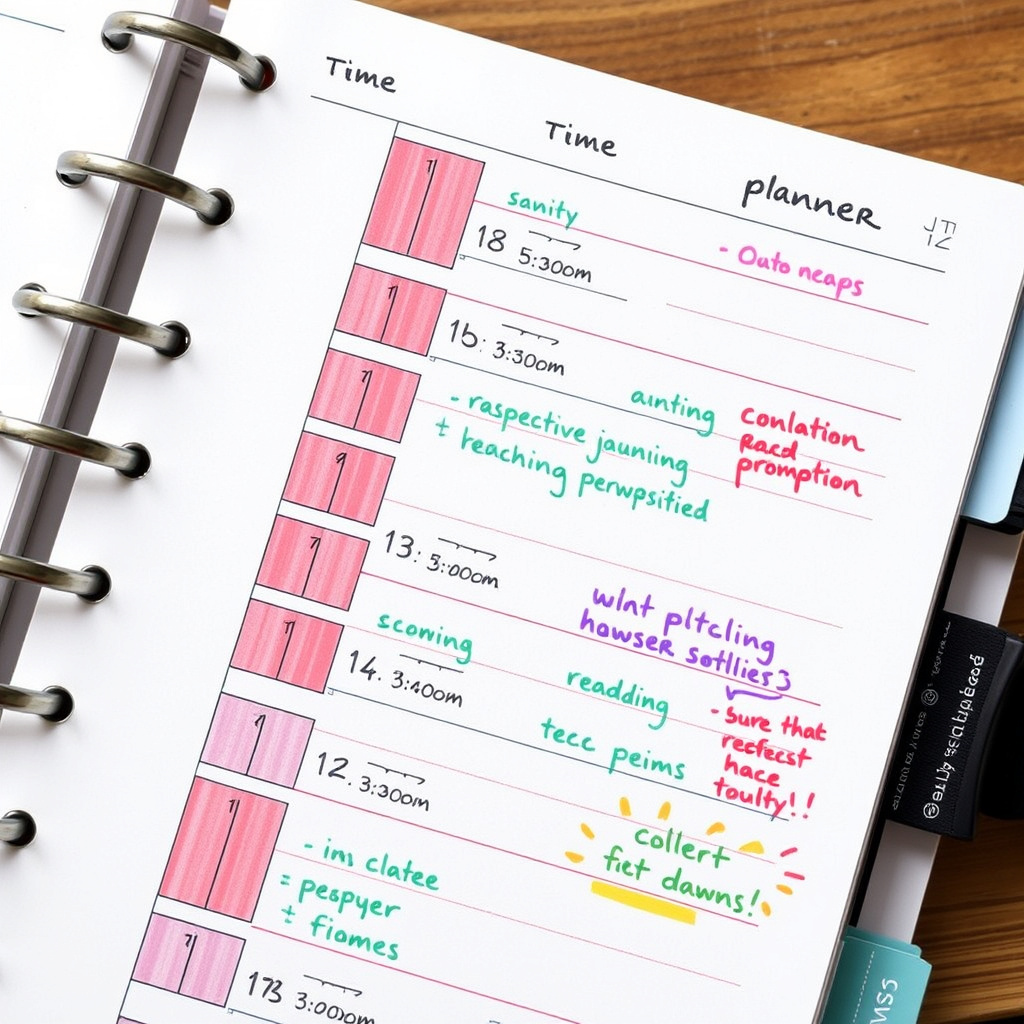
The Pomodoro Technique breaks study sessions into focused 25-minute intervals followed by short 5-minute breaks. This creates urgency and motivates consistent work without feeling overwhelmed, reducing boredom by offering frequent pauses.
After four cycles, take a longer break of 15-30 minutes to recharge. Timing your study blocks helps maintain concentration and prevents burnout.
- 25 minutes focus, 5 minutes rest
- Repeat 4 times then take longer break
- Use timers or apps to track sessions
Planning Study Sessions with Goals
Set clear, achievable goals for each study session to stay motivated and gauge progress. Breaking larger topics into manageable tasks avoids overwhelm and boredom by giving you frequent accomplishments.
Use checklists or digital planners to track what you’ve completed and adjust your schedule based on your learning pace.
- Define specific topics or chapters
- Estimate time needed per task
- Mark tasks completed to visualize progress
Understanding Your Learning Style
Identifying Personal Preferences
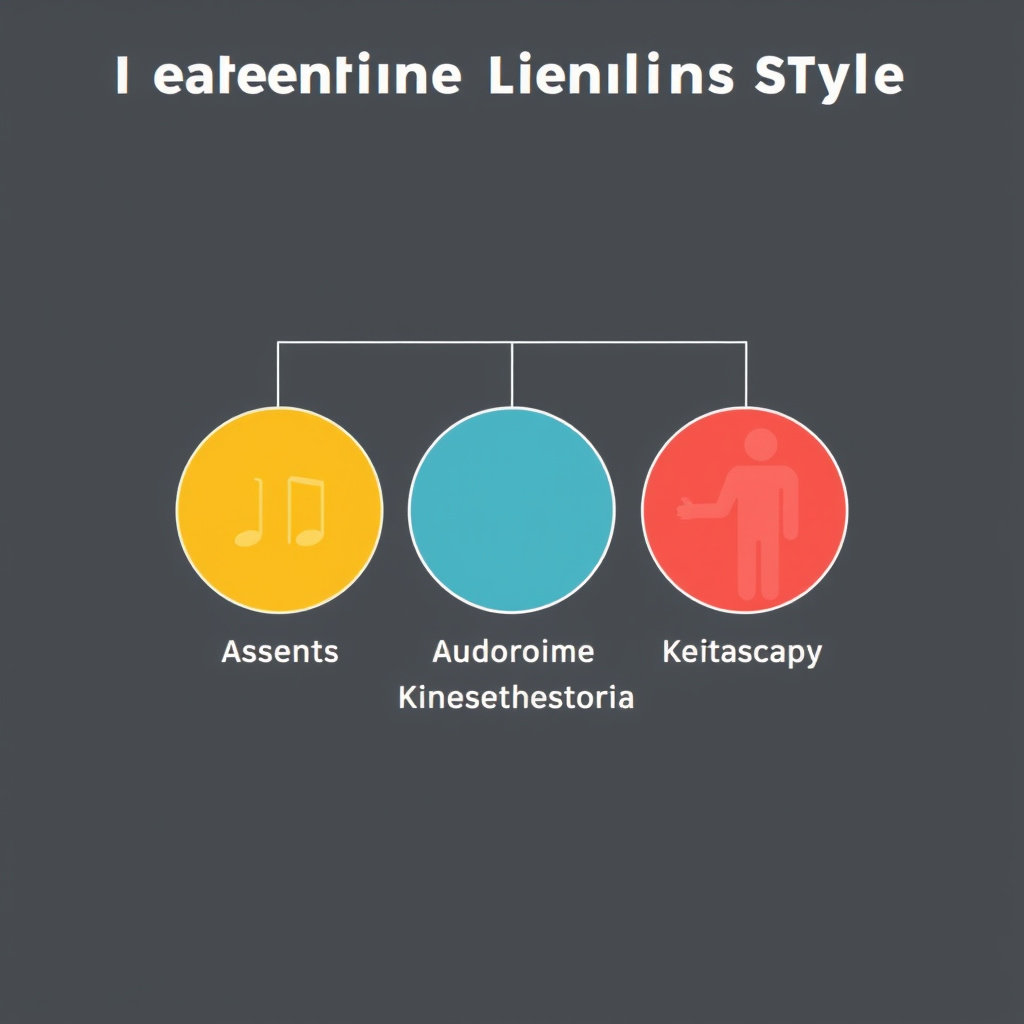
Recognizing whether you learn best through visual aids, listening, or hands-on activities allows you to tailor study methods that hold your interest. For instance, visual learners benefit from charts and color-coded notes, while auditory learners gain from discussions or recordings.
Testing different approaches helps avoid boredom by matching study strategies to your natural tendencies, making the process feel less tedious and more relevant.
- Visual: diagrams, flashcards
- Auditory: lectures, discussions
- Kinesthetic: models, role-play
Adapting Materials to Fit Style
Modify study tools to fit your learning style for better engagement. Visual learners can use infographics and highlight text, auditory learners benefit from reading notes aloud or listening to podcasts, and kinesthetic learners should incorporate movement or building models.
This personalized approach keeps the brain engaged through preferred sensory input, reducing monotony.
- Create mind maps or color codes
- Record and replay notes
- Use physical flashcards or study apps
Incorporating Breaks and Physical Activity

Benefits of Scheduled Breaks
Regular breaks during study sessions prevent mental fatigue and help maintain focus. Short breaks allow your brain to process information and recharge, making subsequent study blocks more productive and less boring.
Taking a few minutes to relax your eyes or stretch can reduce stress and improve alertness, making it easier to return to work with renewed energy.
- Break every 25-30 minutes
- Use breaks for physical movement
- Avoid digital distractions during breaks
Physical Activities to Re-energize
Light exercises like stretching, walking, or yoga during breaks increase blood flow and oxygen to the brain, helping you feel refreshed and attentive. Even a few minutes of activity can reduce boredom caused by sitting too long.
Incorporating regular physical movement in your study routine supports overall brain health and better concentration, complementing study techniques to improve focus.
- Stretch arms, legs, and back
- Take short walks indoors or outdoors
- Practice deep breathing or mindfulness
Using Technology to Support Focus

Focus and Productivity Apps
Several apps help maintain attention by timing study sessions, blocking distracting websites, and tracking progress. Tools like Forest or Focus@Will provide structured environments that encourage sustained focus and reduce boredom.
Such apps often incorporate gamification or rewards, motivating you to keep going and giving a sense of achievement, which counters boredom.
- Pomodoro timers
- Website blockers
- Study tracking apps
For more detailed insights on effective study habits, the Wikipedia page on study skills offers comprehensive information. effective study habits.
Online Study Resources
Utilize online lectures, tutorials, and interactive quizzes to vary your study material. Websites like Khan Academy or Quizlet offer multimedia content that adapts to your pace and style, keeping study sessions dynamic and less repetitive.
Complementing traditional materials with digital resources supports different learning styles and can make studying more enjoyable.
- Video lessons
- Interactive quizzes
- Digital flashcards
Popular Study Method Categories Compared
This table compares common study methods based on engagement level, effectiveness, and suitability for different learning styles.
| Study Method | Engagement Level | Effectiveness | Best For |
|---|---|---|---|
| Flashcards | High | Excellent for memorization | Visual and kinesthetic learners |
| Reading Textbooks | Moderate | Good for deep understanding | Independent learners |
| Watching Videos | High | Effective for complex concepts | Auditory and visual learners |
| Group Study | Varies | Good for discussion and reinforcement | Social learners |
| Practice Quizzes | High | Excellent for self-assessment | All learning styles |
Frequently Asked Questions
How long should I study before taking a break?
Using methods like the Pomodoro Technique, study for 25 minutes followed by a 5-minute break to maintain focus and reduce fatigue effectively.
Can listening to music really help me study without getting bored?
Yes, instrumental or ambient music can improve concentration by masking distractions, but it's best to avoid songs with lyrics to prevent your mind from wandering.
What if I get bored despite changing study methods?
If boredom persists, try incorporating physical activity during breaks, adjusting your study environment, or setting smaller goals to increase motivation and engagement.
How do I find out my learning style?
You can identify your learning style by reflecting on which methods help you retain information best—visual, auditory, or kinesthetic—and experimenting with various study techniques.
Are digital tools essential for avoiding boredom while studying?
Digital tools can enhance focus and engagement by offering varied interaction modes and tracking progress, but they work best when combined with solid study habits and environment.
Key Takeaways
- Vary study methods to keep sessions engaging and prevent boredom.
- Create a dedicated, distraction-free study environment.
- Use time management techniques like the Pomodoro to boost focus.
- Align study approaches with your personal learning style.
Conclusion
Choosing how to study without getting bored relies on combining thoughtful planning with active engagement techniques. Building an environment that supports focus, breaking down study material into manageable chunks, and switching between different learning formats keep your brain attentive and prevent monotony. The main keyword ties into the importance of an active learning approach to maintain interest, ultimately improving retention and productivity.
If you prefer structured timing, methods like the Pomodoro Technique are highly effective. Those who learn best visually should leverage tools like flashcards and diagrams, while auditory learners might benefit from podcasts or reading notes aloud. For kinesthetic learners, incorporating physical movement during breaks or using hands-on study materials can sustain interest. Additionally, mixing these methods with technology, such as focus apps or interactive websites, complements traditional strategies and supports the secondary keyword ‘study techniques to improve focus.’
The next best step is to experiment with the suggested techniques and personalize your study routine based on what keeps you engaged. Whether it’s adjusting your environment, using varied study formats, managing your time well, or aligning with your learning style, these steps pave the way to effective, boredom-free study sessions that lead to academic success.