How to Become a Better Learner: Proven Strategies to Enhance Your Learning Skills
Becoming a better learner involves adopting specific strategies that improve comprehension, retention, and application of new knowledge. By learning how to learn efficiently, you can absorb information faster, solve problems more creatively, and adapt to various challenges with ease. These skills help you excel academically and in everyday life.
Understanding how to become a better learner matters because it supports continuous self-improvement, professional growth, and personal development. As the world evolves, being able to acquire and apply knowledge effectively keeps you competitive and confident in diverse situations.
This article will explore practical methods to sharpen your learning ability, including setting clear goals, optimizing your study environment, applying effective learning techniques, managing time, and using technology to support your growth.
Setting Clear Learning Goals

Defining Specific and Achievable Objectives
Clearly defining what you want to learn helps direct your focus and energy. Goals should be specific, measurable, achievable, relevant, and time-bound (SMART). This clarity prevents wasted effort and increases motivation by giving you a concrete target.
For example, instead of saying 'I want to improve in math,' try 'I want to master algebraic equations within the next two months by practicing daily.' This approach guides your learning process and allows regular progress checks.
- Use SMART criteria for goal setting
- Break large goals into smaller tasks
- Track your progress regularly
Aligning Goals with Personal Interests
When learning topics relate to your interests or career, you’re more likely to stay engaged and absorb the material effectively. Connect your goals to real-world applications or passions to maintain enthusiasm during challenging phases.
For learners struggling with motivation, re-examining why a subject matters to them personally can reignite commitment and make the process feel meaningful and rewarding.
Optimizing Your Study Environment

Creating a Dedicated Learning Space
A designated study area signals your brain that it’s time to focus and learn. Choose a quiet, comfortable space with good lighting and minimal distractions. This consistency helps form positive habits and improves concentration over time.
Ensure that all necessary materials—books, notes, devices—are easily accessible to reduce interruptions and maintain a steady workflow during learning sessions.
- Select a quiet spot with natural light
- Keep your desk organized
- Limit access to distracting devices
Managing Environmental Distractions
Distractions such as phone notifications, background noise, and clutter disrupt focus and retention. Use tools like noise-cancelling headphones or apps to block digital interruptions during study time.
Scheduling breaks between learning sessions also refreshes your mind, reducing cognitive fatigue that can make distractions harder to resist.
- Turn off non-essential notifications
- Use timers to segment study periods
- Maintain a clutter-free workspace
Applying Effective Learning Techniques

Active Recall and Spaced Repetition
Active recall encourages you to actively retrieve information from memory rather than passively rereading notes. Combined with spaced repetition—reviewing material at systematic intervals—it significantly boosts retention.
Utilize flashcards, quizzes, or teach-back methods to practice recalling concepts after increasing time gaps, which strengthens neural connections for long-term learning.
- Use flashcards for testing knowledge
- Schedule reviews over days or weeks
- Self-test instead of passive reading
For more on this, see our related guide: How to Find Effective One on One Tutoring in Doral FL.
Using Visualization and Mnemonics
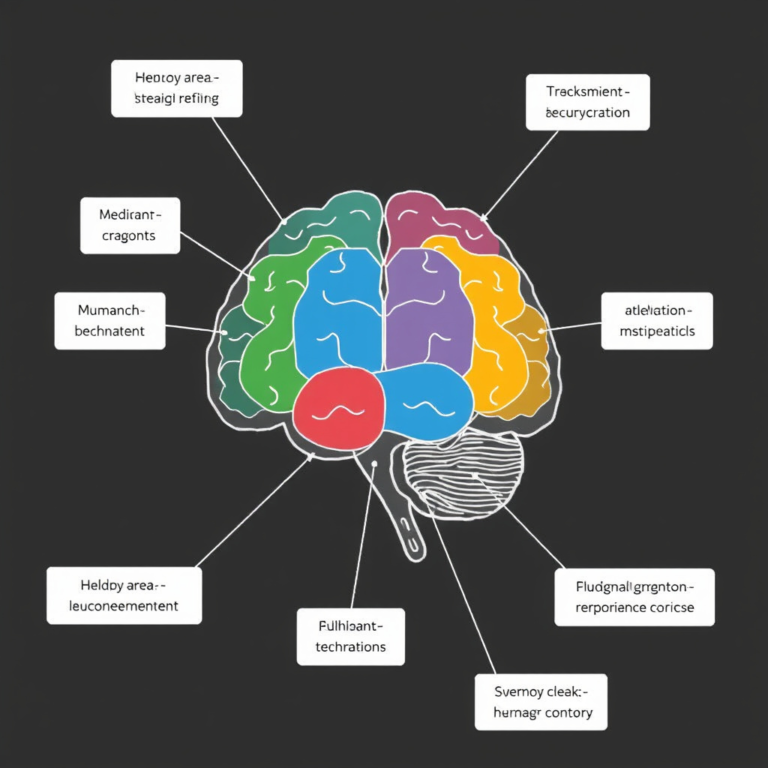
Visualization techniques, like mind mapping and diagrams, help organize complex information into digestible forms. These methods engage different cognitive pathways, aiding understanding and memory.
Mnemonics use acronyms or rhymes to encode data memorably. This creative approach can make lists, formulas, or sequences easier to remember and recall.
- Create charts or concept maps
- Develop memorable acronyms
- Use imagery to connect ideas
Managing Time Wisely for Learning
Establishing Consistent Study Routines
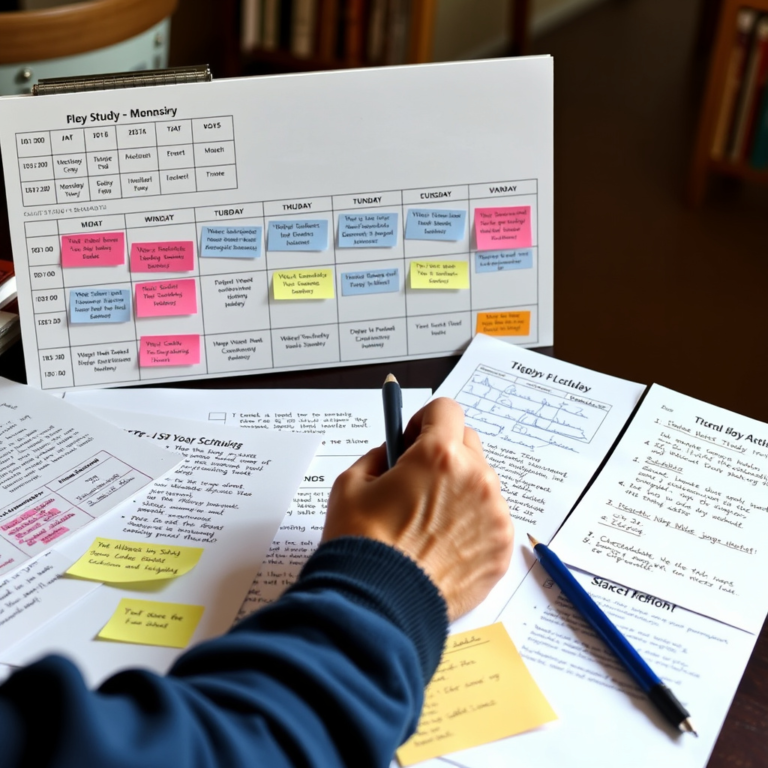
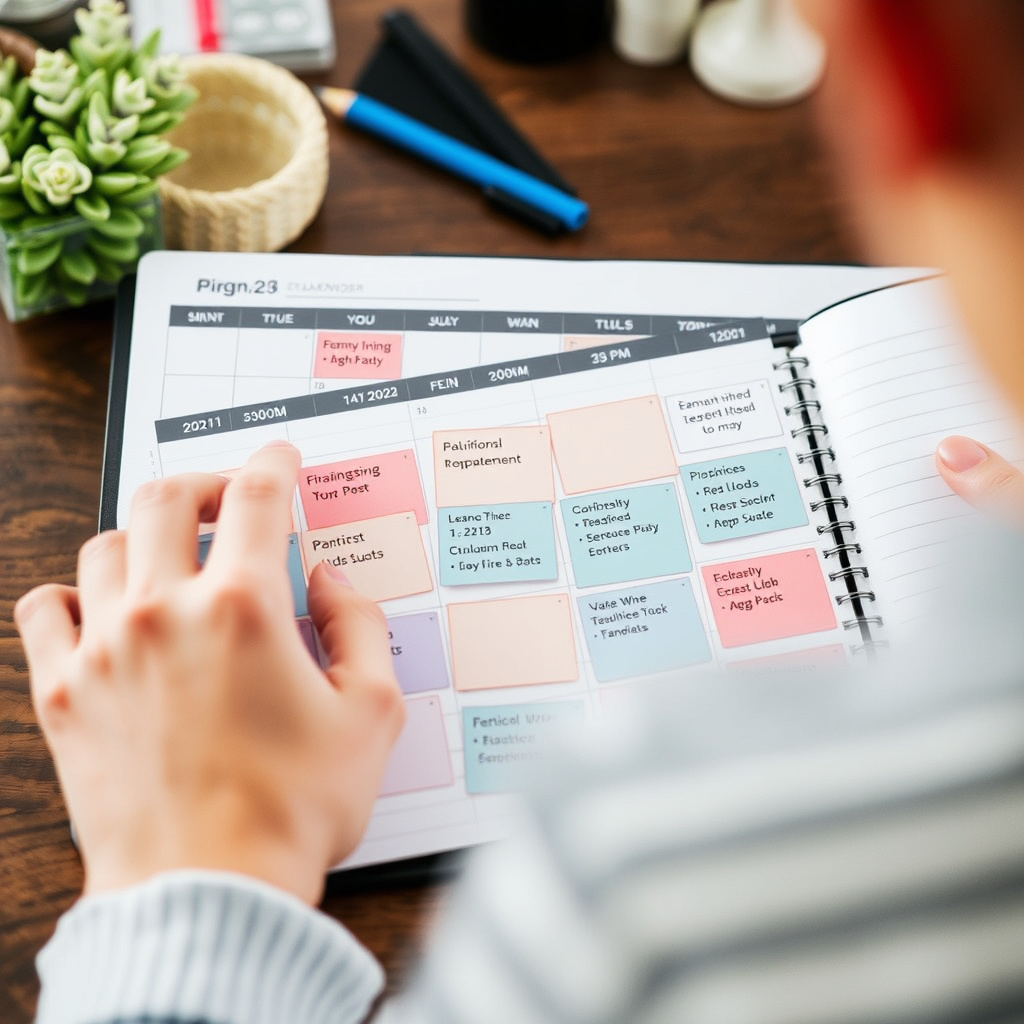
Regular study habits prevent last-minute cramming and help your brain assimilate information gradually. Choose times of day when you feel most alert and focused, and stick to a predictable schedule.
Consistency also builds discipline and reduces procrastination by making learning part of your daily rhythm.
- Set fixed study hours
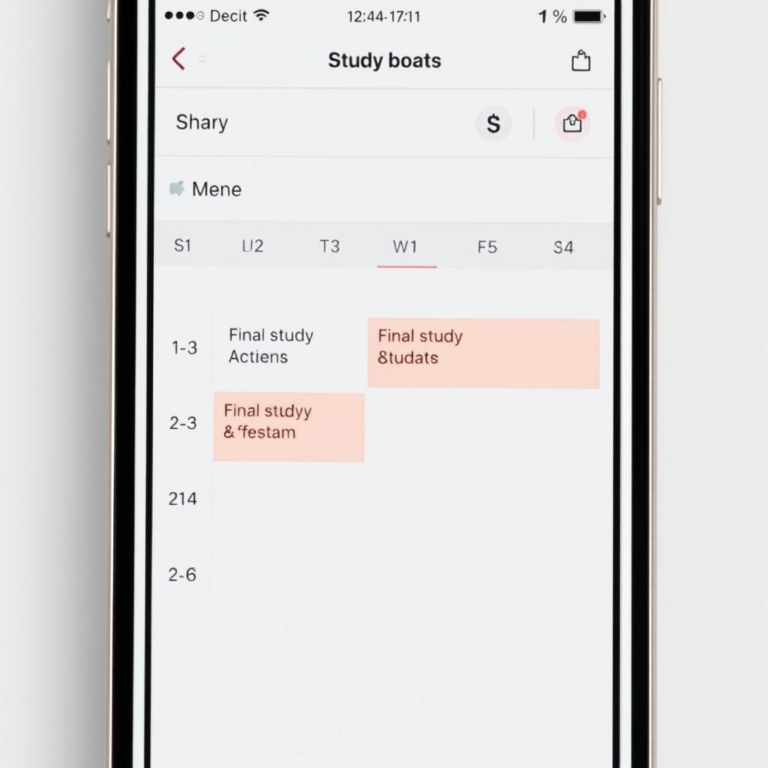
- Use a calendar or planner
- Prioritize high-concentration times
Balancing Study and Rest Periods
Avoid burnout by integrating breaks during study sessions. Techniques like the Pomodoro Method—25 minutes of study followed by 5 minutes of rest—optimize productivity without overwhelming your brain.
Resting allows your neural circuits to recover, consolidating memory and maintaining mental sharpness for longer learning marathons.
- Incorporate short breaks regularly
- Use breaks for light physical activity
- Avoid multitasking during breaks
Leveraging Technology for Better Learning

Using Educational Apps and Platforms
Many apps offer tailored lessons, quizzes, and interactive content that enhance engagement and provide personalized feedback. Platforms like Khan Academy, Coursera, or Quizlet support diverse subjects and learning styles.
They facilitate practice through gamification, community support, and progress tracking, helping learners stay motivated and challenged at the right level.
- Explore courses for skill development
- Use quiz apps for active recall
- Track progress digitally
For more on this, see our related guide: How to Choose an Elementary Math Tutor in Doral FL for Your Child’s Success.
Incorporating Digital Note-taking and Organization
Digital tools like Evernote, OneNote, or Notion allow you to organize notes, create to-do lists, and integrate multimedia resources efficiently. These features streamline review sessions and keep information accessible and well structured.
Cloud syncing across devices makes your study materials available anywhere, supporting flexible learning habits.
- Keep searchable digital notes
- Tag and categorize topics
- Synchronize across devices
Developing a Growth Mindset for Lifelong Learning

Embracing Challenges and Mistakes
Viewing challenges as opportunities to improve rather than obstacles fosters resilience. Accepting mistakes as part of the process encourages experimentation and deeper learning.
This mindset reduces fear of failure and motivates persistent effort, which are critical factors in becoming a better learner.
- See errors as feedback
- Set learning goals beyond comfort zones
- Celebrate incremental progress
For more detailed insights on different learning methods, you can explore this article on learning strategies. learning strategies.
Cultivating Curiosity and Openness
Curiosity drives learners to explore beyond surface knowledge and seek novel perspectives. Keeping an open mind to new ideas and feedback broadens understanding and capability.
Cultivating this attitude transforms learning from a task into an engaging, ongoing journey.
Comparison of Learning Strategies
The following table compares common learning strategy categories based on effectiveness, ease of implementation, and best use cases.
| Strategy Category | Effectiveness | Ease of Implementation | Best For |
|---|---|---|---|
| Active Learning Techniques | High | Moderate | Retention and critical thinking |
| Passive Learning Techniques | Low to Moderate | Easy | Initial exposure and overview |
| Technology-Assisted Learning | High | Moderate to Difficult | Engagement and personalized learning |
| Time Management Focused | Moderate | Easy | Productivity and habit formation |
| Mindset and Motivation Approaches | Moderate to High | Variable | Long-term learner persistence |
Frequently Asked Questions
How long should study sessions be to improve learning?
Study sessions of 25 to 45 minutes with short breaks in between tend to maximize focus and retention, as they prevent cognitive fatigue and maintain concentration throughout the learning process.
Does learning style significantly affect how well I learn?
While preferences exist, research shows that using varied techniques like visual, auditory, and kinesthetic methods together usually enhances understanding more than relying on one style exclusively.
Can multitasking improve learning efficiency?
Multitasking generally hampers focus and retention because it divides attention. Concentrating on one task at a time improves the quality and speed of learning.
Is technology necessary to become a better learner?
Technology can aid learning through access to resources and tools, but fundamental habits like goal setting, consistency, and active engagement remain essential regardless of tools used.
How can I stay motivated when learning gets difficult?
Connecting your goals to personal values, celebrating small successes, and maintaining a growth mindset that embraces challenges as opportunities can help sustain motivation through tough phases.
Key Takeaways
- Define clear, personalized learning goals to guide your efforts.
- Create a distraction-free and organized study environment.
- Use active recall and spaced repetition to boost memory retention.
- Adopt a growth mindset that welcomes challenges and curiosity.
Conclusion
Becoming a better learner centers on purposeful strategies that increase your ability to absorb, retain, and apply knowledge effectively. By focusing on clear goal-setting, a supportive study environment, and proven learning methods, you build a foundation that goes beyond rote memorization toward deeper understanding. Balancing these elements with good time management and an adaptable mindset transforms learning from a chore into a lifelong skill.
If you want practical improvements, start by integrating active recall and spaced repetition alongside consistent scheduling of study sessions. For engaging and personalized instruction, consider technology-assisted tools such as educational apps and digital note-taking. Cultivating a growth mindset ensures you persist through difficulties while maintaining curiosity. Depending on your preferences, a mix of these strategies can be tailored for academic learning, professional skill development, or hobby exploration.
To begin, pick one or two techniques that resonate with you, such as scheduling regular slots for focused study or using flashcards for active recall. Take small steps to organize your environment and minimize distractions. Keep track of your progress and adjust your approach based on what works best. Continually embracing new challenges and reflecting on your learning expands your capability over time. These deliberate habits will make you a more confident, effective learner for any subject or goal.