How to Improve Vocabulary Effectively for Better Communication
Improving vocabulary is about consistently learning and applying new words in daily communication, reading, and writing. The quickest path is to integrate vocabulary-building habits like reading diverse materials, using flashcards, and practicing with word games. This direct approach lets you add meaningful words to your active vocabulary, making your language clearer and more expressive.
A strong vocabulary helps in expressing thoughts precisely and boosts confidence during conversations or writing tasks. When you continually expose yourself to new words and contextually remember them, they become part of your natural speech and writing style.
This article explores various methods on how to improve vocabulary through reading techniques, vocabulary exercises, digital tools, and practical tips to ensure long-term retention, enabling you to communicate more effectively and persuasively.
Reading Strategies to Expand Your Vocabulary
Diverse Reading Materials
Reading a wide range of materials such as fiction, non-fiction, newspapers, and academic articles exposes you to different writing styles and vocabularies. Encountering words in varied contexts helps you understand subtle meanings and correct usage.
Consistently reading challenging content, even if unfamiliar words appear, encourages active learning by motivating you to look up meanings and apply them later in your own sentences.
Contextual Learning
Understanding new words through surrounding context is an effective learning method. Instead of memorizing isolated definitions, find clues within sentences to grasp intended meanings, making retention easier.
Practicing to guess meanings and confirming with a dictionary strengthens your ability to infer vocabulary independently, which accelerates learning and enriches your language skills.
Practical Vocabulary Exercises

Using Flashcards for Repetition
Flashcards are a reliable tool to reinforce new words through spaced repetition. Writing down words with definitions and example sentences on cards helps move them from short-term memory to long-term storage.
Reviewing these flashcards regularly reduces forgetting and builds stronger recall during real conversations or writing tasks.
- Create your own flashcards for personalized learning
- Include synonyms and antonyms for better understanding
- Practice daily for five to ten minutes
Engaging with Word Games
Playing word games like crosswords, Scrabble, or vocabulary apps can make learning enjoyable and less tedious. These games challenge you to recall and apply words actively, which improves retention.
Regularly participating in word games expands your vocabulary range subtly while keeping your motivation high.
Leveraging Technology for Vocabulary Growth
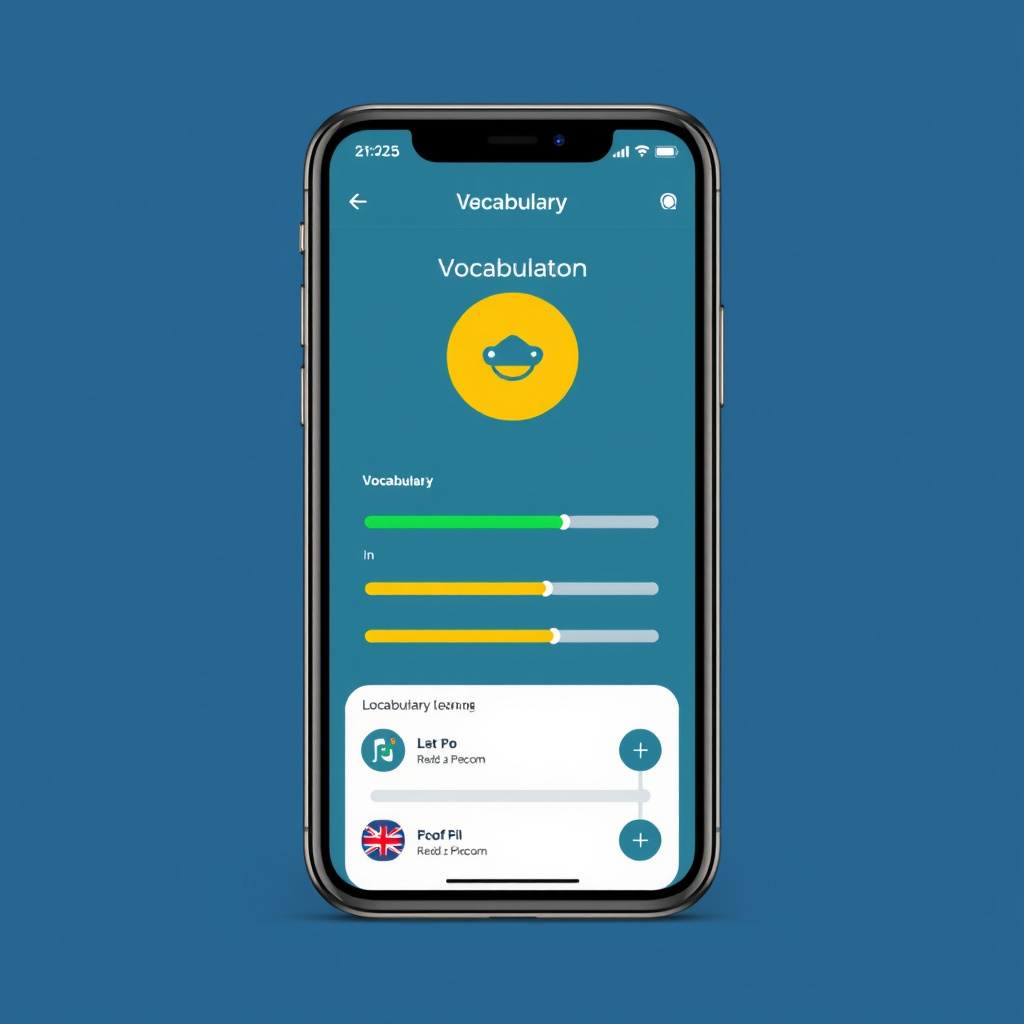
Vocabulary Learning Apps
Mobile apps designed for vocabulary building often feature interactive exercises, quizzes, and personalized word lists. These tools cater to your learning pace, helping target frequent vocabulary weaknesses.
Using such applications daily integrates vocabulary improvement into your routine effortlessly by providing reminders and progress tracking.
For more on this, see our related guide: How to Choose the Best Test Preparation Tutor in Doral FL for Effective Results.
Online Dictionaries and Thesauruses
Digital dictionaries offer instant word definitions, pronunciations, and example sentences. Thesauruses can help you find synonyms and antonyms to understand nuances and broaden word choice.
Exploring these resources during writing or reading sessions expands your vocabulary comprehension and use in context.
Incorporating New Words into Daily Life

Writing and Speaking Practice
Regularly using new words in writing or speaking cements them in your memory. Compose sentences, journal entries, or engage in conversations where you challenge yourself to apply recently learned vocabulary.
Intentional usage helps connect meanings with personal experience, making word recall natural and conversational.
Keeping a Vocabulary Journal
Maintaining a dedicated notebook for new words allows consistent review and reflection. Include definitions, example sentences, and notes about where you encountered each word.
This journal becomes a personalized vocabulary resource that enhances both retention and motivation to continue learning.
Understanding Word Roots and Etymology

Benefits of Learning Roots and Affixes
Knowing common roots, prefixes, and suffixes unlocks meanings of multiple related words simultaneously. This knowledge provides clues about unfamiliar words and enriches your vocabulary faster.
For instance, understanding 'bene-' means 'good' helps with words like beneficial, benevolent, or benefactor.
- Enhances guessing skills for new vocabulary
- Improves spelling and pronunciation
- Increases word recognition speed
For more on this, see our related guide: How to Choose a Reading Comprehension Tutor That Boosts Your Skills.
Exploring Word Histories
Tracking the etymology of words offers insight into their original meanings and how they've evolved. This deep understanding can make learning memorable and meaningful.
Resources like etymology dictionaries or websites can help you discover these histories for words that catch your interest.
Common Mistakes to Avoid While Building Vocabulary

Avoiding Passive Recognition Only
Recognizing words when reading or listening isn't enough for vocabulary growth. You need to actively use new words in speech or writing to make them part of your functional vocabulary.
Failing to do so can result in forgetting words or not recalling them when needed, limiting practical communication skills.
For more detailed information on vocabulary improvement techniques, you can visit this comprehensive article. vocabulary improvement techniques.
Not Overloading Your Learning Sessions
Trying to memorize too many words at once can overwhelm your memory capacity and reduce retention. Spaced repetition with manageable word sets improves long-term memorization.
Balancing quality with quantity is essential; two or three words learned thoroughly are better than dozens forgotten quickly.
- Set daily word goals realistically
- Review previously learned words consistently
Vocabulary Building Methods Comparison
Here’s a comparison of popular vocabulary improvement methods by effectiveness, convenience, and learner engagement.
| Method | Effectiveness | Convenience | Engagement |
|---|---|---|---|
| Reading Diverse Materials | High | Moderate | Moderate |
| Flashcards / Spaced Repetition | High | High | Moderate |
| Vocabulary Apps | Moderate | High | High |
| Word Games | Moderate | Moderate | High |
| Learning Roots and Etymology | High | Low | Low |
Frequently Asked Questions
How often should I practice to improve my vocabulary?
Consistent daily practice of even 10-15 minutes is effective. Frequent exposure and review help cement new words over time without causing burnout.
Can reading alone improve vocabulary fast enough?
Reading exposes you to new words but combining it with active usage like writing or speaking accelerates vocabulary development significantly.
Are vocabulary apps suitable for all learning levels?
Many apps offer adjustable difficulty and personalized learning paths, making them useful for beginners through advanced learners.
Is it better to learn vocabulary by themes or mixed words?
Learning thematically can build related knowledge quickly, but mixing words from different contexts challenges memory and improves adaptability.
How does understanding word roots help in vocabulary learning?
Knowing roots and affixes lets you decode multiple related words at once, reducing the need to memorize each word separately.
Key Takeaways
- Combine active usage with passive learning for best vocabulary gains
- Regular reading and flashcard review reinforce long-term retention
- Vocabulary apps and word games increase engagement and convenience
- Understanding roots enhances word decoding and memory
Conclusion
Improving vocabulary requires a balanced approach that involves consistent practice, exposure to new words in context, and active application. Start by reading widely and making a point to note unfamiliar words. Use tools like flashcards and apps to reinforce learning, while also trying to incorporate words into your writing and conversations. By combining multiple methods tailored to your preferences, you build a practical and lasting vocabulary.
Different strategies suit different needs. For fast expansion, engaging with diverse reading materials and leveraging flashcards is effective. If you prefer interactive and game-like learning, vocabulary apps and word games bring fun to vocabulary building. For a deeper understanding, studying word roots and etymology can reveal meaningful patterns among words. Choosing methods aligned with your lifestyle and goals increases your chances of consistent progress.
Begin your vocabulary enhancement today by selecting one or two techniques mentioned in this guide that resonate with you. Track your progress regularly and adjust your routine as needed. Remember, vocabulary growth is a gradual process, but with dedication and smart habits, you will notice improvement in your communication clarity and confidence.