How to Help Your Child with Homework: Effective Strategies and Tips
Helping your child with homework means creating a consistent environment that encourages focus and confidence while guiding them through challenges steadily. It’s about offering the right kind of support without taking over, so they develop independence alongside understanding the subject matter. Establishing routines and clear expectations early on sets the stage for better homework habits and fewer daily struggles.
Children often find homework overwhelming due to distractions, unclear instructions, or gaps in prior knowledge. When parents engage positively, they not only assist with assignments but also boost motivation and reinforce skills learned at school. Recognizing your child’s unique learning style can make the difference between frustration and progress during homework time.
This article covers practical approaches to homework support, including setting up a productive study space, managing time well, understanding when and how to intervene, and using helpful resources. We also compare different parental roles from being a guide to a motivator and share answers to common concerns about balancing assistance with independence.
Creating a Productive Homework Environment

Designing a Calm and Organized Space
Choose a quiet area in your home with ample lighting and comfortable seating to help your child focus. Clear away unnecessary toys, gadgets, and clutter that might cause distraction. Keeping supplies like pencils, erasers, and notebooks nearby encourages efficiency during work sessions.
Consistency is key; having a designated homework spot signals your child when it’s time to concentrate, making the transition easier each day. This environment fosters concentration and builds a habit that reduces resistance to starting assignments.
- Quiet corner with good lighting
- Organized supply storage
- Comfortable seating
- Minimal distractions
Setting Up a Homework Schedule
A regular homework timetable helps your child balance schoolwork with leisure. Discuss with them to settle on times when their energy is highest, usually early afternoon or right after a break. Allow short, planned breaks to prevent burnout.
Use visual planners or digital calendars to track assignments and deadlines together. This not only aids time management but also fosters a sense of responsibility, reinforcing the routine as a shared goal rather than a chore.
- Set specific daily homework hours
- Include regular short breaks
- Track deadlines with a planner
- Adjust timing to your child’s energy levels
Guiding Your Child Through Homework Challenges

Knowing When to Step In and When to Step Back
Support means helping your child think through problems without giving them answers directly. Ask probing questions to encourage reasoning or help break down complex tasks into manageable steps. Over-helping can hinder learning independence.
If frustration builds, suggest a short pause or switch to a different homework subject to reset focus. Recognize when your child might need extra support from teachers or tutors rather than parental assistance alone.
- Use questions instead of answers
- Help break down tasks
- Encourage short breaks to reduce frustration
- Know when to seek external help
For more on this, see our related guide: How to Get Effective Math Homework Help Fast and Easily.
Communicating with Teachers for Better Support
Establish regular communication with your child's teachers to understand expectations and areas where your child struggles. Teachers can offer insights, recommend resources, or adjust homework to better suit your child’s pace.
Sharing updates on homework difficulties can lead to more tailored support plans and helps avoid misunderstandings about your child’s needs, creating a constructive link between home and school.
- Attend parent-teacher meetings
- Request feedback on homework progress
- Ask about additional resources
- Inform teachers about learning hurdles
Techniques to Motivate and Encourage Your Child
Using Positive Reinforcement
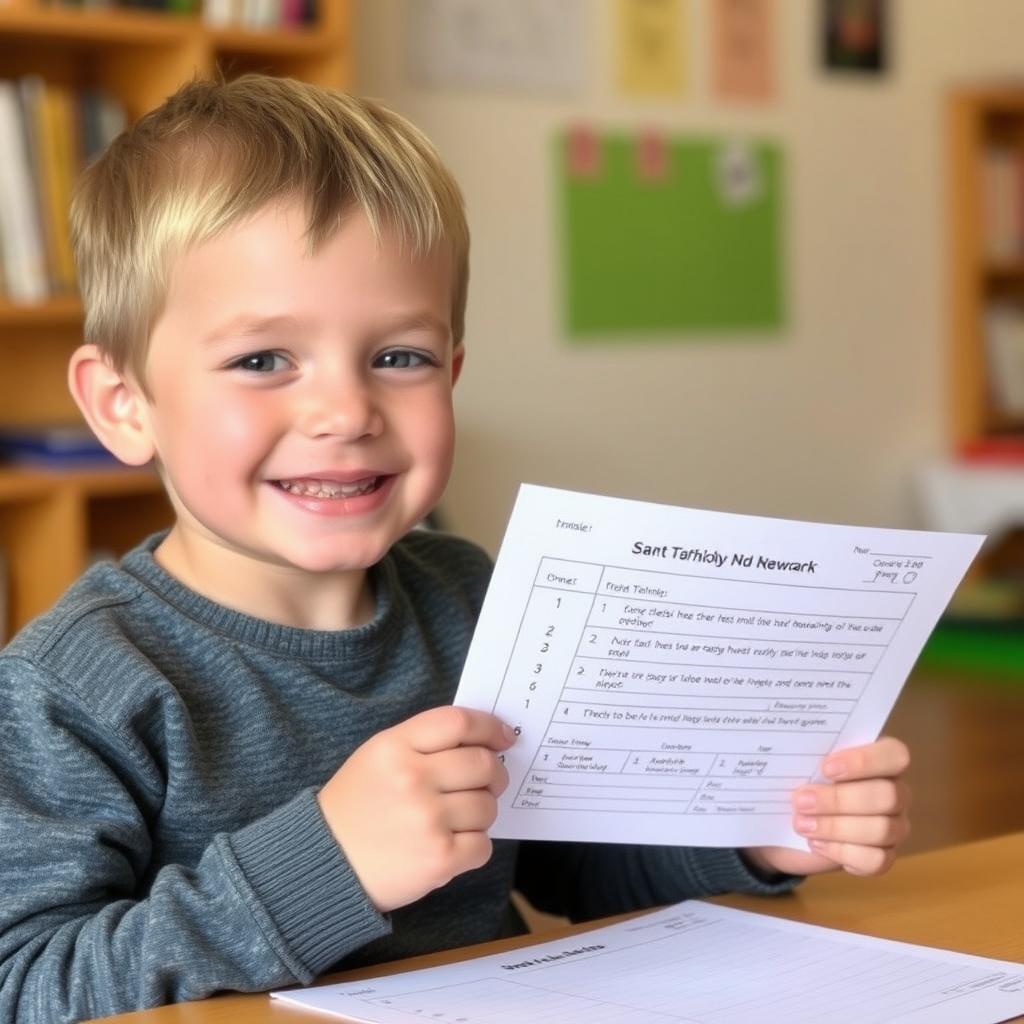
Praise effort and persistence rather than just correct answers. Acknowledging your child’s hard work builds confidence and motivates continued progress even when tasks feel challenging.
Celebrate small successes with rewards like extra playtime or a favorite activity to keep motivation high. The goal is to reinforce the value of trying and learning, not just final results.
- Focus on effort and progress
- Offer praise promptly
- Use small rewards appropriately
- Encourage a growth mindset
Incorporating Interests and Fun
Where possible, connect homework topics to your child’s hobbies or favorite subjects to increase engagement. For example, use sports statistics for math practice or drawing for story summaries.
Gamify certain tasks, like timed quizzes or challenge rounds, to make homework sessions more interactive. These methods reduce boredom and help embed learning through enjoyment.
- Relate tasks to hobbies
- Use educational games and apps
- Turn learning into challenges or competitions
- Mix creative activities with study
Practical Tools and Resources for Homework Help
Utilizing Digital Learning Tools
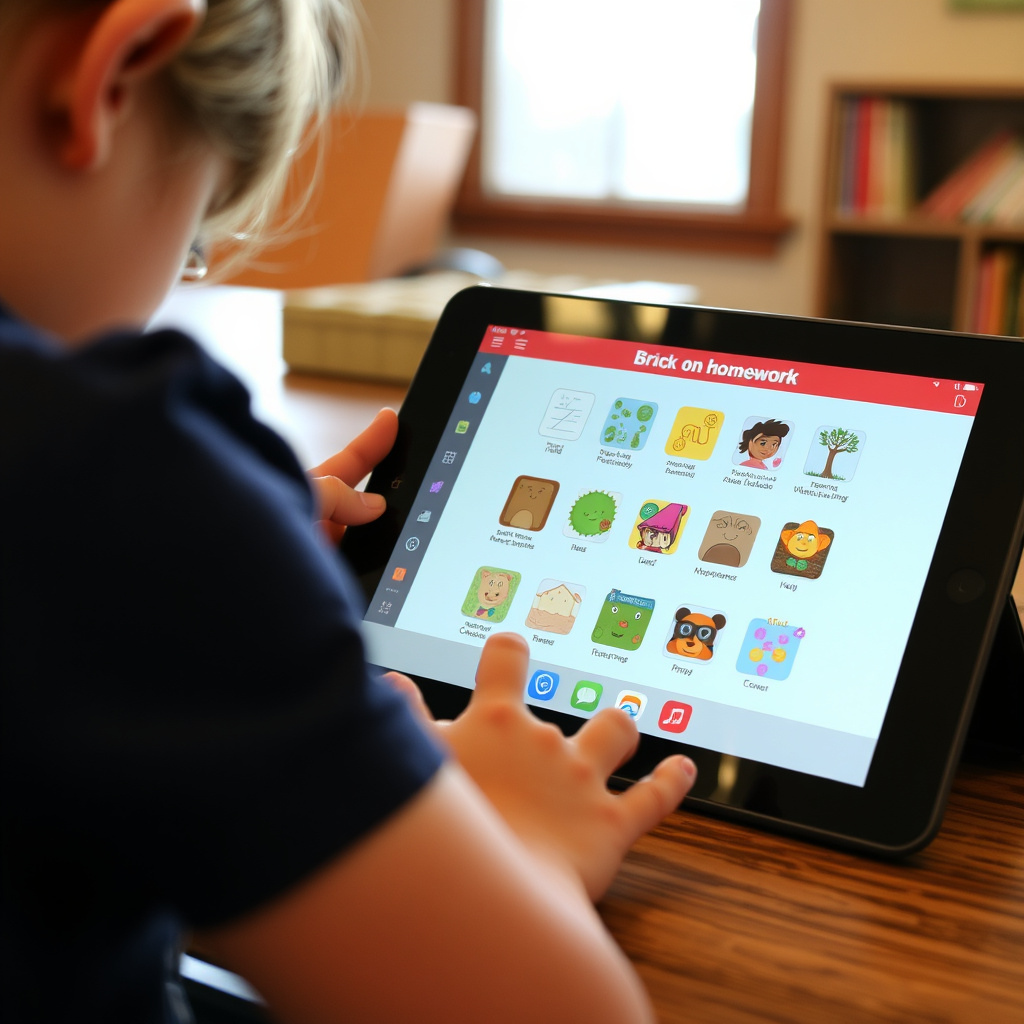
Interactive apps and websites offer explanations, practice exercises, and instant feedback which complement traditional homework help. Tools like Khan Academy or educational games can reinforce concepts outside of school hours.
Ensure these resources are reliable and match your child’s grade level to avoid confusion and frustration. Limit screen time during homework to maintain focus.
- Explore curriculum-aligned apps
- Use tutorials for difficult subjects
- Set time limits for digital use
- Monitor content quality
For more on this, see our related guide: Effective Homework Help Tips for Students in Doral FL.
Organizing Physical Study Aids
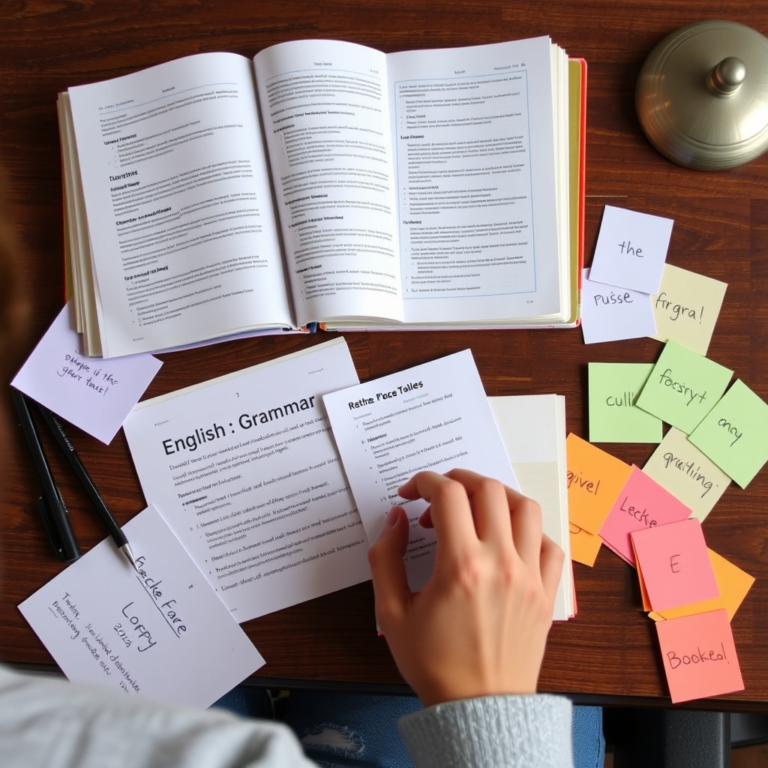
Flashcards, workbooks, and colorful charts can visually support memory and understanding. Use these aids to review key concepts, vocabulary, or formulas regularly.
Having a labeled folder for homework and notes keeps papers organized and reduces the chance of lost assignments, streamlining study time.
- Prepare flashcards and charts
- Use subject-specific workbooks
- Maintain a tidy homework folder
- Review study aids periodically
Balancing Independence and Support in Homework

Encouraging Self-Reliance Gradually
Encourage children to attempt assignments independently before seeking help to build problem-solving skills. Offer to review completed work instead of guiding each step to foster responsibility.
Gradual reduction of direct assistance helps children gain confidence and better prepares them for exams or projects where parental support isn’t available.
- Promote first tries alone
- Review and discuss homework together
- Praise autonomous thinking
- Set clear expectations for self-work
For additional advice and strategies on homework help, you can visit the homework guidance from the National PTA. homework guidance from the National PTA.
Recognizing When More Help Is Needed
If persistent difficulties arise despite parental efforts, or homework causes anxiety, consider arranging professional help such as tutoring or learning evaluations. This supports the child without overburdening the family.
Early intervention can address underlying issues and prevent long-term academic challenges, keeping homework a manageable part of daily learning.
- Watch for ongoing frustration
- Assess if tasks exceed your child’s level
- Consult teachers or specialists
- Explore tutoring options
Homework Parent Support Styles Comparison
This table compares common approaches parents take to assisting children with homework based on involvement level and impact.
| Support Style | Description | Benefits | Potential Drawbacks |
|---|---|---|---|
| Hands-on Instructor | Parent actively teaches each assignment step | Immediate guidance and clarity | May reduce child's independence and problem-solving |
| Motivator | Parent encourages and praises effort without direct instruction | Builds confidence and persistence | Child might struggle without clear help on tough tasks |
| Resource Provider | Parent supplies tools and contacts tutors but lets child manage work | Promotes self-reliance and resourcefulness | Child could feel unsupported if challenges arise |
| Observer | Parent monitors progress and checks completed homework | Encourages accountability and oversight | Limited direct help may hinder skill development |
Frequently Asked Questions
How much homework help should I give my child?
Aim to guide rather than do the homework for your child. Help them understand tasks and provide encouragement, but let them complete the work independently to develop their skills.
What if my child refuses to do homework?
Establish clear routines and expectations, break tasks into smaller parts, and find ways to make homework more engaging. Communicate with teachers if resistance continues.
Are digital tools effective for homework help?
Yes, reputable apps and online resources can enhance understanding and practice, but they should complement—not replace—direct parental support and offline study.
How do I handle homework in subjects I find difficult?
Focus on helping with organization and motivation rather than content. Seek tutoring or teacher support for subjects outside your expertise.
Is it okay to reward my child for completing homework?
Small rewards and positive reinforcement can motivate children, but it’s best to emphasize effort and learning over just finishing homework.
Key Takeaways
- Create a dedicated, distraction-free homework area
- Balance support with encouraging your child’s independence
- Use positive reinforcement to boost motivation
- Leverage tools and maintain communication with teachers
Conclusion
Helping your child with homework requires a thoughtful balance between providing support and encouraging independence. By designing a consistent, distraction-minimized environment and setting predictable routines, you set a strong foundation for productive study habits. Understanding when to step in with guidance versus encouraging problem-solving keeps your child engaged without becoming reliant on parental answers. Open communication with teachers enriches this approach by aligning home assistance with classroom expectations.
Different styles of homework help suit varying children’s needs. For example, a hands-on approach works best with younger students or when new concepts are introduced, while older children often benefit more from motivational encouragement and resource access. Incorporating educational apps or workbooks can complement parental support, especially for children who respond well to interactive learning. Meanwhile, recognizing signs of struggle early allows prompt intervention through tutoring or specialized help, ensuring your child does not fall behind or develop frustration around homework.
Ultimately, the goal is to help your child become a confident, independent learner who views homework as a helpful part of their education rather than a burden. Start by creating a focused study space, establish homework routines that suit your child’s habits, and maintain open dialogue about challenges and progress. With patience and persistence, you can transform homework time into an opportunity for growth and positive learning experiences.