How to Improve Academic Skills Effectively: A Practical Guide
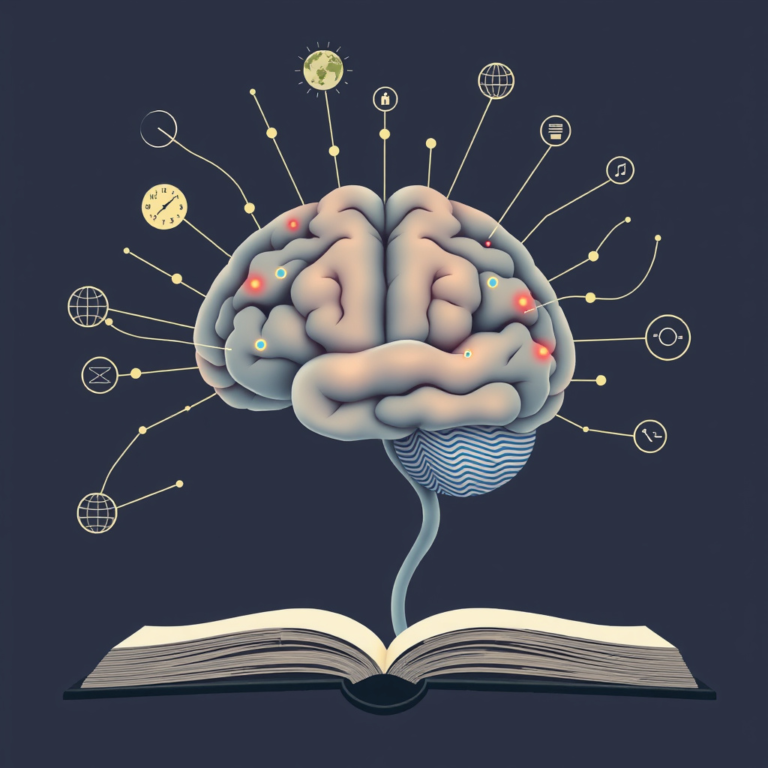
Improving academic skills starts with understanding what areas need development, such as reading comprehension, writing, critical thinking, and time management. By targeting these specific skills and practicing regularly, students can enhance their overall academic performance substantially.
Academic skills are the foundation for success in school and higher education because they impact how well you absorb material, express ideas, and manage the demands of coursework. Building these skills early not only helps with current studies but also prepares you for lifelong learning and problem-solving.
This article covers essential methods on how to improve academic skills, including practical techniques for studying smarter, refining writing and reading abilities, managing time effectively, and maintaining focus. We'll explore various strategies you can implement immediately to boost your learning outcomes.
Enhancing Reading and Comprehension Skills

Active Reading Techniques
Active reading encourages engagement with the text through questioning, summarizing, and annotating. This approach helps retain information and understand complex materials more clearly.
Using strategies like highlighting key points and writing margin notes fosters deeper comprehension, making it easier to recall content during exams and discussions.
- Preview chapters before reading
- Ask questions like why and how
- Summarize sections in your own words
Improving Vocabulary and Context Understanding
Building a strong academic vocabulary allows you to grasp subject-specific terminology and improves the clarity of your reading and writing. Regularly learning new words and their applications helps with overall comprehension.
Using context clues and word roots can aid in understanding unfamiliar terms without constant dictionary use, speeding up reading and keeping focus intact.
- Keep a vocabulary journal
- Use flashcards for new terms
- Practice with subject-specific texts daily
Developing Writing and Communication Skills

Structuring Essays and Reports
A well-structured essay has a clear introduction, body paragraphs with supporting evidence, and a concise conclusion. This logical order helps readers follow your arguments and strengthens your academic writing.
Outlining your ideas before writing can prevent rambling and improves coherence. This planning step is vital for producing focused and impactful assignments.
- Create thesis statements
- Use topic sentences to start paragraphs
- Include examples to support claims
For more on this, see our related guide: How to Choose a Reading Comprehension Tutor That Boosts Your Skills.
Improving Grammar and Style
Grammar accuracy and clear sentence construction are cornerstones of credible academic work. Reviewing common grammar rules and seeking feedback can greatly reduce errors.
Adopting an active voice and varying sentence structure makes your writing more engaging and easier to understand, which reflects well on your command of the subject.
- Use grammar checking tools
- Read academic papers for style references
- Practice editing your own drafts
Mastering Time Management and Study Planning
Creating Realistic Study Schedules
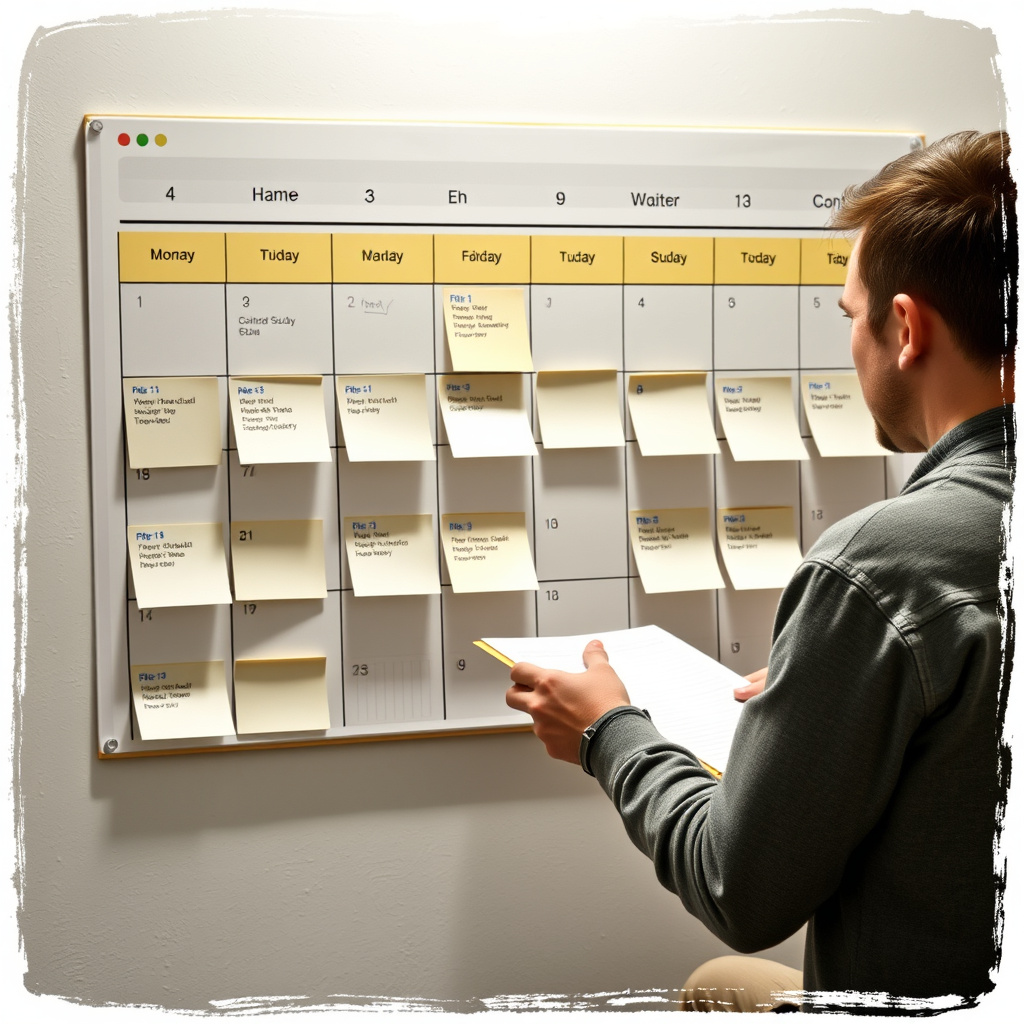
Effective time management begins with setting a consistent study routine that divides tasks into manageable sections. Allocating specific times for subjects prevents last-minute cramming.
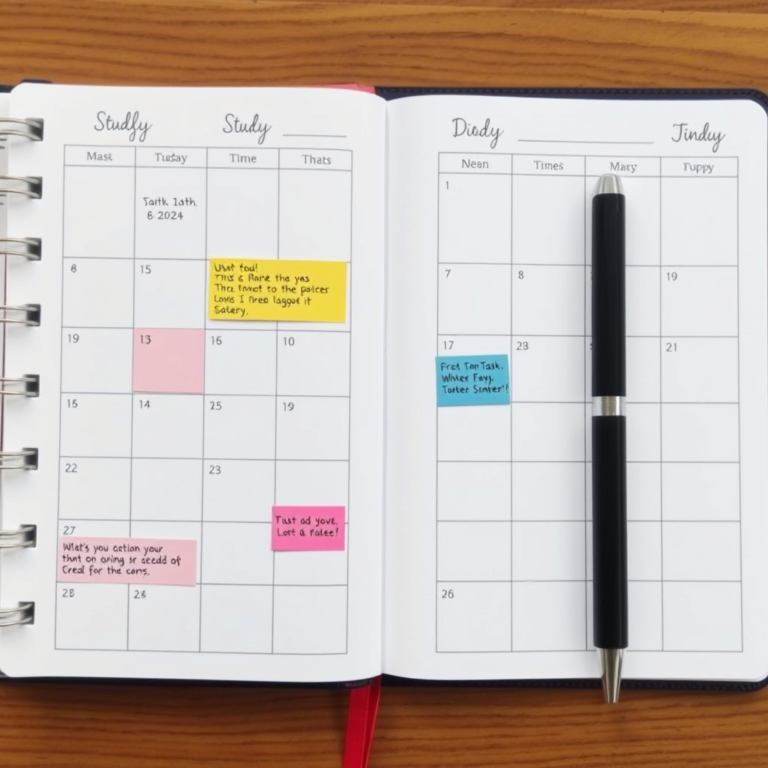
Using planners or digital apps to schedule study sessions and deadlines ensures accountability and reduces stress during busy academic periods.
- Break large projects into smaller goals
- Set daily and weekly priorities
- Include regular breaks to maintain focus
Avoiding Procrastination and Staying Motivated
Identifying distractions and breaking tasks into approachable steps helps combat procrastination. Motivation can be maintained by setting clear rewards and reminding yourself of academic goals.
Techniques such as the Pomodoro method foster productivity by alternating focused work periods with short rest times.
- Limit social media during study times
- Use timers for focused work sessions
- Reward progress with breaks or treats
Enhancing Critical Thinking and Problem Solving

Developing Analytical Skills
Critical thinking involves questioning assumptions and evaluating evidence systematically. Practicing analysis of case studies and experiments sharpens this skill.
Engaging in discussions and debates encourages viewing problems from multiple angles, making your reasoning stronger and more flexible.
- Practice comparing different viewpoints
- Apply logic frameworks like cause-effect
- Engage with puzzles and brain teasers
For more on this, see our related guide: How to Choose the Best Test Preparation Tutor in Doral FL for Effective Results.
Applying Problem-Solving Techniques
Problem-solving in academics requires breaking down complex questions into smaller parts and applying formulas or theories appropriately.
Structured approaches such as defining the problem clearly, brainstorming solutions, and evaluating outcomes improve academic results significantly.
- Identify the core problem first
- List all possible solutions
- Evaluate pros and cons systematically
Utilizing Technology and Resources for Academic Improvement

Educational Software and Apps
Various apps support learning by offering practice quizzes, flashcards, and writing assistance. Tools like citation generators and grammar checkers reduce tedious tasks, letting you focus on content.
Choosing software tailored to your subject area enhances understanding and keeps study sessions engaging.
- Use apps like Quizlet for memorization
- Try grammar tools like Grammarly
- Explore specialized math or science platforms
For a broader understanding of academic skills, the academic skills Wikipedia article offers detailed background and related concepts. academic skills Wikipedia article.
Leveraging Library and Online Research
Accessing credible academic journals, books, and databases is vital for in-depth research and supporting your assignments. Learning how to search and evaluate sources improves research quality.
Combining online materials with physical library resources broadens knowledge and ensures diverse perspectives.
- Use Google Scholar effectively
- Check university library catalogs
- Verify credibility of sources before citing
Types of Academic Skills and Their Benefits
Here’s a comparison to highlight different academic skills, how they contribute to learning, and when to focus on developing them most.
| Academic Skill | Primary Benefit | Best For | Development Time |
|---|---|---|---|
| Reading Comprehension | Improves understanding of material | All subjects, especially humanities | Ongoing practice |
| Writing Skills | Enhances communication and argument clarity | Essays, reports, presentations | Moderate (weeks to months) |
| Time Management | Boosts productivity and reduces stress | Exam preparation and deadlines | Short to medium term |
| Critical Thinking | Develops problem-solving and decision-making | Science, social sciences, debates | Long term |
| Research Skills | Enables evidence-backed assignments | Term papers, projects | Moderate to long term |
Frequently Asked Questions
How can I improve my concentration during study sessions?
Set a quiet environment free from distractions, use time management techniques like the Pomodoro method, and take regular short breaks to keep your mind fresh.
What’s the best way to improve my academic writing?
Practice planning essays with clear outlines, seek feedback from teachers or peers, and review grammar rules regularly to refine your style and correctness.
Are there tools to help with vocabulary building?
Yes, vocabulary apps, flashcards, and reading diverse academic texts help expand your word knowledge and improve comprehension steadily.
How do I manage multiple assignments and deadlines effectively?
Create a prioritized schedule using planners or digital apps to track assignments, break tasks into smaller steps, and avoid procrastination by sticking to study blocks.
Is critical thinking necessary for all academic fields?
Critical thinking benefits every subject by improving analysis and problem-solving skills, promoting deeper understanding and clearer reasoning.
Key Takeaways
- Focus on developing reading, writing, time management, and critical thinking skills.
- Use active techniques and tools like apps and planners to enhance learning efficiency.
- Practice regularly and seek feedback for continuous academic improvement.
- Applying problem-solving strategies helps in diverse academic challenges.
Conclusion
Choosing how to improve academic skills begins by identifying which areas most affect your current performance. Whether it's enhancing reading comprehension or managing your time better, understanding your learning needs simplifies the approach. Balanced development across skills leads to consistent academic progress and greater confidence in handling coursework.
For practical application, students struggling with coursework might prioritize time management techniques and writing skills, while those aiming for deeper understanding should focus on improving reading strategies and critical thinking. Utilizing educational apps and credible research sources complements skill-building, providing diverse support adapted to different learning preferences.
Taking the first step means committing to actionable habits—setting study schedules, practicing writing with clear structures, and consistently applying active reading methods. Regular reflection and adapting techniques based on feedback ensure steady improvement. Over time, these efforts culminate in stronger academic performance and prepare students for future educational challenges.