How to Learn Fractions Easily: A Complete Guide for Beginners
Learning fractions begins with grasping what a fraction represents: a part of a whole. You start by recognizing the numerator and denominator, understanding how they define a fraction’s size, and engaging with simple fraction examples like 1/2 or 3/4. This direct approach allows you to confidently identify and work with fractions from the outset.
Many students struggle with fractions because they seem abstract, but seeing fractions in everyday contexts—like slicing a pizza or dividing a set of objects—can make them tangible. Learning fractions matters because they form the foundation for advanced math topics, such as ratios, decimals, and percentages, used frequently in real life and academics.
This article covers fundamental techniques to learn fractions, including visual aids, practice strategies, understanding fraction operations like addition and multiplication, and how to simplify and compare fractions confidently. By following these steps, you will solidify your fraction skills effectively.
Understanding Fraction Basics
What Is a Fraction?
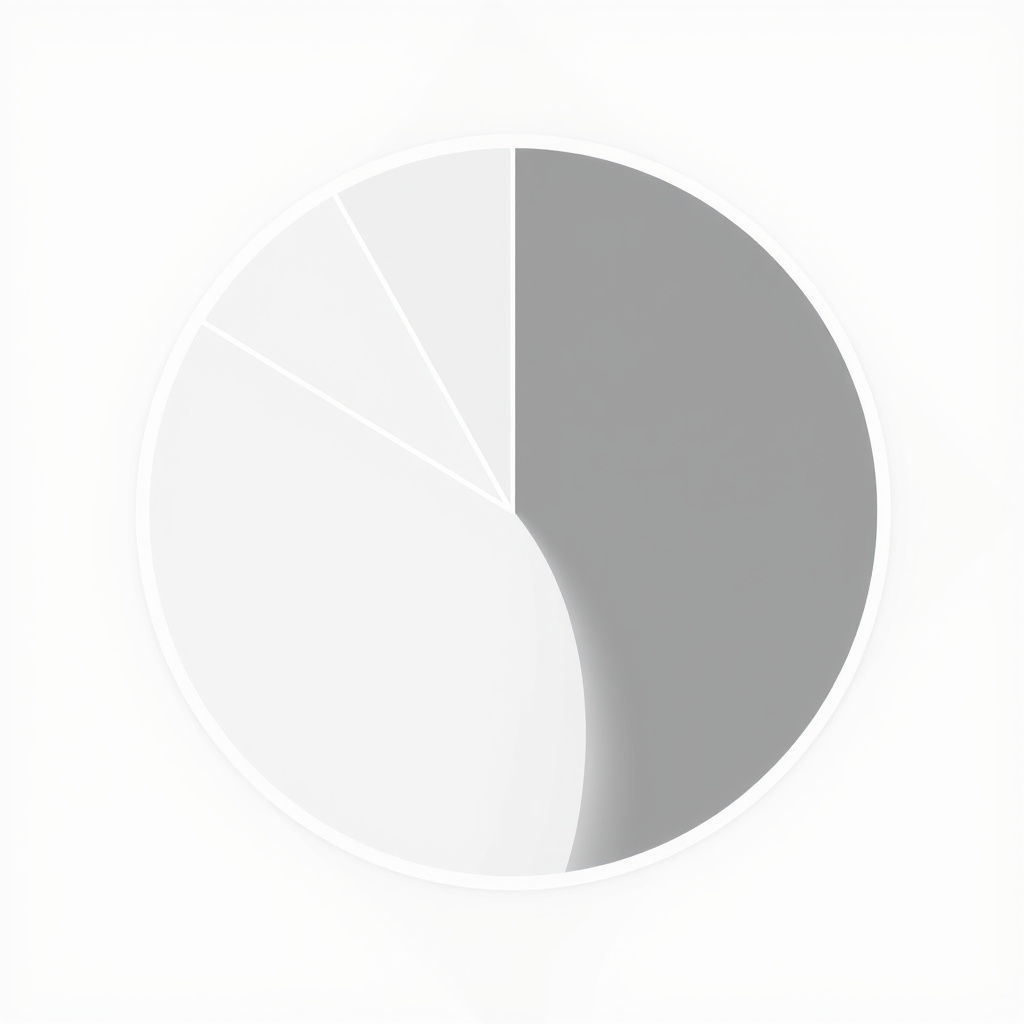
A fraction represents a part of a whole or a collection. It consists of two numbers: the numerator, which is the count of parts considered, and the denominator, which is the total number of equal parts. For example, 3/4 means three parts out of four equal parts are taken.
Recognizing fractions in daily life helps build an intuitive understanding. Fractions appear when dividing food, measuring ingredients, or dealing with time, making the abstract concept more relatable.
Types of Fractions
Fractions come in several types: proper fractions where the numerator is less than the denominator (like 2/5), improper fractions with numerators greater or equal to denominators (like 7/4), and mixed numbers that combine whole numbers with proper fractions (like 1 3/4).
Understanding these types helps with converting between forms and applying operations correctly.
Visualizing Fractions for Better Understanding
Using Visual Models
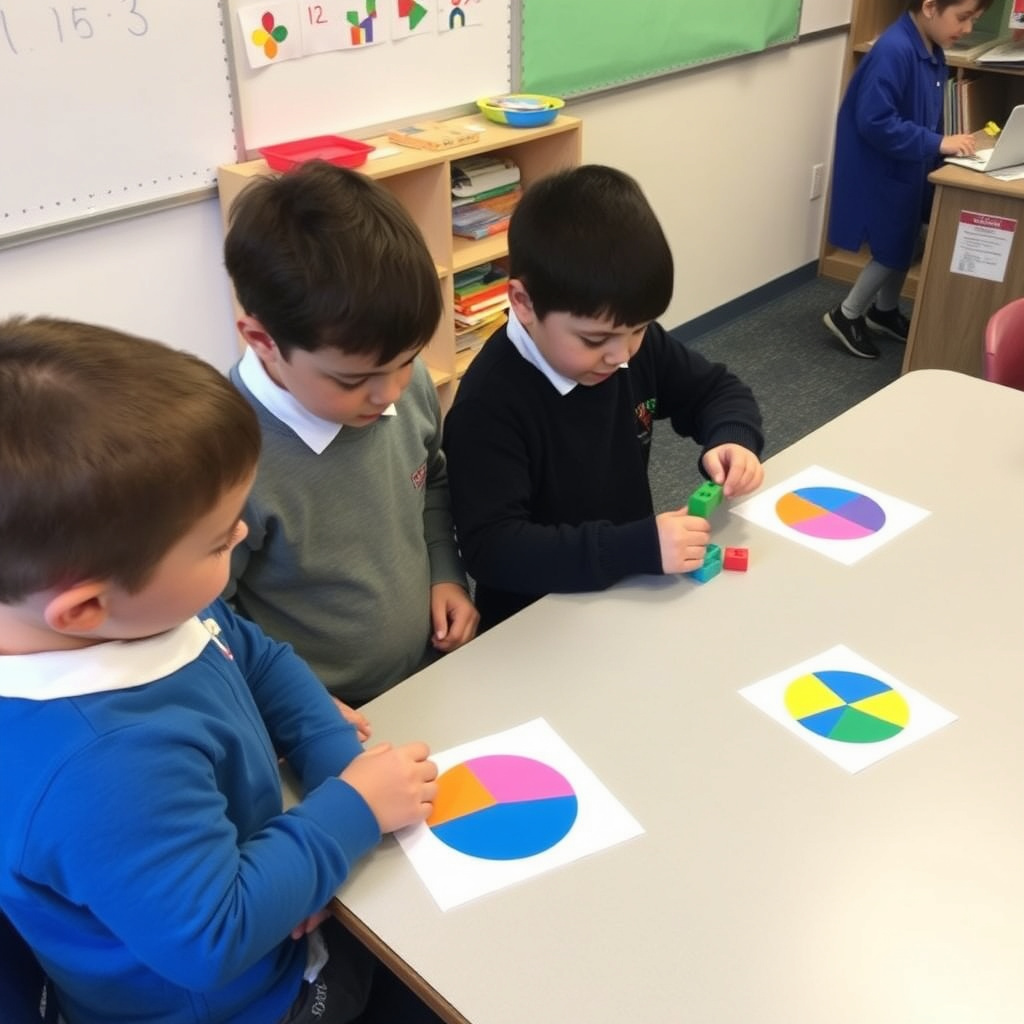
Visual models like fraction circles, bars, or blocks concretely show how fractions represent parts of a whole. These tools enable you to see equal divisions and how fractions compare by shading or arranging pieces.
Employing color-coded fraction strips or drawing divided shapes enhances comprehension by linking numeric fractions to tangible images.
- Fraction circles
- Fraction bars
- Shape shading
- Interactive apps
Real-Life Fraction Examples
Using relatable examples such as sharing a pizza or dividing a chocolate bar helps connect fraction concepts to everyday experiences. When you visually cut objects into equal parts, fractions become easier to grasp.
Incorporating real-world applications makes the learning personal and memorable.
Mastering Fraction Operations
Adding and Subtracting Fractions
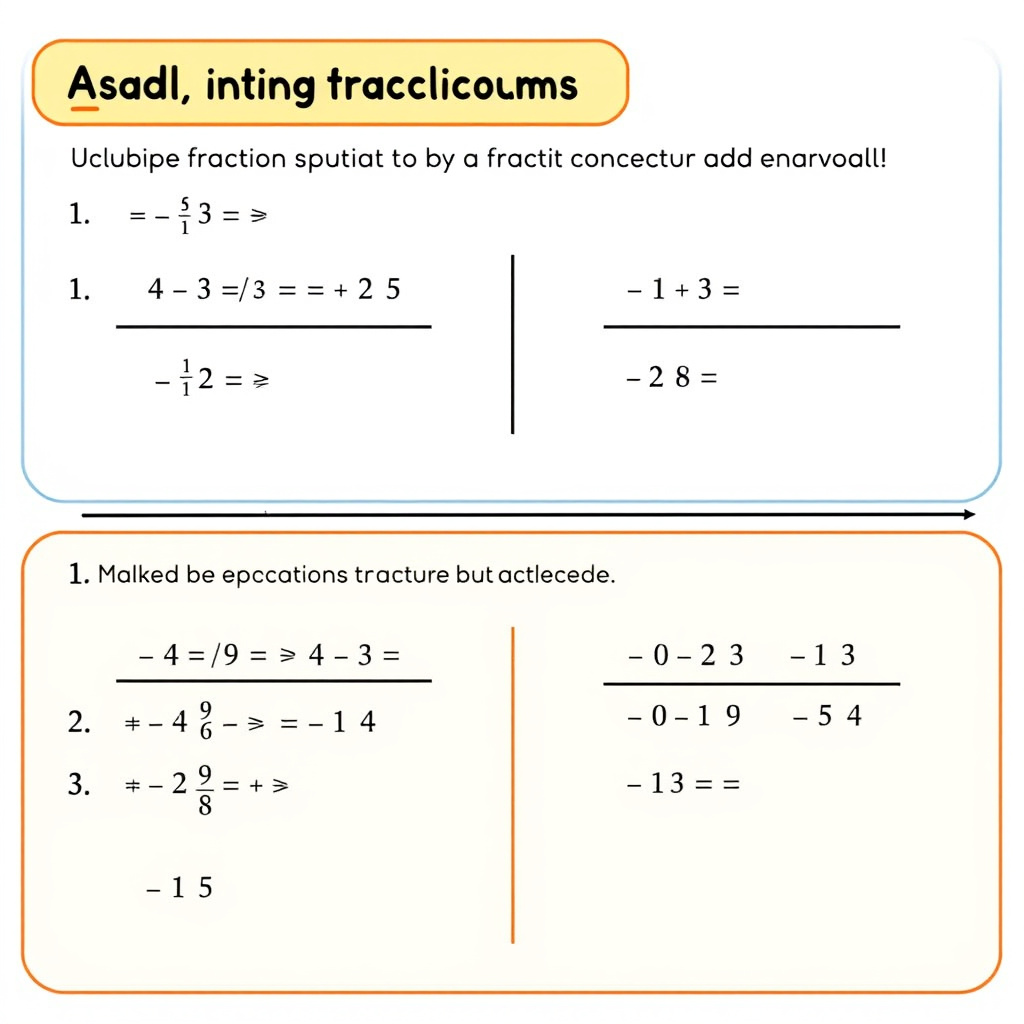
To add or subtract fractions with the same denominator, simply add or subtract the numerators and keep the denominator. When denominators differ, find the least common denominator (LCD) to convert fractions before performing operations.
Practice these steps with examples like 1/3 + 2/3 = 3/3, and 1/4 + 1/6 by converting to LCD (12), making it 3/12 + 2/12 = 5/12.
For more on this, see our related guide: How to Choose an Elementary Math Tutor in Doral FL for Your Child’s Success.
Multiplying and Dividing Fractions
Multiply fractions by multiplying their numerators and denominators directly. For division, multiply the first fraction by the reciprocal of the second. For instance, 2/3 × 3/4 = 6/12 = 1/2, and 2/3 ÷ 3/4 = 2/3 × 4/3 = 8/9.
These operations are straightforward with practice and help with solving more complex problems.
Simplifying and Comparing Fractions
How to Simplify Fractions
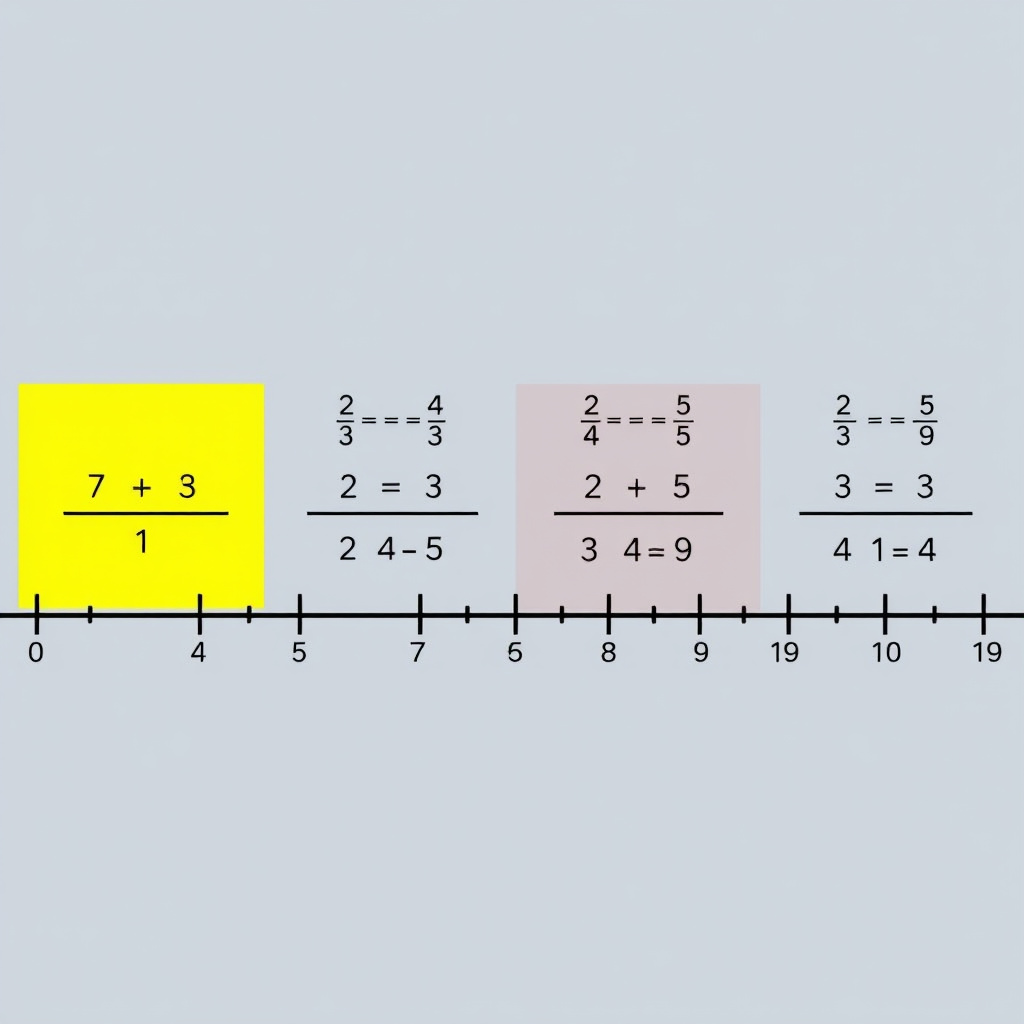
Simplifying fractions means reducing them to their lowest terms by dividing numerator and denominator by their greatest common divisor (GCD). For example, 8/12 simplifies to 2/3 by dividing both by 4.
Reducing fractions makes them easier to understand and work with for further math operations.
- Identify the GCD
- Divide numerator and denominator
- Verify simplest form
Comparing Fraction Sizes
When comparing fractions with the same denominator, the one with the larger numerator is greater. For differing denominators, convert both fractions to have the same denominator or convert them to decimals to compare.
Using visual number lines or fraction bars also helps intuitively determine which fraction is larger.
Practice Methods to Learn Fractions
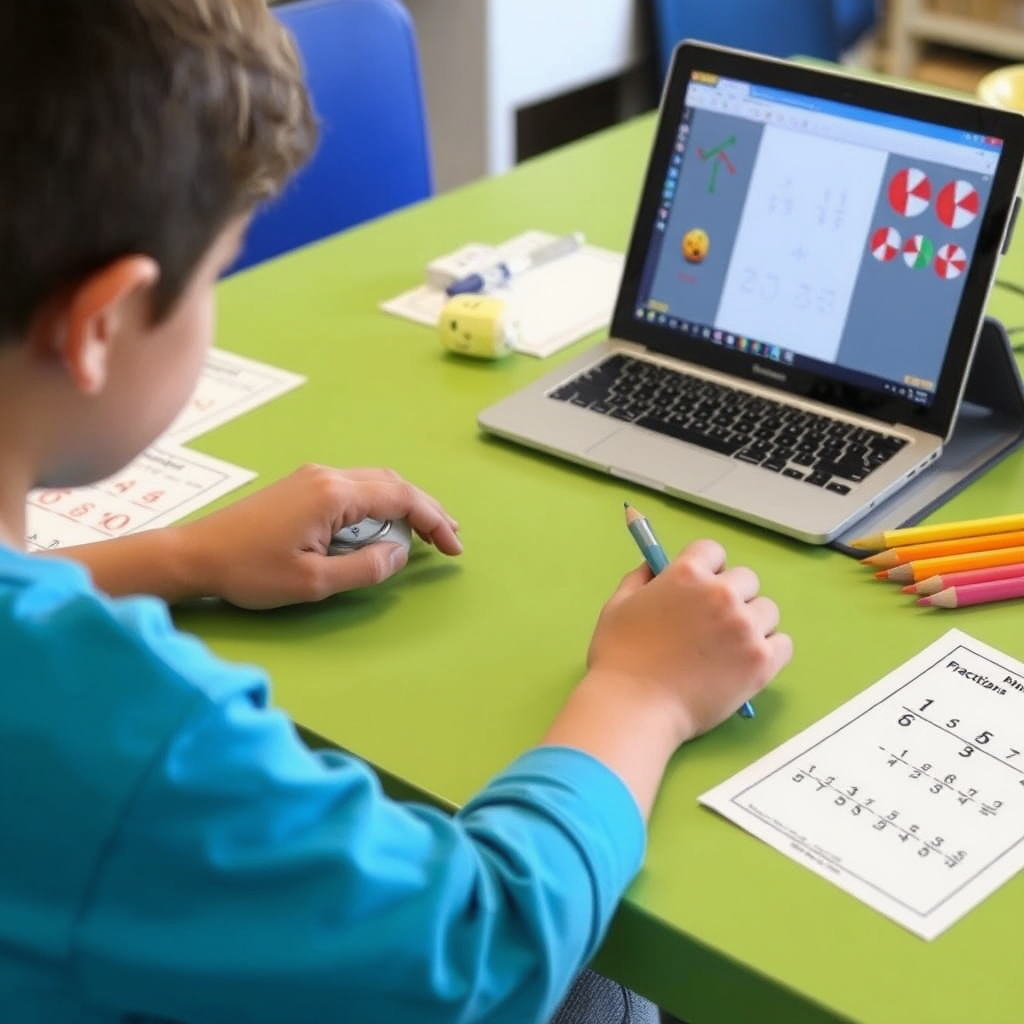
Using Worksheets and Exercises
Frequent practice with worksheets focused on fraction problems strengthens understanding. Exercises should include identifying fractions, basic operations, simplifying, and word problems.
Gradually increasing difficulty builds confidence and prepares for advanced math topics.
- Fraction identification
- Addition and subtraction
- Multiplication and division
- Simplification tasks
Interactive Tools and Games
Online games and apps designed around fractions offer engaging ways to practice understanding fraction concepts. Immediate feedback and visual interaction support learning effectively.
Using these digital resources alongside traditional methods caters to diverse learning styles.
- Fraction matching games
- Interactive fraction quizzes
- Visual fraction puzzles
Applying Fractions in Daily Life and Advanced Math
Everyday Fraction Uses
Fractions appear in cooking measurements, budgeting money, and understanding time. Confidently handling fractions in these contexts improves daily problem-solving skills and practical numeracy.
Measuring half a cup or dividing a bill among friends applies fraction concepts naturally.
For a more detailed explanation on the mathematics of fractions, visit the Fraction – Wikipedia page. Fraction – Wikipedia.
Fractions in Higher Math
A solid grasp of fractions paves the way for learning decimals, percentages, ratios, and algebraic expressions. These advanced topics use fractions extensively, so mastering fraction basics benefits future studies.
Developing this foundation early makes math progression smoother and less intimidating.
Comparison of Fraction Learning Tools
This table compares common methods and tools for learning fractions based on effectiveness, user engagement, and accessibility.
| Tool Type | Effectiveness | User Engagement | Accessibility |
|---|---|---|---|
| Worksheets | High | Moderate | Widely Available |
| Visual Models | High | High | Moderate |
| Interactive Apps | Moderate | High | Requires Device |
| Real-Life Practice | Moderate | High | Universal Access |
| Tutoring Sessions | Very High | High | Cost and Schedule Dependent |
Frequently Asked Questions
What is the best way to start learning fractions?
Begin by understanding what fractions represent, focusing on numerator and denominator, and using visual aids like fraction circles for clear, concrete examples.
How can I make adding fractions easier?
Find a common denominator for the fractions before adding. For like denominators, simply add the numerators while keeping the denominator unchanged.
Why do I need to simplify fractions?
Simplifying fractions reduces them to their simplest form, making them easier to understand and work with in calculations and comparisons.
Can fractions help with learning percentages?
Yes, fractions are closely related to percentages. Understanding fraction concepts helps convert and interpret percentages accurately.
Are visual tools important for learning fractions?
Visual tools help by showing fractions as parts of a whole, making abstract numbers tangible and easier to comprehend.
Key Takeaways
- Fractions represent parts of a whole with a numerator and denominator.
- Visual aids and real-life examples improve understanding of fractions.
- Mastering fraction operations involves finding common denominators and using reciprocals.
- Practice through worksheets and interactive tools strengthens fraction skills.
Conclusion
Approaching how to learn fractions requires patience and consistent practice. By breaking down fractions into understandable parts and engaging with both visual and practical methods, learners develop a firm grasp of fraction concepts. This understanding is essential, as fractions serve as a building block for a broad range of mathematical topics and everyday situations.
Specific scenarios, such as starting with basic fraction identification and gradually advancing to operations and simplification, help guide learning effectively. Using resources like worksheets, visual fraction models, and interactive apps accommodates different learning styles, enhancing retention. For example, visualizing fractions through pie charts aids initial comprehension, while solving addition or multiplication problems builds operational fluency.
For anyone looking to improve their fraction skills, a good next step is combining consistent practice with exploring real-world applications. Cooking recipes, budgeting, or small projects using measurements present great opportunities to apply fraction knowledge actively. These steps will make mastering fractions feel more natural and useful, moving beyond theory into practical everyday use.