How to Improve Comprehension: Effective Strategies for Better Understanding
Improving comprehension means enhancing your ability to understand, interpret, and remember information from text, conversation, or any form of communication. To improve comprehension, focus on active reading, vocabulary development, and asking questions about the material as you engage with it.
Strong comprehension skills are essential for academic success and everyday tasks alike. When you grasp the meaning behind words and concepts, learning becomes more efficient and enjoyable. Comprehension also affects how well you communicate your own ideas and absorb new knowledge.
This article will explore techniques including active reading practices, memory aids, and effective study habits. We'll cover how to adjust your approach based on the type of material and your personal learning style to help you achieve deeper and faster understanding.
Understanding the Foundations of Comprehension
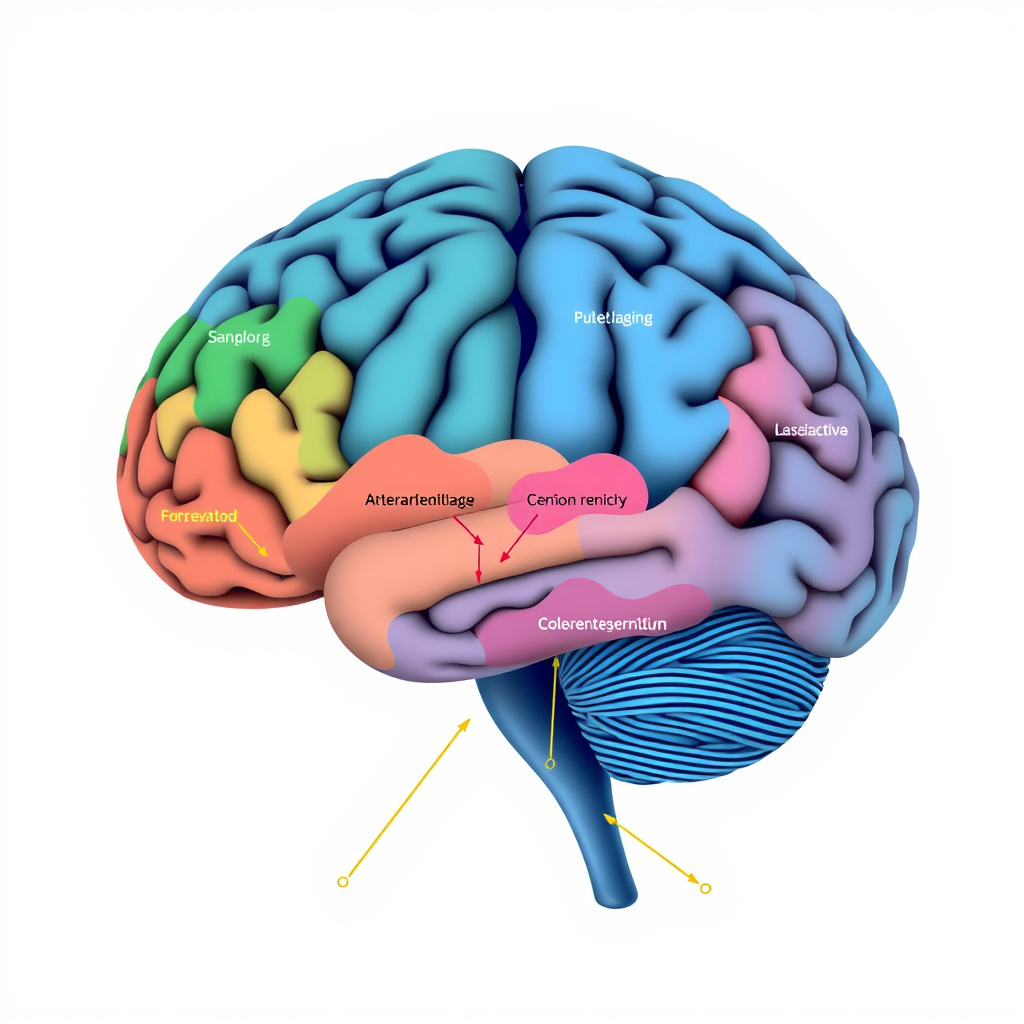
What Does Comprehension Involve?
Comprehension involves decoding words and sentences and then connecting them to existing knowledge to form meaning. It includes recognizing vocabulary, syntactic structures, and grasping context clues that influence interpretation.
Cognitive processes like attention, working memory, and inference are critical. Without these, simple decoding turns into shallow reading where the deeper message or nuances are lost.
The Role of Vocabulary in Comprehension
A broad vocabulary allows you to recognize and interpret words quickly, which is fundamental to improving comprehension. When you know the meaning of words without hesitation, you can focus on the larger ideas and logical connections.
Learning new words in context and reviewing them periodically helps reinforce memory and usage, which increases your comprehension speed and accuracy.
- Use flashcards with example sentences
- Engage with varied reading materials
- Learn prefixes, suffixes, and roots
Active Reading Techniques to Improve Comprehension

Annotating and Questioning the Text
Annotating involves marking key points, unfamiliar terms, and insights directly on the text. This engages your brain and makes the reading process interactive, which strengthens understanding.
Asking questions such as "What is the main idea?" or "Why did the author include this detail?" encourages critical thinking and helps you connect facts to conclusions.
- Underline or highlight main ideas
- Write marginal notes summarizing paragraphs
- Formulate questions before, during, and after reading
Summarizing and Paraphrasing for Retention
Restating information in your own words confirms comprehension and solidifies memory. Summarizing forces you to identify the most important points and discard extraneous details.
Regularly practicing paraphrasing also improves your ability to explain concepts, which is useful for both studying and conversations.
- Write summaries of chapters or articles
- Explain concepts out loud
- Use your own examples to clarify points
Memory and Concentration Strategies

Using Mnemonics to Aid Comprehension
Mnemonic devices such as acronyms, visualization, and rhymes help recall details that support overall understanding. These tools make it easier to retrieve complicated or numerous facts.
For example, associating a complex idea with a vivid mental image can anchor the concept more firmly in your mind.
- Create acronyms for key points
- Visualize concepts as pictures or stories
- Develop rhyme-based memory aids
For more on this, see our related guide: How to Choose a Reading Comprehension Tutor That Boosts Your Skills.
Improving Focus to Enhance Understanding
Concentration impacts how deeply information is processed. Minimizing distractions and setting specific reading goals can make a significant difference.
Techniques like the Pomodoro method—brief intense focus periods followed by short breaks—increase productivity and prevent mental fatigue.
- Find a quiet, comfortable reading spot
- Turn off notifications and digital distractions
- Use time-blocking techniques like Pomodoro
Tailoring Your Approach to Different Materials
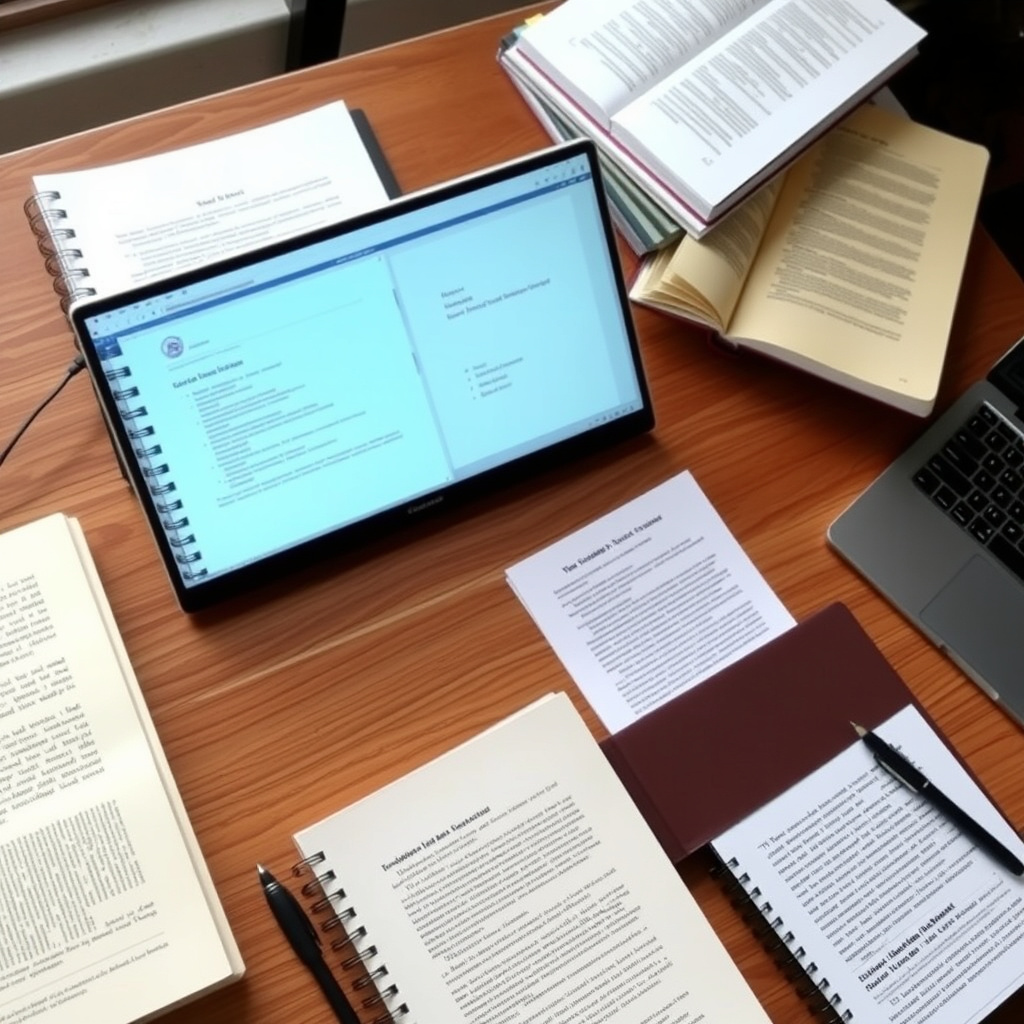
Reading Fiction vs. Non-Fiction
Fiction often requires interpreting themes, character motivations, and figurative language. Readers improve comprehension by visualizing scenes and predicting plot developments.
Non-fiction demands identifying facts, arguments, and supporting evidence. Taking notes and outlining main ideas help maintain clarity in dense informational content.
- Visualize story elements when reading fiction
- Create outlines for non-fiction chapters
Comprehending Technical and Academic Texts
Technical materials can contain jargon and complex structures. Breaking down paragraphs into smaller chunks and looking up unfamiliar terms immediately keeps comprehension high.
Academic texts benefit from reading abstracts or summaries first, then tackling the body paragraphs with questions in mind to guide understanding.
- Break down complex sentences into simple ideas
- Consult glossaries or reputable references as needed
Leveraging Technology and Resources

Apps and Tools for Improving Reading Comprehension
Digital tools like annotation apps, vocabulary builders, and comprehension quizzes help practice skills interactively. Many apps adapt to your level and provide tailored exercises.
Audiobooks combined with text highlight can improve comprehension by engaging multiple senses during learning.
- Use dictionary and annotation apps
- Try spaced repetition software for vocabulary
- Listen to audiobooks alongside reading
For more on this, see our related guide: How to Choose a Tutor for Struggling Students: A Practical Guide.
Using Study Groups and Discussion Forums
Discussing material with others exposes you to different perspectives and clarifies confusing points. Online forums and study groups also provide motivation and support.
Verbalizing your understanding and hearing others explain concepts can deepen comprehension more effectively than solo study alone.
- Join online forums related to your subject
- Form or participate in study groups
- Explain topics to peers to reinforce learning
How to Improve Comprehension Through Consistent Practice
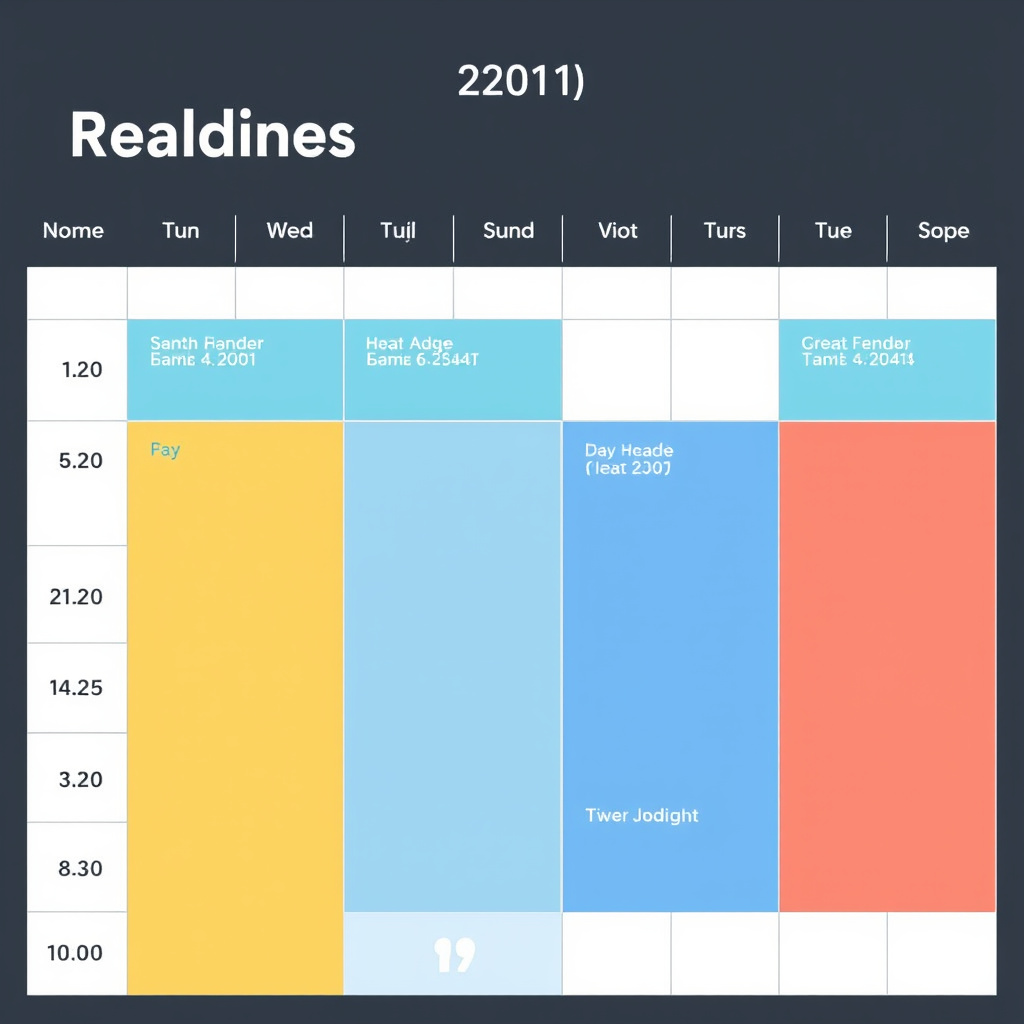
Setting Realistic Goals and Routines
Consistent practice over time is the best way to make lasting gains. Set daily or weekly reading targets and gradually increase difficulty levels to challenge yourself without burnout.
Establishing routines, such as dedicated reading times and review sessions, helps turn comprehension exercises into habits rather than chores.
- Schedule focused reading times
- Track progress with a journal or app
For a detailed overview of reading comprehension processes, you can refer to this comprehensive Wikipedia article on reading comprehension. reading comprehension.
Monitoring Progress and Adjusting Strategies
Evaluate your comprehension regularly through quizzes or self-explaining. Notice which strategies work best for you and refine your approach accordingly.
Being flexible and reflective about your learning helps prevent plateaus and keeps skills advancing.
- Use comprehension quizzes regularly
- Adjust techniques based on outcomes
Comparison of Common Comprehension Improvement Methods
Here's a snapshot comparing popular methods to improve comprehension with their advantages, challenges, and ideal uses.
| Method | Advantages | Challenges | Best For |
|---|---|---|---|
| Active Reading | Engages critical thinking; improves retention | Can be time-consuming; requires focus | Students; professionals reading detailed texts |
| Mnemonic Devices | Enhances memory; easy to recall | May oversimplify complex ideas | Learning vocabulary; memorizing facts |
| Technology Tools | Interactive; adaptive learning | Dependency on gadgets; distractions | Digital learners; visual/auditory learners |
| Study Groups | Diverse perspectives; motivation | Scheduling conflicts; passive members | Social learners; exam preparation |
Frequently Asked Questions
How quickly can I improve my reading comprehension?
Improvement speed depends on your starting level and efforts. With consistent practice using active reading and vocabulary strategies, noticeable progress can appear within a few weeks.
Are there specific exercises to improve comprehension?
Yes. Exercises include summarizing texts, answering questions, annotating, and practicing vocabulary in context. These help deepen understanding and retention.
Does reading more books automatically improve comprehension?
Reading helps, but quality matters. Active engagement like note-taking and questioning what you read boosts comprehension more than passive reading alone.
Can technology hinder comprehension improvement?
Technology can distract, but used properly, apps and audiobooks enhance learning by providing interactive and multisensory approaches to comprehension.
How important is vocabulary knowledge for comprehension?
Very important. Knowing word meanings quickly allows your brain to focus on understanding bigger ideas, so expanding vocabulary improves overall comprehension.
Key Takeaways
- Active and engaged reading is essential for improving comprehension
- Building a strong vocabulary supports faster and deeper understanding
- Using memory aids and managing focus can enhance retention
- Consistent practice tailored to material type accelerates progress
Conclusion
Approaching how to improve comprehension requires a blend of strategies focused on active engagement with material, vocabulary enhancement, and concentration. By understanding cognitive processes involved and adapting methods like questioning and summarizing, you harness your brain’s potential to grasp complex ideas. Different texts demand different tactics, and the best results come from tailoring practices and reflecting regularly on your progress to keep developing your skills.
For example, readers of dense academic texts might prioritize annotation and glossary consultation, while those working on narrative materials may find visualization and prediction more helpful. Integrating technology tools and group discussions also diversifies the ways you practice, making comprehension enhancement more interactive and less monotonous. Whether your goal is to study efficiently, improve workplace reading, or simply enjoy books more deeply, structured and consistent effort is key.
Start by setting realistic goals and incorporating reading and review into your daily routine. Use summaries, paraphrasing, and questioning techniques as regular habits. Explore using apps for vocabulary and listen to audiobooks to supplement reading. Finally, don’t hesitate to join study groups or online forums to reinforce learning through discussion. With patience and dedication, your comprehension will steadily improve, enriching your understanding and communication.