How to Help Your Child Do Better in School: Practical Strategies for Parents
Helping your child do better in school starts with creating a supportive environment that encourages learning and builds confidence. Simple steps like establishing routines, monitoring progress, and showing interest in their studies can make a significant difference in their academic success.
Academic challenges can arise from many factors including distractions, learning styles, or motivation gaps. Recognizing these and responding with tailored support helps your child navigate schoolwork more effectively and develop lasting skills beyond textbooks.
This article will cover key ways to boost your child's school performance including setting productive habits, fostering good communication with teachers, utilizing learning resources, addressing emotional needs, and maintaining consistent motivation tailored to their unique strengths and challenges.
Organizing a Productive Study Environment

Creating a Dedicated Study Space
A quiet, clutter-free study area free from distractions helps children focus and absorb material better. It should be stocked with necessary supplies like pencils, notebooks, and a calendar to track assignments. Consistency in using the same area builds a study habit that signals the brain to focus.
Consider your child's preferences regarding lighting and seating comfort. Some work well in bright environments while others need softer light. Personalizing this space with inspiring but not overwhelming decorations can also motivate engagement.
- Quiet and distraction-free
- Adequate lighting
- Supplies within reach
- Comfortable seating
Setting Study Schedules and Breaks
Establishing regular study times balances school demands with downtime. Predictable schedules encourage discipline and make homework part of daily routine instead of a last-minute rush. Breaks every 20-30 minutes prevent mental fatigue and maintain concentration.
Use timers or apps to help your child track study periods and breaks. Encourage physical movement or a quick snack during breaks to refresh the mind before resuming tasks.
- Consistent study hours
- Short breaks to recharge
- Avoid multitasking during study
- Use timers to maintain focus
Enhancing Academic Habits and Motivation

Encouraging Goal Setting and Rewards
Helping your child set achievable goals for each subject fosters accountability and a sense of progress. Goals should be specific, measurable, and realistic to avoid frustration. Celebrating achievements, even small ones, with praise or treats reinforces positive behaviors.
Discuss short-term goals like finishing assignments on time and longer-term ones such as improving test scores. This approach cultivates a growth mindset where effort leads to improvement and success.
- Set clear, attainable targets
- Track progress regularly
- Reward accomplishments
- Encourage self-reflection
For more on this, see our related guide: How to Get Effective Math Homework Help Fast and Easily.
Building Intrinsic Motivation
Intrinsic motivation develops when children feel their work matters beyond grades. Connect school topics to real-life interests or career ideas to deepen engagement. When children see learning as meaningful, they take more initiative and persist through challenges.
Parents can ask open-ended questions about what excites or puzzles their child in class. Supporting autonomy in study choices also increases motivation, like letting them pick project topics or ways to present work.
- Relate subjects to personal interests
- Foster curiosity with questions
- Offer choices in assignments
- Encourage a love of learning
Communicating Effectively with Teachers and Schools
Partnering with Teachers for Support
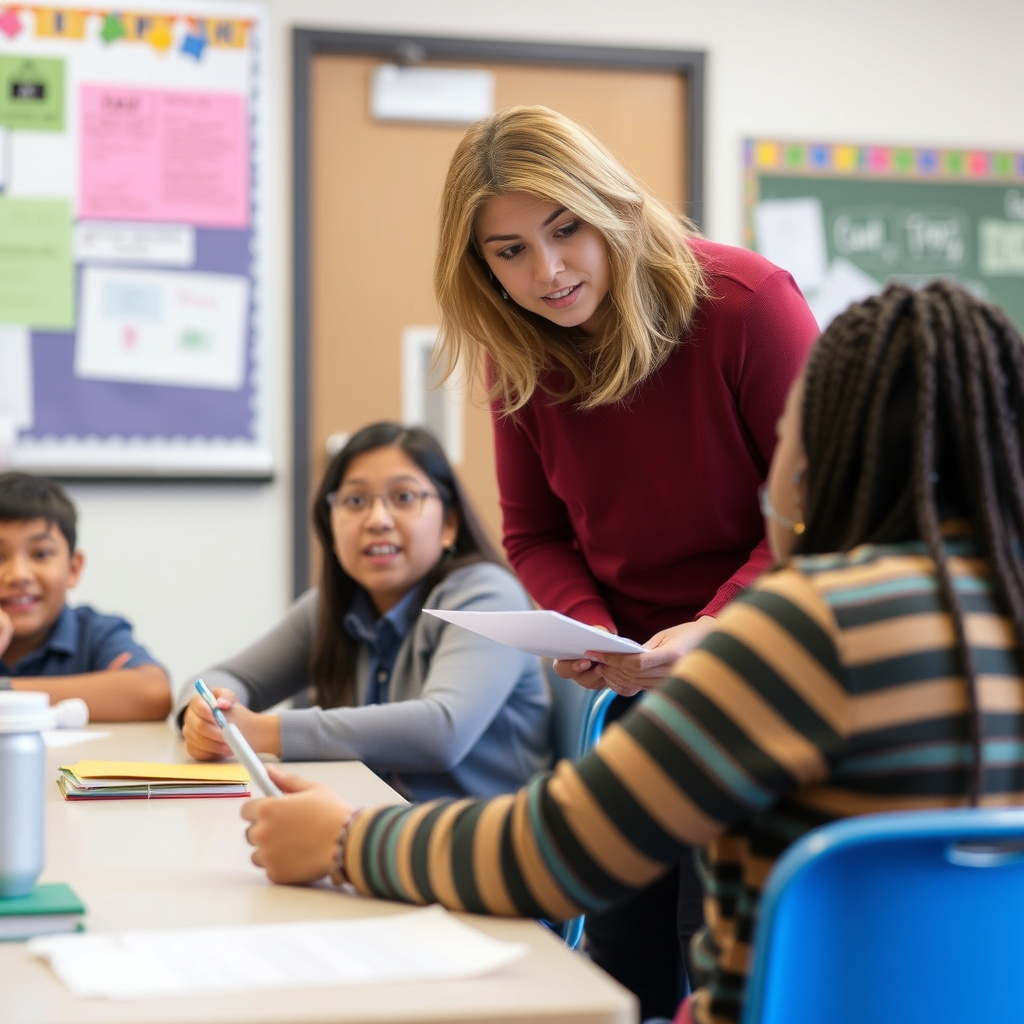
Regular communication with teachers provides updates on your child's academic progress and behavior. When parents and teachers share information, they can address difficulties early and tailor help that fits your child's needs.
Attend parent-teacher conferences, ask about assignments or tests, and request strategies to reinforce learning at home. Collaboration creates a consistent support network that benefits your child's education.
- Schedule regular check-ins
- Discuss strengths and challenges
- Request feedback on progress
- Coordinate help plans
Navigating School Resources and Services
Schools often offer additional resources such as tutoring programs, counseling, or special education services. Identifying which resources your child may benefit from ensures they get assistance beyond classroom teaching.
Inquire about after-school clubs, homework help sessions, or mentoring programs. Engaging with these options can boost skills and confidence, particularly for children struggling in specific areas.
- Explore tutoring options
- Utilize counseling services
- Participate in enrichment programs
- Advocate for needed accommodations
Supporting Emotional Well-being and Social Skills

Recognizing Stress and Anxiety Signs
Academic pressure or social challenges may cause anxiety affecting concentration and grades. Watch for signs like irritability, withdrawal, or sudden changes in sleep or appetite. Early recognition allows parents to provide comfort and seek professional help if needed.
Encourage open conversations about school experiences. Validating feelings and teaching coping mechanisms helps children manage overwhelm and maintain focus on their studies.
- Monitor behavioral changes
- Promote honest dialogue
- Encourage relaxation techniques
- Consult professionals when needed
For more on this, see our related guide: Affordable Tutoring in Doral FL: How to Find the Best Local Options.
Fostering Positive Peer Relationships
Friendships influence motivation and engagement. Children with supportive peers tend to perform better academically and enjoy school more. Promote healthy socialization by facilitating playdates, group projects, or club participation.
Discuss peer conflicts calmly and teach problem-solving skills. Building empathy and communication fosters a positive social environment that eases school challenges.
- Encourage cooperative activities
- Teach conflict resolution
- Build empathy through discussion
- Support social skills development
Utilizing Learning Tools and Technology
Incorporating Educational Apps and Resources
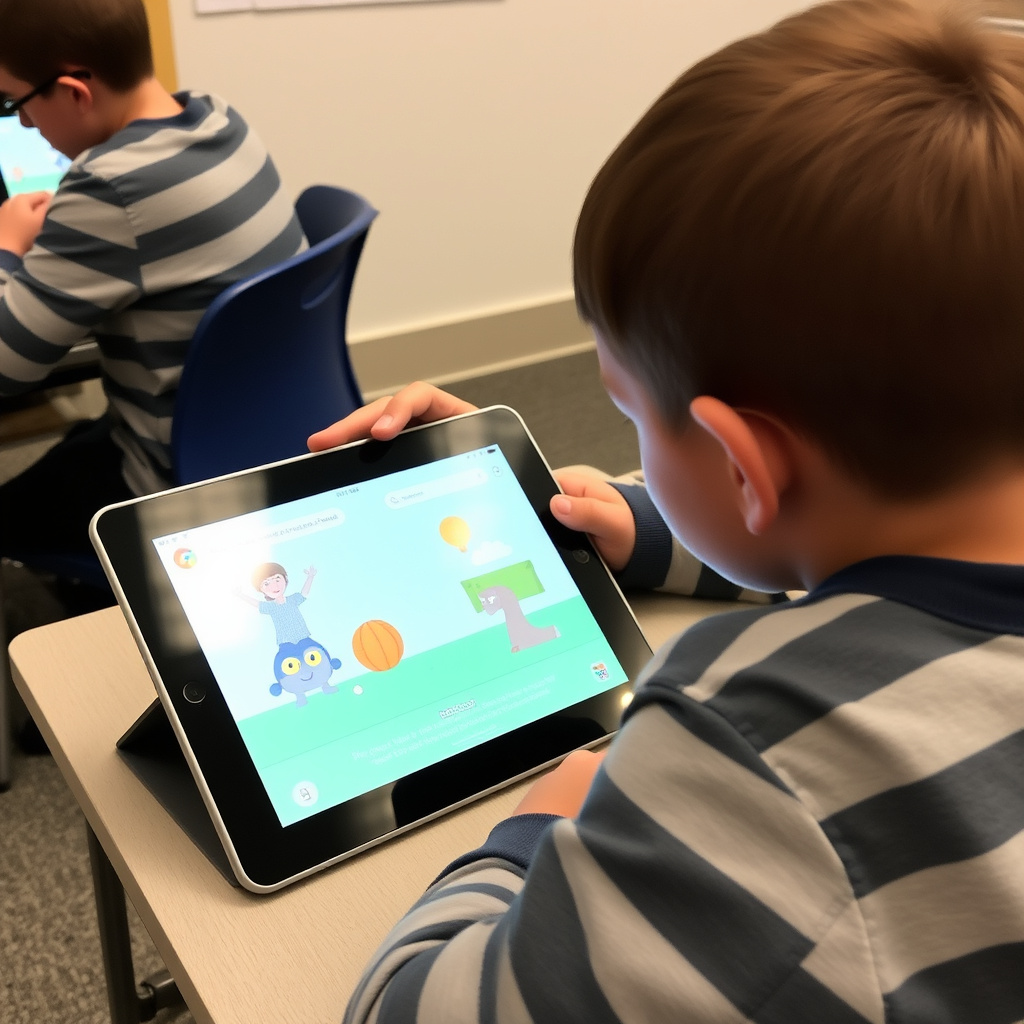
Several apps and websites offer interactive exercises tailored to grade level and subject matter. These tools can make learning fun, reinforce concepts, and provide immediate feedback, which is key to solidifying knowledge.
Choose reputable resources aligned with school curricula and monitor usage to balance screen time. Some apps also allow parents to track progress and customize practice areas.
- Use curriculum-aligned apps
- Limit daily screen time
- Review app feedback regularly
- Balance digital and offline study
Understanding the role of parental involvement can provide valuable insight into how support shapes academic outcomes. parental involvement in education.
Leveraging Organizational Tools
Digital calendars, to-do lists, and reminder apps help children manage assignments and deadlines more independently. Teaching kids how to prioritize tasks and use these tools builds lifelong organizational skills.
Parents can help set up initial schedules and gradually encourage children to take ownership of planning. Over time, this promotes responsibility and reduces last-minute stress.
- Implement calendars and planners
- Teach task prioritization
- Set reminders for deadlines
- Encourage gradual independence
Comparison of Support Approaches to Help Your Child Do Better in School
Below is a comparison of various strategies parents can use to improve their child's academic performance, outlining benefits and typical challenges for each.
| Support Approach | Benefits | Challenges | Best For |
|---|---|---|---|
| Dedicated Study Space | Improves focus and consistency | Requires discipline to maintain | Younger children needing routine |
| Goal Setting & Rewards | Builds motivation and accountability | Needs careful goal calibration | Children who respond to incentives |
| Teacher Collaboration | Provides tailored academic insights | Time commitment for meetings | All students needing targeted support |
| Emotional Support & Social Skills | Enhances well-being and engagement | Can be hard to identify issues | Children facing anxiety or social struggles |
| Learning Technology & Tools | Makes learning interactive and organized | Risk of excessive screen time | Tech-savvy students seeking extra practice |
Frequently Asked Questions
How can I motivate my child who dislikes homework?
Try breaking homework into smaller, manageable parts and include short breaks. Praise effort rather than outcome, connect tasks to real-life interests, and offer small rewards to encourage completing assignments.
What if my child struggles to focus during study time?
Create a distraction-free study zone, set specific time blocks with breaks, and minimize screen interruptions. Using timers and physical activities during breaks can help improve concentration.
Is it helpful to communicate regularly with my child’s teachers?
Yes, frequent communication ensures you stay updated on your child's progress and any challenges. It allows collaboration for effective support tailored to your child's needs.
How important is emotional support for school success?
Emotional well-being greatly impacts academic performance. Addressing stress or anxiety helps children maintain focus and confidence, improving their ability to learn and engage.
Can educational apps replace traditional studying?
Educational apps are useful supplements but should not replace traditional studying methods. They offer interactive practice but work best when combined with direct parental support and teacher guidance.
Key Takeaways
- A structured study environment boosts focus and consistency.
- Goal setting and rewards increase motivation and accountability.
- Collaborating with teachers provides tailored academic support.
- Emotional well-being and social skills strongly affect school success.
Conclusion
Helping your child do better in school involves a mix of creating supportive routines, maintaining open communication, encouraging motivation, and addressing emotional needs. By focusing on practical strategies aligned with your child’s learning style, you can foster an environment where they feel capable and motivated to excel. It’s about consistent, thoughtful effort rather than quick fixes, ensuring your child builds skills that last beyond immediate grades.
Different approaches suit different situations—for example, setting up a dedicated study space is especially beneficial for younger children who thrive on routine, whereas older students might benefit more from organizational tools like digital planners. Collaboration with teachers and involvement in school resources can provide invaluable support for children facing academic hurdles. Additionally, emotional support and fostering positive peer interactions should not be overlooked, as they greatly influence a child's willingness and ability to perform well.
Start by evaluating your child’s specific needs and preferences, then gradually implement methods such as structured study sessions, clear goal setting, and open dialogues about school experiences. Using educational technology cautiously as a complement can enhance learning without replacing foundational skills. Most importantly, your ongoing encouragement and involvement remain essential. Taking these steps thoughtfully equips your child to make meaningful progress and enjoy their learning journey.