How to Study for a Test Effectively: Proven Strategies for Better Scores
To study for a test effectively, you need to combine focused planning, active engagement with the material, and regular review sessions that reinforce learning. The key lies in using methods like spaced repetition, self-testing, and minimizing distractions to maximize your study time.
Studying without a clear strategy can leave you overwhelmed and unprepared. Effective test preparation improves not only your knowledge retention but also your confidence on exam day. Understanding how to structure your study sessions can directly impact your performance by turning passive reading into active learning.
This article will explore practical techniques to help you organize your study habits, choose the right environment, apply active recall methods, and manage time wisely. Additionally, it will cover common pitfalls to avoid and how to adjust your approach depending on the test type.
Planning Your Study Schedule
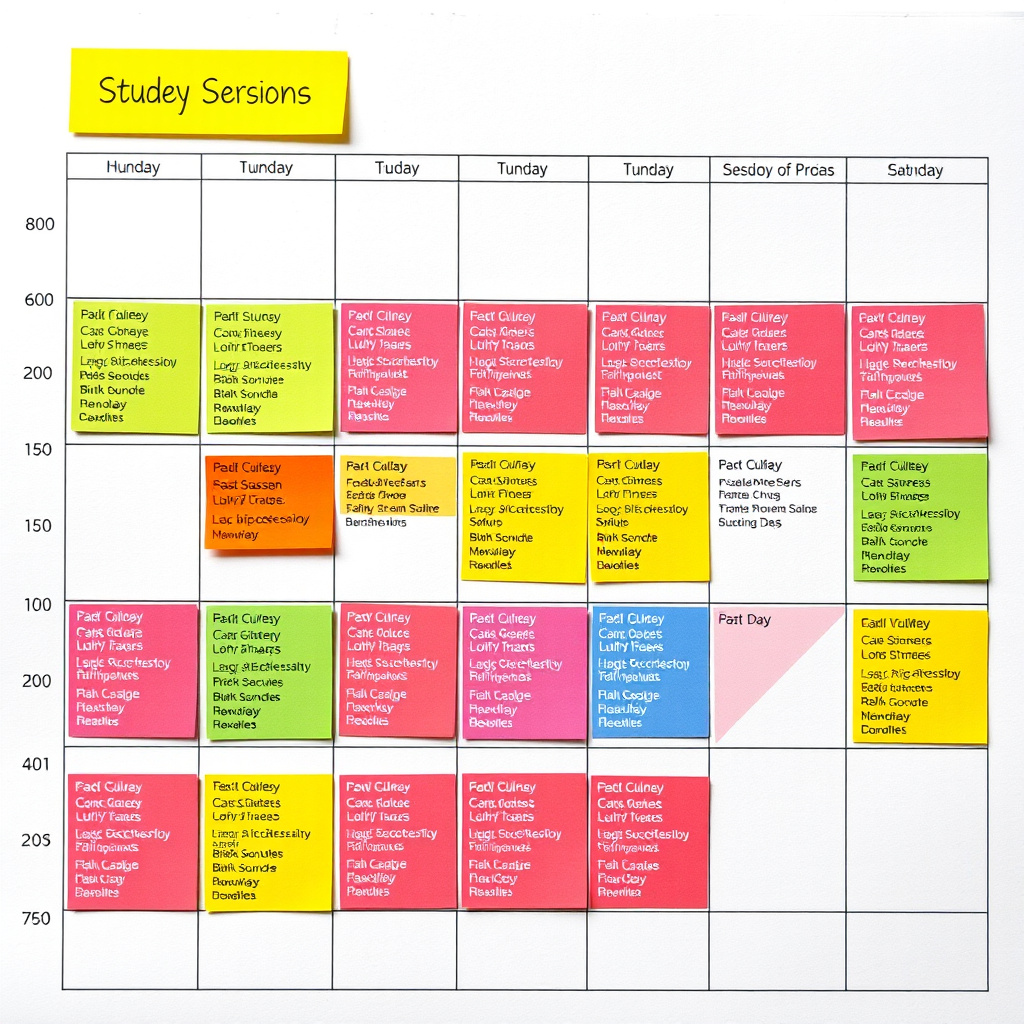
Breaking Down Your Study Material
Effective study techniques start with analyzing the test syllabus or material and dividing it into smaller, manageable sections. Focusing on one chunk at a time prevents burnout and increases the clarity of what you need to learn.
Create a prioritized list based on topics’ difficulty or weight on the test to allocate more time to challenging areas. This organized approach helps avoid last-minute cramming.
- List all topics and subtopics
- Estimate time needed per section
- Mark weaker areas for extra focus
Setting a Realistic Study Timeline
Map out your available days leading up to the test and set daily or weekly study goals. Incorporate short breaks and time for review to keep your sessions productive.
A timeline that balances study with rest improves retention and reduces stress. Using tools like planners or digital apps can help track progress and adjust your schedule if needed.
- Block 25-50 minute focused study intervals
- Schedule breaks between sessions
- Allocate time for full practice tests
Choosing the Right Study Environment

Minimizing Distractions
Your environment shapes how effectively you study for a test. Remove possible interruptions such as phones, noisy areas, or clutter that can break concentration.
Establish a dedicated study space with tools and resources easily accessible, signaling to your brain that it’s time to focus.
- Turn off notifications
- Use noise-cancelling headphones if needed
- Keep only study materials on your desk
Optimizing Comfort and Lighting
Comfortable seating and adequate lighting reduce physical strain and eye fatigue, helping you study longer. Natural light is preferable, but adjustable desk lamps work well for nighttime sessions.
A well-ventilated room and moderate temperature help maintain alertness and productivity.
- Choose ergonomic chair and desk heights
- Use soft, white light for minimal glare
- Keep workspace tidy
Active Study Methods to Boost Retention

Using Spaced Repetition
Spaced repetition involves reviewing information at increasing intervals to strengthen memory retention. This approach is more effective than repeatedly reading notes in one sitting.
Implementing this technique with flashcards or digital apps helps move knowledge from short-term to long-term memory.
- Review difficult concepts more frequently
- Schedule spaced review sessions over days or weeks
For more on this, see our related guide: How to Get Effective Math Homework Help Fast and Easily.
Practicing Active Recall
Active recall means testing yourself on material rather than passively rereading. This could involve explaining concepts aloud, doing practice questions, or writing summaries from memory.
This method reinforces neural connections and identifies gaps in understanding, enabling targeted review.
- Create self-test questions
- Explain concepts as if teaching someone else
- Write brief summaries without notes
Time Management During Study Sessions

Implementing Pomodoro Technique
The Pomodoro technique helps maintain concentration by breaking study time into 25-minute focused intervals separated by short breaks. This structure keeps the brain fresh and prevents fatigue.
It promotes consistent productivity throughout your study session while avoiding burnout.
- Set a timer for 25 minutes study
- Take 5-minute breaks after each session
- After 4 sessions, take a longer 15-30 minute break
Avoiding Multitasking
Focusing on one task at a time improves information processing speed and depth of understanding. Switching between tasks can reduce efficiency and increase mistakes.
Dedicate specific times for studying, reviewing notes, and practicing questions rather than mixing them in a single session.
- Turn off unrelated tabs or apps
- Focus on one subject before moving to the next
Adapting Study Strategies to Test Types

Preparing for Multiple Choice Tests
For multiple choice exams, practicing with mock tests and highlighting keywords in questions sharpens analytical skills. Prioritize understanding concepts deeply since questions often test application over rote facts.
Reviewing past test questions helps identify common traps and question formats.
- Practice time management during mock tests
- Learn to eliminate incorrect answer choices
For more on this, see our related guide: How to Choose a Tutor for Struggling Students: A Practical Guide.
Studying for Essay-Based Exams
Essay exams require organizing thoughts clearly and supporting arguments with evidence. Practice outlining essays under timed conditions to improve structure and coherence.
Focus on understanding key themes and developing critical thinking skills rather than memorizing lengthy passages.
- Create essay templates for common topics
- Review high-scoring sample essays
Maintaining Mental and Physical Well-being

Managing Stress and Anxiety
Keeping stress low is essential for effective study. Techniques such as mindfulness, deep breathing, and short physical exercises during breaks can calm nerves and improve focus.
Avoid negative self-talk and keep a positive mindset to build confidence before the test.
- Take intentional deep breaths when feeling anxious
- Use stress-relief practices like meditation
For a deeper understanding of various learning approaches, see the comprehensive overview of learning strategies on Wikipedia. learning strategies on Wikipedia.
Ensuring Adequate Sleep and Nutrition
Sleep consolidates memories and refreshes brain function, making it a key factor for studying effectively. Aim for 7-9 hours per night, especially in the days before your test.
Balanced meals and hydration support cognitive performance and energy levels.
- Avoid heavy meals right before studying
- Limit caffeine intake late in the day
Study Methods Category Comparison
Below is a comparison of common study methods to help you decide which suits your learning style and test preparation goals.
| Method | Best For | Pros | Cons |
|---|---|---|---|
| Spaced Repetition | Long-term retention | Improves memory durability, reduces cramming | Requires planning and consistent review |
| Active Recall | Concept mastery | Highlights knowledge gaps, boosts understanding | Can be mentally taxing at times |
| Pomodoro Technique | Maintaining focus | Prevents burnout, structures sessions | May interrupt deep focus if sessions are too short |
| Practice Testing | Exam readiness | Simulates test conditions, builds confidence | Time-consuming to prepare practice questions |
| Highlighting/Note-taking | Initial reading | Organizes material, easy to implement | Less effective alone, can be passive |
Frequently Asked Questions
How early should I start studying for a test?
It's best to begin studying at least two weeks before the test date, allowing time for gradual review and avoiding last-minute cramming.
Is it better to study alone or with a group?
Both have merits; studying alone suits deep focus and self-paced learning, while group study can help clarify concepts through discussion.
Can multitasking help me study more efficiently?
Multitasking usually reduces efficiency and retention; focusing on one study task at a time is more effective.
How important is taking breaks during study sessions?
Regular breaks prevent mental fatigue and improve overall focus, so incorporating short pauses is essential for sustained study.
What should I do if I forget material during the test?
Stay calm and try to recall information by associating it with related concepts or keywords; moving on and returning later can also help trigger memory.
Key Takeaways
- Break study material into manageable sections with a clear timeline
- Create a distraction-free and comfortable study space
- Use active recall and spaced repetition to enhance retention
- Manage time efficiently with focused sessions and regular breaks
Conclusion
Choosing how to study for a test effectively involves blending practical strategies with self-awareness of your learning preferences. Planning your schedule, breaking down topics, and sticking to a timeline will give structure to your preparation. By incorporating active recall and spacing out review sessions, you convert passive reading into impactful learning that sticks over time. Equally important is the environment you study in and how you manage your attention and energy throughout each session.
If your test involves multiple choice questions, prioritize practice tests and learn how to critically analyze answer options to improve accuracy. For essay exams, practice outlining and verbalizing ideas to improve clarity and argument flow. Regardless of format, balancing study methods such as Pomodoro intervals and stress-relief techniques will keep you engaged and mentally refreshed, providing a solid foundation to build confidence.
Ultimately, starting your preparation early and adopting study habits that align with your needs will lead to better results. Make a plan, set up a focused space, actively interact with material, and maintain your well-being during this process. These steps transform studying from a stressful task into a manageable, even rewarding, process that supports success on test day.