How to Prepare for a Difficult Exam: Proven Strategies for Success
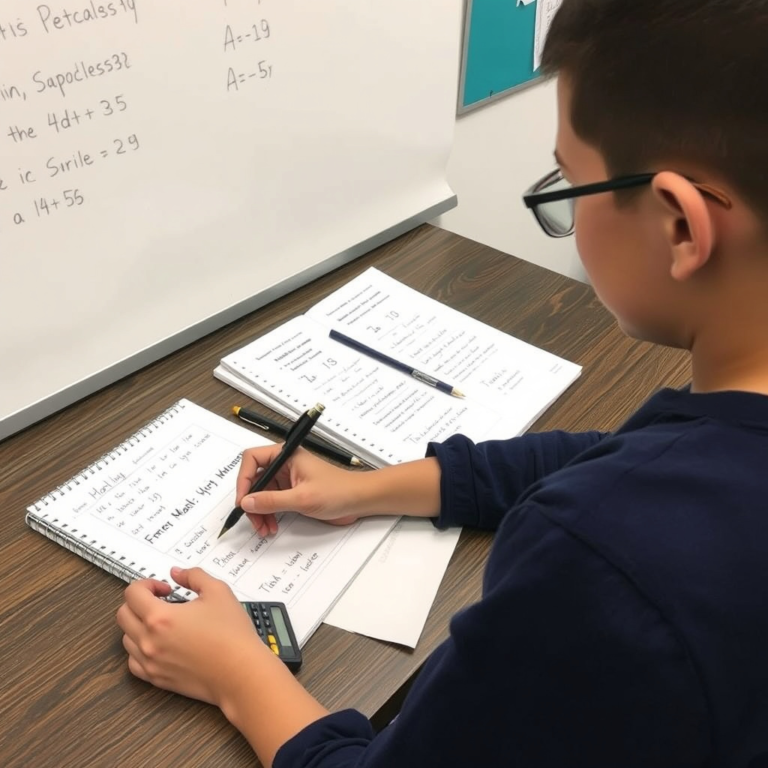
Preparing for a difficult exam requires clear strategies that make your studying more effective and reduce anxiety. Start by organizing a detailed study schedule targeting all topics and practice with past exams or mock tests to build confidence and identify weak areas.
Exams that challenge your knowledge or skills can feel overwhelming, but breaking the material into manageable parts and understanding how to approach the content can make a noticeable difference. Managing stress alongside studying is also key to maintaining focus and mental clarity during preparation.
This article will cover essential strategies such as creating efficient study routines, time management, active learning methods, handling exam day anxiety, and optimizing your physical and mental condition. These techniques will guide you on how to prepare for a difficult exam successfully.
Creating an Effective Study Schedule
Breaking Down the Syllabus
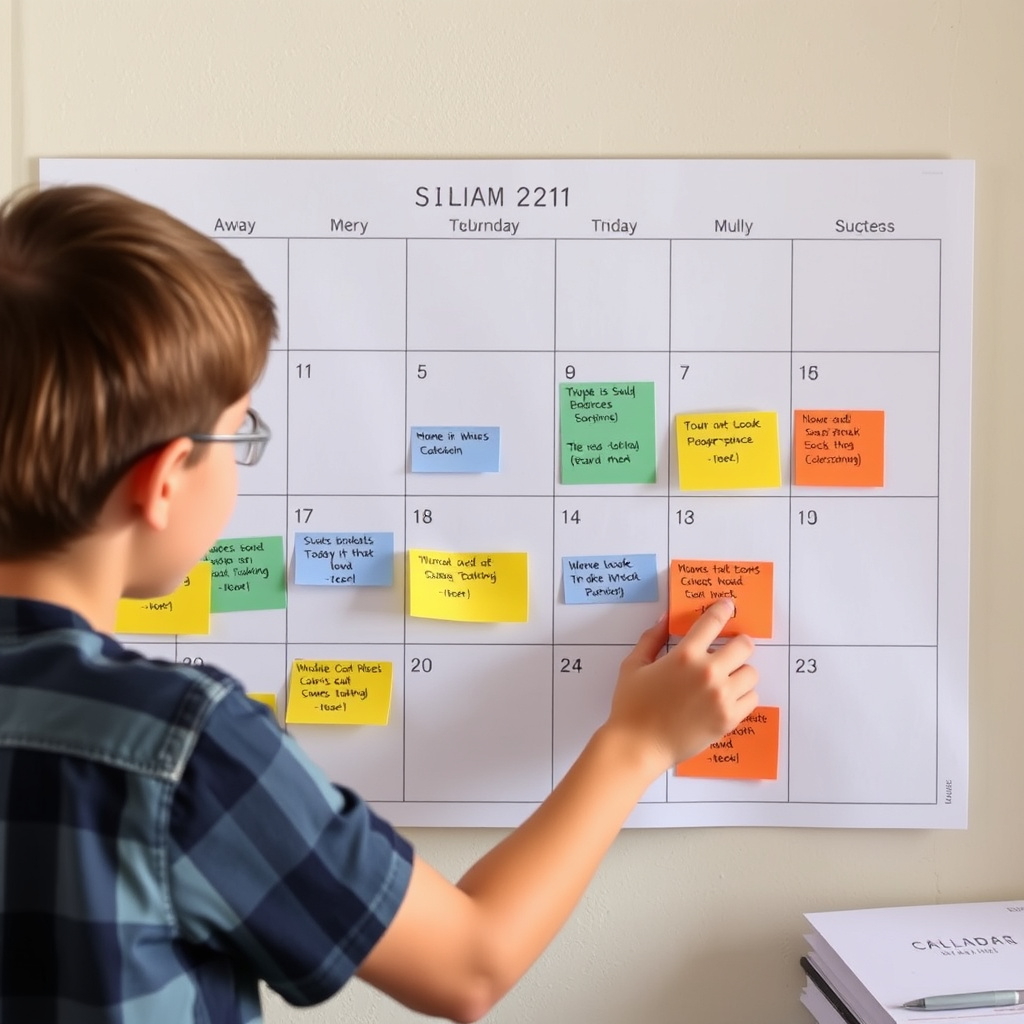
Start your preparation by dividing the syllabus into smaller, well-defined topics. This method prevents last-minute cramming and helps you focus on understanding each unit deeply.
Prioritize topics based on their weight in the exam and your current level of comprehension. Allocate more time to challenging subjects and keep revisiting easier areas to maintain retention.
- List topics by exam importance
- Assign realistic study time for each
- Include buffer days for review
Balancing Study Time and Breaks
Effective schedules include regular breaks to prevent burnout. The Pomodoro technique, involving 25 minutes of focused study followed by a 5-minute break, can improve concentration and productivity.
Use breaks to relax or do light physical activity, such as stretching, which improves blood flow and refreshes your mind.
- Use timers for focused sessions
- Take 5-10 minute breaks every hour
- Avoid screen time during breaks to rest eyes
Active Learning Techniques for Better Retention

Utilizing Practice Tests and Quizzes
Practice tests are invaluable for identifying knowledge gaps and simulating exam conditions. Regularly attempt past papers to familiarize yourself with question formats and time limits.
After each test, analyze your mistakes carefully. This feedback loop helps transform errors into effective learning opportunities.
- Attempt timed practice exams
- Review incorrect answers thoroughly
- Use online quizzes for varied question types
Employing Note-Making and Summarization
Writing summaries of key concepts consolidates your understanding and creates handy revision materials. Use your own words rather than copying verbatim to reinforce learning.
Mind maps and flashcards can also be effective for visual learners to connect ideas and trigger memory recall.
- Create concise topic summaries
- Use color-coding for important points
- Convert notes into flashcards for quick reviews
Managing Stress and Building Exam Confidence

Techniques to Reduce Anxiety
Exam stress can hinder performance, but simple relaxation practices like deep breathing, meditation, or progressive muscle relaxation can calm nerves and improve focus.
Preparing your mind for the exam through visualization of success and positive affirmations can build confidence and reduce fear.
- Practice daily relaxation exercises
- Avoid last-minute cramming
- Use positive self-talk to boost morale
For more on this, see our related guide: How to Choose the Best Test Preparation Tutor in Doral FL for Effective Results.
Establishing a Healthy Routine
Adequate sleep, balanced nutrition, and regular exercise form the foundation for good mental and physical condition during exam preparations.
Avoid excessive caffeine or sugar, which can cause energy crashes and heightened anxiety.
- Maintain 7-8 hours of sleep
- Eat nutrient-rich meals
- Schedule light physical activity daily
Optimizing Your Exam Day Strategy

Pre-exam Preparation and Logistics
Before exam day, gather all necessary materials like identification, stationery, and permitted items to avoid last-minute stress. Plan your travel route and aim to arrive early.
Prepare a light, energy-sustaining meal and stay hydrated to maintain concentration during the test.
- Pack essentials the night before
- Confirm exam venue and rules
- Eat a balanced meal beforehand
Time Management During the Exam
Read through the entire exam paper first to allocate time according to marks and difficulty. Start with questions you are confident about to build momentum.
If stuck on a question, move on and return later to maximize scoring potential.
- Divide time per question based on marks
- Use spare time to review answers
- Keep track with a watch or timer
Enhancing Memory and Recall Abilities

Using Mnemonics and Visualization
Mnemonic devices such as acronyms, rhymes, or chunking make complex information easier to remember. Visualization connects abstract concepts to vivid mental images for stronger recall.
Regular repetition of these aids over days cements information in long-term memory.
- Create acronyms for lists
- Use mental images to link concepts
- Review mnemonic aids frequently
For more on this, see our related guide: How to Get Effective Math Homework Help Fast and Easily.
Spaced Repetition and Retrieval Practice
Spaced repetition involves reviewing material at increasing intervals to enhance retention. Retrieval practice, such as recalling information without looking at notes, strengthens memory pathways.
These approaches are more effective than passive rereading, especially for difficult exam content.
- Use spaced repetition apps or planners
- Practice self-testing regularly
- Avoid last-minute cramming sessions
Leveraging Support Systems During Preparation

Forming Study Groups
Collaborative study sessions encourage exchange of ideas, clarify doubts, and increase motivation. Group members can quiz each other or explain tough concepts in varied ways.
Limit group size to maintain focus and schedule regular meetings to keep momentum.
- Choose committed, like-minded peers
- Set clear objectives for each session
- Rotate topics to cover all syllabus areas
For additional insights into exam preparation techniques, you can explore this article on exams. exam preparation techniques on Wikipedia.
Seeking Guidance from Experts
Tutors, teachers, and online courses can provide tailored explanations and strategies for challenging topics. They offer feedback that self-study might miss.
Utilize office hours and academic forums to resolve specific questions promptly.
- Book sessions for difficult subjects
- Prepare questions ahead of time
- Engage with reputable online resources
Comparison of Exam Preparation Methods
Here's a side-by-side comparison of common exam preparation approaches to help choose what fits your learning style and exam demands.
| Method | Efficiency | Stress Level | Cost | Recommended For |
|---|---|---|---|---|
| Self-study with Schedule | High | Moderate | Free | Independent learners, flexible pace |
| Study Groups | Moderate | Low to moderate | Free | Learners who benefit from peer support |
| Tutoring Sessions | High | Low | Moderate to high | Struggling with specific topics |
| Online Courses | Moderate to high | Low | Varies | Visual and structured learners |
| Practice Tests Only | Moderate | Moderate | Free | Learners needing exam familiarity |
Frequently Asked Questions
How far in advance should I start preparing for a difficult exam?
Ideally, begin your preparation at least 6 to 8 weeks before the exam. This allows time to cover all topics thoroughly, revise, and practice without excessive pressure.
What if I feel overwhelmed during my study schedule?
Take brief breaks to relax, and adjust your plan if needed. Prioritize rest and use stress-reduction techniques like deep breathing to regain focus.
Are flashcards an effective tool for exam preparation?
Yes, flashcards help reinforce memory through active recall and spaced repetition, especially for facts, formulas, and vocabulary.
How important is sleep before an exam?
Getting sufficient sleep is essential for memory consolidation and mental alertness. Aim for 7-8 hours the night before the exam.
Can group study improve exam performance?
Group study can be beneficial for discussing ideas and solving doubts but works best when groups stay focused and organized.
Key Takeaways
- Plan your study schedule by dividing topics and balancing breaks
- Use active learning like practice tests and note-making for deeper understanding
- Manage anxiety through relaxation techniques and maintain a healthy routine
- Choose preparation methods that align with your learning style and exam demands
Conclusion
Preparing efficiently for a difficult exam combines strategic planning, active engagement with the material, and self-care. By breaking the syllabus into manageable parts, committing to a consistent study schedule, and integrating review methods like practice tests and flashcards, you build mastery over complex content. Managing stress and physical wellbeing is equally vital to sustain mental sharpness through long preparation periods.
For examinees facing particularly challenging subjects, coupling self-study with expert help, such as tutoring sessions or focused online courses, can accelerate comprehension. Study groups also offer dynamic support and motivation if managed well to avoid distractions. To manage exam-day performance, mastering time allocation and staying calm can significantly impact final results. Employing mnemonic devices and retrieval practices further solidify knowledge retention for tougher exams.
Begin preparing as early as possible with a realistic plan adapted to your strengths and weaknesses. Monitor your progress and adjust methods to keep momentum. On exam day, approach the test with confidence backed by thorough preparation and calm readiness. This structured approach will serve you well in conquering difficult exams and boosting academic success.