How to Stop Procrastinating and Boost Your Productivity Today
To stop procrastinating, start by breaking your tasks into smaller, manageable steps and setting clear deadlines. Use techniques like the Pomodoro method to maintain focus and eliminate distractions. Identify your biggest procrastination triggers and actively replace them with positive habits.
Procrastination can derail your goals and cause stress, so addressing it early matters deeply for your mental well-being and productivity. Recognizing patterns behind procrastination helps develop realistic strategies that fit your lifestyle and priorities, making change sustainable.
This guide explores why people procrastinate, outlining effective habits and psychological tips to manage procrastination in daily life. You’ll find actionable advice on time management, motivation, and creating an environment that encourages action rather than delay.
Understanding Why You Procrastinate

Common Psychological Triggers
Procrastination often stems from fear of failure, perfectionism, or feeling overwhelmed. When tasks seem too large or ambiguous, the brain defaults to avoidance. Anxiety about the quality of results or self-doubt can freeze motivation, leading to delays.
Recognizing these underlying emotions is crucial. They aren’t just laziness but responses to stress or low confidence. Awareness enables targeted strategies like cognitive restructuring and breaking tasks into smaller parts to reduce mental barriers.
Role of Attention and Habits
Distractions from phones, social media, and multitasking fragment attention, making it harder to start work. Habit-patterns that reward procrastination reinforce the cycle, like checking messages when faced with difficult tasks.
Building routines that cue focused work time and minimize interruptions helps retrain brain habits. For example, setting specific work intervals and designated break times conditions mind and body toward productivity.
- Common distractions include notifications, background noise, and clutter
- Creating a distraction-free zone supports focus
- Consistent schedules promote productive habits
Techniques to Stop Procrastinating
Time Management Methods
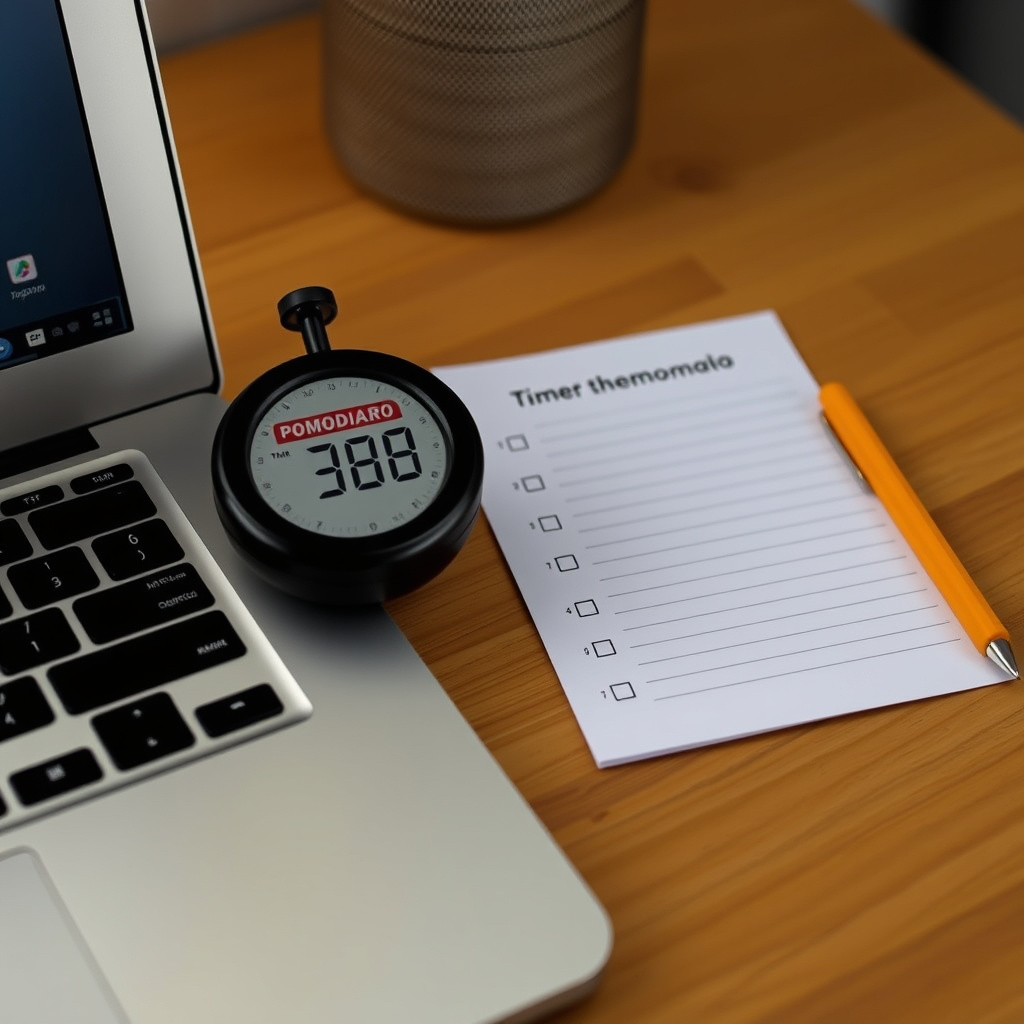
Using structured approaches like the Pomodoro Technique—working in 25-minute focused blocks followed by short breaks—boosts concentration and stamina. Setting clear deadlines and prioritizing tasks by importance gives direction and prevents decision fatigue.
Tools like calendars, to-do lists, and apps that block distracting websites can keep you accountable. Scheduling high-focus tasks during your peak energy periods maximizes efficiency and reduces the urge to delay.
- Divide work into 25-minute segments with 5-minute breaks
- List tasks by urgency and importance
- Use blockers for distracting sites/apps
Motivational Strategies
Finding personal reasons behind a task’s value or visualizing completion outcomes can ignite motivation. Rewarding yourself after milestones reinforces positive behavior. Setting achievable goals helps maintain momentum without burnout.
Accountability partners or groups provide external encouragement and gentle pressure to stay on track. Sharing progress with others also increases commitment.
- Link tasks to personal goals or passions
- Create small rewards after completing steps
- Work with an accountability partner
Creating An Environment That Supports Proactivity

Optimizing Your Workspace
A clutter-free, comfortable workspace lowers cognitive load and keeps attention on priority tasks. Good lighting and ergonomic furniture reduce physical discomfort that could encourage procrastination breaks.
Removing unrelated gadgets and using noise-canceling headphones or ambient sound apps can help maintain immersion. Personalizing your space only with motivating visual cues keeps focus positive.
- Keep desk tidy and essentials only
- Use ergonomic chairs and proper lighting
- Minimize noise distractions
Establishing Routine and Boundaries
Consistent daily schedules cue work mindset and lower resistance to starting tasks. Clear boundaries between work and rest periods prevent burnout and procrastination born of fatigue.
Communicating your schedule with others limits interruptions and external demands during focus time. Routine cues like morning rituals can signal the brain to shift into productive mode.
- Set fixed work hours
- Use rituals like morning coffee or brief meditation
- Inform household or coworkers of your schedule
Leveraging Technology to Fight Procrastination

Using Productivity Apps
Apps like Todoist, Trello, or Focus Booster help organize tasks, track deadlines, and remind you to stay on task. They allow breaking complex projects into subtasks and prioritize work visually.
Many apps include features such as timer functions, progress reports, and rewards systems that reinforce productive habits and highlight procrastination trends for adjustment.
- Task organization with boards or lists
- Built-in focus timers and break reminders
- Progress tracking and analytics
Website Blockers and Distraction Control
Extensions like StayFocusd or Freedom limit time on distracting sites. These tools enforce boundaries when willpower alone isn’t enough, stopping temptation before it starts.
Setting up blocked hours or whitelisting only work-related sites creates an environment where online distractions diminish and focus enhances, making it easier to stop procrastinating.
- Customize blocklists to suit your distraction sources
- Schedule breaks to balance focus and rest
- Monitor usage reports to identify problem areas
Adopting Mindset and Behavioral Changes

Building Self-Discipline and Awareness
Practicing mindfulness helps recognize procrastination urges as they arise, giving you a choice to act differently. Journaling progress and setbacks creates self-awareness and bolsters resolve to change habits.
Daily reflection allows small course corrections that cumulatively strengthen self-discipline. Mindset shifts from perfectionism to progress-focused make tasks feel less daunting and accessible.
- Use mindfulness meditation to catch delaying thoughts
- Keep a journal of daily accomplishments and challenges
Managing Stress and Avoiding Burnout
Stress often triggers procrastination by overwhelming motivation. Regular physical activity, balanced nutrition, and adequate sleep replenish energy and mental clarity.
Taking intentional breaks and varying task types reduces fatigue. Understanding limits prevents burnout, making it easier to start and sustain work without running into procrastination cycles.
- Schedule regular physical exercise
- Practice deep breathing or relaxation techniques
- Plan restful breaks during work periods
Using Goal Setting to Combat Procrastination

SMART Goals for Clear Direction
Setting SMART goals—Specific, Measurable, Achievable, Relevant, Time-bound—gives clarity and motivation. When goals are vague, procrastination is more common because the outcome isn’t clearly defined.
Clear milestones break long projects into actionable steps, making progress tangible. This behavioral change can dramatically reduce delaying tendencies by increasing accountability.
- Define outcome and deadline precisely
- Identify measurement criteria
- Break goals into small achievable steps
You can learn more about the causes and theories behind procrastination in this detailed article on procrastination. article on procrastination.
Tracking Progress and Adjusting Goals
Regularly reviewing progress helps identify when procrastination is creeping in. Adjusting deadlines or re-evaluating goals as needed keeps motivation high and reduces feelings of overwhelm.
Visual tools like progress bars or checklists show momentum and sustain engagement. Celebrating small wins motivates continuing forward rather than slipping back into delay.
- Use visual trackers for ongoing motivation
- Reassess goals to stay realistic
- Celebrate milestones to reinforce effort
Comparison of Popular Methods to Stop Procrastinating
Here’s a quick comparison of different approaches detailing their focus, benefits, and common drawbacks.
| Method | Focus Area | Benefits | Drawbacks |
|---|---|---|---|
| Pomodoro Technique | Time management | Improves focus with work/break cycles | May disrupt flow in complex tasks |
| SMART Goals | Goal clarity | Defines clear steps and motivation | Requires upfront effort to set well |
| Mindfulness Practice | Behavioral awareness | Increases self-discipline and reduces stress | Needs consistency and patience to develop |
| Productivity Apps | Organization and reminders | Visual management and accountability | Dependent on device and may add screen time |
| Website Blockers | Distraction control | Eliminates online temptations | Can feel restrictive or frustrating initially |
Frequently Asked Questions
What is the fastest way to stop procrastinating?
Starting with small, clearly defined tasks and using a timer method like Pomodoro often gives immediate momentum. Limiting distractions and setting specific deadlines can quickly reduce procrastination.
Can procrastination be a sign of a deeper issue?
Yes. Procrastination sometimes signals stress, anxiety, or perfectionism. Addressing emotional or mental health alongside strategies can lead to more lasting change.
Are apps effective at reducing procrastination?
Productivity apps help many by organizing tasks and tracking progress, but their effectiveness depends on consistent use and pairing with mindset changes.
How do I maintain motivation over long projects?
Breaking projects into milestones, celebrating small wins, and regularly revisiting your ‘why’ keeps motivation steady and reduces the urge to delay.
Is procrastination the same as laziness?
No, procrastination is often linked to fear, overwhelm, or poor time management rather than lack of willingness. It’s a complex behavior rather than simple laziness.
Key Takeaways
- Breaking tasks into smaller steps helps overcome initial resistance
- Time management tools and routines increase focus and reduce delays
- Creating a supportive environment and limiting distractions is essential
- Mindset shifts and goal clarity sustain long-term productivity
Conclusion
Understanding how to stop procrastinating requires acknowledging the psychological and environmental factors that influence delay. Breaking large projects into manageable parts, setting precise goals, and using structured time management all contribute to overcoming hesitation. Layering these practical habits with mindfulness and stress management leads to a more balanced approach that reduces avoidance and builds consistent action patterns.
For those struggling with procrastination, options like the Pomodoro Technique or adopting SMART goal setting provide clear frameworks for progress. Combining these with technology such as productivity apps or website blockers can help maintain focus by reducing distractions. Additionally, tackling emotional barriers through self-awareness and support enhances motivation and sustainability—crucial for tasks requiring persistent effort.
The best next step is to identify your main procrastination triggers and experiment with these methods in ways that suit your work style and environment. Start by implementing one or two strategies such as task chunking and time-blocking today, and monitor your progress over a week. With patience and attention to both habits and mindset, procrastination can become a manageable challenge rather than a barrier to achieving your goals.