How to Organize Homework Efficiently for Better Productivity
Organizing homework effectively starts with having a clear system to track assignments, prioritize tasks, and set a designated workspace. By establishing routines and using tools like planners or apps, you create a structure that guides your daily study habits and makes homework less overwhelming.
When homework piles up, without a plan, it can become stressful and impact your performance. Proper organization helps you manage time wisely, reduces last-minute cramming, and improves the quality of your work. These benefits matter because consistent study routines build discipline and decrease anxiety over deadlines.
This article will cover practical methods to organize homework, including choosing the right tools, setting priorities, maintaining a clean workspace, managing time, and staying motivated throughout the semester. These steps will help you develop lasting habits for academic success.
Creating a Homework Schedule
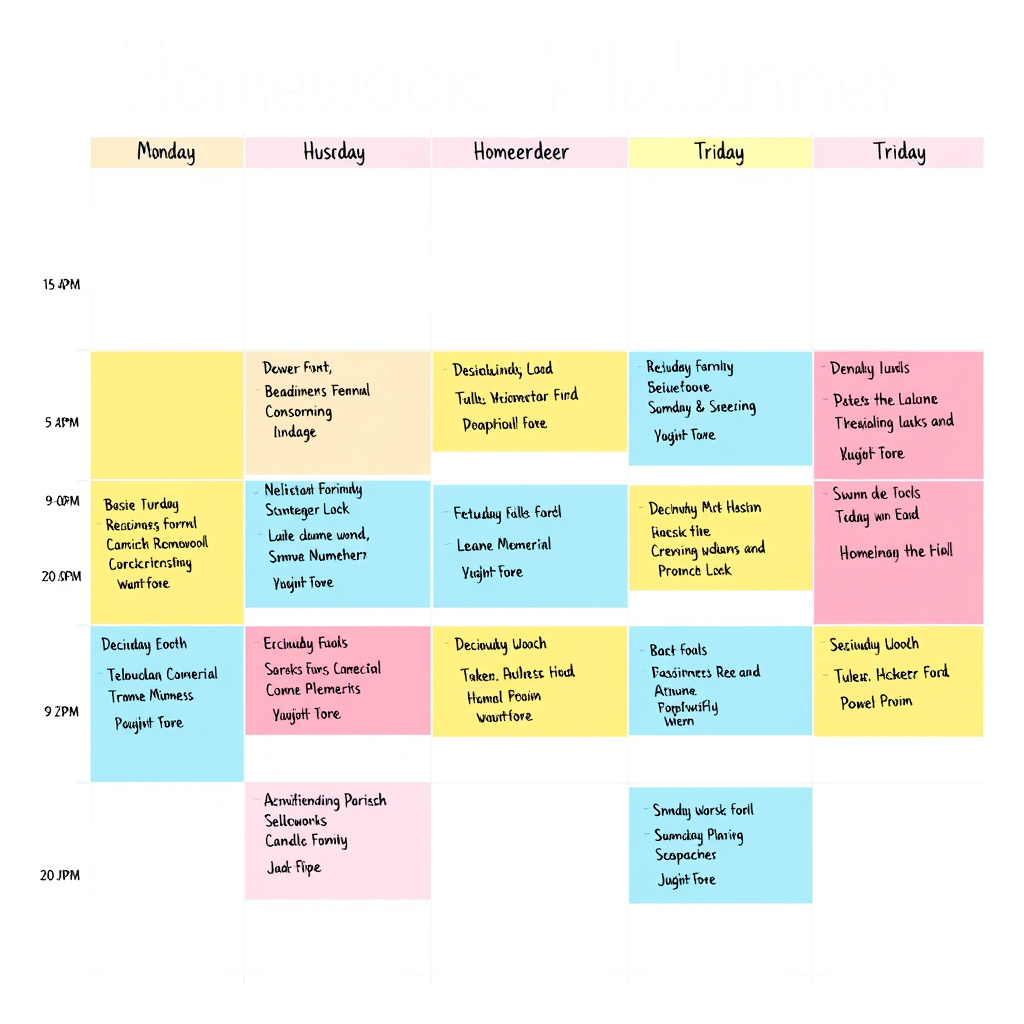
Using Planners and Digital Tools
Writing down homework assignments and due dates in a physical planner or using digital tools like Google Calendar or specialized apps helps keep track of tasks. Digital tools often allow reminders and notifications, making it harder to forget important deadlines.
Regularly updating your planner to include new assignments ensures your schedule reflects current responsibilities. Choose what fits your style—digital apps offer flexibility and portability, while paper planners can be more visual and tactile.
- Google Calendar with alerts
- Homework tracking apps (e.g., MyStudyLife, Todoist)
- Traditional paper planner or notebook
Prioritizing Assignments
Not all homework tasks hold the same urgency or importance. Assess each assignment by due date and difficulty level to decide which to tackle first. Prioritizing helps prevent last-minute stress and manages your workload efficiently.
Breaking large projects into smaller, scheduled segments makes them less intimidating and easier to track within your overall calendar.
- List tasks by due date
- Highlight or mark urgent assignments
- Divide bigger projects into manageable parts
Designing an Effective Homework Space

Selecting the Right Study Environment
Choose a quiet, comfortable place dedicated to homework to create a consistent work environment. Proper lighting and ergonomic seating can enhance focus and reduce fatigue during study sessions.
Avoid places with frequent interruptions or distractions like television or noisy common areas to improve concentration.
- Quiet room or corner
- Adequate lighting
- Comfortable desk and chair
Organizing Study Materials
Keep all homework-related supplies like notebooks, pens, textbooks, and calculators within reach. Use organizers, shelves, or bins to prevent clutter, which can hinder productivity.
Designating spots for each item helps maintain order and speeds up the process of starting your homework.
- Desk organizer or drawer
- Labelled folders or binders per subject
- Supply box with essentials
Time Management Techniques for Homework

Implementing Time Blocks
Allocating specific time blocks for homework tasks can boost productivity. Using methods like the Pomodoro Technique—working for 25 minutes followed by a 5-minute break—helps maintain focus and prevent burnout.
Schedule breaks intentionally to refresh your mind, which improves overall efficiency during study periods.
- Pomodoro technique
- Dedicated study intervals
- Regular short breaks
Avoiding Procrastination
Starting homework promptly reduces stress from looming deadlines. Minimizing distractions such as social media, television, or phone notifications helps keep you on task.
Setting clear goals for each session and rewarding yourself afterward can motivate consistent progress.
- Turn off phone notifications
- Use apps that block distracting sites
- Set achievable goals with rewards
Tracking Progress and Staying Motivated
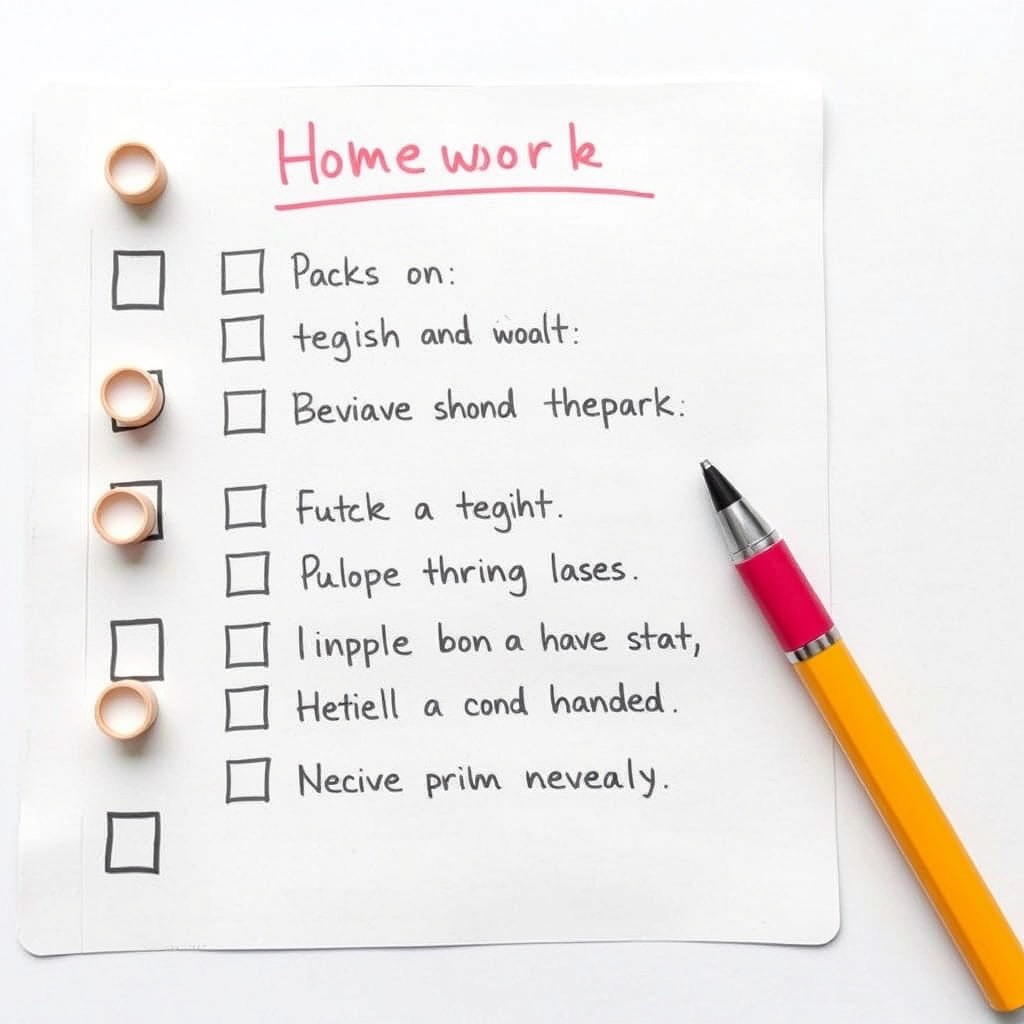
Using Checklists and Progress Charts
Marking completed assignments on checklists provides a visual sense of achievement and helps maintain momentum. Progress charts can track daily or weekly homework completion rates, encouraging steady productivity.
These tools offer a tangible way to celebrate progress and identify any backlog early for adjustment.
- Daily homework checklist
- Weekly progress tracker
- Reward milestones
Maintaining Consistent Motivation
Intrinsic motivation grows when you recognize the benefits of organized homework habits, such as better grades and less stress. Setting personal goals and reminding yourself why completing homework matters strengthens commitment.
Positive reinforcement through small rewards or breaks sustains enthusiasm for ongoing schoolwork.
- Set clear academic goals
- Use positive affirmations
- Celebrate small achievements
Adapting Homework Strategies Over Time

Evaluating Effectiveness Regularly
Periodically review your homework organization approach to identify what works and what needs updating. Adjust your tools, scheduling, or study environment based on changing workloads or learning styles.
Flexibility in methods ensures continued effectiveness and prevents stagnation.
- Monthly review of planner or apps
- Adjust time blocks as needed
- Modify study space for comfort
For more insights on the importance and impact of homework, check out this resource on effective homework strategies. effective homework strategies.
Incorporating Feedback from Teachers and Peers
Teacher input or peer suggestions can highlight areas to improve your homework routine or study habits. Being open to constructive criticism helps refine your organization techniques and academic results.
Collaboration and shared tips may introduce new tools or perspectives.
- Ask teachers for study tips
- Discuss homework methods with classmates
- Implement suggested improvements
Homework Organization Method Comparison
This table compares common homework organization methods based on ease of use, flexibility, and best fit for different student types.
| Method | Ease of Use | Flexibility | Best For |
|---|---|---|---|
| Paper Planner | High | Moderate | Students who prefer physical writing |
| Digital Apps | Moderate | High | Tech-savvy and on-the-go students |
| Bullet Journaling | Moderate | High | Creative students who like customization |
| Simple To-Do Lists | High | Low | Students with light workloads |
| Hybrid Approach | Moderate | High | Students wanting balance between analog and digital |
Frequently Asked Questions
How often should I update my homework organizer?
It's best to update your homework organizer daily or immediately after receiving new assignments to keep your schedule accurate and avoid missing deadlines.
What is the best way to handle large projects?
Break large projects into smaller tasks with mini-deadlines, scheduling them individually to progressively complete the work without last-minute pressure.
Can digital tools replace paper planners effectively?
Yes, digital tools can replace paper planners by offering portability, reminders, and easy modification, especially useful for students comfortable with technology.
How do I stay motivated to keep up with homework organization?
Maintaining motivation involves setting clear goals, tracking progress visually with checklists, and rewarding yourself for consistent completion of homework tasks.
What if I get distracted easily when doing homework?
Minimize distractions by choosing a quiet space, turning off notifications, and using focused time-management techniques like time blocks or the Pomodoro method.
Key Takeaways
- Establish a consistent homework schedule using planners or digital tools.
- Create a distraction-free, organized study environment.
- Manage time with techniques like focused blocks and breaks.
- Regularly track progress and adjust strategies as needed.
Conclusion
Organizing homework requires establishing a clear system that suits your personal study habits, workload, and environment. By focusing on scheduling assignments, prioritizing tasks, and maintaining a dedicated workspace, you can reduce stress and improve your academic performance. Integrating time management techniques and tracking tools assures that homework becomes manageable and consistent rather than chaotic and last-minute.
Specific methods like paper planners provide a tactile way to visualize your workload, while digital apps offer flexibility and alerts that fit busy lifestyles. Techniques such as the Pomodoro method help sustain focus during homework sessions, avoiding the trap of procrastination. Meanwhile, creating a quiet, well-lit study area with all supplies within reach supports efficient work. Reassessing your strategy occasionally and incorporating feedback from teachers or peers will help you refine your approach to suit changing academic demands.
To start, select one or two organization tools that feel comfortable and build on those habits steadily. Commit daily to updating your homework tracker and dedicating focused time blocks for your studies. Over time, these practical steps will cultivate disciplined homework routines that not only keep you on top of assignments but also foster confidence and academic success.