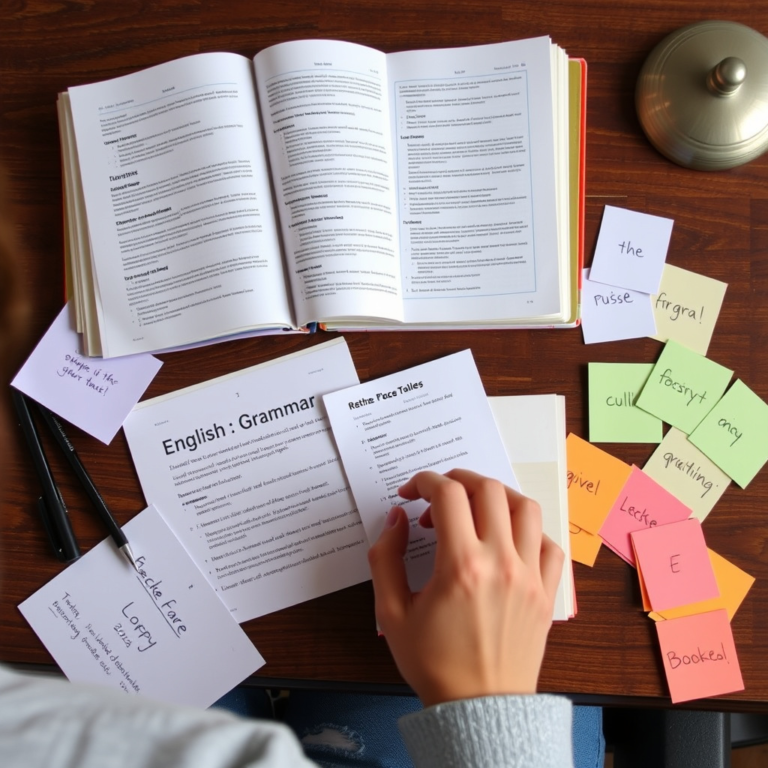
How to Organize School Work for Better Productivity and Success
Organizing school work begins with creating a clear and consistent system that helps you track assignments, deadlines, and study materials efficiently. Start by gathering all your tasks in one place and prioritizing them according to urgency and importance. Using planners or digital tools can streamline this process and keep your workload manageable.
Well-organized school work can reduce stress, improve time management, and enhance learning outcomes. When you maintain order with your notes, assignments, and schedules, it’s easier to focus on studying and complete tasks on time. This practical approach encourages consistent progress instead of last-minute cramming.
This article covers essential methods for organizing your school work, including time management, digital tools, study habits, workspace setup, and ways to maintain motivation. By applying these strategies, you can make your academic life more structured and productive.
Effective Planning and Scheduling

Creating a Realistic Study Schedule
A realistic study schedule involves allocating specific blocks of time for each subject or assignment daily or weekly. Factor in your peak focus hours and breaks to balance productivity and prevent burnout. This schedule should be flexible yet structured enough to keep you on track.
Use tools like calendars or planner apps to visualize deadlines and upcoming tests. Regularly updating your schedule allows you to adapt to any changes and stay prepared.
- Set study blocks based on your attention span
- Include buffer time for unexpected tasks
- Review and adjust weekly
Prioritizing Tasks Effectively
Prioritize tasks by due dates and the effort required. Use a triage method like the Eisenhower Box — dividing tasks into urgent/important categories — to allocate your time efficiently. This prevents neglecting critical assignments or projects.
Breaking larger assignments into smaller, manageable tasks also helps maintain steady progress and reduces procrastination.
- List all assignments with deadlines
- Classify tasks by urgency and impact
- Focus on high-priority tasks first
Organizing Study Materials

Sorting and Labeling Notes
Keep your notes organized by subject and date. Use color-coded folders or digital tags for easy retrieval. Regularly review and weed out outdated or unnecessary notes to maintain clarity.
Digital note-taking apps can integrate your notes across devices and allow for quick searches, which speeds up study sessions.
- Use separate notebooks or binders per subject
- Label notes clearly with dates and topics
- Digitize handwritten notes when possible
Managing Digital Resources
Digital organization involves structuring your files and bookmarks logically. Create specific folders for each class or project, and back up important documents regularly to avoid data loss.
Bookmark educational websites and resources with descriptive titles so you can quickly access study materials without wasting time searching.
- Organize files with clear folder hierarchy
- Regularly clean and update digital storage
- Utilize cloud services for secure backups
Optimizing Your Study Environment

Creating a Distraction-Free Workspace
An ideal study space is quiet, well-lit, and devoid of distractions like mobile devices or noisy environments. Arrange your desk to have only essential supplies and materials readily available to foster concentration.
Personalize your space minimally to keep motivation high but avoid clutter that may detract from focus.
- Choose a consistent study spot
- Remove non-essential electronics
- Keep necessary supplies within reach
Implementing Time-Blocking Techniques
Use time-blocking by assigning specific periods for study, breaks, and review. This approach helps build a routine and reinforces discipline, increasing your ability to stay organized with school work.
Tools like timers or productivity apps can signal when to shift activities, encouraging adherence to your planned study schedule.
- Divide study time into focused intervals
- Schedule frequent short breaks
- Adjust timing based on task complexity
Utilizing Digital Tools for Organization

Task Management Apps and Their Benefits
Apps like Trello, Todoist, and Microsoft To Do allow tracking assignments, setting reminders, and breaking projects into subtasks. These tools provide visual progress tracking, keeping you motivated and accountable.
Some apps also allow collaboration for group projects, consolidating communication and tasks in one place.
- Set deadlines and notifications
- Organize tasks by priority
- Use collaborative features when needed
Note-Taking Apps to Enhance Learning
Apps such as Evernote, OneNote, or Notion facilitate organized note-taking with multimedia support and easy editing. Features like searchability and tagging make reviewing large volumes of information faster and more efficient.
Cloud synchronization ensures access to your notes from multiple devices at any time.
- Integrate multimedia in notes
- Use tags and categories for sorting
- Sync across devices for flexibility
Maintaining Motivation and Consistency

Reward Systems to Encourage Progress
Setting small rewards for completing tasks can make organizing and studying more engaging. Whether it’s a short break, a snack, or leisure activity, these incentives maintain motivation over longer periods.
Consistency in rewarding yourself reinforces positive study habits and helps avoid burnout.
- Break tasks into milestones
- Assign meaningful rewards
- Track rewards alongside tasks
For a broader understanding of effective study habits and organization strategies, see study skills on Wikipedia. study skills on Wikipedia.
Dealing with Procrastination
Identify reasons behind procrastination, such as overwhelming tasks or distractions, and address them through time management or workspace changes. Use the Pomodoro Technique or accountability partners to stay focused.
Reminding yourself of academic goals and visualizing successful outcomes can also improve commitment.
- Break work into smaller steps
- Limit distractions proactively
- Use timers and accountability
School Work Organization Methods Comparison
Here's a comparison of popular school work organization methods to help you select the best fit for your learning style and needs.
| Method | Tool Type | Best For | Key Features |
|---|---|---|---|
| Paper Planner | Physical | Traditional learners | Visual scheduling, tactile interaction |
| Digital Calendar | App/Software | Tech-savvy students | Automatic reminders, sync across devices |
| Task Management Apps | App/Software | Project-heavy courses | Task breakdown, collaboration features |
| Note-Taking Apps | App/Software | Organized note collectors | Searchable notes, multimedia integration |
| Bullet Journaling | Physical | Creative planners | Customizable layouts, creativity in tracking |
Frequently Asked Questions
What is the easiest way to start organizing school work?
Begin by collecting all your assignments and deadlines in one planner or app. Prioritize tasks based on urgency and work on creating a daily or weekly study routine to stay on top of your workload.
How can I manage multiple subjects effectively?
Divide your schedule into specific blocks dedicated to each subject, and keep notes and materials for each separated either physically or digitally to avoid confusion and ensure focused study sessions.
Are digital tools better than traditional paper planners?
Both have strengths; digital tools offer convenience and reminders, while paper planners provide tactile engagement. Choose what fits your habits and improves your consistency in managing school work.
How do I keep motivated to maintain my school work organization?
Set achievable goals and reward yourself after completing tasks. Consistency and regular reviews of your progress also help build sustained motivation and positive habits.
What if I keep procrastinating despite organizing my work?
Try breaking tasks into smaller steps, use techniques like Pomodoro for focused work intervals, and minimize distractions. Seeking support from peers or mentors can also improve accountability.
Key Takeaways
- Create and maintain a structured study schedule with priorities.
- Keep study materials and notes organized by subject and date.
- Optimize your study environment to minimize distractions.
- Use digital tools strategically to support your organization.
Conclusion
Choosing how to organize school work effectively involves balancing structure with flexibility. Developing a system that fits your daily habits and study patterns, such as time-blocking or using digital planners, provides a reliable framework to manage your assignments without feeling overwhelmed. Real progress comes from consistency, so building routines that you can maintain over time is key for sustained academic success.
For students managing diverse coursework, breaking tasks into smaller pieces within task management apps or bullet journaling can help track complex projects. Those needing quick visual reminders might prefer digital calendars, while tactile learners often benefit from physical planners. Integrating some of the best study organization techniques, like prioritizing urgent work, decluttering notes, and creating distraction-free spaces, produces tangible improvements in productivity.
Start small by setting up your study space and creating a simple schedule, then gradually introduce tools and methods that work best for your learning style. Regularly reassess your approach to adapt as your workload changes. Ultimately, organizing your school work is about finding consistent, manageable ways to keep on top of assignments and cultivate productive study habits for long-term achievement.