How to Help a Child Who Hates Reading: Practical Strategies That Work
If your child hates reading, the most effective approach is to create a positive and pressure-free reading environment tailored to their interests and pace. Instead of insisting they read traditional books, introduce engaging formats like graphic novels, audiobooks, or interactive apps that match their preferences.
Many children resist reading because they find it challenging or boring, which can lead to frustration and avoidance. Helping them enjoy reading is not just about improving literacy but also about fostering curiosity and imagination that benefits other areas of their development.
This article explores techniques to help a child who hates reading, including identifying their interests, choosing the right materials, building confidence, and making reading a fun, regular part of their life.
Understanding Why a Child Hates Reading

Common Reasons Kids Avoid Reading
Children may dislike reading due to difficulties like poor decoding skills, limited vocabulary, or undiagnosed learning disabilities such as dyslexia. Emotional factors such as anxiety or past negative experiences with reading tasks can also cause avoidance.
Recognizing these underlying causes is essential to address the real problem rather than simply pushing for more reading, which can exacerbate resistance and stress.
- Reading challenges or learning disorders
- Lack of interest in assigned reading materials
- Pressure from adults leading to negative feelings
- Limited exposure to enjoyable reading experiences
Behavioral Signs That Indicate Reading Issues
Signs such as frequent avoidance, tantrums about homework, slow reading pace, or excessive guessing at words can highlight why a child hates reading. Observing these behaviors can help caregivers respond thoughtfully.
Early identification allows for tailored support that improves skills and attitudes, making reading feel less like a chore and more like a choice.
Selecting the Right Reading Materials
Matching Books to Interests and Reading Level
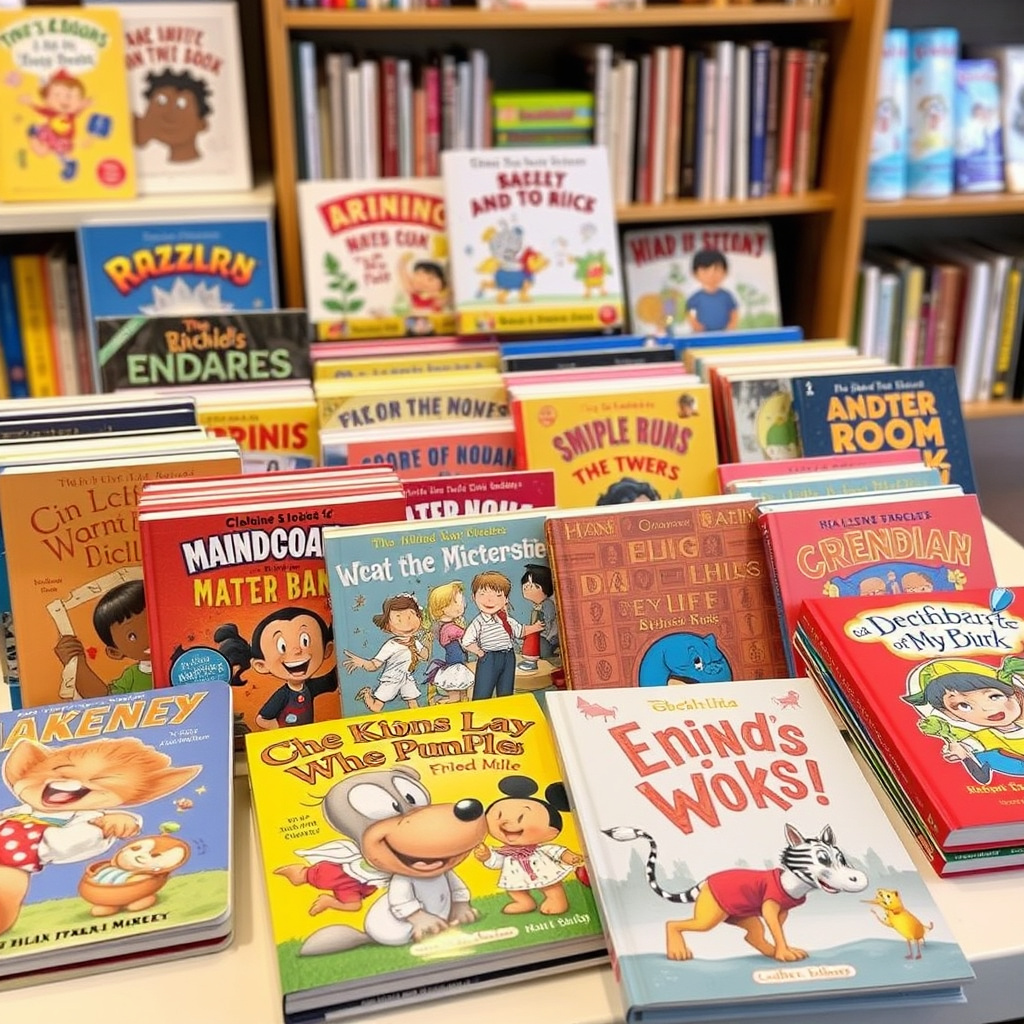
Starting with subjects the child enjoys, whether it’s dinosaurs, sports, or fantasy worlds, can transform reading into an exciting discovery rather than a task. Choosing books that align with their current reading level avoids frustration and builds confidence.
Materials like graphic novels, comic books, or magazines often appeal to reluctant readers because their visuals and shorter texts make comprehension easier and more engaging.
- Identify hobbies and favorite topics
- Use leveled readers to find appropriate difficulty
- Incorporate diverse formats like picture and audio books
Using Audiobooks and Interactive Apps
Audiobooks bring stories to life through narration, helping children hear fluent reading and improve vocabulary without the pressure of decoding text. Many apps also integrate games and reading comprehension features that capture attention.
This multi-sensory approach benefits especially those who struggle with traditional reading or who prefer listening, helping 'encourage kids to read' by making stories accessible and enjoyable.
Creating a Supportive Reading Environment

Establishing a Comfortable and Consistent Reading Routine
Set aside a daily time dedicated to reading in a distraction-free, cozy area. Consistency helps form habits and provides predictability that can reduce resistance.
The environment should invite curiosity and relaxation rather than pressure, encouraging the child to explore books willingly rather than as an obligation.
- Choose a quiet, well-lit space
- Make reading time special and fun without strict time limits
- Keep a diverse selection of books accessible
Modeling Reading Behavior and Family Involvement
Children learn by example, so seeing parents or siblings enjoy reading reinforces its value. Reading together, discussing stories, and sharing books creates positive associations and motivates reluctant readers.
Engaging in conversations about books can also improve comprehension and make reading a shared, social activity rather than a solo task.
Encouraging and Motivating Reluctant Readers

Positive Reinforcement and Goal Setting
Praise effort rather than accuracy to build confidence. Setting small, achievable reading goals and celebrating progress with rewards can keep motivation high without causing stress.
Avoid punitive measures and instead focus on creating a positive connection to reading successes, which helps diminish anxiety toward books.
- Use sticker charts or reading logs
- Set realistic time or page goals
- Offer praise and encouragement consistently
Incorporating Choice and Autonomy
Allowing children to select their reading materials grants them control, which can reduce resistance. Offering choices between different books or types of reading activities engages their preferences.
Respecting their selections promotes ownership of reading and aligns with intrinsic motivation theories, ultimately helping foster a lifelong habit.
Supporting Reading Skill Development

Targeted Skill Practice Through Games and Activities
Phonics games, word puzzles, and sight word flashcards can make skill-building lively and interactive. These methods help a child overcome decoding challenges by turning practice into play.
Skill practice should be patient and paced according to the child’s comfort, contributing gradually to greater reading fluency.
- Use phonics apps and board games
- Create flashcards for tricky words
- Involve multi-sensory learning tools
Professional Support When Needed
If persistent struggles or behavioral signs indicate possible learning disabilities, consulting a reading specialist or educational psychologist is wise. Early diagnosis and intervention prevent long-term frustration.
Specialists can provide tailored strategies and recommend resources that align with the child's unique learning style.
Making Reading Fun and Social

Participating in Storytimes and Book Clubs
Library story hours and book clubs offer social settings where children hear stories read aloud and discuss books with peers. This creates excitement and normalizes reading as a shared experience.
Interaction with other children who enjoy reading can inspire reluctant readers to join in and feel part of a community.
- Attend weekly story sessions
- Join age-appropriate book clubs
- Engage in post-reading discussions
For understanding reading difficulties more deeply, the reading disorder information from the International Dyslexia Association offers valuable insights. reading disorder information from the International Dyslexia Association.
Integrating Technology for Interactive Reading
Digital platforms with interactive stories, quizzes, and rewards can engage children used to screen time. This approach leverages their natural attraction to technology, channeling it into literacy development.
Combined with supervision and balance, tech-based reading can complement traditional methods smoothly.
Types of Reading Materials for Reluctant Readers Compared
This table compares various reading formats to help identify which might best suit a child who hates reading.
| Material Type | Engagement Level | Reading Skill Support | Accessibility | Best For |
|---|---|---|---|---|
| Graphic Novels | High | Moderate | Widely available online and in print | Visual learners and reluctant readers |
| Audiobooks | Moderate | High (listening skills) | Available via apps and libraries | Struggling decoders or auditory learners |
| Picture Books | Moderate | Basic | Easy access in libraries and stores | Early readers and younger children |
| Interactive Apps | High | Varies (often high) | Requires device and internet | Tech-savvy children seeking interactivity |
| Traditional Chapter Books | Variable | High | Common in print and digital | More advanced readers with patience |
Frequently Asked Questions
What if my child still refuses to read despite my efforts?
If resistance continues, consider consulting a reading specialist to assess for learning difficulties. Meanwhile, keep reading sessions short and stress-free, and explore diverse formats that might reignite interest.
How can I motivate my child without forcing them?
Offer choices, praise all attempts, and incorporate fun activities around reading. Making reading a shared and enjoyable experience increases motivation without pressure.
Are audiobooks really effective for children who dislike reading?
Yes, audiobooks expose children to stories and vocabulary in an accessible way, helping develop language skills and often making them curious to try reading on their own.
Can technology replace traditional reading for reluctant kids?
Technology complements but doesn’t replace traditional reading. Interactive apps and e-books can engage kids, but balanced exposure to physical books is beneficial for developing diverse literacy skills.
How do I know if my child has a reading disorder?
Signs include consistent difficulty decoding words, reading slowly, and avoiding reading tasks. A professional assessment is needed for a diagnosis and to plan appropriate interventions.
Key Takeaways
- Identify your child's unique reading challenges and interests to tailor support.
- Offer diverse and engaging reading materials like graphic novels and audiobooks.
- Create a comfortable, pressure-free reading environment with family involvement.
- Use positive reinforcement and allow choices to build motivation and confidence.
Conclusion
Helping a child who hates reading takes patience and a thoughtful approach focused on their individual needs and preferences. Recognizing that resistance often stems from skill gaps or negative experiences allows caregivers to respond constructively. Building an encouraging environment where reading is connected to enjoyment and personal interests is key to transforming attitudes gradually rather than demanding immediate change. This mindset shift offers a more sustainable path to literacy improvement.
Different strategies suit different children. For those who dislike reading traditional texts, options like graphic novels or audiobooks can spark interest. Encouraging kids to read through choice-driven activities, combined with consistent positive reinforcement, fosters confidence and a sense of autonomy. When reading difficulties persist, professional support such as tutoring or evaluations can provide effective, targeted help, preventing further frustration.
Ultimately, your role is to support and adapt as your child develops. Begin with materials that appeal to them and expand gradually, making reading a shared, enjoyable experience. Regularly revisiting their preferences and celebrating effort rather than perfection makes reading less intimidating. If unsure where to start, visiting your local library or consulting a literacy expert can offer personalized guidance and resources tailored to your child's journey.