How to Help a Child Who Hates Math: Practical Strategies That Work
If your child hates math, the best immediate step is to approach their struggle with patience and practical support that fits their unique learning style. Understanding why they dislike math—whether it's due to difficulty grasping concepts, fear of failure, or lack of interest—is key to helping them overcome their aversion. With consistent, tailored strategies, you can guide your child toward gaining confidence and eventually enjoying math.
Math anxiety or resistance often stems from experiences of frustration or pressure, which is why building a positive learning environment matters. Supporting your child’s math journey early on can also shape how they view problem-solving and logical thinking, skills that benefit them beyond the classroom. Introducing engaging, age-appropriate resources and connecting math to real-world scenarios may shift their perspective.
This article will explore clear, actionable approaches to help a child who hates math. From identifying root causes and creating supportive routines to using games, technology, and real-life applications, you’ll find varied options for making math less intimidating and more enjoyable. We’ll also cover tips for collaboration with teachers and knowing when to seek extra help.
Understanding the Root Causes of Math Aversion

Identifying Emotional Barriers to Math
Many children develop a dislike for math due to emotional blocks such as anxiety, fear of failure, or past negative experiences with math tests or homework. Recognizing these feelings helps tailor supportive methods that reduce pressure.
Signs of emotional barriers include avoidance of math tasks, frequent complaints, or stress symptoms like headaches. Open conversations where the child can express their worries without judgment create a foundation for trust and more effective intervention.
- Math anxiety or stress
- Low self-confidence related to math skills
- Frustration from previous struggles
Common Learning Difficulties Behind Math Resistance
Sometimes math dislike arises from learning gaps or cognitive challenges like dyscalculia, which impact number sense and calculation ability. Early identification of such difficulties allows for targeted support.
Observation of persistent errors, slow progress, or confusion despite effort might indicate learning issues. Collaborating with educators or specialists for assessment can provide clarity and direct appropriate tools.
- Difficulty understanding basic operations
- Problems with memory and sequencing in math tasks
Creating a Positive and Encouraging Learning Environment

Building Confidence Through Encouragement
Children respond well to positive reinforcement that highlights effort rather than just correct answers. Praising small successes helps build their math self-esteem gradually.
Avoiding criticism and framing mistakes as learning opportunities can transform math into an engaging challenge rather than a source of fear. Setting achievable goals and celebrating each milestone fosters a growth mindset.
- Use encouraging language and tone
- Celebrate progress frequently
- Avoid harsh reactions to mistakes
Setting Up a Consistent Math Routine
Regular, predictable math practice helps children gain familiarity and reduces anxiety. Short daily sessions with breaks maintain attention without overwhelming them.
Incorporating math into everyday activities creates natural opportunities to practice skills. Consistency combined with flexibility in approach makes math part of normal life, easing resistance.
- Daily math practice sessions of 15-20 minutes
- Integrate math into cooking, shopping, or games
Using Games and Interactive Tools to Make Math Enjoyable
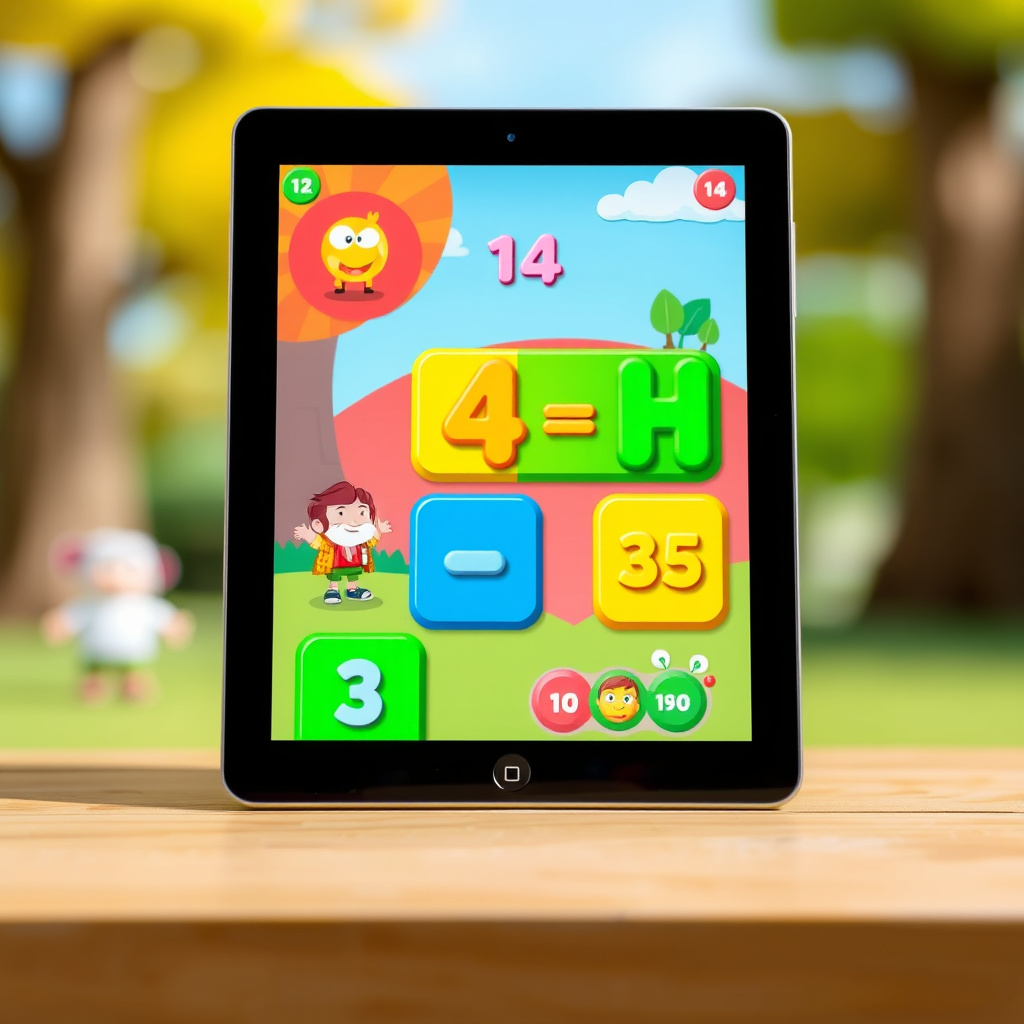
Digital and Board Games to Enhance Learning
Interactive math games offer hands-on experience and visual feedback that engage children differently than traditional worksheets. Many apps tailor challenges to skill levels, providing instant rewards and gradual complexity.
Board games focusing on numbers and strategy develop critical thinking while making math playful. Incorporating games consistently sustains motivation and lessens the pressure around math practice.
- Math puzzle apps like DragonBox or Prodigy
- Classic games like Monopoly or Sudoku
Incorporating Visual and Manipulative Aids
Using physical objects like blocks, counting beads, or fraction circles can help children visualize abstract math concepts. This hands-on approach anchors learning in tangible experience.
Visual aids support understanding of operations, place value, and geometry by breaking down problems into recognizable parts. Tailoring these tools to the child’s interests further enhances engagement.
- Number lines and base-ten blocks
- Shape sets for geometry concepts
Connecting Math to Real-Life Situations

Using Everyday Activities to Teach Math
Involving children in activities such as cooking, shopping, or measuring projects applies math skills in meaningful contexts. Estimation, addition, and fractions become relevant and understandable.
Real-world math shows usefulness beyond the classroom, increasing motivation to learn. Parents can pose questions during daily routines that invite problem-solving dialogue.
- Calculating change when shopping
- Measuring ingredients in recipes
Encouraging Problem-Solving Through Projects
Simple home projects like building birdhouses or gardening incorporate planning and measurement, reinforcing math concepts practically. Children gain a sense of accomplishment applying math:
These experiences deepen understanding by linking numbers to concrete results, reducing math anxiety through hands-on success.
- Building models requiring measurement
- Budgeting for small personal projects
Collaborating with Educators and Seeking Additional Support
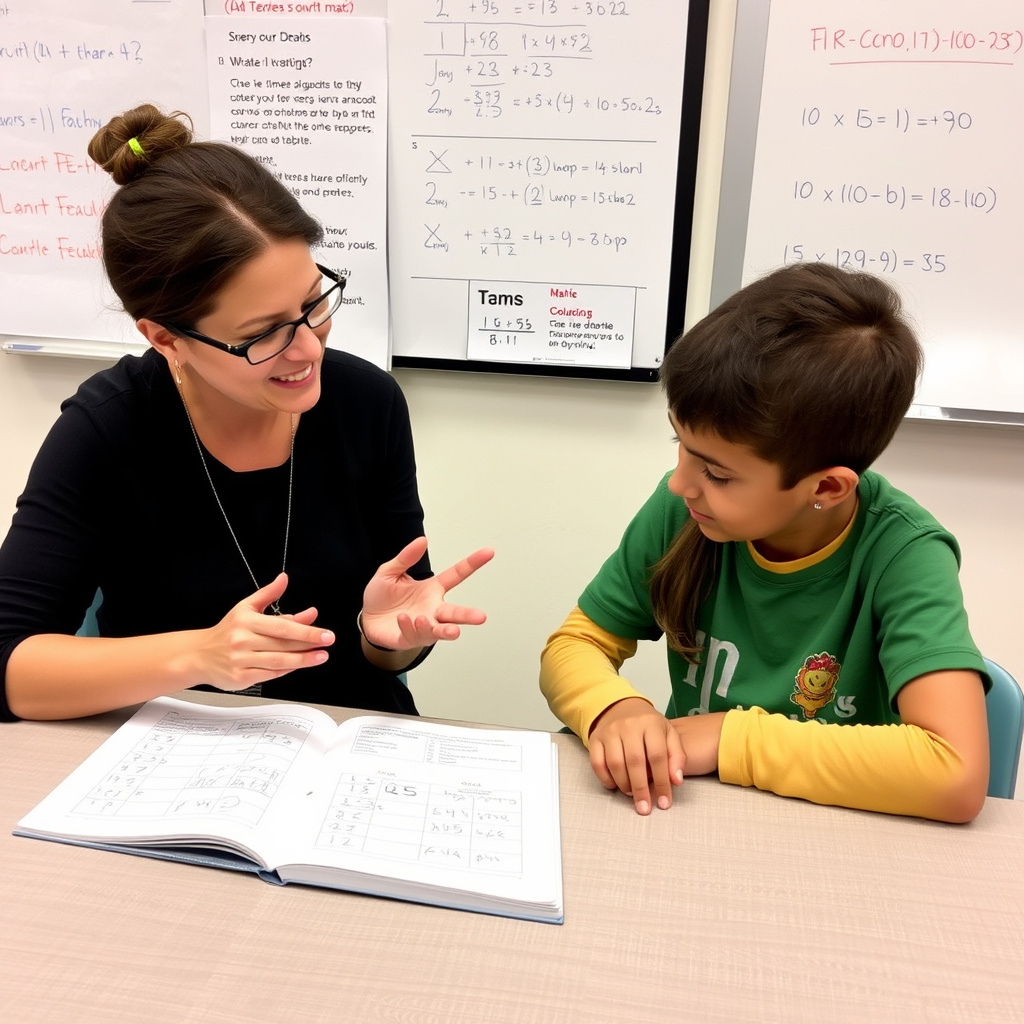
Communicating with Teachers to Align Strategies
Parents and teachers working together can create consistent support plans. Sharing observations about the child's math struggles helps teachers adapt lessons or suggest resources.
Regular communication about progress and challenges ensures that home and school reinforce one another, minimizing conflicting messages and improving outcomes.
- Request progress updates and feedback
- Discuss accommodations or modifications if needed
Considering Tutoring or Specialist Help
Professional tutors or math specialists can provide personalized instruction addressing specific gaps or difficulties. One-on-one guidance boosts confidence and clarifies complex topics.
If a learning disability is suspected, assessment by a specialist can open doors to targeted interventions and accommodations that facilitate success.
- Private math tutoring sessions
- Educational psychologist evaluations
Building Long-Term Motivation and Positive Attitudes Toward Math
Encouraging a Growth Mindset in Math Learning
Helping children see math ability as improvable rather than fixed encourages persistence. Emphasizing effort and strategies over innate talent builds resilience when challenges arise.
Teaching phrases like “I’m not there yet” fosters a positive mindset, leading children to embrace setbacks as chances to learn and improve.
- Use growth mindset language
- Model learning from mistakes
For further reading about the emotional challenges many children face with math, consult this comprehensive math anxiety overview. math anxiety overview.
Setting Goals and Tracking Progress to Sustain Interest
Goal setting helps children focus on achievable improvements and see their own growth. Visual trackers or reward charts can motivate continued engagement by making progress visible.
Celebrating milestones no matter how small maintains enthusiasm and reinforces the connection between effort and success.
- Create math achievement charts
- Set short-term and long-term goals
Comparison of Math Learning Support Options
Here’s a table summarizing common approaches to supporting a child who hates math, with their key benefits and ideal use cases.
| Support Method | Best For | Pros | Cons |
|---|---|---|---|
| Hands-on Manipulatives | Visual learners and beginners | Tangible understanding, engaging | Limited use for advanced math |
| Educational Apps and Games | Tech-savvy children | Fun, adaptive difficulty, instant feedback | Screen time concerns, some cost |
| Real-Life Application | Practical learners | Makes math relevant, builds problem-solving | Requires adult involvement |
| Tutoring and Specialist Support | Struggling students or learning disabilities | Personalized help, targeted strategies | Costly, scheduling constraints |
Frequently Asked Questions
What causes a child to hate math?
A child may dislike math due to previous frustration, lack of understanding, anxiety, or learning difficulties. Emotional stress and negative experiences often cause aversion.
How can I make math less intimidating for my child?
Start with small, positive experiences using games and real-life examples, provide praise for effort, and avoid pressuring them. Consistent gentle practice helps build confidence.
Are math games effective for learning?
Yes, math games can engage children by providing interactive challenges and immediate feedback, making abstract concepts more accessible and enjoyable.
When should I seek tutoring for my child’s math struggles?
Consider tutoring if your child consistently struggles despite effort, shows signs of learning difficulties, or experiences anxiety that affects their progress.
Can everyday activities really help with learning math?
Absolutely. Activities like shopping or cooking incorporate math naturally, making skills practical and relevant, helping children see math beyond the classroom.
Key Takeaways
- Understanding root causes can inform effective math support.
- Positive reinforcement builds confidence and reduces anxiety.
- Hands-on tools and games make learning engaging and fun.
- Collaboration with teachers and specialists enhances progress.
Conclusion
Helping a child who hates math starts with recognizing the unique reasons behind their aversion—whether emotional, cognitive, or environmental. A patient, supportive approach that prioritizes understanding over correction sets the stage for positive change. Tailoring strategies to their learning style and interests turns math from a frustrating chore into a manageable challenge. Integrating encouragement and consistent practice supports steady progress and helps build resilience.
Practical methods like using math games, manipulatives, and connecting math to everyday life can transform a child’s experience. For some, professional tutoring or specialist evaluation is the key to addressing underlying difficulties. Employing goal setting and nurturing a growth mindset sustains motivation over time. This way, children learn to appreciate math as a useful and approachable skill rather than a source of fear.
The best next step is to observe your child’s responses to different approaches while maintaining open communication with teachers and caregivers. Experiment gradually with interactive tools and real-world math, celebrate incremental successes, and adjust routines to fit your child’s pace. Over time, with consistent support and understanding, children often develop confidence and even enjoyment in math.