How to Help a Child with Reading: Effective Strategies for Early Literacy Support
Helping a child with reading starts with creating a supportive environment that encourages practice, patience, and engagement. This involves understanding their current reading level, using age-appropriate materials, and incorporating activities that build phonics, vocabulary, and comprehension skills.
Reading is a fundamental skill that shapes academic success and personal growth. Children develop reading abilities at different paces, making tailored support vital for addressing their unique strengths and challenges. Early intervention can prevent future struggles and boost confidence as they advance.
This article covers practical methods for assisting children in reading, including choosing suitable books, using interactive strategies, recognizing reading difficulties, and tracking progress. It also includes comparisons of reading tools and answers to common parental concerns.
Understanding the Basics of Reading Development

Stages of Reading Acquisition
Children progress through sequential stages as they learn to read, starting with recognizing letters and sounds, moving toward decoding words, and later developing fluency and comprehension. Knowing these stages helps parents provide appropriate support.
Early stages focus heavily on phonemic awareness and letter-sound recognition, while later stages emphasize sentence structure and meaning extraction. Tailoring approaches to these phases increases effectiveness.
- Pre-reading: letter recognition and sounds
- Early reading: decoding simple words
- Fluent reading: speed and comprehension
Common Reading Challenges
Some children struggle with reading due to various factors, including difficulties with phonics, limited vocabulary, or attention deficits. Identifying specific challenges early makes targeted intervention possible.
Challenges can also stem from learning disabilities such as dyslexia. Awareness of these issues helps in choosing the right techniques and when to seek professional assessment.
Practical Reading Support Strategies

Creating a Reading-Friendly Environment
A reading-friendly environment includes accessible books, quiet times for reading, and regular reading routines. Setting up a cozy reading nook can motivate children to spend more time with books independently.
The environment should also minimize distractions and include diverse reading materials aligned with the child's interests and reading level.
- Dedicated reading space at home
- Consistent daily reading schedule
- Access to a variety of books and materials
Interactive Reading Techniques
Engaging children in reading aloud, asking predictive questions, and discussing stories enhances comprehension and keeps enthusiasm high. Interactive approaches make reading a shared experience rather than a solitary task.
Techniques like echo reading, where the child repeats sentences after the adult, and pointing to words help with word recognition and fluency.
- Reading aloud and echo reading
- Asking questions about story predictions
- Encouraging children to retell stories
Using Tools to Enhance Children's Reading Development
Books and Printed Materials
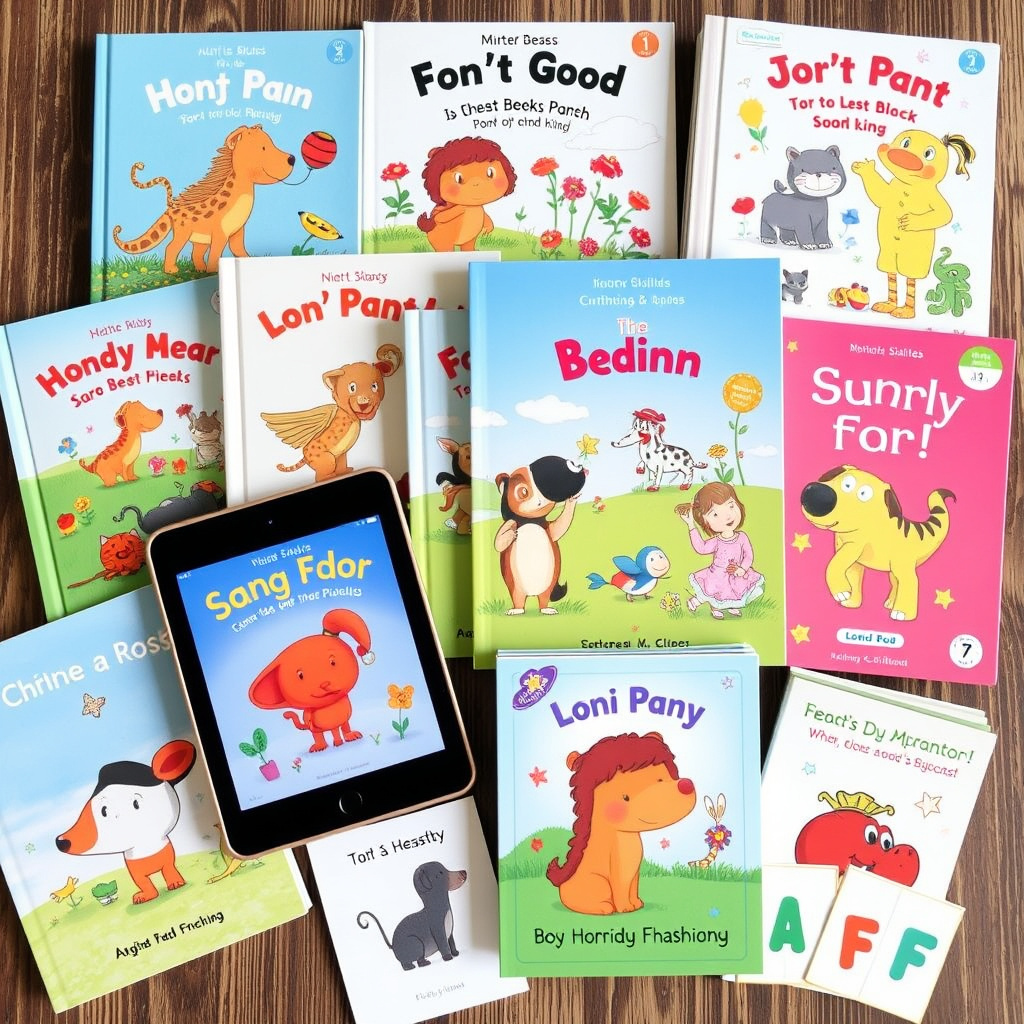
Choosing books appropriate for the child's reading level and interests is crucial. Picture books, leveled readers, and phonics-based books provide gradual complexity to build skills comfortably.
Printed materials also include worksheets and flashcards that reinforce alphabet knowledge and vocabulary.
- Leveled reading books for gradual progress
- Phonics readers focusing on specific sounds
- Flashcards for sight words and letter recognition
For more on this, see our related guide: Effective Homework Help Tips for Students in Doral FL.
Educational Technology and Apps
Digital tools like reading apps can supplement traditional methods with interactive phonics games, story read-alongs, and progress tracking. Selecting age-appropriate apps that encourage reading habits without distractions is essential.
Many apps offer adaptive learning paths tailored to the child's abilities, making them useful for personalized practice.
- Interactive phonics and vocabulary games
- E-books with read-aloud features
- Progress tracking and adaptive learning
Monitoring Progress and Addressing Difficulties
Tracking Reading Milestones
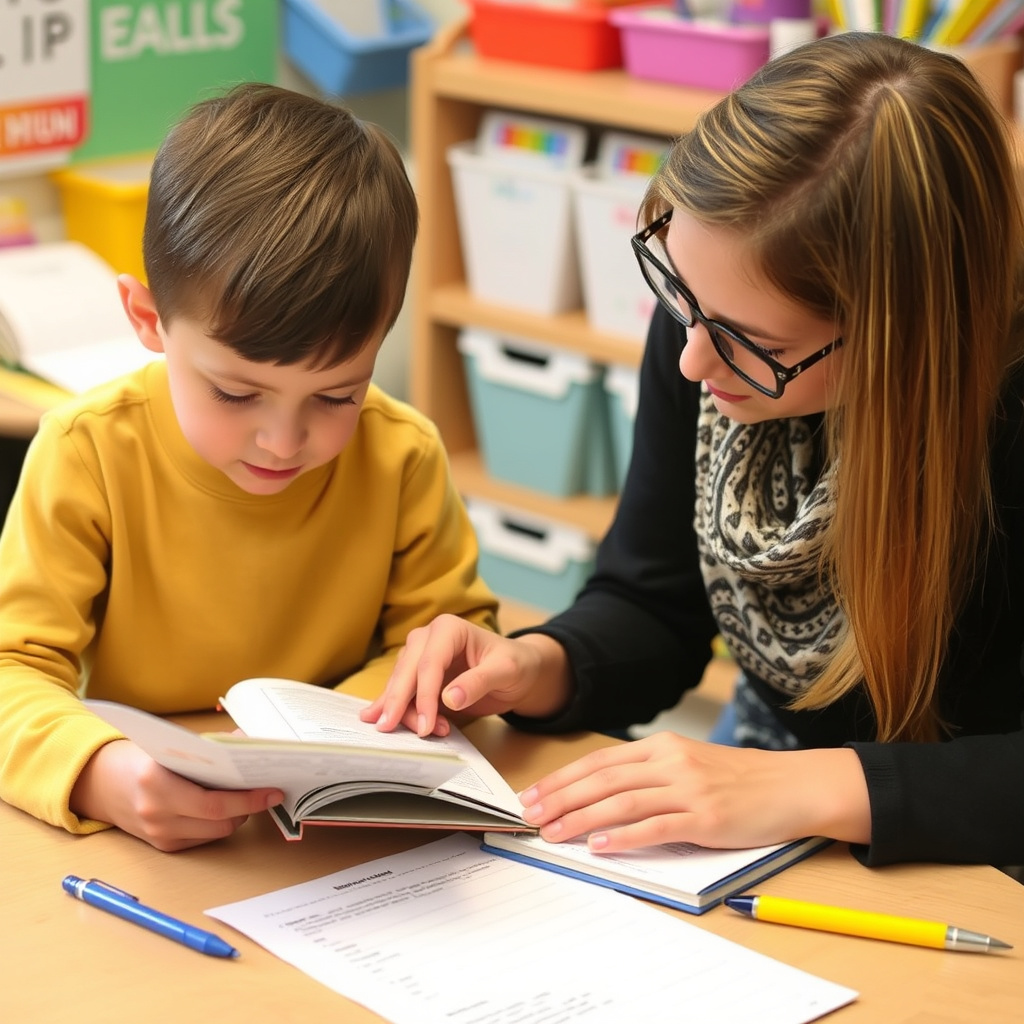
Keeping a record of reading milestones, such as word recognition speed, comprehension, and fluency, helps assess if the child is progressing well. Regular informal assessments can guide adjustments in teaching strategies.
Parents and educators can use checklists or reading logs to document achievements and areas needing attention.
- Recording reading accuracy and fluency
- Noting comprehension through questioning
- Adjusting reading levels based on progress
When to Seek Professional Help
If a child shows persistent difficulty with decoding, comprehension, or shows frustration with reading tasks, consulting specialists such as reading therapists or educational psychologists can provide targeted support.
Early diagnosis of learning disabilities enables access to specialized programs that significantly improve reading skills.
Encouraging a Lifelong Love of Reading

Fostering Curiosity and Interest
Choosing books on topics that fascinate the child nurtures their curiosity and motivation to read more. Storytelling and relating reading material to real life can make reading meaningful and enjoyable.
Allowing children to select their own books empowers their reading choices and promotes ownership of the learning process.
- Selecting books based on child’s interests
- Using stories to connect with real experiences
- Encouraging book choices for self-motivation
For more on this, see our related guide: How to Choose the Best After School Tutoring in Doral FL for Your Child.
Involving Family and Community
Reading routines that include family members and community events, like library story hours, create a social and supportive reading culture. This collective involvement reinforces positive reading habits.
Sharing books and discussing stories within family circles add social value to reading.
- Family reading times and shared stories
- Participation in library programs and book clubs
- Creating book exchange groups with peers
Addressing Specific Needs in Reading Development
Supporting Children with Dyslexia
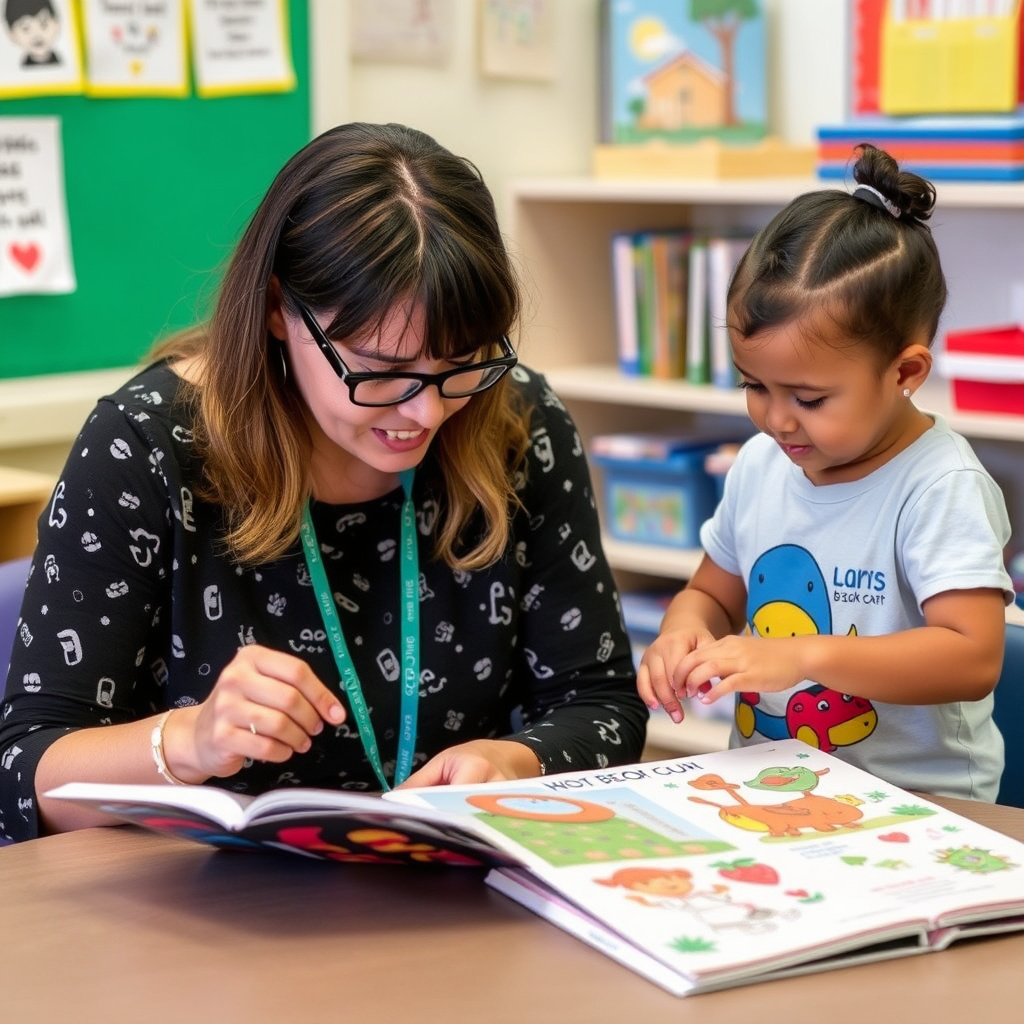
Children with dyslexia benefit from multisensory approaches that integrate visual, auditory, and tactile elements to reinforce learning. Structured literacy programs tailored for dyslexia improve decoding and spelling.
Patience and consistent practice with expert guidance foster steady progress despite challenges.
- Multisensory instruction techniques
- Use of structured literacy programs
- Regular, supportive feedback
To learn more about the stages children typically go through while learning to read, check out this detailed guide on reading development stages. reading development stages.
Helping English Language Learners
English language learners often need expanded vocabulary support and cultural context to grasp reading material fully. Using bilingual resources and visual aids bridges language gaps effectively.
Building foundational language skills alongside reading fosters better comprehension and confidence.
- Bilingual books and vocabulary exercises
- Visual context with pictures and gestures
- Integrating language learning with reading practice
Comparison of Popular Reading Support Categories
Here is a comparison of different reading support options including books, educational apps, and specialized programs, highlighting their features, benefits, and suitable age ranges.
| Category | Age Range | Focus | Cost | Best For |
|---|---|---|---|---|
| Leveled Readers | 4-10 years | Progressive reading skills | Low | Gradual skill building |
| Phonics Flashcards | 3-7 years | Letter-sound association | Low | Early decoding skills |
| Reading Apps | 4-12 years | Interactive phonics and comprehension | Medium | Engagement and adaptive learning |
| Specialized Literacy Programs | 5-15 years | Dyslexia and reading disorders | High | Targeted intervention |
| Bilingual Books | 4-12 years | Vocabulary and cultural understanding | Medium | English language learners |
Frequently Asked Questions
How often should a child practice reading?
Daily reading, even for 15-20 minutes, greatly enhances a child's literacy skills. Regular practice helps reinforce phonics, vocabulary, and comprehension.
What if my child struggles with word recognition?
Focusing on phonics instruction and breaking words into smaller parts can aid word recognition. Using flashcards and decoding exercises also helps improve this skill.
Are reading apps effective for young children?
Yes, when chosen carefully, reading apps can offer interactive learning and motivate children. Look for apps that reinforce phonics and have minimal distractions.
When should I consider getting professional help?
If your child consistently struggles despite support, shows frustration, or has difficulty recognizing words and understanding text, seeking a specialist’s evaluation can provide tailored assistance.
How can I encourage my child to enjoy reading more?
Let your child pick books that interest them, read together often, and create positive experiences around stories to build a lasting love of reading.
Key Takeaways
- Understand the stages and challenges of reading development to tailor support.
- Create an engaging, distraction-free reading environment with diverse materials.
- Use interactive techniques to build decoding, fluency, and comprehension skills.
- Monitor progress and seek professional help if persistent difficulties arise.
Conclusion
Helping a child with reading involves attentiveness to their unique abilities and challenges at every step. By understanding the stages of reading development and common obstacles, parents and educators can select strategies that suit the child’s current needs. Creating a supportive environment paired with consistent, interactive practice encourages steady skill acquisition and nurtures confidence.
Specific tools like leveled readers, phonics-based flashcards, and educational apps support varying learning styles and interests, while specialized programs provide essential help for those facing reading disorders like dyslexia. Incorporating children’s reading development techniques ensures that support addresses vocabulary building and comprehension as well as decoding skills. The blend of practical methods and relevant tools makes the process adaptable and enjoyable.
For families beginning this journey, start by establishing daily reading habits with books that match the child’s interests and reading ability. Observe their progress and adjust support methods accordingly, considering professional evaluation if needed. Over time, these efforts build not only literacy but also a genuine enthusiasm for reading.