How to Study Effectively: Practical Strategies for Improved Learning
How to study effectively starts with understanding that quality beats quantity. Effective study means using techniques that maximize focus and retention, helping you learn smarter not harder. This involves clear goal setting, active engagement with material, and well-structured sessions.
Many students waste hours rereading or passively reviewing notes, which often leads to poor retention. Prioritizing effective methods, such as spaced repetition and active recall, can significantly enhance memory and understanding, reducing study time and stress.
This article will cover key strategies for creating a productive study environment, how to plan your study sessions, various active learning techniques including flashcards and practice tests, managing distractions, and how to adjust your methods based on your learning style.
Creating an Effective Study Environment

Choosing the Right Study Space
Selecting a dedicated study area free from distractions is crucial. Ideal spaces have good lighting, comfortable seating, and minimal noise. A consistent location helps condition your brain to associate the environment with productive work.
Avoid areas with frequent interruptions like living rooms or bedrooms where people tend to relax. If noise is unavoidable, noise-cancelling headphones or white noise machines can help maintain focus.
- Well-lit room with natural or bright light
- Minimal clutter to reduce visual distractions
- Comfortable chair and desk at correct height
- Low-traffic area of the home or library
Organizing Study Materials
Having all necessary materials at hand saves valuable time during sessions. Organize textbooks, notes, stationery, and digital devices before starting. Use folders or digital apps to keep resources easily accessible.
Preparing materials in advance also reduces procrastination and helps maintain momentum. Keeping water and healthy snacks nearby prevents unnecessary breaks and keeps energy levels stable throughout study periods.
- Gather textbooks, notes, and stationery before study time
- Use apps for digital note organization
- Keep water and light snacks handy
- Arrange monitor or device screens to minimize distraction
Planning Your Study Sessions for Maximum Impact
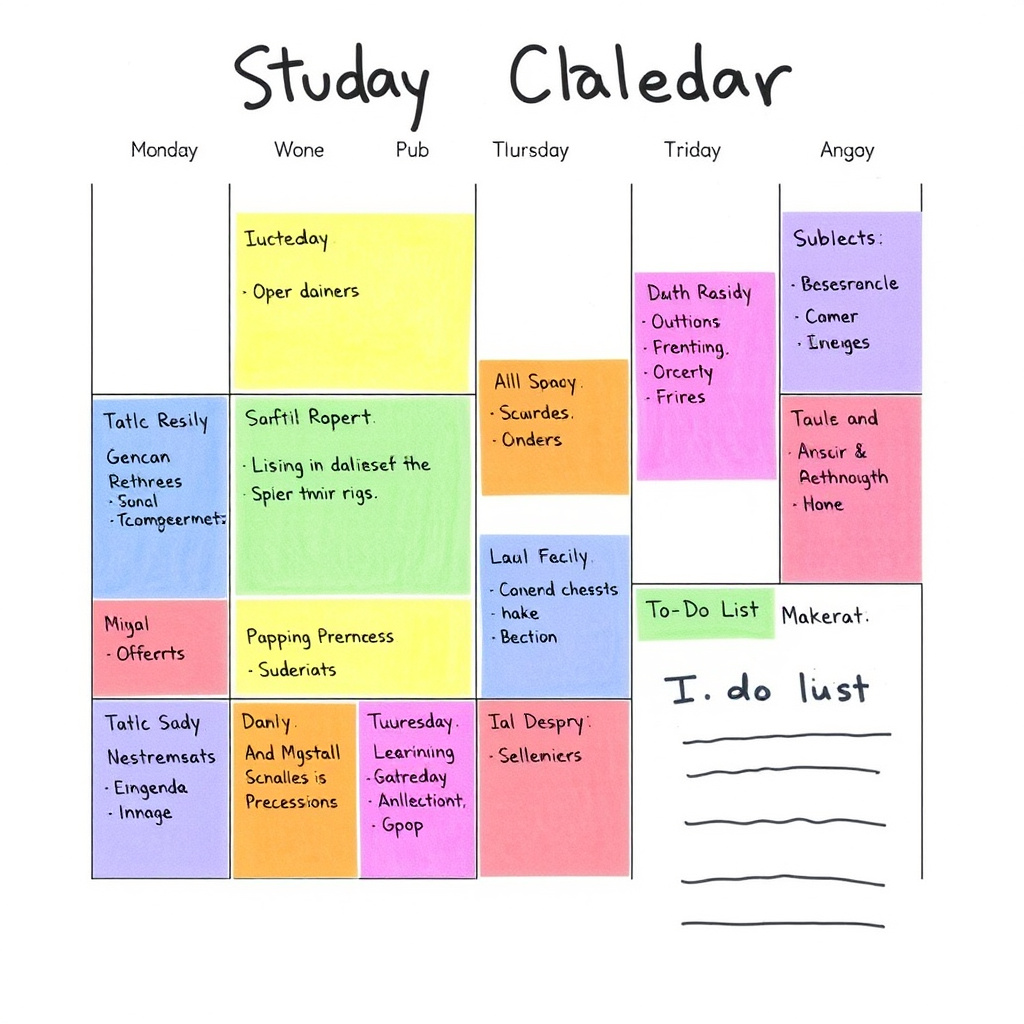
Setting Realistic Goals and Timelines
Breaking study material into manageable chunks with clear objectives makes daunting tasks more approachable. Setting timelines for each topic builds structure and helps track progress.
Use SMART goals—Specific, Measurable, Achievable, Relevant, and Time-bound—to maintain motivation and prevent burnout. This clarity improves focus during sessions and reduces last-minute cramming.
- Divide syllabus into topics or chapters
- Set daily and weekly study targets
- Allocate extra time for challenging subjects
- Review progress regularly to adjust goals
Incorporating Breaks and Rest
Planning breaks boosts concentration and prevents mental fatigue. Techniques like the Pomodoro method—25 minutes study followed by 5 minutes break—help sustain attention.
Avoid all-day marathon sessions; shorter, consistent study periods with rest improve retention and reduce stress. Use breaks to stretch, hydrate, or briefly move to refresh your mind.
- Take short breaks every 25-30 minutes
- Include longer breaks after 2-3 study cycles
- Avoid screen use during breaks to rest eyes
- Practice light physical activity to stay alert
Active Learning Techniques to Study Effectively

Using Flashcards and Self-Testing
Active recall methods like flashcards engage your brain in retrieving information rather than passively reviewing it. This significantly enhances memory consolidation and long-term retention.
Creating your own questions for self-testing helps reveal weak areas and solidify knowledge. Regularly mixing up flashcards forces your brain to strengthen neural links related to studied content.
- Write clear, concise questions on flashcards
- Test yourself before flipping the card for answers
- Shuffle cards regularly to avoid memorizing order
- Use spaced repetition to review flashcards over time
For more on this, see our related guide: How to Get Effective Math Homework Help Fast and Easily.
Explaining Concepts in Your Own Words
Paraphrasing material in your own language deepens understanding and identifies gaps in knowledge. Teaching concepts aloud, even to an imaginary audience, reinforces learning pathways in the brain.
This technique also enhances critical thinking by forcing you to connect ideas rather than memorize isolated facts. It is especially useful for complex or abstract subjects.
- Summarize each topic verbally or in writing
- Create analogies to relate concepts to everyday things
- Discuss study material with peers or study groups
- Record yourself explaining concepts and review
Managing Distractions and Staying Motivated

Reducing Digital Distractions
Technology can interrupt concentration through frequent notifications. Turning off alerts and using apps that block distracting websites during study sessions minimizes temptations.
Putting your phone in another room or on airplane mode helps maintain focus. Setting specific times to check messages ensures technology doesn’t cut into valuable study time.
- Disable social media and app notifications
- Use focus apps like Forest or Freedom
- Keep phone out of immediate reach when studying
- Set designated tech-check breaks between sessions
Building Sustained Study Motivation
Motivation fluctuates, but establishing study routines and rewarding progress can sustain momentum. Track milestones visually with checklists or planners to see tangible progress.
Align study with personal goals and remind yourself of the reasons behind the effort. Break tasks into smaller steps to avoid feeling overwhelmed and celebrate small wins to keep morale high.
- Create a study schedule and stick to it
- Reward yourself with breaks or treats after goals
- Visualize benefits of mastering the material
- Find study partners to share accountability
Adapting Study Methods to Different Learning Styles
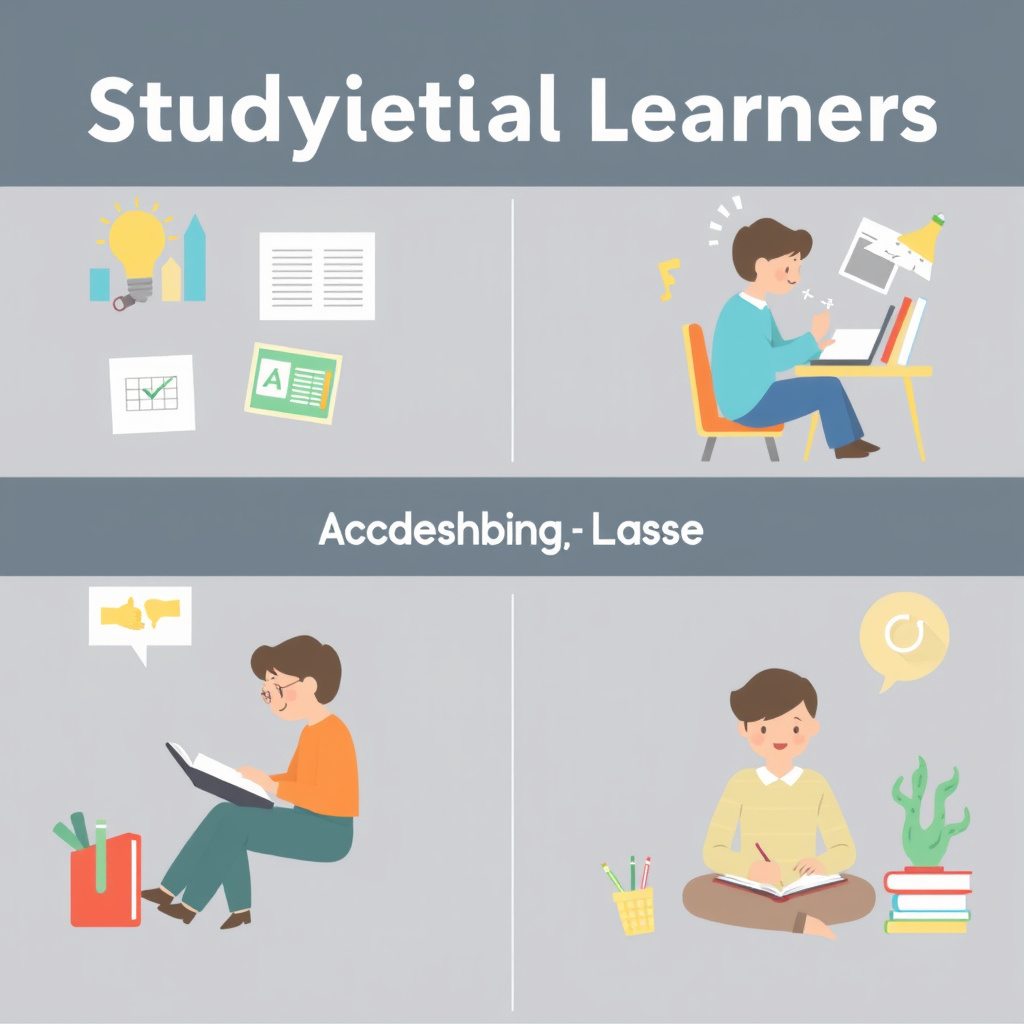
Techniques for Visual and Auditory Learners
Visual learners benefit from diagrams, charts, and color-coded notes that organize information spatially. Using videos or slides enhances their ability to absorb complex material.
Auditory learners retain more when concepts are heard. Listening to recorded lectures, discussing topics aloud, or using mnemonic songs helps reinforce memory effectively.
- Visuals: mind maps, infographics, color coding
- Auditory: group discussions, podcasts, reading aloud
- Combine audio and visual aids for best retention
- Record summaries and replay them during commutes
For more on this, see our related guide: How to Choose a Tutor for Struggling Students: A Practical Guide.
Kinesthetic Approaches for Hands-On Learners
Kinesthetic learners grasp concepts better through movement and touch. Incorporating physical activities like building models or writing notes by hand enhances comprehension and recall.
Taking frequent breaks to move around and using gesture-based memorization techniques help maintain engagement and prevent boredom for these learners.
- Use hands-on projects or experiments
- Write notes instead of typing
- Use flashcards to physically sort and reorder concepts
- Take movement breaks to refresh during study
Utilizing Technology to Enhance How to Study Effectively

Educational Apps for Study Assistance
Apps designed for learning help organize study materials, set reminders, and provide interactive quizzes. Many offer spaced repetition algorithms which support memory by reviewing content at optimal intervals.
Popular apps include flashcard creators, note-taking platforms, and language learning tools that adapt to your pace and track progress automatically, making it easier to study effectively over time.
- Flashcard apps with spaced repetition (e.g., Anki)
- Note apps with multimedia support (e.g., Notion, OneNote)
- Quiz and practice test apps relevant to subjects
- Time management apps to schedule sessions
To learn more about various proven study techniques, you can visit this detailed overview. effective studying techniques explained.
Online Resources and Virtual Study Groups
Online platforms provide access to tutorials, lectures, and forums where you can clarify doubts or collaborate with peers. Joining virtual study groups fosters accountability and exposes you to diverse problem-solving approaches.
Leveraging these resources helps widen your knowledge base and maintain motivation by connecting with others despite physical distance, a useful complement to individual study.
- Use educational sites like Khan Academy or Coursera
- Join study forums on Reddit or specialized education sites
- Attend virtual group sessions over video calls
- Share notes and quiz each other online
Comparison of Study Techniques for Different Learning Goals
This table compares popular study methods based on effectiveness, ideal use cases, and learner suitability.
| Study Technique | Ideal For | Strength | Weakness |
|---|---|---|---|
| Flashcards with Spaced Repetition | Memory retention | Improves long-term recall | Can be time-consuming to create cards |
| Practice Testing | Exam preparation | Identifies weak areas | May cause stress if overused |
| Highlighting and Re-reading | Quick review | Easy to do | Low retention, passive learning |
| Mind Mapping | Organizing complex concepts | Visual connections improve understanding | Not suited for straightforward fact memorization |
| Group Study | Discussion and concept clarification | Increases motivation | Potential distractions and dependence on others |
Frequently Asked Questions
How long should a study session last for best results?
Study sessions of 25-50 minutes with short breaks are most effective. The Pomodoro technique, involving 25-minute work periods followed by 5-minute rests, helps maintain high focus and prevents burnout.
Is multitasking effective when studying?
Multitasking generally reduces effectiveness since shifting focus wastes time and impairs memory. Concentrating on one subject or task at a time leads to better absorption and retention.
What can I do if I get distracted easily?
Minimizing distractions involves choosing a quiet study space, turning off notifications, and using apps to block distracting sites. Setting clear goals and regular breaks also improve concentration.
How often should I review material to remember it long-term?
Spaced repetition, reviewing material at increasing intervals (e.g., after 1 day, 3 days, 1 week), optimizes long-term retention by reinforcing memory just as it begins to fade.
Can studying with friends be as effective as studying alone?
Studying with friends can boost motivation and aid understanding through discussion, but it depends on group dynamics. It works best when all members stay focused and share material actively.
Key Takeaways
- Effective study depends on active learning and focused sessions rather than passive rereading.
- Creating a distraction-free environment greatly improves concentration and retention.
- Tailoring study methods to your learning style enhances comprehension and motivation.
- Balancing study with regular breaks prevents fatigue and keeps you productive.
Conclusion
Learning how to study effectively requires blending structured planning with active learning strategies that match your personal habits. Prioritizing quality over quantity—through focused sessions, organized materials, and targeted techniques—helps make study time productive and less stressful. By setting clear goals, managing distractions, and incorporating methods like spaced repetition and self-testing, you reinforce knowledge steadily rather than cramming last minute. This approach nurtures deeper understanding and better exam performance, which is the ultimate measure of effective study.
If you want specific recommendations, using flashcards enriched with spaced repetition apps like Anki fits well for memorization-heavy subjects. For conceptual understanding, techniques such as mind mapping or teaching material aloud support retention. Incorporate breaks systematically with timing systems like Pomodoro to balance focus and rest. Visual learners should complement their notes with diagrams and videos, while auditory learners benefit from discussions and recordings. Kinesthetic learners gain by writing notes or using hands-on activities. These tailored methods cover the main study scenarios most people encounter.
A practical first step is to assess your current study routine against the strategies outlined here, pinpoint distractions, and choose one or two new techniques to try. Keep a simple log of what works for you and gradually adapt. Remember, effective studying is a skill developed over time, not an overnight fix. Building habits around active engagement and thoughtful planning will pay off well beyond exams in your lifelong learning journey.