How to Learn New Things Faster: Proven Techniques to Boost Your Learning Speed
Learning new things faster requires more than just spending extra hours studying; it demands smart methods that enhance memory retention and understanding. The key lies in using targeted strategies like active recall, spaced repetition, and focused practice, which have been shown to accelerate the learning process efficiently.
Speeding up learning helps you stay competitive and adapt quickly in today's fast-changing world. Whether you’re acquiring professional skills, picking up a new hobby, or mastering academic material, optimized study methods reduce frustration and make the process more enjoyable and productive.
This article explores various strategies on how to learn new things faster, including mental techniques, environmental adjustments, and practical approaches. You'll find guidance on improving concentration, managing time, and applying methods backed by educational psychology and neuroscience research.
Understanding How Your Brain Learns

Neural Mechanisms Behind Learning
Learning happens when neurons in the brain form new connections or strengthen existing ones, a process called neuroplasticity. Repetition and practice enhance these pathways, making recall smoother and automatic over time.
This biological foundation means that intentional, well-structured study where information is revisited frequently can speed up the process. Understanding this helps in applying learning techniques that align with how the brain naturally operates.
The Role of Memory Systems
Our brain uses different memory systems: sensory, short-term, and long-term memory. Effective learning requires transferring data from short-term to long-term storage through encoding and consolidation.
Techniques that stimulate repeated engagement with the material, such as active recall and spaced repetition, support this transfer, enabling you to remember information more firmly and retrieve it faster later on.
Techniques on How to Learn New Things Faster
Active Recall and Spaced Repetition
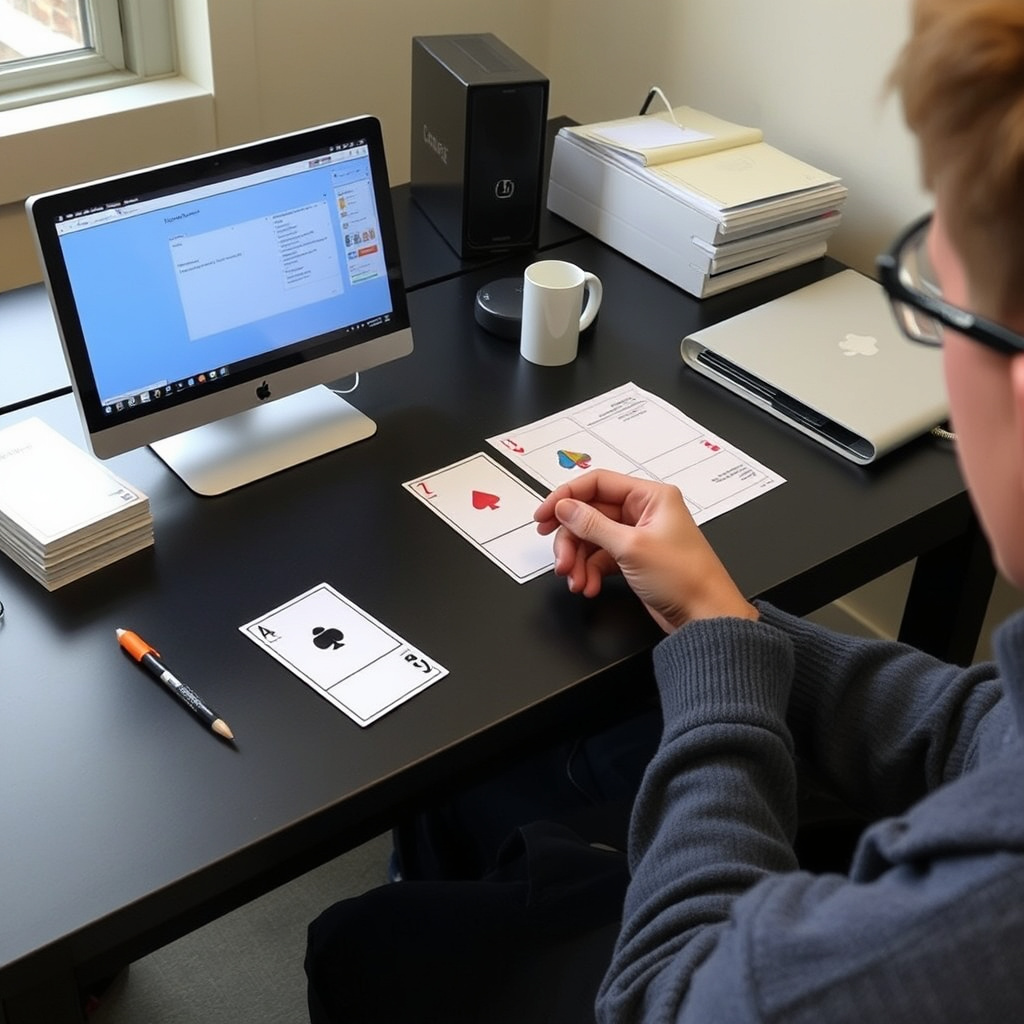
Active recall involves testing yourself on the material rather than passively reviewing it. This method forces your brain to retrieve information, which strengthens memory pathways and accelerates learning.
Spaced repetition schedules reviews of the content over increasing intervals, helping to embed knowledge in long-term memory. Combining these two drastically reduces the time required to master new concepts.
- Use flashcards with questions and answers
- Review information after one day, then after several days
- Avoid cramming sessions
Chunking and Interleaving Practice
Chunking breaks down complex information into manageable groups, reducing cognitive load and making understanding quicker. This technique mirrors how experts categorize knowledge.
Interleaving mixes different topics or skills in a single study session instead of focusing on one area only, which promotes problem-solving and adaptability, leading to better overall retention.
- Group related ideas into meaningful clusters
- Switch between subjects while studying
- Practice varied problem types in one session
Optimizing Your Learning Environment

Reducing Distractions and Improving Focus
A controlled environment limits interruptions from devices, noise, or people, allowing you to sustain attention longer. Deep focus improves encoding and helps you absorb new information more quickly.
Simple changes, like turning off notifications and creating a designated study area, can have an outsized impact on your ability to learn efficiently.
- Use noise-cancelling headphones
- Keep your phone on silent or in another room
- Set specific time blocks for uninterrupted study
Leveraging Environment for Memory Triggers
Context can aid memory; consistent environments during learning and recall can trigger associations, supporting faster retrieval. Adjusting lighting, scents, or background sounds can also enhance focus and retention.
Some learners benefit from changing locations periodically to create varied cues that prevent boredom and promote flexible recall under different conditions.
- Study in a quiet room with natural light
- Use the same spot for daily study sessions
- Experiment with subtle scent or music cues
Time Management Strategies for Faster Learning

Using Pomodoro and Time Blocking
Pomodoro technique breaks study time into focused intervals (usually 25 minutes) separated by short breaks, maximizing sustained attention and preventing burnout. This rhythmic pattern encourages productivity over longer durations.
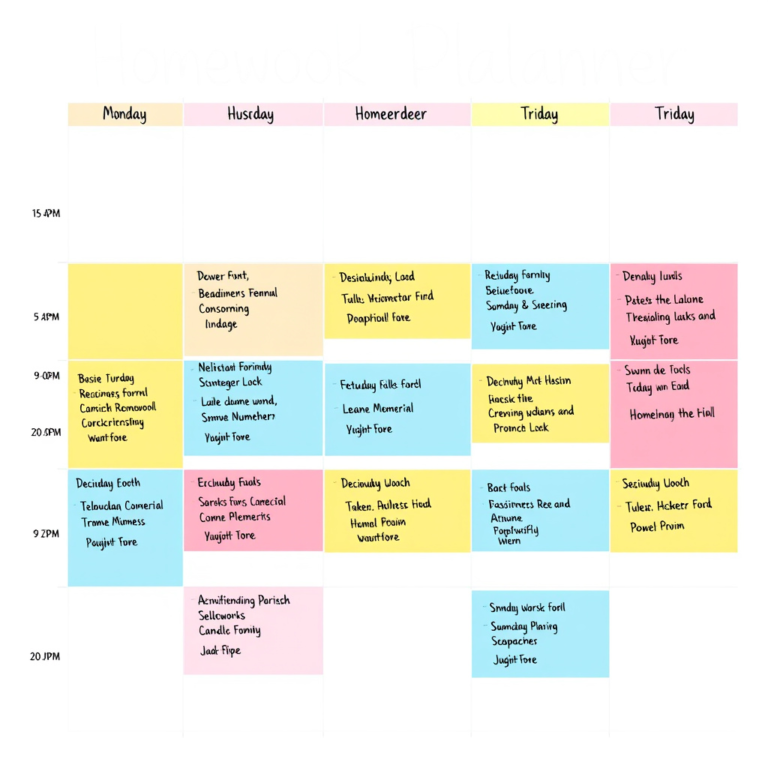
Time blocking schedules specific subjects or tasks within set times, promoting organization and preventing procrastination, which supports thorough but efficient learning sessions.
- Set a timer for focused 25-minute sessions
- Take 5-minute breaks to relax and reset
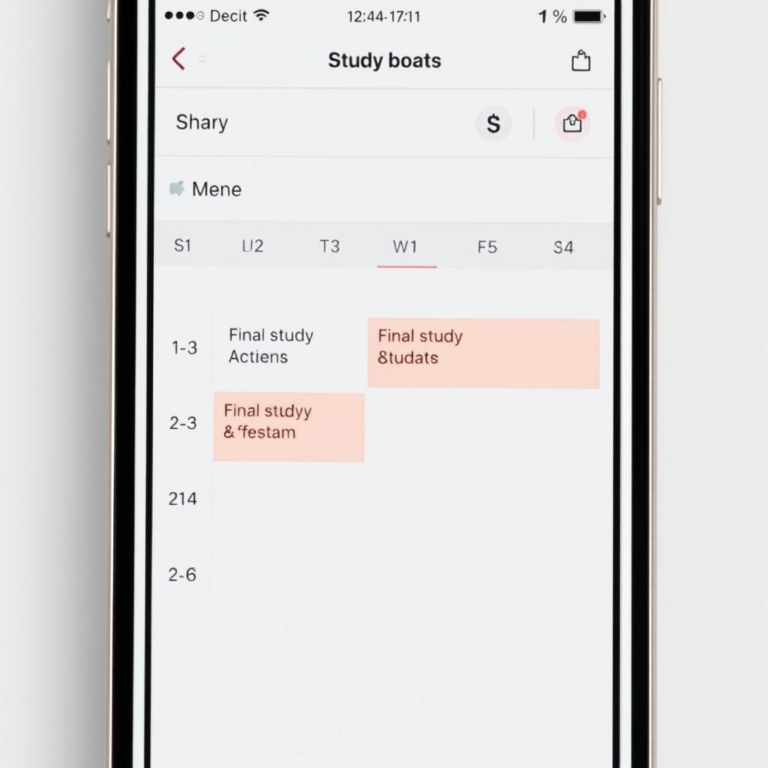
- Plan study times in daily calendar
Prioritizing High-Impact Learning Tasks
Concentrate on the material that yields the largest knowledge gains or directly supports your goals. Avoid spending equal time on everything; instead, focus where improvement matters most to accelerate progress.
Regularly review and adjust priorities based on your progress and upcoming requirements, so your learning strategy remains dynamic and efficient.
- Identify core topics before each session
- Allocate more time to challenging concepts
- Regularly assess your understanding
Mental and Physical Factors Affecting Learning Speed

The Impact of Sleep and Nutrition
Adequate sleep consolidates memories and clears metabolic waste from the brain, essential for quick learning. Nutrition rich in omega-3 fatty acids, antioxidants, and vitamins also supports cognitive function and alertness.
Neglecting these basics can slow mental processing and reduce retention, making learning sessions less fruitful and extending the time needed to grasp new topics.
- Aim for 7-9 hours of quality sleep nightly
- Eat balanced meals with brain-healthy nutrients
- Stay hydrated during study periods
Stress Management and Motivation
High stress impairs concentration and memory, slowing down how fast you learn. Practicing relaxation techniques, setting realistic goals, and maintaining motivation foster a positive mindset conducive to quicker understanding.
Self-reward and tracking progress help keep motivation high, making it easier to commit consistently to learning activities and reducing feelings of overwhelm.
- Practice mindfulness or deep breathing exercises
- Break goals into small, achievable steps
- Celebrate milestones to sustain motivation
Using Technology to Accelerate Learning

Educational Apps and Digital Tools
Apps like Anki and Quizlet implement spaced repetition and active recall automatically, streamlining the learning process. Other platforms offer customizable quizzes, interactive lessons, and instant feedback.
Leveraging these tools can transform study routines, provide motivation through gamification, and make it easier to track progress, all factors that speed up absorbing new content.
- Use flashcard apps with spaced repetition algorithms
- Engage with interactive content for active learning
- Set digital reminders for review sessions
For a more detailed overview of how learning works at a scientific level, check out this learning process on Wikipedia. learning process on Wikipedia.
Online Courses and Video Tutorials
Structured courses and tutorials break down complex ideas into digestible segments, often with practice exercises that boost retention. Visual and auditory formats cater to different learning styles, making information easier to process quickly.
Selecting reputable platforms that fit your learning goals and pace can provide a guided path that accelerates mastering new subjects compared to unguided study.
- Choose courses with clear curricula and assessments
- Pause and replay video segments to reinforce learning
- Apply concepts through practice quizzes or projects
Learning Techniques Category Comparison
Here’s a comparison of common learning methods highlighting their speed, effectiveness, and ideal use scenarios.
| Technique | Speed of Learning | Retention Rate | Best For |
|---|---|---|---|
| Active Recall | Very Fast | High | Memorization and concepts |
| Spaced Repetition | Fast | Very High | Long-term retention |
| Interleaving Practice | Moderate | High | Skill development |
| Cramming | Very Fast | Low | Short-term recall |
| Passive Review | Slow | Low | Initial exposure |
| Chunking | Fast | Moderate | Complex information |
Frequently Asked Questions
Can multitasking help me learn new things faster?
Multitasking generally reduces efficiency and learning speed because it divides attention. Focusing on one task at a time enables deeper processing and better retention, accelerating your ability to learn new things.
How much time should I dedicate daily to learning effectively?
Short, focused sessions of 25-50 minutes usually work best. Consistency over days or weeks with deliberate practice beats long, irregular marathons, allowing your brain to absorb information quickly and steadily.
Is it better to study alone or in groups to learn faster?
Both have benefits. Studying alone can improve concentration and allow paced learning. Groups offer discussion and diverse perspectives which may deepen understanding, but can also introduce distractions.
How does teaching others help me learn faster?
Explaining concepts forces you to organize your knowledge clearly and identify gaps. Teaching is an active recall process that strengthens memory, often making learning more efficient and thorough.
Are there risks in trying to speed up learning?
Pushing too hard without breaks or using ineffective shortcuts like cramming can lead to burnout and superficial knowledge. Balancing speed with quality and rest is important for lasting mastery.
Key Takeaways
- Active recall and spaced repetition dramatically boost learning speed and retention.
- Setting an ideal environment and managing time prevents distractions and fatigue.
- Physical health and stress control significantly affect how quickly you learn.
- Using technology can complement and accelerate traditional learning methods.
Conclusion
Approaching how to learn new things faster requires a blend of understanding your brain’s natural learning processes and implementing practical strategies. Techniques like active recall, chunking, and spaced repetition work with your cognitive functions rather than against them. Paired with an optimized study environment and time management, these approaches create a framework for rapid, effective learning without overwhelming your mind.
Different situations and goals may call for different methods. For example, when memorizing vocabulary, active recall combined with spaced repetition apps excels. For mastering skills, interleaving practices across varied domains can enhance adaptability. Managing physical factors such as sleep and hydration, plus keeping stress low, supports all these techniques and makes your learning sustainable over the long term.
To start applying these concepts, identify your learning objectives and experiment with a few methods like Pomodoro time blocks and flashcard reviews. Adjust your environment to reduce distractions and monitor your progress frequently. By thoughtfully combining these tactics, you’ll accelerate how fast you learn new things and improve your ability to retain knowledge, equipping you better for any challenge ahead.