How to Understand What You Read: Techniques for Better Reading Comprehension
Understanding what you read means actively engaging with the text to grasp its meaning, ideas, and underlying messages. It involves more than just recognizing words; it requires interpreting context, making connections, and remembering key points. Mastering this skill can transform your reading from a passive activity into a dynamic learning experience.
Reading comprehension is essential because it affects academic success, professional growth, and everyday problem-solving. If you often find yourself rereading passages without clarity, the root cause is usually a lack of focused strategies that guide your interaction with the material. By adopting conscious reading techniques, you can enhance your ability to decode, analyze, and recall important information.
This article explores various methods for improving how you understand what you read. We’ll discuss how setting clear purposes supports focus, the role of vocabulary and background knowledge, ways to handle complex texts, and tools that reinforce your comprehension skills. Whether you’re reading fiction, academic papers, or professional documents, these insights will help you read more effectively.
Understanding the Basics of Reading Comprehension
What Reading Comprehension Entails
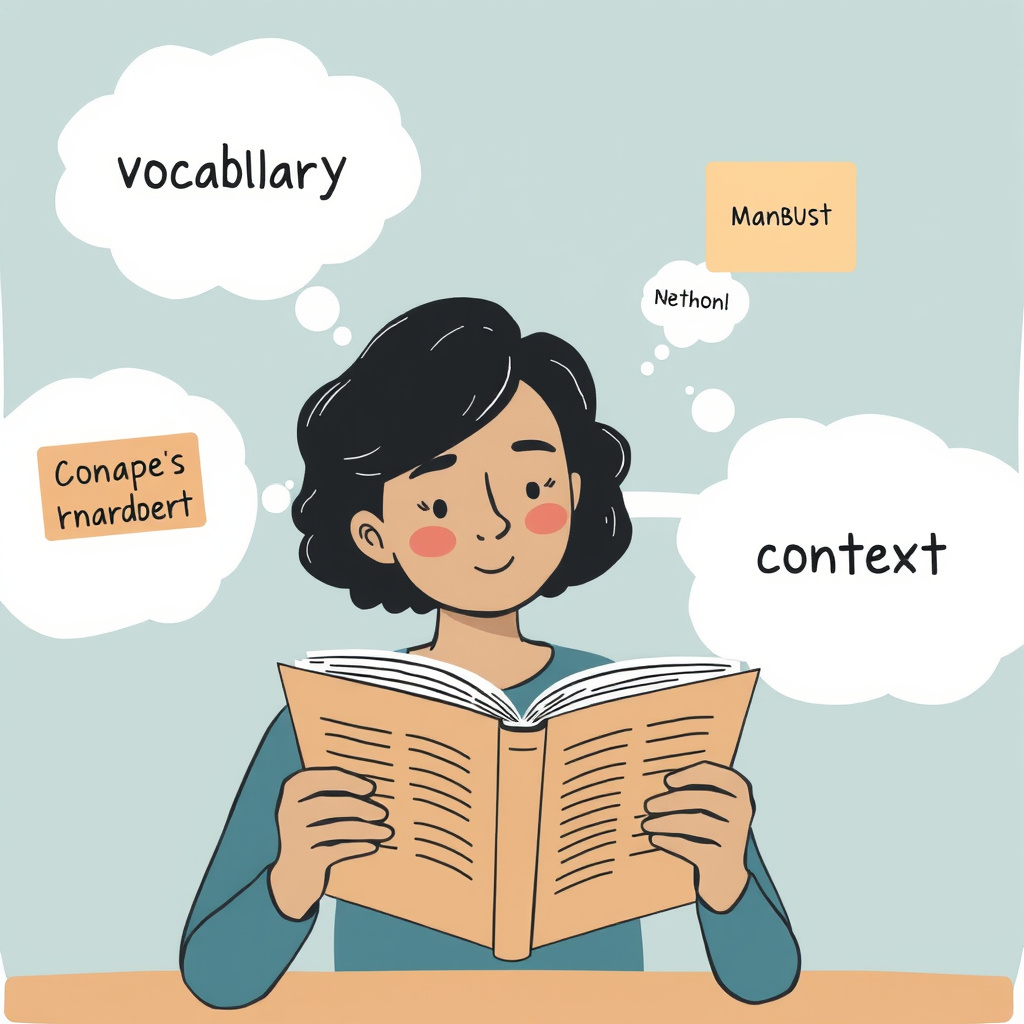
Reading comprehension involves not only decoding written words but also constructing meaning through active cognitive processing. This includes recognizing the literal content, drawing inferences, and integrating information with prior knowledge.
Comprehension is a multi-layered skill that depends on both language proficiency and critical thinking. Readers must identify main ideas, follow logical sequences, and evaluate the author’s intent to fully understand a text.
Factors That Influence Understanding
Several elements affect reading comprehension, such as vocabulary knowledge, reading fluency, and background information. A limited vocabulary can slow understanding, while a fluent reader can focus on meaning rather than decoding.
Background knowledge helps readers connect new information to what they already know, enhancing recall and interpretation. Motivation and purpose also significantly influence how deeply a reader engages with the material.
- Vocabulary level
- Reading fluency
- Prior knowledge
- Motivation
Strategies to Improve How You Understand What You Read

Active Reading Techniques
Engaging actively means annotating the text by highlighting important ideas, making notes, and asking questions. This approach transforms reading from passive to interactive, helping you retain key information and clarify confusing parts.
Summarizing sections in your own words forces you to process the material deeply. Moreover, predicting outcomes or asking what the author wants to communicate keeps your mind focused and improves overall comprehension.
- Highlight and underline key points
- Write margin notes
- Ask questions while reading
- Summarize paragraphs
Previewing and Setting Reading Purpose
Before diving into a text, previewing headings, subheadings, and summaries provides a roadmap of what to expect. This positioning primes your brain to recognize important information more efficiently.
Establishing a clear purpose for reading—such as seeking facts, understanding arguments, or enjoying a story—guides your focus and influences the level of critical thinking you apply, improving reading comprehension strategies overall.
- Scan titles and subtitles
- Review summaries or abstract
- Set specific reading goals
- Adjust reading speed based on purpose
Building Vocabulary and Background Knowledge

Enhancing Vocabulary for Better Comprehension
A strong vocabulary reduces the mental effort spent deciphering words, freeing cognitive resources for understanding meaning. Systematic vocabulary study through flashcards, context clues, and word maps can boost comprehension over time.
Encountering unfamiliar words with strategies like looking up definitions, using context, or guessing meaning helps prevent breakdowns in understanding and makes reading smoother and more enjoyable.
- Learn new words in context
- Use vocabulary-building tools
- Keep a personal word journal
- Practice guessing meaning from context
For more on this, see our related guide: How to Choose a Reading Comprehension Tutor That Boosts Your Skills.
Using Background Knowledge to Connect Ideas
Background knowledge acts as a mental framework, allowing readers to relate new content to familiar concepts. This connection makes comprehension faster and deeper, especially with complex or abstract texts.
Before reading challenging material, brushing up on related subjects or reviewing references improves understanding and reduces confusion, ultimately making the reading experience more productive.
- Activate prior knowledge before reading
- Research unfamiliar topics briefly
- Relate new ideas to known information
- Use concept maps to visualize connections
Handling Complex and Difficult Texts

Breaking Down Challenging Passages
Complex texts can overwhelm readers when approached all at once. Dividing passages into smaller sections and focusing on one idea at a time helps clarify meaning and provides manageable chunks to work through.
Using techniques like re-reading, paraphrasing difficult sentences, or discussing content with others aids in solidifying understanding and retaining information from dense materials.
- Break text into smaller parts
- Paraphrase challenging sentences
- Pause to reflect after sections
- Ask clarifying questions
Utilizing External Resources
Difficult reading materials often require supplemental resources such as scholarly summaries, glossaries, or multimedia explanations. These assist in decoding jargon and unfamiliar concepts, bridging the gap toward comprehension.
Engaging study groups or tutors can offer new perspectives and simplify complex ideas, making it easier to grasp detailed arguments or abstract theories encountered during reading.
- Use summaries and study guides
- Consult dictionaries or glossaries
- Watch explanatory videos
- Join study groups or discussions
The Role of Memory in Understanding Texts
Techniques to Improve Retention
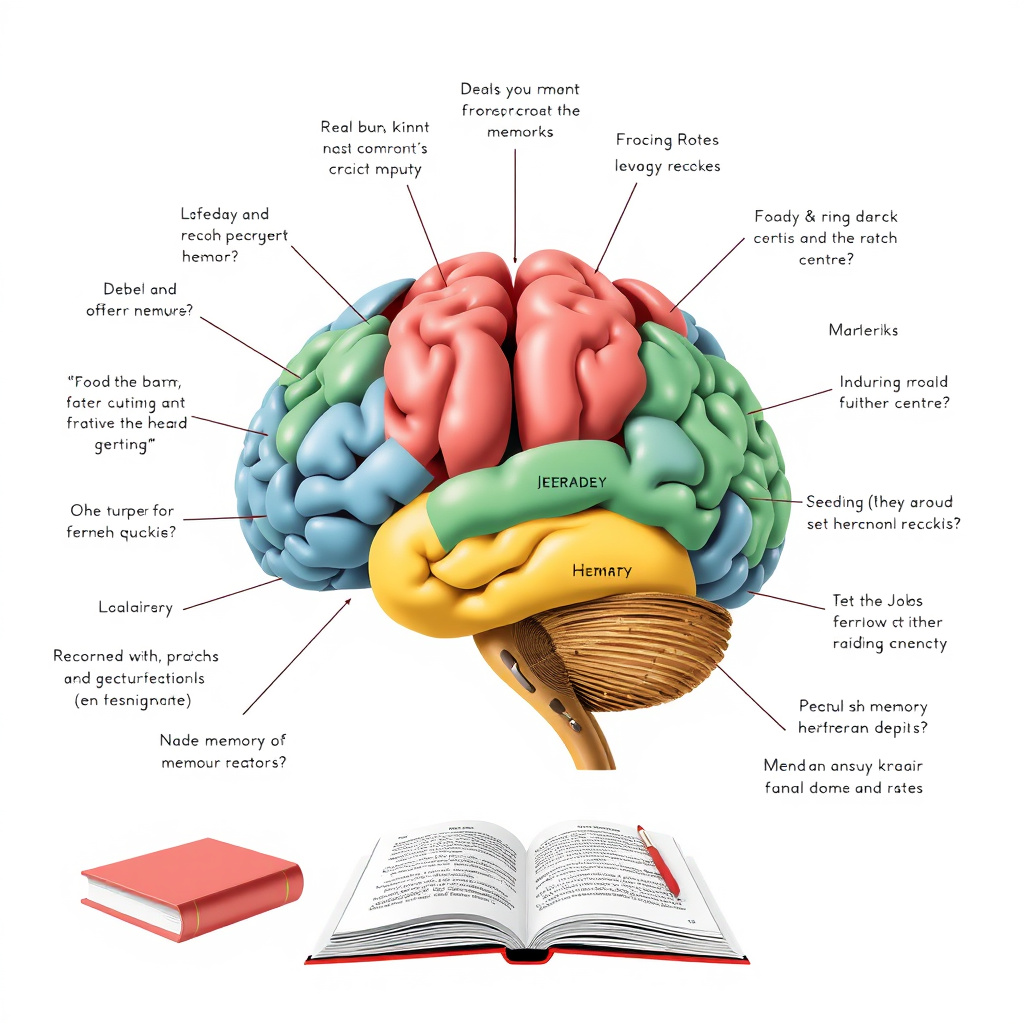
Remembering what you read is crucial to comprehension. Techniques like spaced repetition, mnemonic devices, and summarizing key points promote better retention over time, reducing the need for frequent rereading.
Reviewing notes shortly after reading and revisiting material periodically helps transfer knowledge from short-term to long-term memory, solidifying understanding.
- Use spaced repetition for review
- Create mnemonics for key ideas
- Summarize immediately after reading
- Schedule periodic review sessions
For more on this, see our related guide: How to Choose the Best After School Tutoring in Doral FL for Your Child.
Connecting Memory with Comprehension
Comprehension and memory are intertwined. When you understand the meaning behind words, you form meaningful mental links that improve recall. Without comprehension, information tends to be forgotten quickly.
Active engagement with texts—through questioning, visualization, or teaching others—strengthens these mental connections and ensures that memory aids true understanding.
Using Digital Tools to Enhance Reading Comprehension

Apps for Active Reading and Note Taking
There are numerous digital tools that help readers annotate, highlight, and organize notes efficiently. These apps let you track questions, make instant annotations, and search for definitions without breaking reading flow.
Using tools like digital highlighters or built-in dictionaries can save time and improve interaction with texts, supporting diverse learning styles and enhancing comprehension strategies.
- Annotation apps for eBooks
- Digital notebooks for notes
- Built-in dictionary tools
- Highlighting and tagging features
For a detailed overview of reading comprehension and its components, see the Wikipedia article on Reading Comprehension. Reading comprehension.
Online Resources for Vocabulary and Background Knowledge
Websites and apps dedicated to vocabulary building provide interactive exercises and contextual learning, making vocabulary growth more engaging and effective.
Access to online encyclopedias, educational videos, and forums allows readers to quickly expand background knowledge related to their reading materials, aiding deeper understanding.
- Vocabulary builders and quizzes
- Online dictionaries and thesauruses
- Educational video platforms
- Subject-specific websites and forums
Comparison of Reading Comprehension Strategies
This table outlines key characteristics of popular reading comprehension strategies to help you choose the methods that best fit your needs.
| Strategy | Focus | Best For | Tools Required | Effectiveness |
|---|---|---|---|---|
| Active Reading | Interacting with text through notes and questions | Academic texts, dense material | Highlighters, notebooks | High |
| Previewing and Purpose Setting | Preparing mind for reading with goals | Nonfiction and study materials | None | Medium |
| Vocabulary Building | Enhancing understanding of words | All reading levels | Flashcards, apps | High |
| Chunking Difficult Texts | Breaking text into sections | Complex, technical texts | Pen and paper | Medium |
| Using Digital Tools | Leveraging apps for engagement | Ebooks and digital reading | Tablets, apps | High |
Frequently Asked Questions
How can I improve reading comprehension quickly?
Start by setting a clear purpose for your reading and actively engaging with the text using annotations and summarizing. Improving vocabulary and previewing the material can also boost comprehension.
Does rereading help with understanding?
Rereading can help clarify confusing parts but is more effective when combined with active techniques like note-taking or paraphrasing to deepen understanding.
Are there tools that can assist with reading comprehension?
Yes, apps for annotation, digital dictionaries, vocabulary builders, and online summaries can make reading more interactive and improve comprehension skills.
Why is background knowledge important for comprehension?
Background knowledge provides context that helps readers connect new information with what they already know, making it easier to understand and remember.
How does memory affect reading comprehension?
Good comprehension relies on retention; techniques like spaced repetition and summarizing help transfer information to long-term memory, reinforcing understanding.
Key Takeaways
- Understanding involves active engagement, not just word recognition.
- Setting a reading purpose focuses attention and improves retention.
- Building vocabulary and background knowledge supports deeper comprehension.
- Digital tools can enhance reading strategies effectively.
Conclusion
When trying to understand what you read, focus on turning passive word recognition into active mental engagement. This means questioning the text, summarizing ideas, and connecting new information with existing knowledge. Recognizing that comprehension is a skill that intertwines vocabulary, memory, and background knowledge helps shape an effective approach to reading in any context.
Different approaches work best depending on your goals and the text type. Active reading techniques benefit academic and dense materials, while previewing and setting a reading purpose can improve focus on nonfiction or study content. Building vocabulary is universally helpful, and using digital tools offers modern support for interactive reading. Adjusting your strategy based on what you read and why allows you to improve comprehension steadily.
To develop better understanding, begin by choosing one or two strategies that fit your current reading scenarios. Practice active reading with note-taking or try previewing texts before detailed reading sessions. Over time, incorporating vocabulary building and leveraging digital resources will enhance your reading experiences. Remember, the key is consistent engagement with texts to sharpen your comprehension skills effectively.