How to Become a Better Reader: Practical Strategies to Improve Your Reading Skills
Improving your reading skills depends on developing focused habits such as practicing regularly, engaging actively with the text, and choosing material that challenges you just enough to grow. How to become a better reader is about adopting strategies for comprehension and retention alongside building reading stamina over time.
Reading well increases your ability to learn quickly, think critically, and enjoy literature and information more fully. Many people struggle with slow reading speed or poor understanding, but these can often be corrected by changing the way you approach reading, not just by reading more.
This article explores a range of actionable steps including setting reading goals, using analytical techniques, adjusting your reading environment, and selecting content suited to your current level. You will also learn about tools and exercises designed to improve key reading aspects such as vocabulary, concentration, and critical thinking.
Establishing Effective Reading Habits

Creating a Dedicated Reading Schedule
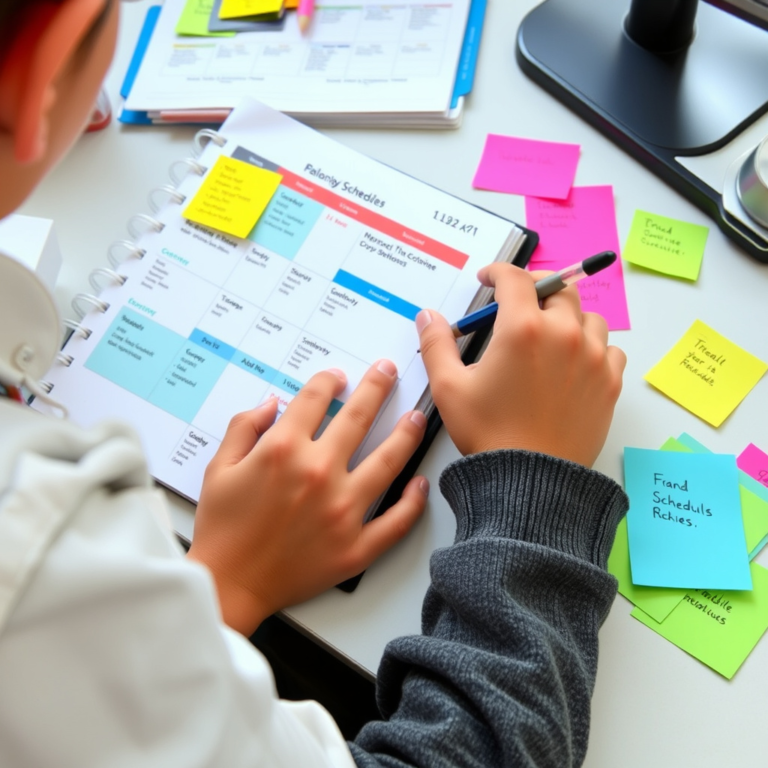
Building a consistent reading routine helps cultivate better focus and gradually increases your reading endurance. Aim to read at the same time each day to develop this habit, even if it's just 20 minutes initially. Short, regular sessions can deliver more improvement than infrequent long ones.
Use a planner or a reading app to set realistic daily or weekly targets. Track your progress by noting books finished or pages read to stay motivated and attentive to your reading objectives.
- Choose a quiet time with minimal distractions
- Start with manageable durations
- Increase reading time as endurance builds
Choosing Books That Match Your Skill Level
Selecting texts that are just above your current comfort zone encourages growth without causing frustration. If the material is too easy, you might skim without engaging; too hard, and comprehension will suffer.
Use reading level guides or filters by grade or lexile score as references. Mix genres and difficulty levels to keep reading balanced and interesting, which helps maintain enthusiasm.
- Incorporate both fiction and nonfiction
- Rotate between challenging and lighter reads
- Consider interest as well as complexity
Improving Comprehension and Retention
Active Reading Techniques
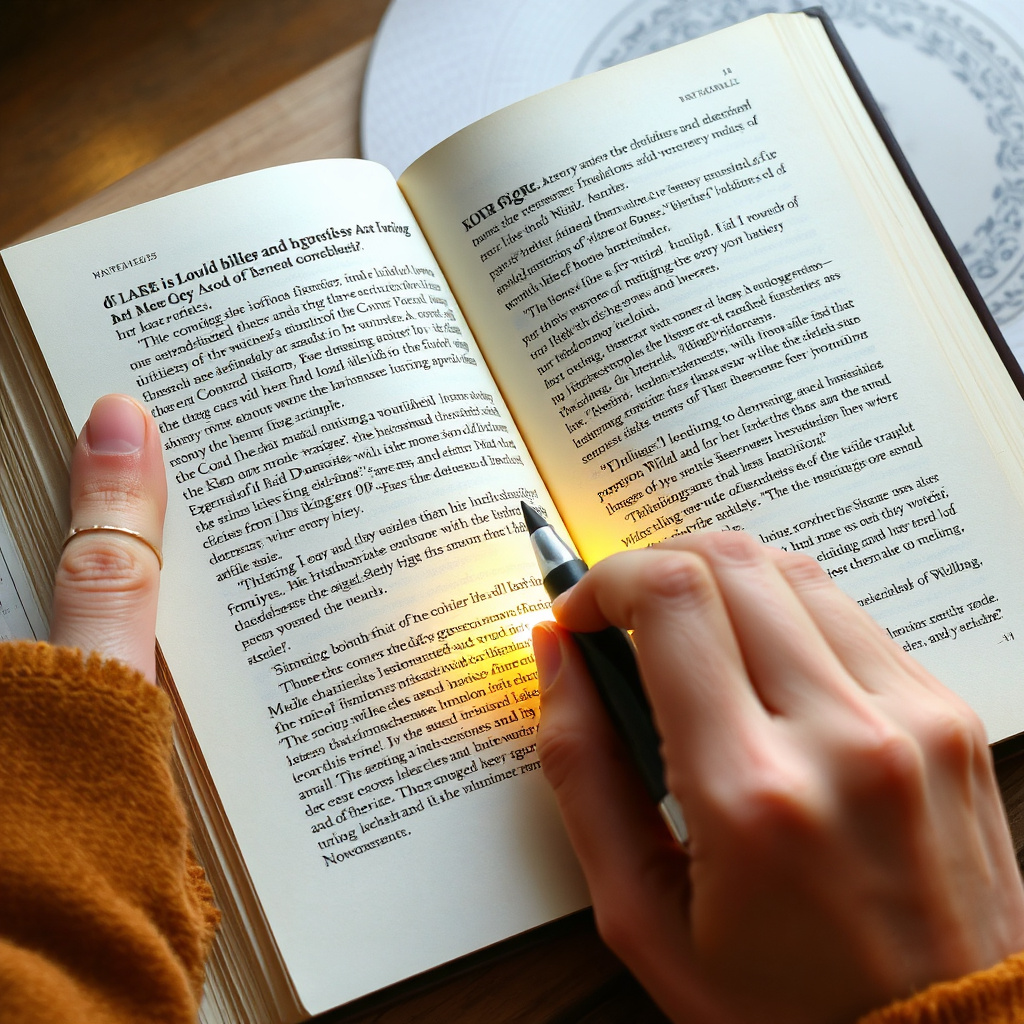
Active reading means engaging with the text by questioning, summarizing, and reviewing what you read. This encourages deeper understanding and improves memory.
Annotate margins, underline important points, or take notes outside the book. Asking yourself what the author’s purpose is and predicting upcoming content keeps your brain engaged.
- Ask questions about key themes
- Summarize sections in your own words
- Highlight or underline important information
Building Vocabulary Contextually
Encountering unfamiliar words is common and can slow reading speed. Instead of stopping to look up every new word, try to infer meaning from context.
Keep a vocabulary journal to track and study new words. Regularly reviewing this list enhances your word bank, making future reading faster and more enjoyable.
- Use context clues to guess word meanings
- Write down new words and their definitions
- Review vocabulary periodically
Enhancing Reading Speed Without Losing Understanding

Techniques for Faster Reading
Speed reading involves minimizing subvocalization, increasing eye movement span, and using focused scanning across lines. Practice by timing your reading and pushing yourself to read slightly faster while maintaining comprehension.
Try methods like chunking—reading groups of words—or using pointers like a pen or finger to guide your eyes. These techniques reduce distractions and encourage smoother eye movement.
- Reduce internal speech
- Practice reading word clusters
- Use visual guides to pace eyes
Balancing Speed with Comprehension
While speed is useful, it should not come at the expense of understanding. Slow down for complex content, and review difficult passages to ensure meaning is clear.
Retain a flexible pace and adjust your speed depending on text complexity and purpose, such as fast reading for gist and slower for detailed analysis.
- Pause on unfamiliar concepts
- Reread complex paragraphs
- Use skimming where appropriate
Using Technology and Tools to Support Reading
Apps and Digital Resources
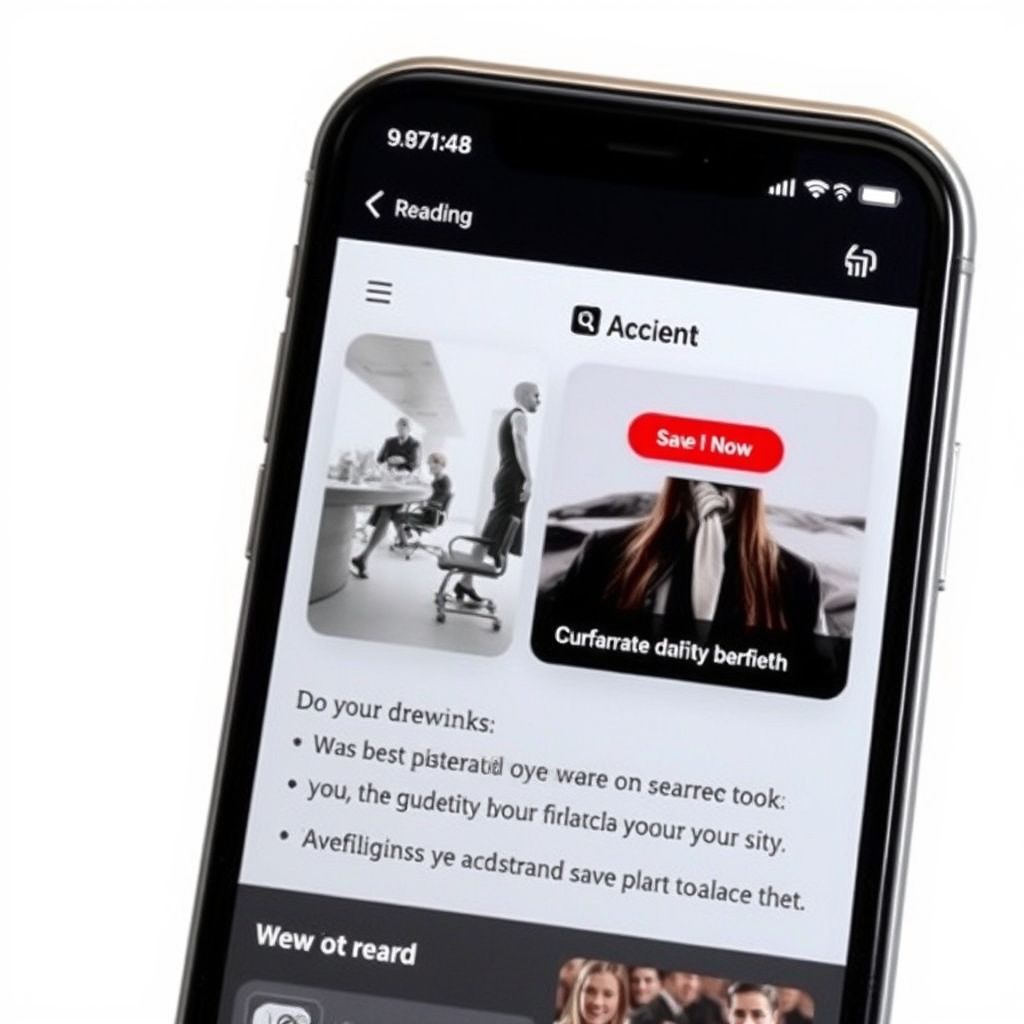
Reading apps can assist by providing built-in dictionaries, highlight features, and progress trackers. Some feature speed reading exercises and comprehension quizzes to help solidify retention.
Platforms like e-readers let you adjust text size, background lighting, and font style, which can reduce eye strain and make reading more appealing in various settings.
- Use dictionary and note functions
- Explore speed reading apps
- Customize display for comfort
Audiobooks and Supplementary Media
Audiobooks can complement reading by improving listening skills and exposing you to different intonations and vocabulary. Following along in a physical or digital text while listening can reinforce reading fluency.
Podcasts and educational videos on literature and reading techniques provide additional context and motivate improvement.
- Combine audiobooks with reading text
- Use podcasts for literary analysis
- Engage with multimedia learning
Strengthening Focus and Overcoming Reading Challenges

Minimizing Distractions
A controlled environment supports sustained attention. Choose a quiet, well-lit place free from interruptions like phone notifications or loud noises to improve concentration.
Limit multitasking during reading sessions and set specific time blocks dedicated solely to reading for deeper immersion.
- Use noise-cancelling headphones if needed
- Silence devices and apps
- Create a clutter-free reading space
For additional insights on improving your ability to understand texts, explore official reading comprehension techniques. reading comprehension techniques.
Addressing Common Reading Difficulties
If you find comprehension or focus particularly challenging, consider reading simpler texts before progressing to harder ones. Techniques such as repeated reading, guided reading, or working with a tutor may help.
For those with dyslexia or vision problems, specialized fonts, colored overlays, or audiobooks can make a significant difference.
- Start with accessible texts
- Use assistive reading tools
- Seek support if difficulties persist
Reading Practice Methods Comparison
Here is a comparison of common reading improvement methods, highlighting their main benefits and ideal users.
| Method | Best For | Pros | Cons |
|---|---|---|---|
| Scheduled Reading Sessions | Beginners to build habit | Develops routine and endurance | Requires discipline to maintain |
| Active Reading Strategies | Intermediate to advanced readers | Enhances comprehension and retention | May slow down reading speed |
| Speed Reading Techniques | Advanced readers aiming for speed | Increases reading pace significantly | Can reduce careful understanding |
| Using Reading Apps & Audiobooks | All levels, tech-friendly users | Interactive features and convenience | Dependent on device access |
Frequently Asked Questions
How often should I practice reading to become better?
Consistent daily reading, even as little as 20 minutes, is more effective for improvement than irregular, lengthy sessions.
Can speed reading sacrifice comprehension?
If practiced incorrectly, yes; however, balanced speed reading emphasizes both pace and understanding to avoid this trade-off.
Is it necessary to look up every word I don’t know?
Not always; trying to infer meaning from context first can help maintain reading flow, while keeping a list of new words for later review is beneficial.
What should I do if I lose focus while reading?
Try breaking the material into smaller parts, take short breaks, and minimize distractions by creating a quiet reading environment.
Are audiobooks helpful for improving reading skills?
Yes, especially when combined with following the text visually, audiobooks reinforce pronunciation, vocabulary, and can motivate more frequent reading.
Key Takeaways
- Regular, focused practice builds stronger reading habits and stamina.
- Active engagement with the text improves comprehension and retention.
- Balancing speed and understanding allows more efficient reading.
- Technology and a good environment support better reading experiences.
Conclusion
How to become a better reader begins with creating consistent, manageable reading routines and choosing suitable material that challenges your current skills. Developing habits like active reading and careful vocabulary building ensures that you do more than just passively scan texts. Improving speed must be balanced with comprehension to truly enhance reading effectiveness over time.
Different strategies suit different purposes—scheduled reading sessions help develop persistence, active reading boosts deep understanding, and speed reading techniques enable you to cover more material when needed. Utilizing reading apps, audiobooks, and a controlled environment can accelerate progress regardless of your level. For personalized challenges, consider specialized tools or professional help to overcome specific difficulties.
Start by establishing a regular reading habit with books that interest you and stretch your abilities slightly. Incorporate active reading practices while monitoring your speed and understanding. Experiment with technology to enhance engagement and keep distractions at bay. By taking these practical steps, you can steadily improve your reading skills and enjoy the many benefits that come with being a better, more confident reader.