How to Prepare for a Test: Effective Strategies to Boost Your Performance
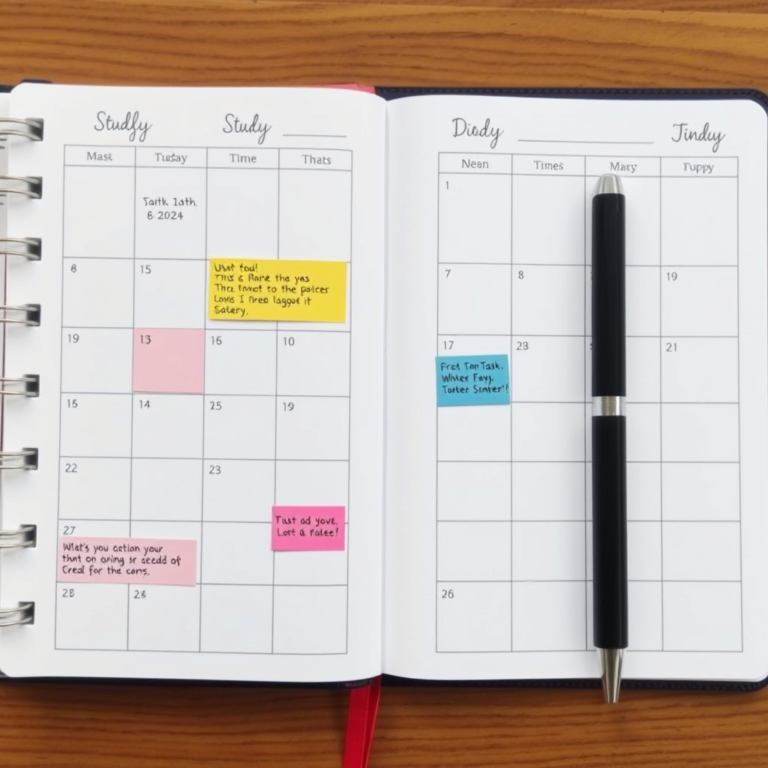
Preparing for a test effectively involves a mix of planning, active studying, and managing stress to maximize retention and recall. Start by organizing your study materials, setting a realistic schedule, and prioritizing topics based on their importance and difficulty. Active engagement through practice questions, summarizing notes, and teaching concepts can significantly enhance understanding.
The way you prepare directly impacts your confidence and performance on test day. Developing solid study habits reduces anxiety and allows you to focus better during the exam. Knowing how to pace your study sessions and incorporating breaks prevents burnout and aids in consolidating information.
This article will cover essential strategies on how to prepare for a test, including time management, study environment optimization, specific test preparation tactics, and techniques to maintain your well-being before and during the exam.
Understanding the Test Format and Content
Analyzing the Test Objectives
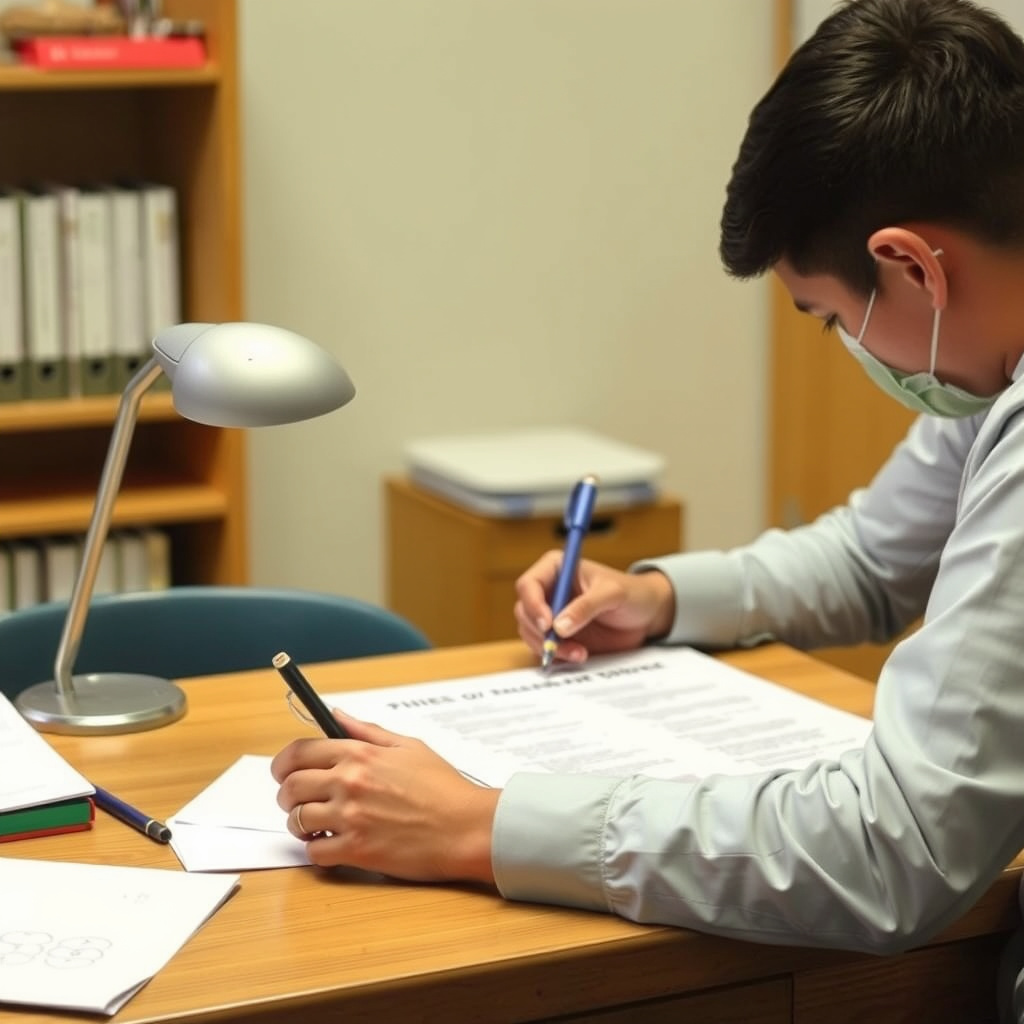
Before you start studying, clarify what the test will cover. Review the syllabus, test guidelines, and any sample questions provided. This helps identify key topics and the types of questions to expect, allowing you to focus your efforts efficiently.
Understanding the format—such as multiple-choice, essay, or problem-solving—affects how you approach preparation. For instance, essay exams require organizing ideas clearly, while multiple-choice demands recognition and recall.
Identifying Important Topics
Not all topics have equal weight on a test. Teachers often emphasize specific areas, so pay attention to lectures, review sessions, and assignments to pinpoint these. Prioritize studying high-impact subjects.
Creating a topic map or checklist can assist in tracking your progress and ensuring comprehensive coverage before the test day.
- Review lecture highlights
- Mark frequently discussed concepts
- Use past tests if available
Effective Time Management for Test Preparation
Creating a Realistic Study Schedule
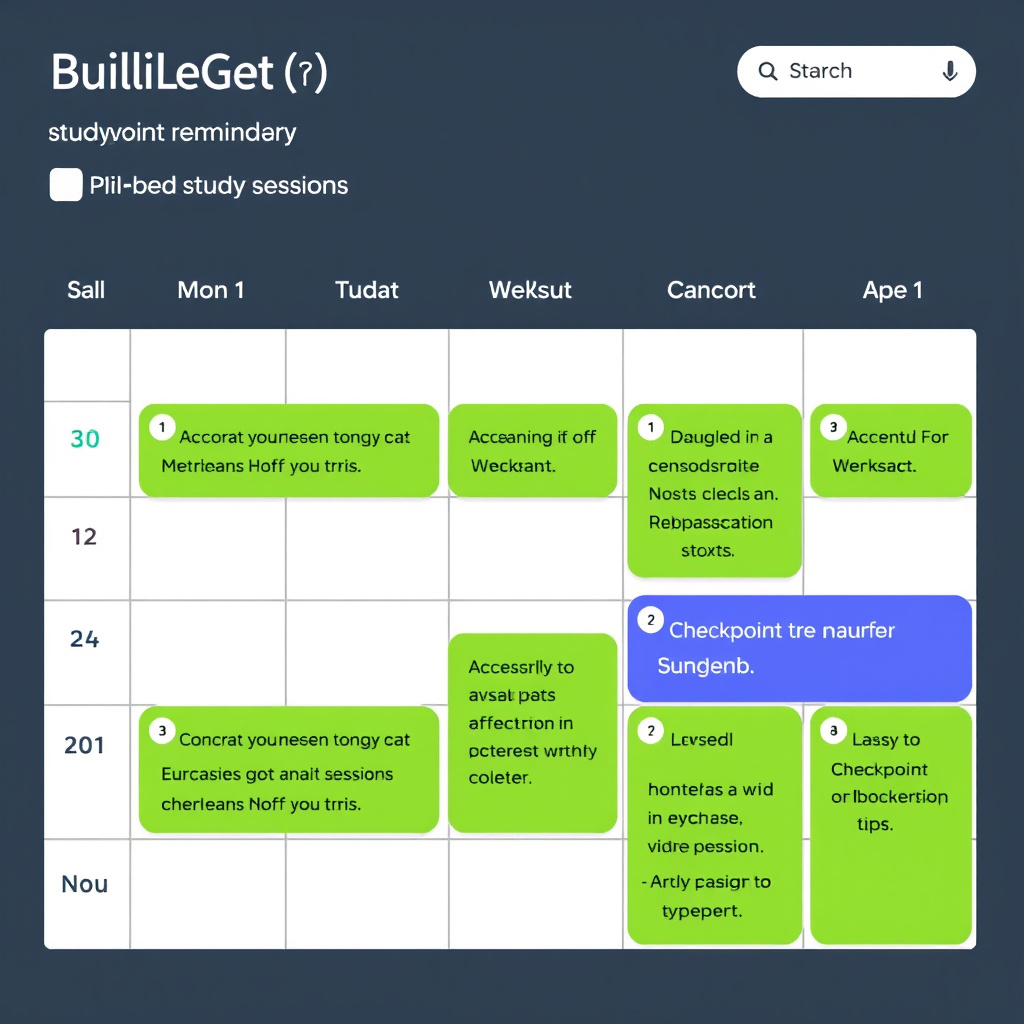
Divide the available time before the test into manageable study blocks with clear objectives. Allocate more time to challenging topics while keeping daily sessions within a sustainable length to maintain focus.
Include buffer periods for revision and unexpected events. A consistent routine helps develop momentum and reduces last-minute cramming.
- Set specific goals per session
- Use timers to stay on track
- Schedule regular breaks
Balancing Study with Rest and Other Responsibilities
Integrate time for rest, physical activity, and social engagement to maintain mental health. Overloading your schedule leads to fatigue and reduces retention.
Being mindful of other daily tasks and adjusting study plans accordingly keeps preparation manageable without neglecting life balance.
Study Techniques and Active Learning

Using Practice Questions and Self-Testing
Engaging in practice questions simulates the testing environment and reinforces memory by retrieval practice. This is one of the most effective methods to enhance recall and identify weak areas.
Regularly testing yourself also builds confidence and reduces exam anxiety by familiarizing you with question formats.
- Use flashcards
- Complete past exam papers
- Time yourself during practice
For more on this, see our related guide: How to Choose the Best Test Preparation Tutor in Doral FL for Effective Results.
Summarizing and Teaching Concepts
Rewriting notes into summaries helps condense material and clarify understanding. Explaining concepts aloud, as if teaching someone else, deepens comprehension and highlights gaps in knowledge.
Visual aids like diagrams or mind maps can assist in organizing ideas and connecting information.
Optimizing Your Study Environment

Choosing a Distraction-Free Area
Select a consistent place dedicated to studying where interruptions and noise are minimal. A calm environment promotes concentration and can become a psychological cue for focusing.
Remove potential distractions like smartphones or unrelated devices during study time.
Arranging Study Materials for Easy Access
Keep all necessary resources—textbooks, notes, stationery—within reach to avoid breaking focus while searching for items. Organizing your materials mentally prepares you to study more efficiently.
Good lighting and comfortable seating also contribute to sustained study sessions without strain.
Managing Test Day Stress and Nutrition

Stress Reduction Techniques
Practicing relaxation methods like deep breathing, mindfulness, or light physical activity can lower nervousness before and during the exam. Stress management improves focus and decision-making abilities.
Avoid last-minute cramming that can increase anxiety. Instead, trust your preparation and maintain positive self-talk.
- Deep breathing exercises
- Short meditation sessions
- Physical stretches
For more on this, see our related guide: How to Get Effective Math Homework Help Fast and Easily.
Nutrition and Sleep for Optimal Performance
Eating balanced meals rich in protein, complex carbs, and hydration supports cognitive function. Avoid heavy or sugary foods before tests as they might cause energy crashes.
Prioritizing 7-9 hours of sleep the night before ensures alertness and memory retention during the exam.
Reviewing and Adjusting Your Preparation

Tracking Your Learning Progress
Periodically assess what you have mastered and which areas need improvement. Keeping a study journal or checklist helps monitor progress and refines focus for remaining sessions.
Adjust study methods if certain techniques are less effective, aiming for continuous improvement.
For a broader understanding of examination practices, you can explore this comprehensive article on how to prepare for exams. how to prepare for exams.
Adapting Study Plans Based on Feedback
If mock tests or teacher feedback reveal weaknesses, modify your strategy to incorporate more targeted practice or seek help from peers or tutors.
Remaining flexible helps make preparation more efficient and reduces frustration.
Test Preparation Methods Comparison
This table compares popular test preparation methods to help you choose the best approach based on your learning style and schedule.
| Method | Effectiveness | Time Required | Ideal For |
|---|---|---|---|
| Practice Questions | High | Moderate | Active Learners |
| Summarizing Notes | Moderate | Low | Visual Learners |
| Group Study | Variable | Variable | Social Learners |
| Flashcards | High | Low | Memory Recall |
| Tutoring Sessions | High | High | Individualized Help |
Frequently Asked Questions
How early should I start preparing for a test?
Starting test preparation at least two weeks ahead allows enough time to cover all topics without rushing. This approach helps reduce stress and improve retention.
Is cramming the night before effective?
Cramming often leads to stress and poor long-term retention. Instead, focusing on regular study sessions with breaks is a better method for maintaining knowledge.
What study methods help with memorization?
Using flashcards, mnemonic devices, and repeated self-testing enhances memorization by reinforcing neural pathways and recall.
How can I stay motivated while preparing?
Setting clear goals, rewarding progress, and varying study methods keep motivation high and prevent burnout during preparation.
Should I study alone or with others?
Both have benefits; studying alone reduces distractions, while group sessions allow discussion and clarification. Choose based on your concentration and learning preference.
Key Takeaways
- Understand test format and prioritize important topics for focused studying.
- Create a realistic study schedule balancing preparation and rest.
- Use active learning methods like practice questions and teaching concepts.
- Manage stress and maintain good nutrition for exam day readiness.
Conclusion
Successfully preparing for a test hinges on a well-organized approach that includes understanding the exam structure, distributing study time effectively, and actively engaging with the material. Balancing study sessions with regular breaks enhances concentration and retention. By adopting a flexible study plan and monitoring progress, learners can adapt strategies optimally to suit their strengths and weaknesses.
For instance, students facing comprehensive exams might benefit most from practice questions combined with periodic self-testing, which reinforces both knowledge and exam skills. Visual learners can enhance understanding through summarizing notes and creating mind maps. In contrast, those requiring personalized assistance may prefer tutoring sessions to address challenging concepts. Each method caters to different study preferences, so experimenting and combining approaches often yields the best results.
To maximize results, start preparations early and maintain a consistent routine with ample rest and healthy nutrition, especially close to exam day. Reducing stress through targeted relaxation exercises supports mental clarity when it matters most. The next step is to draft a study schedule tailored to your test's format, incorporating the strategies outlined here, and commit to a steady, focused preparation that builds confidence and mastery.