How to Get Better at Math Homework: Practical Tips to Improve Your Skills
Getting better at math homework requires a strategic approach that blends consistent practice with understanding core concepts. Focus on breaking problems down step-by-step, asking questions when concepts aren’t clear, and reviewing mistakes thoroughly to avoid repeating them. This direct approach will steadily improve your proficiency and speed.
Strengthening math skills matters because it builds confidence and reduces frustration with challenging topics. When you develop a solid foundation, future problems become easier to tackle, making homework less stressful and more manageable. Improved skills also enhance logical thinking, which is valuable beyond math classes.
This article explores effective strategies for better math homework performance. We'll cover proven habits such as organizing study sessions, utilizing helpful resources, managing time, and addressing common obstacles. Whether you struggle with basic arithmetic or complex algebra, these insights aim to help you improve methodically.
Understanding Math Concepts Deeply
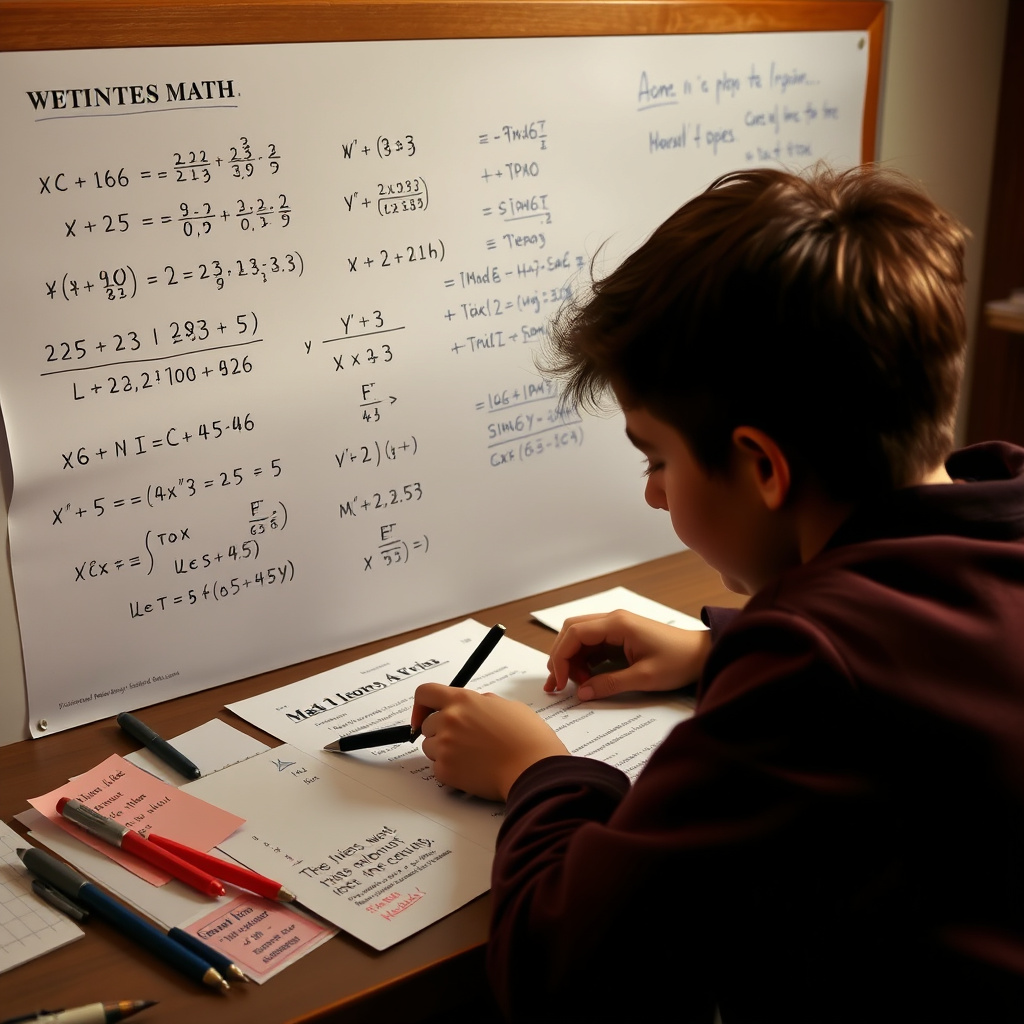
Breaking Problems Down into Steps
Many students get overwhelmed by complex math problems, but breaking them down into smaller, manageable steps simplifies the process. Begin by identifying what is asked, what information is given, and what formulas or principles apply to each part.
This approach helps prevent mistakes caused by rushing or jumping to conclusions. By working through each piece systematically, you gain clearer insights into the logic behind the problem, which strengthens your overall grasp of the topic.
Using Visual Aids and Examples
Visual aids like diagrams, graphs, and charts can illuminate relationships between math elements that text descriptions alone may obscure. Drawing pictures or sketching models makes abstract ideas tangible.
Additionally, reviewing worked examples highlights problem-solving techniques and formula applications. Replicating these examples with variations builds confidence and reinforces key steps, boosting your ability to handle similar homework tasks independently.
Establishing Effective Study Habits

Creating a Consistent Study Schedule
Designate specific time blocks daily or several times a week focused solely on math homework and practice. Consistency helps build momentum and prevents procrastination, which often leads to cramming.
Regular sessions allow concepts to sink in gradually while providing time for addressing new material and reviewing old problems, making learning both more productive and less stressful.
- Set fixed start times
- Use timers to maintain focus
- Include short breaks every 25-30 minutes
Choosing the Right Environment
Select a quiet, well-lit space free from distractions to maximize concentration. Having all necessary materials such as pencils, calculators, and textbooks at hand avoids interruptions during homework time.
A comfortable study environment minimizes fatigue and promotes sustained attention, helping you maintain high-quality work throughout your math sessions.
Utilizing Resources and Support Effectively

Asking Teachers and Peers for Help
Don’t hesitate to ask clarifying questions during or after class if concepts remain unclear. Teachers can provide alternative explanations that might suit your understanding better.
Forming study groups with classmates enables knowledge sharing and exposing multiple methods to solve the same problem enhances learning. Collaboration encourages active engagement.
For more on this, see our related guide: How to Get Effective Math Homework Help Fast and Easily.
Using Online Tools and Tutorials
The internet offers numerous math study techniques including video tutorials, interactive problem solvers, and practice quizzes. Websites like Khan Academy or Wolfram Alpha provide targeted assistance and explanations for topics you find challenging.
Leveraging these resources supplements classroom learning and gives you a chance to practice at your own pace outside scheduled hours.
Managing Time and Homework Load

Prioritizing Difficult Problems
Start your homework session by tackling the hardest or most important problems first while your mind is fresh. This ensures sufficient energy is spent on challenging areas instead of leaving them until last when fatigue may affect performance.
Completing difficult tasks early also reduces anxiety and makes the remaining work feel more manageable, increasing overall efficiency.
Avoiding Last-Minute Cramming
Procrastination often leads to rushed, low-quality work and weak retention of concepts. Spreading assignments over several days helps absorb material better and allows time to seek help if stuck.
Developing a habit of starting homework immediately after class or at least early in the evening helps keep pressure low and results in higher accuracy.
Improving Accuracy and Reviewing Mistakes

Double-Checking Work Methodically
Make it a routine to review each step and calculation before final submission. Mistakes often arise from small slips such as miscopying a number or missing a sign, which thorough checking can catch.
Employ techniques like reading problems backward or explaining your solution aloud, which helps identify logic errors that might otherwise be overlooked.
For more on this, see our related guide: Effective Homework Help Tips for Students in Doral FL.
Learning from Errors to Strengthen Skills
Analyze returned homework to understand why mistakes occurred instead of simply correcting the final answer. Doing this helps you pinpoint gaps in knowledge or careless habits.
Reflecting on errors turns them into valuable learning opportunities, preventing repetition and fostering long-term improvement in math homework performance.
Maintaining a Positive Mindset

Building Confidence through Small Wins
Celebrate completion of difficult problems or improvements in speed and accuracy. Recognizing progress, even incremental, helps motivate continued effort and reduces fear of failure.
Tracking advancements highlights that consistent practice and problem-solving turns weaknesses into strengths over time.
For deeper insights on effective math study strategies, Khan Academy offers a wealth of free resources to enhance your learning process. effective math study strategies.
Managing Frustration and Stress
Math can be frustrating, especially when concepts don’t click immediately. Using relaxation techniques like deep breathing or short breaks during challenging homework sessions can clear your mind.
Adopting a growth mindset — believing ability improves with effort — lessens anxiety and keeps you focused on learning rather than perfection.
Comparison of Math Homework Support Methods
Here is a comparison of popular approaches to improving math homework skills, highlighting their pros and cons to help you decide which fits your learning style best.
| Method | Cost | Effectiveness | Convenience | Best For |
|---|---|---|---|---|
| Self-study with textbooks | Low | Moderate | High | Independent learners |
| Online tutorials and apps | Free to Low | High | High | Visual and tech-savvy students |
| Private tutoring | High | Very High | Variable | Personalized attention seekers |
| Study groups | Free | Moderate to High | Medium | Collaborative learners |
| Teacher extra help sessions | Free | High | Low to Medium | Students needing direct feedback |
Frequently Asked Questions
How often should I practice math homework to improve?
Practicing math homework at least three to five times a week consistently helps reinforce concepts and build skill. Even short daily sessions add up more effectively than occasional cramming.
What should I do if I don’t understand the homework problems?
Start by reviewing class notes and examples, then try related practice problems. If confusion persists, ask your teacher or peers for explanations or watch tutorial videos for alternative perspectives.
Is it better to study alone or in groups for math homework?
Both have benefits; studying alone can improve focus and personalized pacing, while groups offer collaborative problem solving and idea exchange. Combining both methods often yields the best results.
Can using apps and calculators help with math homework?
Apps and calculators can aid learning by providing practice, immediate feedback, and efficient calculations, but overreliance may hinder fundamental understanding. Use them as support tools rather than shortcuts.
How can I reduce stress related to math homework?
Break tasks into smaller steps, schedule regular study times, take breaks, and maintain a positive mindset. Seeking help early and reviewing mistakes calmly also lowers anxiety and improves performance.
Key Takeaways
- Break math problems into smaller steps for easier solving
- Set consistent study schedules in distraction-free environments
- Use teachers, peers, and online resources for extra help
- Review mistakes carefully to avoid repeating errors
Conclusion
Improving how you handle math homework centers on building understanding and developing steady study habits. Approaching problems with a step-by-step mindset and using visual aids can clarify difficult topics, while regular practice reinforces learning. Being organized with your time and study space supports better concentration and output quality. Asking questions and utilizing available resources transform confusion into clarity, helping you grow more confident and capable in math assignments.
Specific strategies like prioritizing challenging problems early, avoiding procrastination, and methodically reviewing your answers prevent common pitfalls. Combining self-study with online tutorials or joining study groups boosts your access to different explanations and peer support. While private tutoring offers personalized guidance for complex issues, many students benefit immensely from free resources like teacher help sessions and interactive apps designed to complement classroom instruction. Adopting these techniques tailored to your preferences makes math homework more approachable.
To get started, pick one or two of the methods discussed—such as creating a consistent schedule or seeking online tutorials—and integrate them gradually into your routine. Track your progress, celebrate improvements, and focus on learning from errors to build lasting skills. With patience and persistent effort, your ability to complete math homework confidently and accurately will steadily improve, making your overall math experience much more positive.