How to Motivate Students to Study: Effective Strategies That Work
Motivating students to study begins with understanding their unique interests and learning styles while creating an engaging and supportive environment. Clear goals, relevant content, and positive reinforcement play key roles in encouraging consistent study habits.
When students find purpose in their work and see tangible rewards for their efforts, their willingness to engage academically rises. This shift matters because motivation directly influences persistence, comprehension, and achievement.
This article explores various effective approaches to motivate students to study, from goal-setting strategies and environment design to intrinsic and extrinsic motivators. We will also review tools for tracking progress and how to adapt techniques based on age and personality.
Understanding Student Motivation

Intrinsic vs Extrinsic Motivation
Intrinsic motivation comes from internal desires such as curiosity or personal satisfaction, while extrinsic motivation relies on external rewards or punishments. Encouraging intrinsic motivation often leads to deeper engagement and longer-lasting study habits.
Extrinsic motivators like grades, praise, or privileges can kickstart interest but may fade if not paired with intrinsic factors. Balancing both types helps maintain steady motivation.
- Intrinsic: interest, self-improvement
- Extrinsic: rewards, competition
The Role of Goal Setting
Setting specific, attainable goals gives students clear direction and milestones to achieve, enhancing focus and motivation. Goals should be tailored to the student's level and encourage incremental progress.
Goal-setting strategies often include breaking complex tasks into manageable steps and celebrating successes along the way to build confidence and momentum.
- Set SMART goals (Specific, Measurable, Achievable, Relevant, Time-bound)
- Review and adjust goals regularly
Creating an Engaging Learning Environment
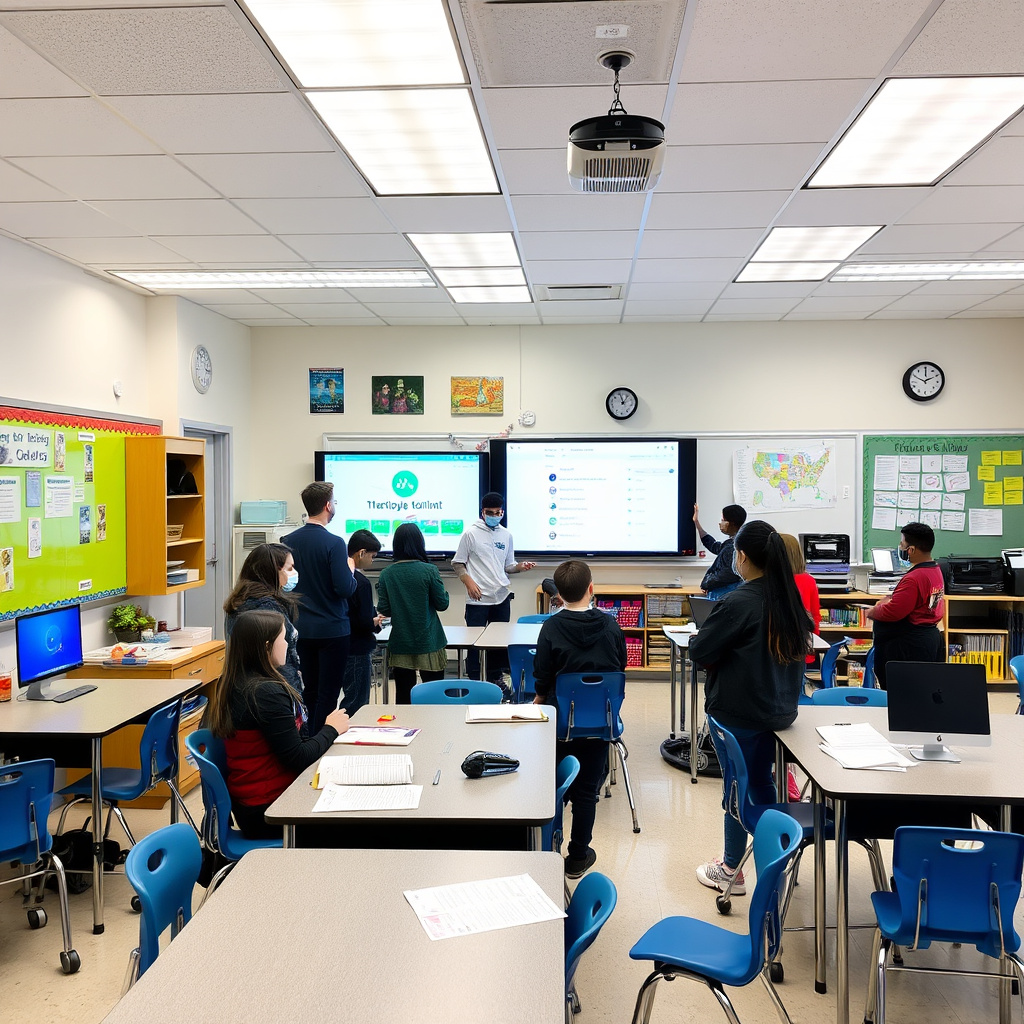
Physical Space and Resources
A well-organized, comfortable study space reduces distractions and makes study sessions more inviting. Access to proper materials and technology supports varied learning preferences.
Incorporating visuals, comfortable seating, and natural lighting can improve concentration and motivation during study periods.
- Ensure quiet zones
- Provide adequate lighting and seating
- Supply study aids and technology
Social and Emotional Support
Positive relationships among peers and teachers foster a sense of belonging that encourages students to engage academically. Supportive feedback and encouragement strengthen motivation.
Creating collaborative opportunities and peer mentoring builds community and shared responsibility for learning.
- Encourage group study sessions
- Offer constructive feedback
- Build rapport with students
Incorporating Effective Study Techniques

Active Learning Strategies
Techniques like summarizing, questioning, and teaching others engage students more deeply than passive reading. Active involvement improves retention and motivation by making study sessions interactive.
Incorporating games, quizzes, or practical applications transforms study into a dynamic process that sustains interest.
- Use flashcards and self-testing
- Practice teaching concepts aloud
- Apply concepts in real-life scenarios
For more on this, see our related guide: How to Choose the Best Test Preparation Tutor in Doral FL for Effective Results.
Time Management and Scheduling
Teaching students how to manage their time with planners or apps helps balance study with other activities, reducing stress and procrastination. Regular, short study sessions outperform infrequent, lengthy ones.
Encouraging breaks and varied subjects during study periods maintains focus and prevents burnout.
- Create daily or weekly study plans
- Use Pomodoro technique (25 min study, 5 min break)
- Limit multitasking during study
Using Rewards and Incentives Wisely
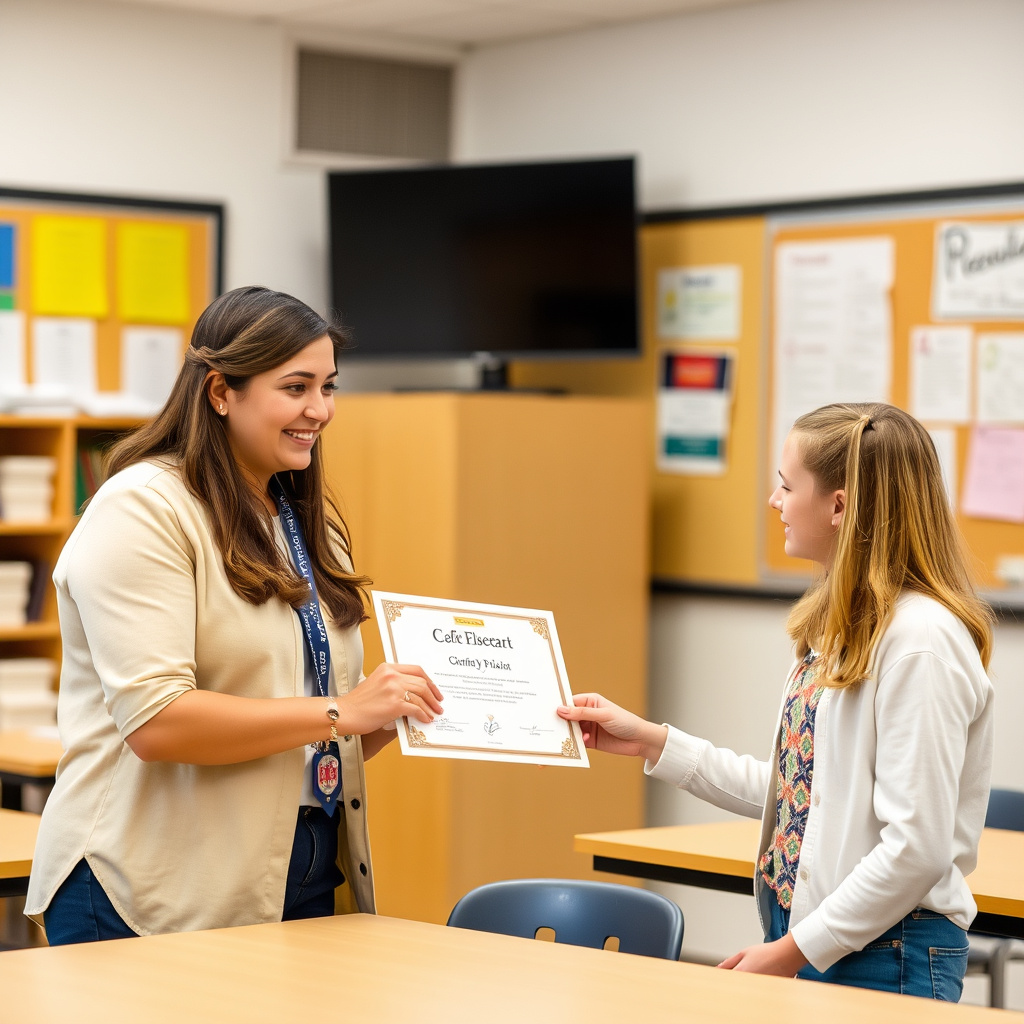
Positive Reinforcement Tactics
Recognizing effort and achievement with praise, privileges, or small rewards motivates students to continue their efforts. Reinforcement should be immediate and specific to be effective.
Celebrating milestones publicly or privately strengthens a student's self-esteem and encourages ongoing commitment.
- Use verbal praise effectively
- Provide tangible rewards occasionally
- Set up progress charts
Avoiding Over-reliance on Rewards
Too much emphasis on external rewards can undermine intrinsic motivation and make students dependent on incentives. It's important to gradually shift focus to internal satisfaction.
Educators should balance rewards with opportunities for autonomy and self-reflection in learning.
- Limit rewards frequency
- Encourage self-set incentives
- Promote reflection on learning value
Leveraging Technology to Boost Motivation

Educational Apps and Online Platforms
Interactive apps and online tools can personalize learning and add visual or gamified elements that captivate students. These platforms often track progress and provide instant feedback, enhancing motivation.
Selections should fit the student’s age, interests, and subject matter to maintain relevance and enthusiasm.
- Use language learning apps for practice
- Incorporate math games with levels
- Choose platforms with progress tracking
For more on this, see our related guide: How to Find Effective One on One Tutoring in Doral FL.
Monitoring and Analytics Tools
Technological tools that analyze study habits help students and educators identify strengths and weaknesses. This data-driven approach informs adjustments to study plans and motivational strategies.
Feedback from technology can foster accountability and highlight improvement areas, promoting a growth mindset.
- Track time spent on subjects
- Review quiz and test results regularly
- Set alerts for study deadlines
Tailoring Motivation Techniques to Age Groups

Strategies for Younger Students
Younger learners respond well to play-based activities, storytelling, and routine. Short, engaging tasks coupled with immediate praise help build positive study habits early.
Parental involvement and structured schedules also contribute to sustained motivation at this stage.
- Use educational games
- Incorporate storytelling elements
- Maintain consistent routines
For further understanding of the underlying theories behind motivation, review student motivation concepts on Wikipedia. student motivation concepts on Wikipedia.
Motivation for Teens and Older Students
Adolescents benefit from autonomy, realistic goal setting, and relevance to future aspirations. Encouraging self-reflection and offering choices increases their engagement and ownership of learning.
Involving them in planning and recognizing their growing independence supports motivation and discipline.
- Promote self-directed learning
- Link studies to career goals
- Encourage peer collaboration
Comparison of Student Study Motivation Techniques
This table compares common motivation techniques by effectiveness, age suitability, and engagement level.
| Technique | Effectiveness | Best Age Group | Engagement Level |
|---|---|---|---|
| Goal Setting | High | Teens & Older | Moderate |
| Rewards & Incentives | Moderate | All Ages | High |
| Active Learning | High | All Ages | High |
| Educational Technology | Moderate | Teens & Older | High |
| Social Support | High | Younger & Teens | Moderate |
| Time Management Training | Moderate | Teens & Older | Low |
Frequently Asked Questions
How can I help a student who lacks interest in all subjects?
Focus on discovering topics or activities the student enjoys, then connect study material to those interests. Using varied teaching methods and breaking tasks into smaller parts can also enhance engagement.
Is it better to use rewards or punishments to motivate studying?
Positive reinforcement through rewards generally leads to better motivation and attitudes toward study than punishment, which can cause anxiety and resistance.
What role do parents play in motivating students to study?
Parents influence motivation by setting routines, providing support, encouraging effort over results, and communicating the value of education consistently.
Can technology actually help improve student motivation?
Yes, technology offers interactive and personalized learning experiences that appeal to many students, helping maintain interest through gamification and instant feedback.
How important is setting study goals for student motivation?
Setting clear, achievable goals provides direction and measurable progress, which helps students stay focused and motivated over time.
Key Takeaways
- Motivation improves when students find personal meaning in their studies.
- Balanced use of intrinsic and extrinsic motivators yields better engagement.
- Creating supportive environments encourages consistent study habits.
- Technology and age-appropriate strategies enhance motivation effectiveness.
Conclusion
Motivating students to study involves combining strategies that address individual needs, learning styles, and age differences. Understanding whether a student is driven internally or externally helps tailor approaches to engagement. Utilizing goals, supportive environments, and balanced rewards fosters a sustainable motivation framework.
For younger students, incorporating play and immediate praise builds positive habits, while older students thrive with autonomy and goal-setting linked to future aspirations. Technology tools and active learning methods can improve focus and retention for various ages. Parents and educators share roles in reinforcing motivation through encouragement and structure.
Ultimately, observing and adapting strategies to responses is essential. Starting with clear goals and ensuring emotional and physical learning conditions are comfortable are good first steps. Combining these with thoughtful use of incentives and technology offers a practical path to increasing student motivation to study.