How to Choose a Tutor: A Practical Guide for Finding the Right Educational Support
Choosing a tutor means finding someone who fits your specific educational needs, learning style, and schedule. The right tutor can clarify difficult concepts, strengthen your skills, and boost your confidence in subjects that challenge you.
Many students and parents make decisions without focusing on important elements like a tutor’s expertise or teaching approach. Understanding how a tutor matches your goals and personality can make your educational experience successful and even enjoyable.
This article explores the key factors to evaluate when selecting a tutor. We’ll discuss subject specialization, teaching methods, qualifications, logistics like cost and availability, and how to recognize quality tutoring services. By the end, you’ll have a clear path to choosing a tutor that fits your unique needs.
Understanding Your Tutoring Needs

Identifying Your Academic Goals
Before searching for a tutor, clarify what you want to achieve. Are you preparing for exams, trying to improve general comprehension, or advancing in a specific subject? Clear goals help streamline your choice.
Specific goals, such as mastering algebra or improving writing skills, allow tutors to tailor lessons effectively. Define your timeline and learning priorities to match a tutor’s strengths with your expectations.
Recognizing Your Learning Style
Different learners thrive under different teaching methods. Visual learners benefit from diagrams and videos, while others prefer hands-on practice or discussion.
Understanding whether you respond better to structured lectures or interactive sessions helps you find a tutor whose teaching style aligns with what helps you learn best.
Evaluating Tutor Qualifications and Experience
Academic Background and Expertise
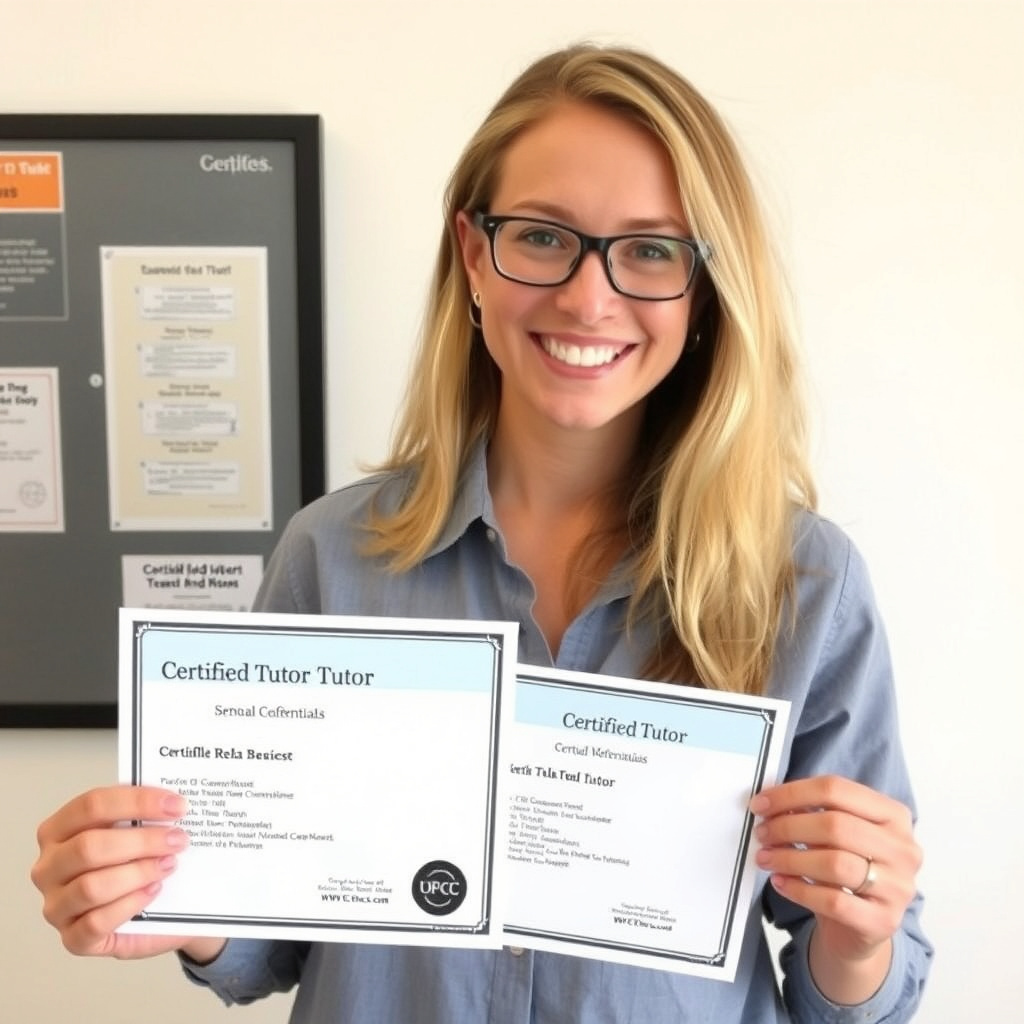
Assess a tutor’s qualifications including degrees, certifications, or specialized training in the subject area you need. Expertise matters when tackling advanced or specific topics.
A tutor with relevant academic credentials or professional experience often brings deeper insight and credible teaching methods to their sessions.
- Check for subject-specific certifications
- Look for relevant teaching or tutoring experience
- Verify any professional affiliations
Past Student Results and References
Requesting feedback or references from previous students can provide insight into a tutor’s effectiveness and reliability.
Successful tutors often share testimonials, before-and-after performance improvements, or can connect you with former students to discuss their experiences.
- Ask for measurable improvements
- Confirm communication and reliability
- Evaluate rapport with students
Assessing Teaching Approach and Methodology

Customization and Flexibility
Good tutors adapt their lessons to the student's pace and preferred learning methods rather than strictly following a set curriculum.
Ask tutors how they tailor sessions to individual needs and how flexible they are with pacing, topics, and teaching techniques.
For more on this, see our related guide: How to Choose a Tutor for Struggling Students: A Practical Guide.
Use of Technology and Resources
Modern tutoring may incorporate digital tools, interactive apps, and multimedia resources to enhance understanding and engagement.
Enquire if the tutor uses online platforms for practice tests, video explanations, or collaborative tools to complement sessions.
- Virtual whiteboards
- Recorded lessons for review
- Subject-specific software
Logistics: Cost, Availability, and Location

Budgeting for Tutoring Services
Tutoring costs vary widely depending on experience, subject, and location. Set a budget that balances affordability with quality.
Some tutors offer package deals or sliding scales based on student needs. Comparing rates helps avoid unexpected costs.
- Hourly versus package pricing
- Scholarships or discounts
- Additional fees (materials, travel)
Scheduling and Session Format
Consider your availability and whether you prefer in-person tutoring or online sessions. Flexibility in scheduling can enhance consistency.
Clarify the tutor’s cancellation policies and session length to find arrangements that fit your routine smoothly.
Verifying Quality and Compatibility

Trial Lessons and Initial Assessment
Many tutors offer trial sessions that let you gauge teaching style, communication, and comfort level before committing.
During the initial meeting, assess how well the tutor listens to your goals and addresses your concerns.
- Evaluate interpersonal rapport
- Check clarity of explanations
- Identify responsiveness to questions
For more on this, see our related guide: How to Choose the Best Test Preparation Tutor in Doral FL for Effective Results.
Tracking Progress and Feedback
Effective tutors regularly review progress and adjust plans accordingly. They provide constructive feedback that helps motivate and guide you.
Ask how the tutor monitors improvement and shares updates to keep you informed and involved.
Finding the Best Tutoring Services

Exploring Online Tutor Platforms
Online platforms aggregate experienced tutors across subjects and skill levels, making it easier to compare profiles and reviews.
Consider platforms that verify tutor qualifications and offer guarantees on satisfaction or replacements for mismatches.
- Access to diverse tutors
- Flexible scheduling
- Remote learning tools
For more detailed information on tutoring and its various forms, see tutoring on Wikipedia. tutoring on Wikipedia.
Local Tutoring Options and Community Resources
Local tutoring centers, schools, or university programs can offer personalized support and face-to-face interaction.
Check community boards or educational institutions for recommendations and affordable tutoring services.
- In-person supportive environment
- Often lower cost than private tutors
- Group tutoring possibilities
Tutoring Options Comparison
Here's a comparison of popular tutoring categories based on cost, flexibility, and personalization to help you choose effectively.
| Category | Cost per Hour | Flexibility | Personalization Level | Best For |
|---|---|---|---|---|
| Private In-Person Tutor | $40-$80 | Moderate | High | One-on-one personalized support |
| Online Tutoring Services | $20-$60 | High | Moderate to High | Convenient, remote learning |
| Local Tutoring Centers | $25-$50 | Low to Moderate | Moderate | Structured group sessions |
| Peer Tutoring Programs | Free or Low Cost | Low | Low to Moderate | Basic concept reinforcement |
| Automated Tutoring Software | $0-$30 | High | Low | Self-paced supplemental practice |
Frequently Asked Questions
What qualifications should a good tutor have?
A qualified tutor typically has subject expertise, formal education, or certifications relevant to the area they teach, along with proven teaching experience.
How long should tutoring sessions last?
Most effective sessions are between 45 to 90 minutes, depending on the student’s focus span and the subject complexity.
Can online tutors be as effective as in-person ones?
Yes, provided they use interactive tools and maintain good communication; online tutors offer flexibility and access to a wider range of expertise.
How soon can I expect results from tutoring?
Improvement timelines vary, but consistent sessions over several weeks often lead to measurable progress in understanding and grades.
Is it better to have group or one-on-one tutoring?
One-on-one tutoring offers personalized attention and tailored lessons, while group tutoring can be more affordable and encourage peer learning.
Key Takeaways
- Clarify your academic goals and learning style before choosing a tutor.
- Evaluate tutors’ qualifications and past student success carefully.
- Assess teaching approach, technology use, and scheduling fit.
- Compare tutoring options for cost, flexibility, and personalization.
Conclusion
Choosing the right tutor requires clarity about your learning objectives and how you best absorb information. Combining this understanding with careful evaluation of potential tutors’ expertise and communication style increases the likelihood of productive sessions. Thoughtfully considering logistics like cost, availability, and teaching methods helps narrow options effectively.
For exam preparation or advanced subjects, private tutors with specialized knowledge provide the most customization. If convenience and flexibility are priorities, online tutoring services offer diverse tutor selections and digital resources. Local tutoring centers serve those who prefer group learning or more affordable approaches, while peer tutoring can support basic reinforcement. Your choice depends on what blend of focus, format, and budget aligns with your needs.
Start by defining specific goals and preferred learning formats. Explore online platforms and local options, request trial lessons, and ask detailed questions about tutoring style and outcomes. This approach ensures you invest time and resources in a tutor who truly supports your academic progress, making education a more manageable and rewarding journey.