How to Make Children Interested in Learning: Practical Strategies That Work
To make children interested in learning, it’s essential to create an environment where curiosity and exploration are encouraged. Children respond best when learning is fun, relevant, and interactive. Incorporating playful methods, real-world examples, and positive reinforcement can spark their natural desire to discover and understand new things.
Interest in learning doesn’t happen by chance; it needs thoughtful approaches that respect children’s unique personalities and developmental stages. Recognizing what excites a child or how they prefer to absorb information helps guide teaching methods that captivate their attention. When children feel competent and motivated, their eagerness to learn naturally increases.
This article will explore practical strategies, including how to use engaging learning activities for kids, the role of environment and routines, and the importance of encouragement and autonomy. Each section provides actionable advice for parents and educators aiming to nurture lifelong learners.
Creating a Stimulating Learning Environment to Spark Interest
Designing Spaces That Encourage Exploration
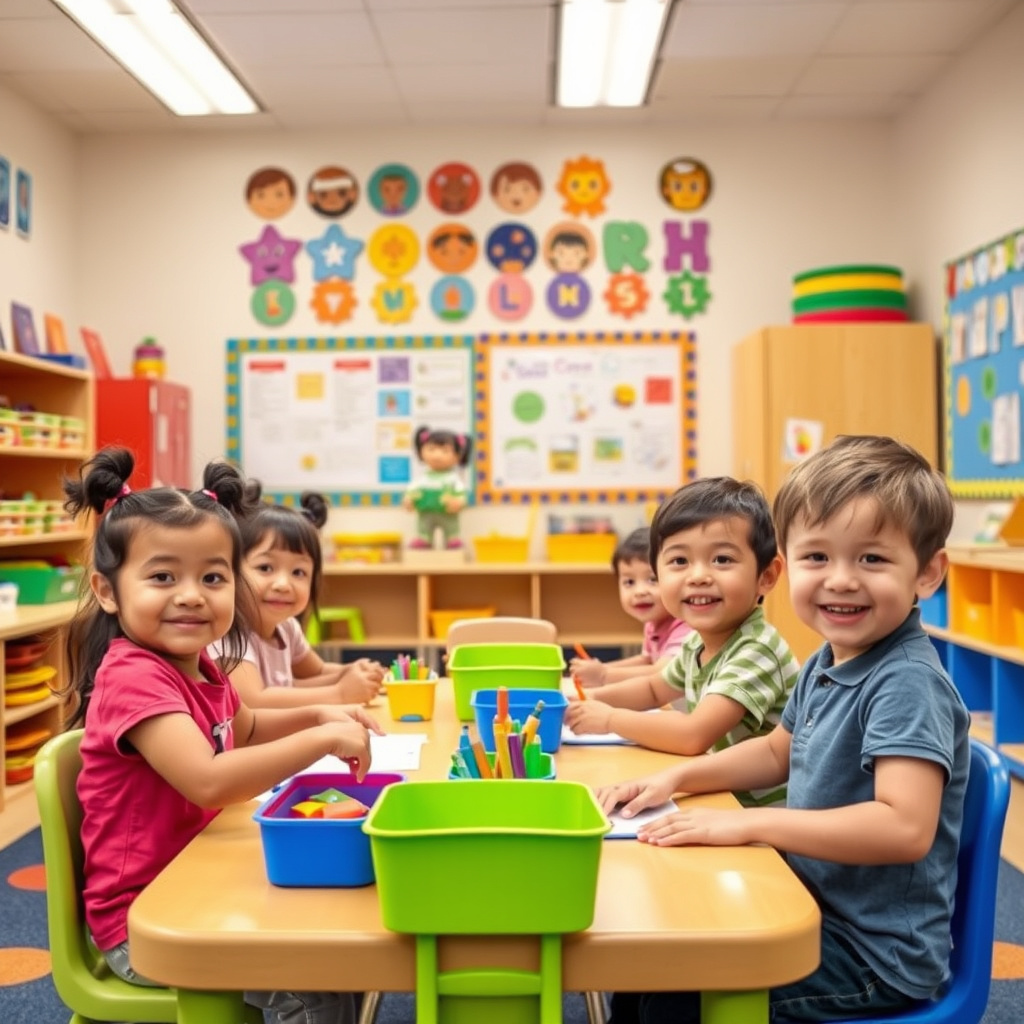
A learning environment rich in variety and sensory appeal encourages children to explore naturally. Providing diverse materials like books, puzzles, and science kits arranged within easy reach invites spontaneous interaction. Flexible seating, bright colors, and thematic corners tailored to topics can also make learning areas more inviting.
Well-organized, clutter-free spaces reduce distractions and help maintain focus. Spaces that balance quiet areas for reflection with areas that support collaboration boost various learning styles. Attention to lighting and comfortable furnishings further supports sustained engagement.
- Use accessible shelves
- Create thematic learning corners
- Incorporate natural light
- Provide varied seating options
Incorporating Technology Wisely in Learning Spaces
When appropriately integrated, technology can greatly enhance interest in learning. Tablets with educational apps, interactive whiteboards, and digital storytelling tools offer dynamic ways to engage children. The key lies in selecting tools that complement hands-on activities and promote creativity rather than passive consumption.
Setting limits on screen time and blending technology use with physical exploration ensures that learning remains active. Technology used as a supplement can ignite children’s curiosity by providing immediate feedback and opportunities for practice.
- Choose apps focused on creativity
- Blend screen time with physical activities
- Use interactive digital tools
- Monitor and set clear technology limits
Utilizing Engaging Learning Activities for Kids

Hands-On Experiments and Projects
Children learn best when they can manipulate materials and see tangible results. Simple science experiments, art projects, and building challenges provide immediate, visible outcomes that delight and teach simultaneously. These activities make abstract concepts concrete and help children retain knowledge longer.
Project-based learning also encourages problem-solving and collaboration. Parents and teachers can tailor activities to individual interests, thereby enhancing motivation and making learning memorable.
- Use household items for experiments
- Encourage group collaboration
- Allow creative freedom
- Connect projects to real-life topics
Incorporating Storytelling and Role-Playing
Stories tap into children's imagination and make information relatable. Narratives contextualize facts, helping children connect emotionally with the subject matter. Role-playing activities, where children act out scenarios or historical events, deepen understanding by involving multiple senses and perspectives.
These methods also improve language skills and creativity. Using familiar characters or topics personalizes learning and invites children’s input, increasing their engagement and sense of ownership over what they’re learning.
- Use stories related to learning themes
- Encourage child-led role play
- Integrate costumes and props
- Ask open-ended questions during storytelling
Building Motivation through Positive Reinforcement and Autonomy
Using Praise to Encourage Learning Efforts
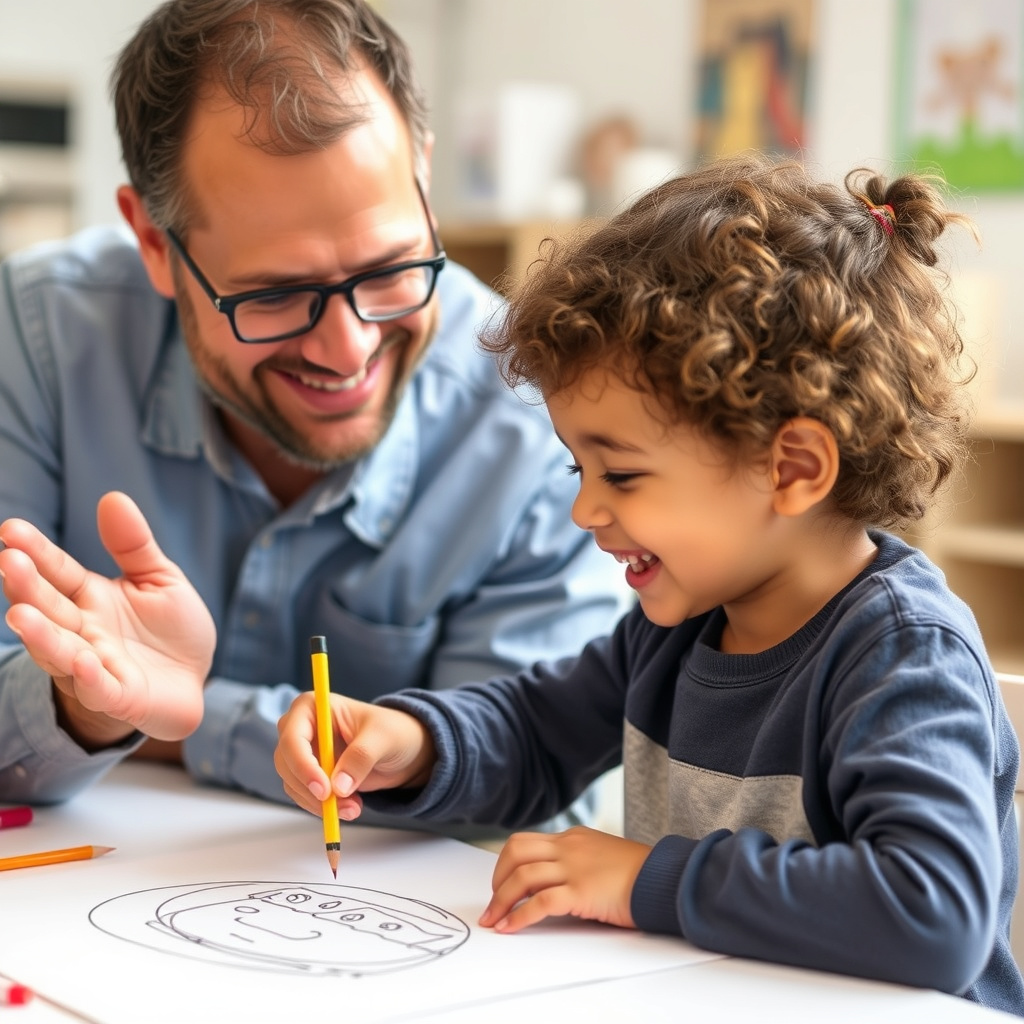
Positive reinforcement boosts children’s confidence and willingness to engage with challenging tasks. Specific, genuine praise for effort, creativity, or persistence helps children associate learning with achievement. Avoiding generic compliments shifts focus to qualities they can control, such as hard work or curiosity.
Balanced praise supports a growth mindset, encouraging children to see mistakes as opportunities rather than failures, which greatly influences their interest in continuing to learn.
- Praise effort over innate ability
- Be specific and sincere
- Celebrate small achievements
- Encourage reflective thinking
For more on this, see our related guide: Effective Homework Help Tips for Students in Doral FL.
Promoting Autonomy and Choice in Learning
Allowing children to choose subjects, materials, or timing gives them a sense of control that fuels motivation. When children feel their preferences matter, they take greater responsibility and become more proactive learners. Offering a range of options tailored to their interests respects individual differences.
Autonomy must be balanced with guidance to prevent overwhelm. Structured choices within clear limits help children develop decision-making skills while staying focused on learning goals.
- Offer options within a structured plan
- Encourage setting personal learning goals
- Provide opportunities for self-directed projects
- Support decision making with guidance
Establishing Consistent Routines and Realistic Expectations

Creating Daily Learning Habits
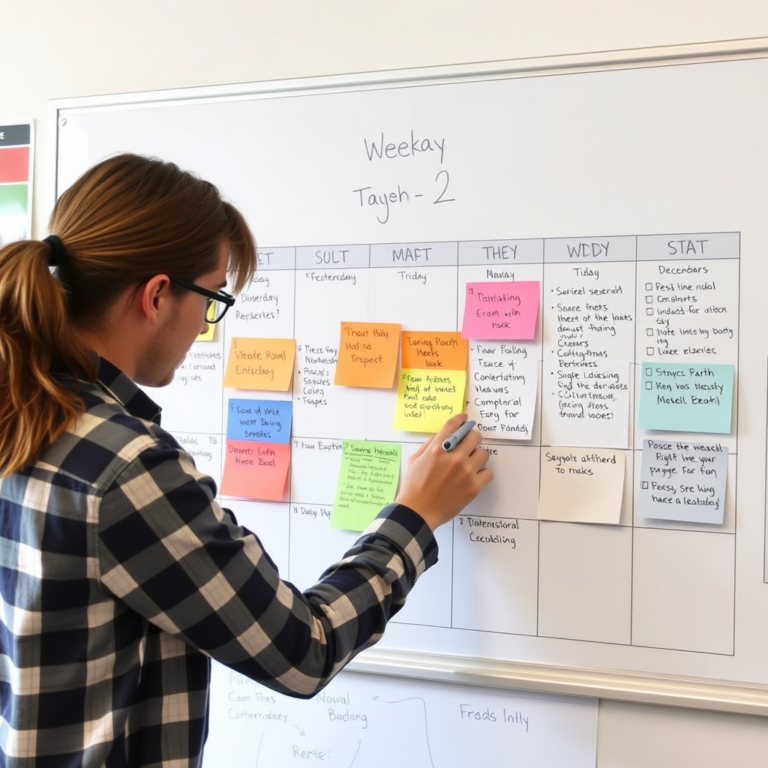
Consistent routines help children know what to expect, which reduces anxiety and increases focus. Scheduling regular times for reading, educational play, or quiet reflection reinforces the importance of learning as a daily habit. Flexibility within routines allows adaptation to changing interests or energy levels.
Balanced scheduling prevents burnout and maintains enthusiasm. Short, frequent sessions are generally more effective than occasional lengthy ones.
- Set specific learning times
- Include breaks and movement
- Adjust according to energy levels
- Keep routines predictable yet flexible
Setting Age-Appropriate and Clear Expectations
Clear, achievable goals align children’s efforts with learning outcomes. Understanding what is expected eases frustration and builds a sense of accomplishment. Goals should match developmental stages and be communicated in simple terms.
Gradually increasing challenge levels encourages growth without overwhelming. Reinforcing the idea that learning is a process helps children stay patient and interested over time.
- Define clear, simple goals
- Align expectations with age and ability
- Break tasks into manageable steps
- Celebrate progress along the way
Leveraging Social Interactions to Enhance Learning Interest

Group Learning and Peer Collaboration
Learning with peers fosters communication skills and introduces diverse perspectives. Collaborative projects or discussions create social motivation where children learn from and inspire one another. These settings develop teamwork and adaptive thinking.
Group activities encourage children to articulate their understanding and question concepts, deepening engagement. Positive social experiences linked to learning increase overall interest and willingness to participate.
- Organize group projects
- Facilitate peer discussions
- Encourage cooperative problem-solving
- Promote respectful communication
For more on this, see our related guide: How to Choose the Best After School Tutoring in Doral FL for Your Child.
Involving Family and Community in Learning
When families and communities participate in educational activities, children see learning as relevant beyond school walls. Family reading nights, museum visits, or community science fairs enrich experiences and reinforce daily learning.
These connections help children appreciate cultural diversity and real-world applications. Feeling supported and valued by a wider network nurtures excitement about knowledge.
- Plan family learning events
- Explore community resources
- Encourage sharing learning at home
- Connect lessons to cultural contexts
Tailoring Learning to Individual Interests and Strengths

Identifying and Supporting Child’s Unique Interests
Observing children to discover their favorite topics or ways of learning opens pathways to deeper engagement. Whether a child prefers visual arts, storytelling, or hands-on experiments, incorporating these interests into lessons nurtures enthusiasm.
Adjusting content to what naturally excites a child allows for sustained attention and better retention. Encouraging exploration of diverse subjects also uncovers hidden talents.
- Monitor responses to activities
- Integrate favorite themes
- Offer varied learning formats
- Encourage curiosity-driven questions
To understand more about the psychological basis of interest in learning, this resource offers detailed insights. interest in learning.
Strengthening Skills Through Differentiated Instruction
Differentiated learning adapts teaching methods to support both strengths and areas that need growth. Using various types of content delivery—such as visual aids, physical activities, or storytelling—helps meet diverse learning needs.
This approach respects children’s pace and style, reducing frustration. Tailored instruction maintains interest by providing both challenge and achievable success.
- Use multimodal teaching
- Adjust task difficulty
- Provide regular feedback
- Celebrate individual progress
Comparison of Popular Learning Approaches for Children
This table compares several common learning approaches based on engagement, adaptability, and suitability for different age groups.
| Learning Approach | Engagement Level | Adaptability | Best For Age Group |
|---|---|---|---|
| Montessori Method | High | Very adaptable to individual needs | 3-6 years |
| Project-Based Learning | Very high | Flexible across subjects and ages | 6-12 years |
| Traditional Classroom | Moderate | Less adaptable | 5-18 years |
| Technology-Enhanced Learning | High | Requires supervision and moderation | 4+ years |
| Experiential Learning | Very high | Extremely adaptable and practical | All ages |
Frequently Asked Questions
How can I keep my child motivated when they lose interest?
Try varying activities and incorporating their current interests to regain attention. Break tasks into smaller steps and provide encouragement without pressure to rebuild motivation.
What role does play have in learning interest?
Play is fundamental to motivating children because it makes learning enjoyable and natural. It encourages creativity, problem-solving, and social skills development.
Should I use rewards to encourage learning?
Rewards can be helpful when used sparingly and focused on effort rather than results. Overusing rewards, however, might reduce intrinsic motivation to learn.
How much screen time is acceptable for learning activities?
Moderation is key. Limit screen time to no more than one hour per day for young children, balancing with physical and hands-on learning experiences.
How do I know my child’s learning style?
Observe how your child prefers to process information, such as through seeing, hearing, or doing. Try different methods and note what keeps them most engaged.
Key Takeaways
- Creating a stimulating environment encourages natural curiosity.
- Incorporating hands-on and storytelling activities boosts interest.
- Positive reinforcement and offering choices help sustain motivation.
- Adapting learning to individual interests maximizes engagement.
Conclusion
Successfully fostering a child’s interest in learning involves a mix of thoughtful environmental setup, tailored activities, and supportive interactions. By focusing on creating spaces where children feel safe to explore and make choices, adults can nurture curiosity and build confidence. Recognizing that each child learns uniquely and allowing them to engage with subjects in meaningful ways creates a foundation for lifelong motivation.
Practical strategies like using engaging learning activities for kids, maintaining consistent routines, and involving families provide concrete tools for this process. Approaches such as project-based learning or Montessori-style exploration cater well to different developmental stages and learning preferences. Encouragement centered on effort and autonomy helps children persist through challenges and find joy in discovery.
For those ready to improve a child’s educational experience, beginning with small changes in the learning environment and daily habits is effective. Combining those with social and emotional support turns education into an exciting journey rather than a chore. Exploring trusted resources and experimenting to see what resonates with a specific child will lead to lasting success in making learning compelling.