How to Learn Multiplication: Effective Strategies for Mastery
Learning multiplication requires practice with basic concepts, memorizing times tables, and applying techniques like skip counting, repeated addition, and visual aids. Starting with small numbers and gradually increasing complexity helps build both understanding and speed.
Multiplication forms the foundation for many areas in math, making early mastery essential for advancing in subjects like division, fractions, and algebra. Strong multiplication skills improve problem-solving abilities and boost confidence in schoolwork.
This article explores step-by-step methods to learn multiplication, including memorization tips, use of visual tools like arrays and number lines, interactive practice, and ways to overcome common challenges learners face.
Understanding the Basics of Multiplication
What Multiplication Means
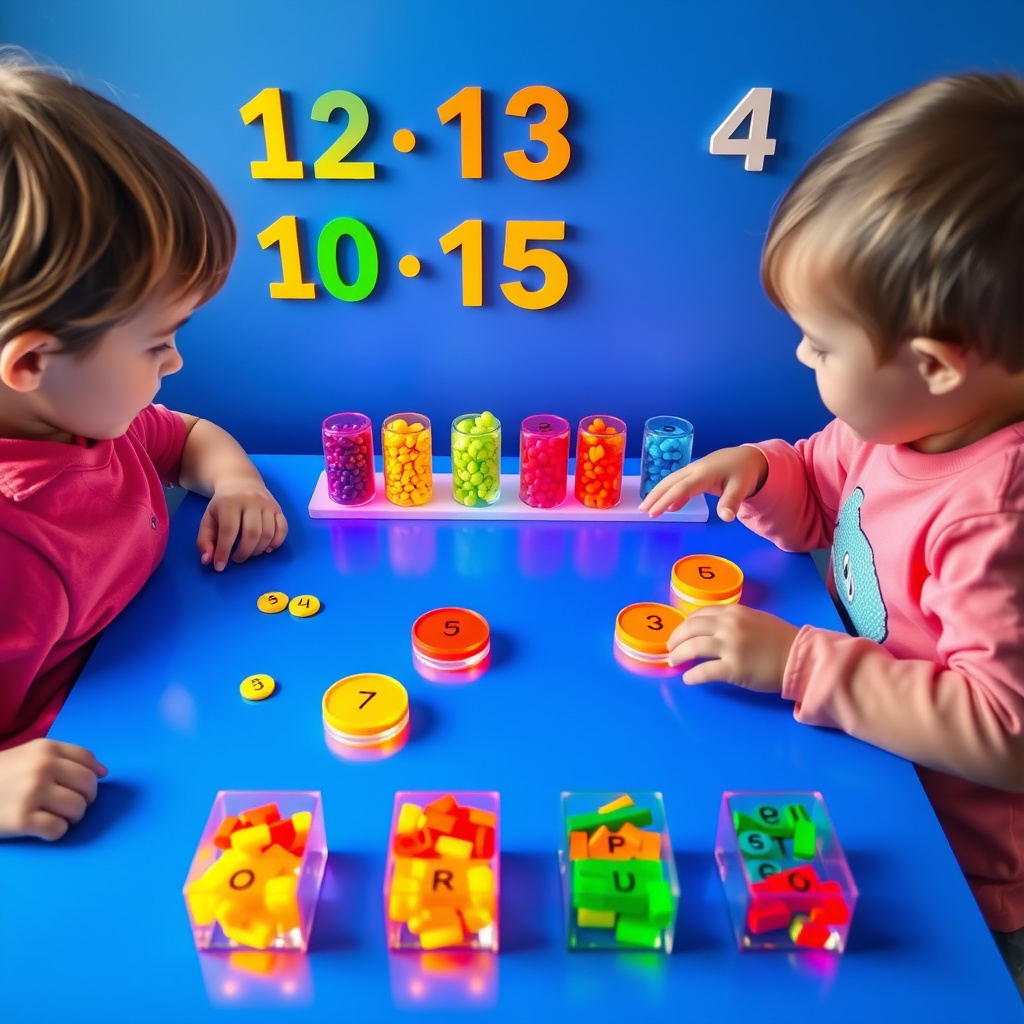
Multiplication represents repeated addition of the same number; for example, 4 times 3 means adding 4 three times. Grasping this concept clarifies why multiplication works and how it relates to everyday counting.
Thinking of multiplication as grouping objects helps learners visualize problems as sets with equal numbers of items, making abstract numbers tangible.
Using Skip Counting
Skip counting is a foundational technique where learners count forward by a number other than one, like counting 2, 4, 6, 8 for multiples of 2. This builds familiarity with multiplication sequences.
Practicing skip counting aloud or with fingers can strengthen number sense and make recalling times tables easier over time.
- Count by 2s, 5s, 10s
- Use number lines to track skips
- Practice with rhythmic patterns
Memorizing Times Tables Efficiently
Chunking and Pattern Recognition
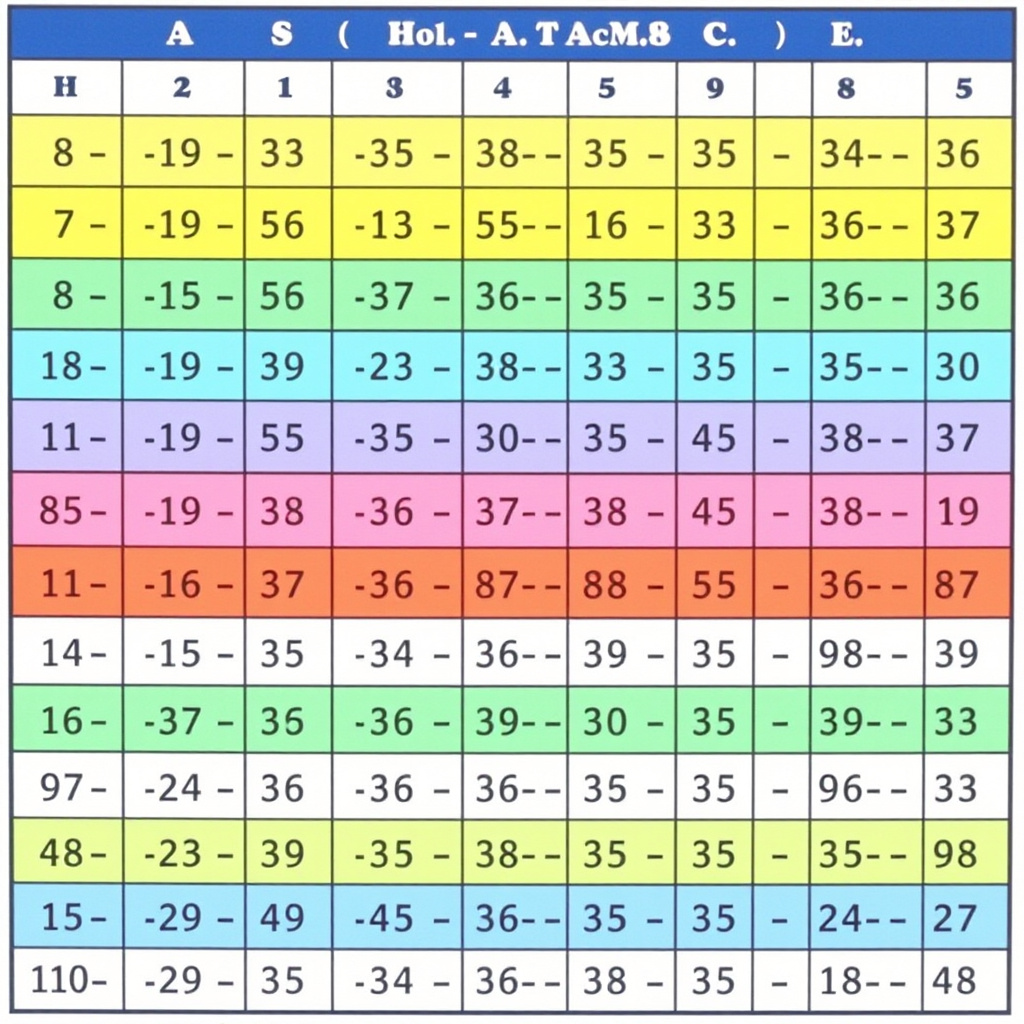
Breaking times tables into smaller chunks enables manageable learning sessions. Starting with easier tables like 1s, 10s, and 5s builds confidence.
Noticing patterns—such as the doubling in the 2s table or symmetrical 6×7 and 7×6 products—helps learners remember values without rote memorization.
- Learn 1, 2, 5, and 10 tables first
- Use flashcards in small groups
- Practice only a few numbers daily
Using Multiplication Learning Techniques
Techniques like songs, mnemonic devices, and games can make memorizing times tables fun and less taxing. Digital apps often incorporate these approaches to maintain engagement.
Repetition through diverse methods reinforces memory, while applying multiplication in real-life problems cements comprehension beyond memorization.
- Sing multiplication songs
- Play timed multiplication quizzes
- Use visual mnemonic charts
Practical Tools to Support Learning

Visual Aids: Arrays and Number Lines
Arrays arrange objects in rows and columns to demonstrate multiplication visually. For example, 3 rows of 4 dots represent 3 × 4, helping learners count and verify results.
Number lines allow tracking multiples incrementally, reinforcing the link between addition and multiplication and aiding mental calculation strategies.
For more on this, see our related guide: How to Choose an Elementary Math Tutor in Doral FL for Your Child’s Success.
Interactive Practice and Games
Engaging interactive games encourage repeated exposure and can adapt difficulty as skills grow. Using apps or board games focused on multiplication turns practice into an enjoyable experience.
Timed challenges and rewards motivate learners to improve speed and accuracy, building strong recall under pressure.
- Multiplication matching games
- Online timed quizzes
- Multiplication bingo
Overcoming Common Multiplication Challenges

Addressing Memorization Difficulties
Some learners struggle to retain multiplication facts due to lack of repetition or anxiety. Breaking sessions into short daily intervals and mixing methods can reduce frustration.
Encouraging a growth mindset—viewing errors as learning opportunities—supports persistence and gradual improvement.
Building Confidence with Gradual Progress
Starting with simple problems and advancing slowly builds a sense of mastery without overwhelming the learner. Celebrating small wins sustains motivation.
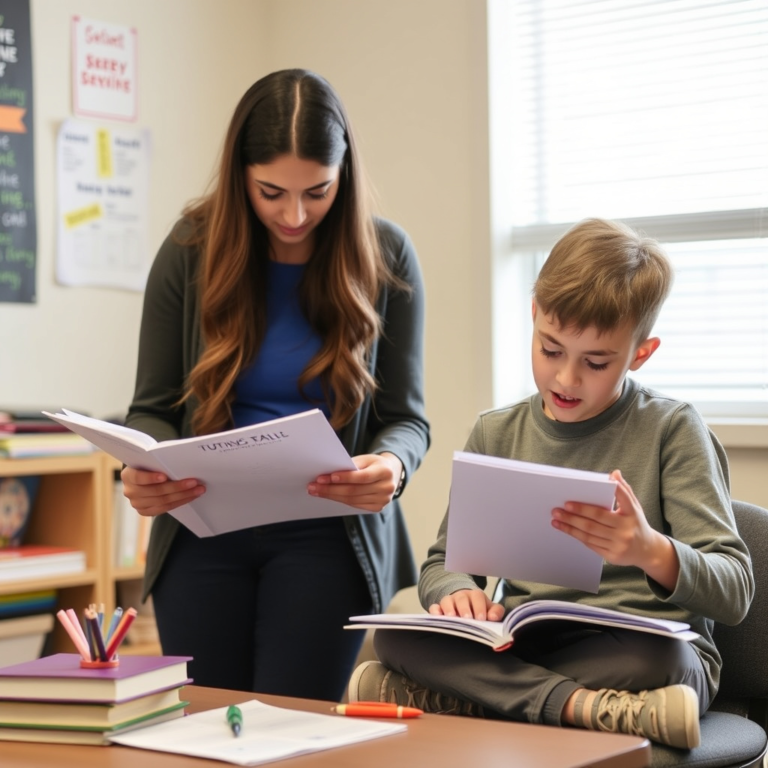
Support from parents or teachers by reviewing errors calmly and offering encouragement makes the process less stressful.
Applying Multiplication in Daily Life

Using Real-Life Situations
Applying multiplication in shopping, cooking, or time-telling contexts helps learners see its value. For example, calculating total cost when buying multiple items involves multiplying quantity by price.
Such practical use deepens understanding and reinforces memorization by connecting abstract numbers to familiar tasks.
- Calculate total cost of repeated items
- Double recipes in cooking
- Determine total minutes by multiplying time intervals
Story Problems and Word Problems
Multiplication word problems promote critical thinking by requiring learners to identify relevant numbers and operations. This bridges conceptual knowledge with problem-solving skills.
Practicing with diverse problem types broadens flexibility and prepares learners for standardized tests.
Tracking Progress and Setting Goals
Using Practice Logs and Charts
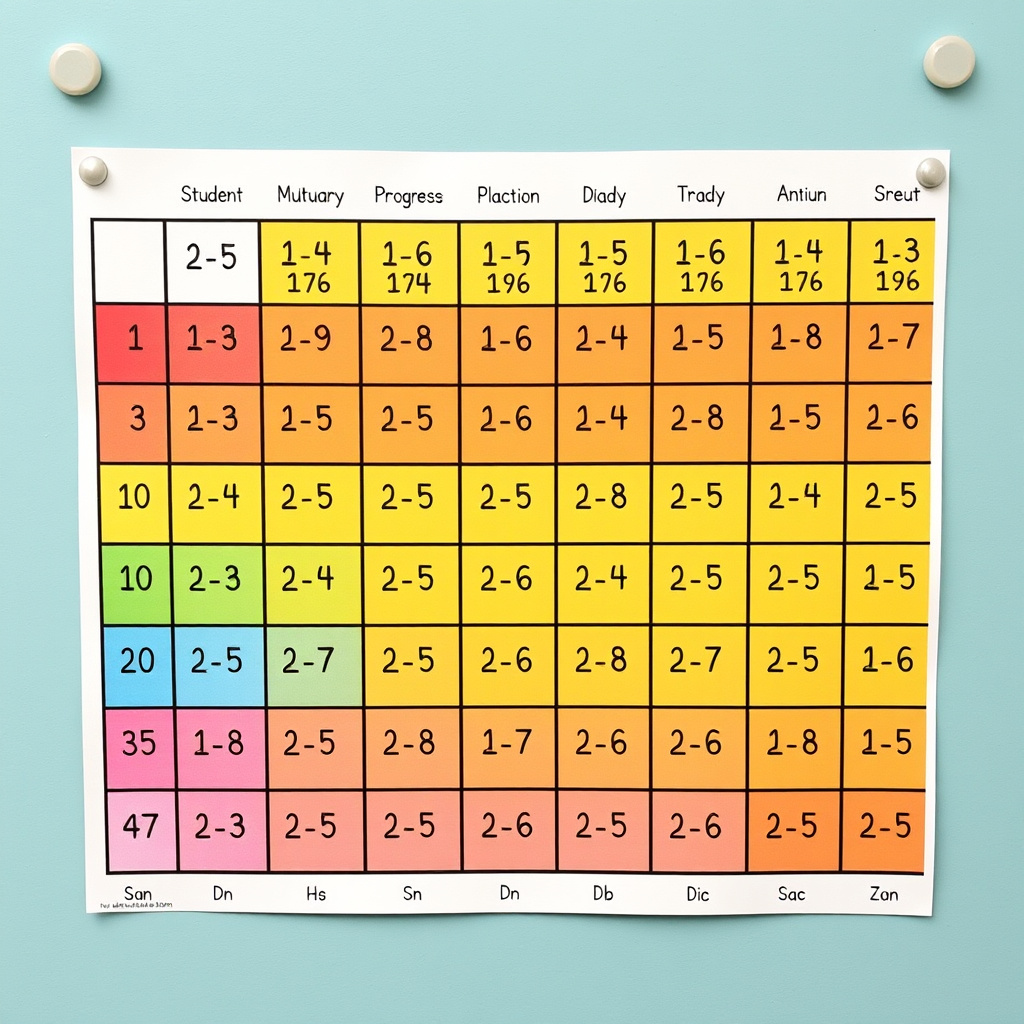
Maintaining a log of multiplication practice helps monitor improvement over time and identify tables needing extra attention. Visual progress motivates continued effort.
Charts can display mastered tables and speed milestones, making abstract progress visible and rewarding.
- Record daily time spent practicing
- Mark tables memorized
- Set weekly speed goals
For additional detailed information and history about multiplication, see Multiplication – Wikipedia. Multiplication – Wikipedia.
Reward Systems and Motivation
Incorporating small rewards for practice milestones can boost motivation. These may include stickers, extra playtime, or positive verbal feedback.
Balancing encouragement with reasonable challenge keeps learners engaged without pressure or burnout.
- Use sticker charts
- Offer praise consistently
- Set achievable short-term goals
Multiplication Learning Method Comparison
Here's a comparison of popular methods to learn multiplication, highlighting key benefits and challenges of each approach.
| Method | Strengths | Challenges | Best For |
|---|---|---|---|
| Skip Counting | Builds number sense | May be slow for large numbers | Beginners, younger learners |
| Memorization via Flashcards | Quick recall | Can be boring without variety | Visual learners, quick memorizers |
| Visual Aids (Arrays/Number lines) | Concrete understanding | Requires setup and guidance | Hands-on learners, visual thinkers |
| Interactive Games | Engaging, adaptive | Needs devices or materials | Motivated learners, tech-savvy children |
| Real-life Application | Shows practical use | Less systematic practice | Older children, contextual learners |
Frequently Asked Questions
How long does it usually take to learn multiplication?
Learning multiplication facts can take several weeks with consistent daily practice, but understanding concepts like grouping and skip counting can develop more quickly.
What is the best age to start learning multiplication?
Most children begin learning multiplication around ages 7 to 9, after mastering addition and subtraction, but readiness varies individually.
Are there techniques to memorize multiplication tables faster?
Yes, using mnemonic devices, songs, and breaking tables into smaller chunks can make memorization easier and more enjoyable.
How can I help my child who finds multiplication hard?
Encourage short, frequent practice sessions using visual aids and real-life examples, and provide positive feedback to build confidence.
Does practicing multiplication help with other math skills?
Absolutely; strong multiplication skills support division, fractions, and algebra, making math more accessible overall.
Key Takeaways
- Multiplication is repeated addition and can be visualized and counted in groups.
- Memorization using chunking, patterns, and interactive techniques speeds learning.
- Visual aids and real-life examples deepen understanding and engagement.
- Regular practice with tracking and rewards boosts confidence and retention.
Conclusion
Learning multiplication effectively requires combining conceptual understanding with memorization and repeated practice. Focus first on grasping what multiplication represents, then use techniques like skip counting and visualization to build a strong foundation. Using varied methods helps maintain interest and adapt to different learning styles while reinforcing recall.
Depending on the learner’s preferences and challenges, different tools may work best. For hands-on visual learners, arrays and number lines help clarify concepts, while others may thrive with flashcards or interactive digital games. Real-world applications and story problems further solidify skills by connecting facts to everyday situations, making multiplication feel relevant rather than abstract.
Begin with manageable goals and track progress through charts or logs to stay motivated. Recognize small successes and encourage frequent short sessions to avoid frustration. Combining these approaches, anyone can master multiplication and use it as a building block for more advanced math tasks. Starting today with simple strategies paves the way for math confidence tomorrow.