Does Tutoring Improve Grades? Insights and Evidence You Need to Know
Yes, tutoring can improve grades by providing personalized instruction that targets a student’s specific learning needs. Tailored guidance helps clarify difficult concepts, practice problem areas, and build confidence, which often translates to better academic performance and higher test scores.
Many students struggle in traditional classroom settings where teachers cannot always address individual challenges. Tutoring offers one-on-one support, allowing students to ask questions freely and receive immediate feedback, fostering deeper understanding that can make a significant difference in exam results and overall grades.
This article explores how tutoring improves grades, looking at different types of tutoring, what research says about its effectiveness, the role of tutors and students, and key strategies for maximizing benefits. Whether you’re a parent, student, or educator, understanding these factors will help you make informed decisions about incorporating tutoring into academic plans.
How Tutoring Supports Academic Improvement

Personalized Learning and Targeted Support
Tutoring provides customized lessons that address a student’s unique weaknesses and learning style. Unlike classroom settings with fixed curricula, tutors can adapt explanations, pacing, and practice exercises to suit individual needs.
This tailor-made approach helps students overcome specific obstacles, such as difficulties with math problem-solving or essay writing, enhancing understanding and retention of material essential for improved grades.
Building Academic Confidence and Motivation
One key benefit of tutoring is strengthening a student’s confidence through positive reinforcement and achievable goal-setting. As concepts become clearer and skills sharpen, motivation often increases, encouraging better engagement in classes.
Tutors act as supportive mentors, helping students set realistic academic targets and track progress, which can reduce anxiety and foster a growth mindset essential for sustained grade improvement.
Types of Tutoring and Their Impact on Grades
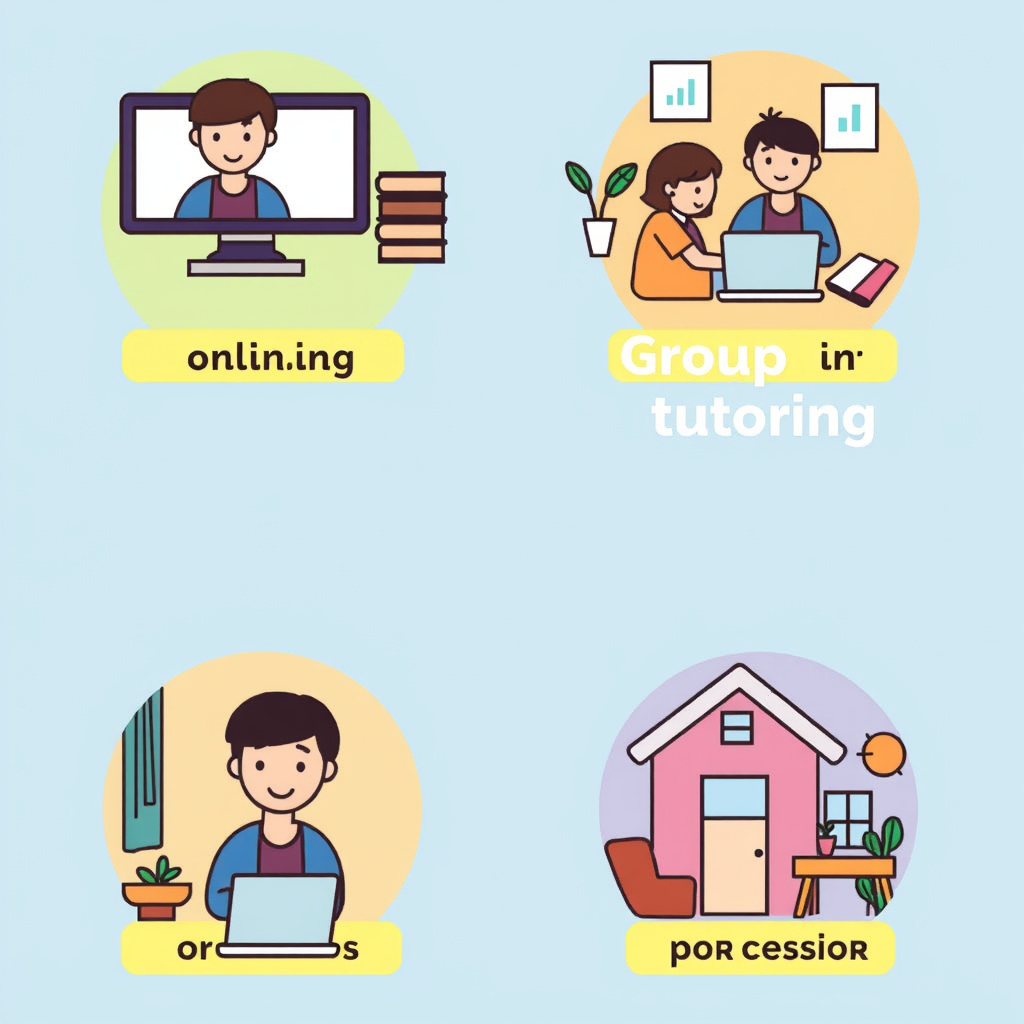
Private Tutoring: Individualized Attention
Private tutoring involves one-on-one sessions tailored solely to a student’s needs, offering direct feedback and pacing aligned with their capabilities. This focused attention is particularly effective for students needing intensive help in challenging subjects.
Research shows private tutoring often yields the highest grade improvements because it closely targets learning gaps and allows personalized strategies, which are difficult to replicate in classroom or group settings.
- Individualized lesson plans
- Flexible scheduling
- Customizable teaching methods
Group and Online Tutoring
Group tutoring offers peer interaction and collaborative problem-solving but may provide less individualized feedback. It can still improve grades by fostering motivation and exposing students to diverse explanations.
Online tutoring provides convenience and access to specialized tutors regardless of location. While technology adds flexibility, maintaining engagement and ensuring quality instruction are crucial to realize grade improvements.
- Peer collaboration benefits
- Accessible expertise via internet
- Potential distractions in online formats
Evidence and Research on Tutoring Effectiveness
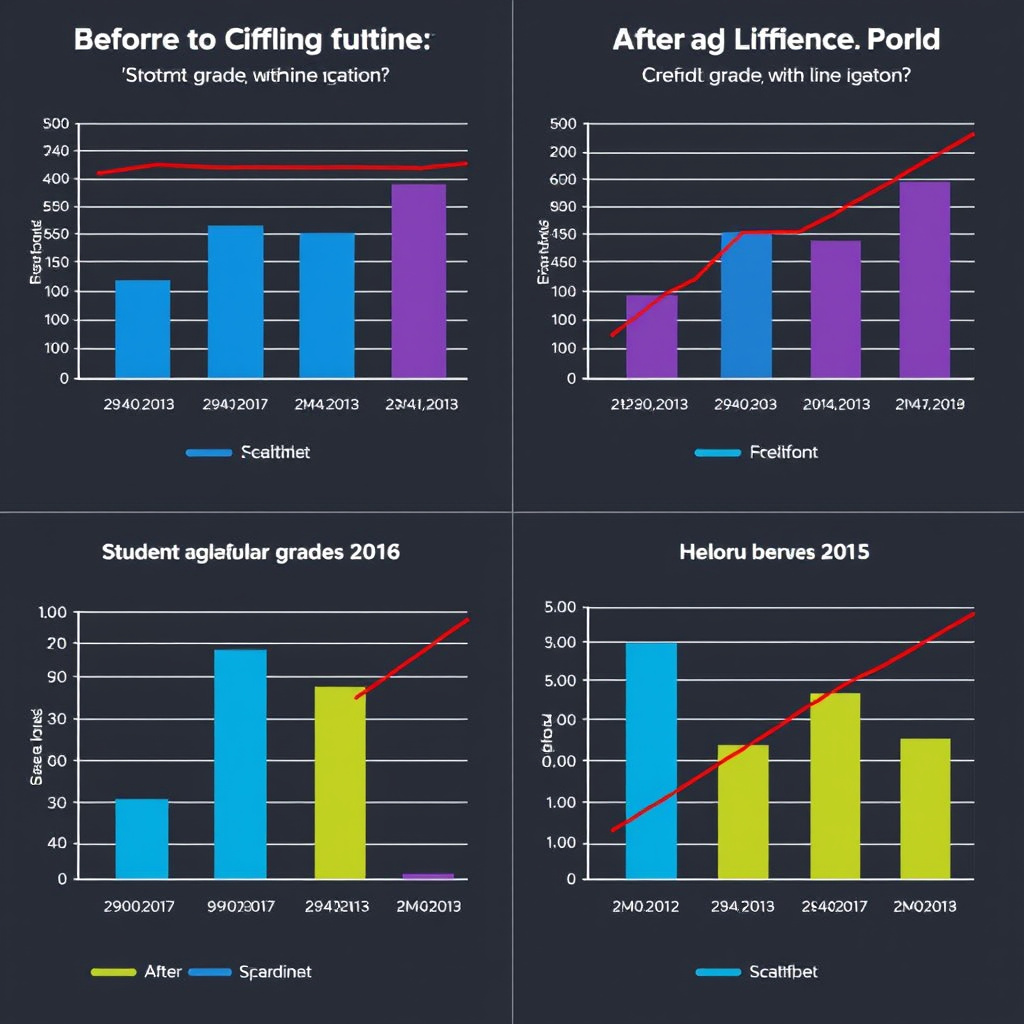
Studies Showing Grade Improvement
Multiple studies indicate students receiving tutoring show statistically significant grade improvements, especially in subjects like math and reading. Gains are often more pronounced with consistent tutoring over multiple months.
Meta-analyses confirm that tutoring can close achievement gaps for underperforming students when programs are well-structured, tutor training is robust, and sessions focus on problem areas aligned with curricula.
For more on this, see our related guide: How to Choose an Elementary Math Tutor in Doral FL for Your Child’s Success.
Limitations and Variables Affecting Outcomes
While tutoring often improves grades, outcomes depend on factors such as student motivation, tutor quality, frequency of sessions, and parental involvement. Inconsistent attendance or passive student attitudes can reduce effectiveness.
Choosing tutors familiar with exam standards and content, as well as encouraging active learning habits, maximizes benefits and supports measurable academic gains.
Maximizing the Benefits of Tutoring for Better Grades

Setting Clear Goals and Tracking Progress
Establishing specific academic goals before tutoring helps focus sessions on measurable improvements, such as mastering algebraic equations or improving essay scores. Tracking progress through quizzes or assignments keeps students motivated.
Regular feedback from tutors helps adjust teaching methods and content, ensuring lessons remain relevant and aligned with desired grade targets.
- Define short-term and long-term objectives
- Use assessments to monitor improvement
Active Student Participation and Practice
Effective tutoring requires students to engage actively by asking questions, completing assigned exercises, and applying concepts independently. Passive learning during sessions limits retention and grade gains.
Homework assignments and review sessions reinforce material, making tutoring a supplement rather than a substitute for consistent study habits essential to improving grades.
- Encourage questions and clarifications
- Practice regularly outside tutoring
The Role of Parents and Educators in Tutoring Success

Parental Support and Environment
Parents influence tutoring success by providing a quiet study space, monitoring attendance, and encouraging a positive attitude towards learning. Their involvement reinforces the importance of academic improvement to the student.
Open communication between parents and tutors helps identify evolving challenges and coordinate strategies to maintain consistent progress that reflects in better grades.
For more on this, see our related guide: How to Find the Best Reading Tutor in Doral FL for Your Child.
Teacher and Tutor Collaboration
Tutors working in alignment with classroom teachers can more effectively target curricular content and assessment requirements. Sharing lesson plans and feedback ensures both educators support the student’s objectives.
Collaboration facilitates consistent messaging and prevents conflicting instructions that could confuse students, fostering a unified effort towards grade improvement.
Costs, Accessibility, and Alternatives in Tutoring
Balancing Tutoring Costs and Benefits
Private tutoring can be costly, often limiting access for some families, but the grade improvements can justify investment for students needing extra help. Evaluating cost versus expected academic benefits is important for budgeting.
Some programs offer sliding scales or group sessions that reduce expenses, though these may provide less individualized support.
For additional detailed analysis on tutoring and academic performance, see this tutoring research overview. Tutoring research overview.
Exploring Free and Low-Cost Alternatives
School-based tutoring, peer study groups, and community programs offer low-cost or free options, which can supplement academic support. While not as personalized as private tutors, these resources still provide valuable assistance.
Online free resources and educational apps also help students reinforce learning independently, contributing to grade improvement when combined with structured tutoring or classroom instruction.
- School tutoring programs
- Community educational centers
- Online study platforms and apps
Tutoring Options Comparison
Here’s a comparison of common tutoring types and their characteristics related to grade improvement.
| Type | Personalization | Cost | Best For |
|---|---|---|---|
| Private Tutoring | High | High | Students needing targeted help |
| Group Tutoring | Medium | Moderate | Motivated students benefiting from peer interaction |
| Online Tutoring | Medium to High | Variable | Students seeking flexible scheduling |
| School-Based Tutoring | Low to Medium | Free or Low | Students accessing basic supplemental support |
| Peer Study Groups | Low | Free | Students with self-motivation and collaboration skills |
Frequently Asked Questions
How long does it take for tutoring to improve grades?
Grade improvements usually appear after a few weeks to months of consistent tutoring, depending on the subject difficulty, student commitment, and session quality.
Can online tutoring be as effective as in-person tutoring?
Online tutoring can match in-person effectiveness if the tutor engages actively and uses interactive tools, but some students may find in-person sessions better for focus.
Do all students benefit equally from tutoring?
Benefits vary; students who actively participate and receive personalized instruction tend to improve more, while passive learning limits gains.
Is tutoring a substitute for regular studying?
No, tutoring supplements regular study by clarifying difficult concepts, but students must maintain disciplined independent study to see lasting improvements.
How can I find a qualified tutor for my child?
Look for tutors with credentials in the subject, positive references, and experience working with similar learners to ensure effective instruction.
Key Takeaways
- Tutoring improves grades by targeting individual learning gaps and needs.
- Private tutoring offers the most personalized support for higher gains.
- Active student involvement and parental support enhance tutoring outcomes.
- Combining tutoring with regular study produces the best academic results.
Conclusion
When evaluating whether tutoring improves grades, consider the personalized approach it offers for addressing specific academic challenges. Tutoring provides focused strategies and feedback that traditional classrooms may lack, helping students to build understanding and skills incrementally. Success depends on consistent sessions, qualified tutors, and active student engagement, making tutoring a valuable investment for achieving better academic outcomes.
For students struggling in particular subjects or exams, private tutoring delivers highly customized instruction that often translates into measurable grade improvements. Group tutoring and online options suit those seeking cost-effective or flexible schedules, though they generally provide less tailored support. Parent involvement and coordination with teachers further enhance tutoring effectiveness, ensuring alignment with curriculum standards and student goals.
Ultimately, tutoring acts as a complement to disciplined study habits rather than a replacement. To maximize benefits, establish clear goals, maintain regular attendance, and foster active learning. Parents should assess various tutoring options considering cost, quality, and accessibility to make informed choices. Starting with an initial assessment of academic needs will guide selecting the right type and frequency of tutoring to help boost your student’s grades reliably.