How to Improve Classroom Performance: Effective Strategies for Students and Teachers
Improving classroom performance starts with adopting consistent habits that enhance focus, comprehension, and participation during lessons. These strategies involve time management, active engagement, and proper preparation, which collectively help students maximize their learning potential and teachers elevate instructional effectiveness. Focusing on these elements can quickly translate into noticeable progress in academic results.
Classroom performance is a key indicator of educational success and often reflects how well students understand and apply the material presented. Enhancing it impacts not only grades but also a student's confidence and motivation in school. Meanwhile, educators who foster supportive environments and tailor methodologies contribute significantly to student achievement, making improvement a shared responsibility.
This article covers a range of actionable strategies, including study habits, classroom behaviors, and teaching practices, to improve classroom performance. We'll explore tools and techniques beneficial for both students and teachers, how to create engaging learning environments, and what external factors influence classroom success.
Effective Study Habits to Improve Classroom Performance
Organizing Time Efficiently
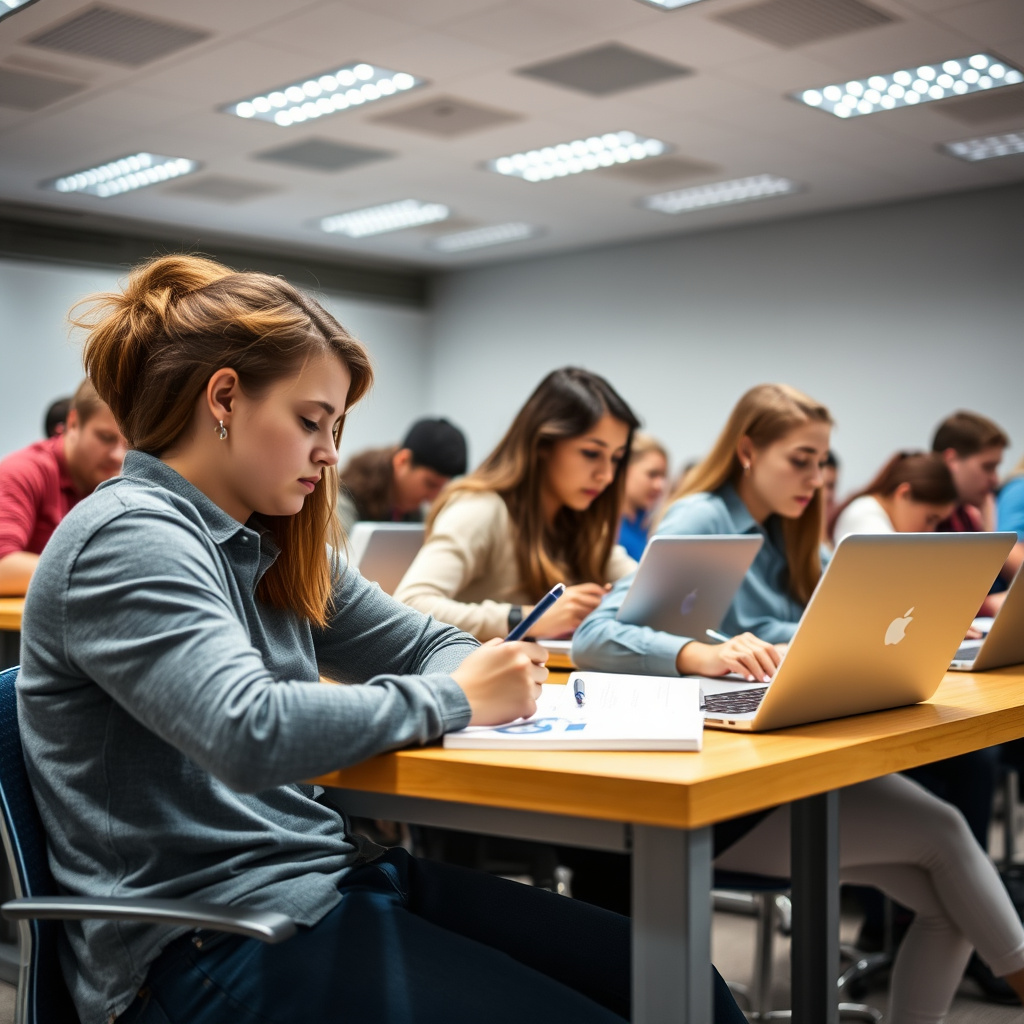
Time management is fundamental for students aiming to improve classroom performance. Establishing a study schedule that breaks down material into manageable sessions prevents last-minute cramming and encourages steady progress. Prioritizing tasks based on deadline and difficulty also helps students manage their workload without becoming overwhelmed.
Tools like planners, digital calendars, and reminder apps support students in tracking assignments and deadlines. Consistency in setting aside specific periods each day for review reinforces comprehension and retention, leading to better academic outcomes.
- Create a weekly study timetable
- Use digital tools for reminders
- Prioritize high-impact subjects
- Include short breaks to maintain focus
Utilizing Active Learning Techniques
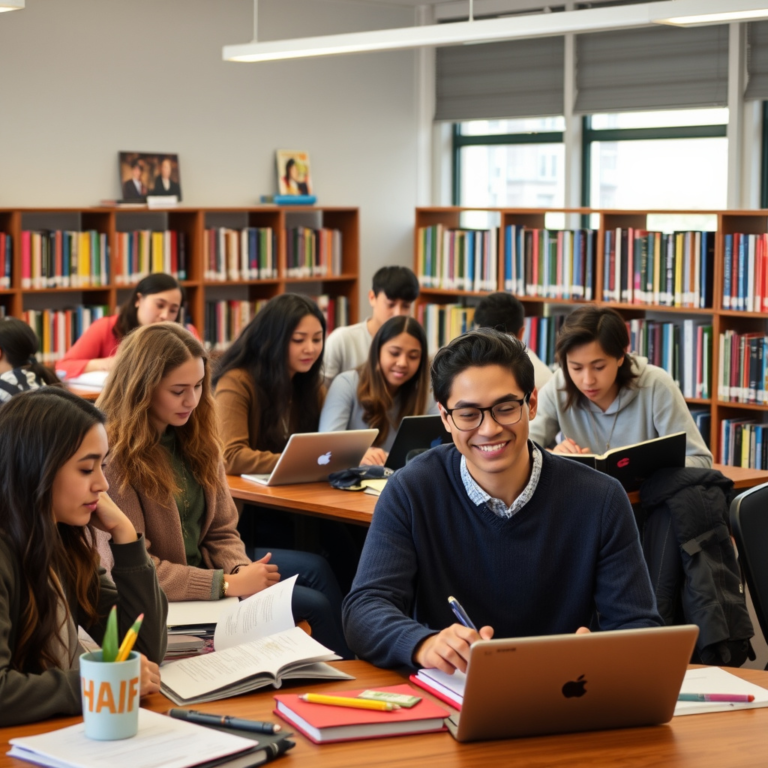
Active learning involves engaging with the material through summarization, questioning, and teaching the content to someone else. This approach helps embed information deeply and identify knowledge gaps early. Students who apply these techniques typically show greater retention and understanding in the classroom.
Examples include creating flashcards, participating in group discussions, and solving practice problems. These activities encourage critical thinking and solidify concepts beyond passive reading or listening.
- Summarize lessons in your own words
- Form study groups for discussion
- Teach concepts to peers
- Use flashcards and practice quizzes
Classroom Behavior and Engagement Strategies

Active Participation During Lessons
Regularly contributing in class, asking questions, and responding to discussions fosters deeper comprehension and signals attentiveness to the instructor. Students who participate actively tend to develop stronger critical thinking skills and retain information better.
Teachers also gauge understanding through student engagement, which can lead to a more dynamic classroom atmosphere where feedback is immediate and learning is reciprocal.
- Ask clarifying questions
- Volunteer answers to challenges
- Engage in group activities
- Take notes actively during lectures
For more on this, see our related guide: How to Choose a Tutor for Struggling Students: A Practical Guide.
Minimizing Distractions for Better Focus
Distractions such as mobile devices, social media, and off-topic conversations reduce the ability to concentrate and assimilate information. Establishing personal rules for device use and seeking quiet study areas helps maintain focus and improves overall classroom performance.
Teachers can support this by implementing structured classroom rules and encouraging a culture of respect and attentiveness, which benefits all students.
- Silence or turn off mobile devices
- Choose seating away from high-traffic areas
- Use noise-cancelling headphones if needed
- Establish clear attention expectations
Teaching Methods that Enhance Classroom Performance
Incorporating Technology for Interactive Learning
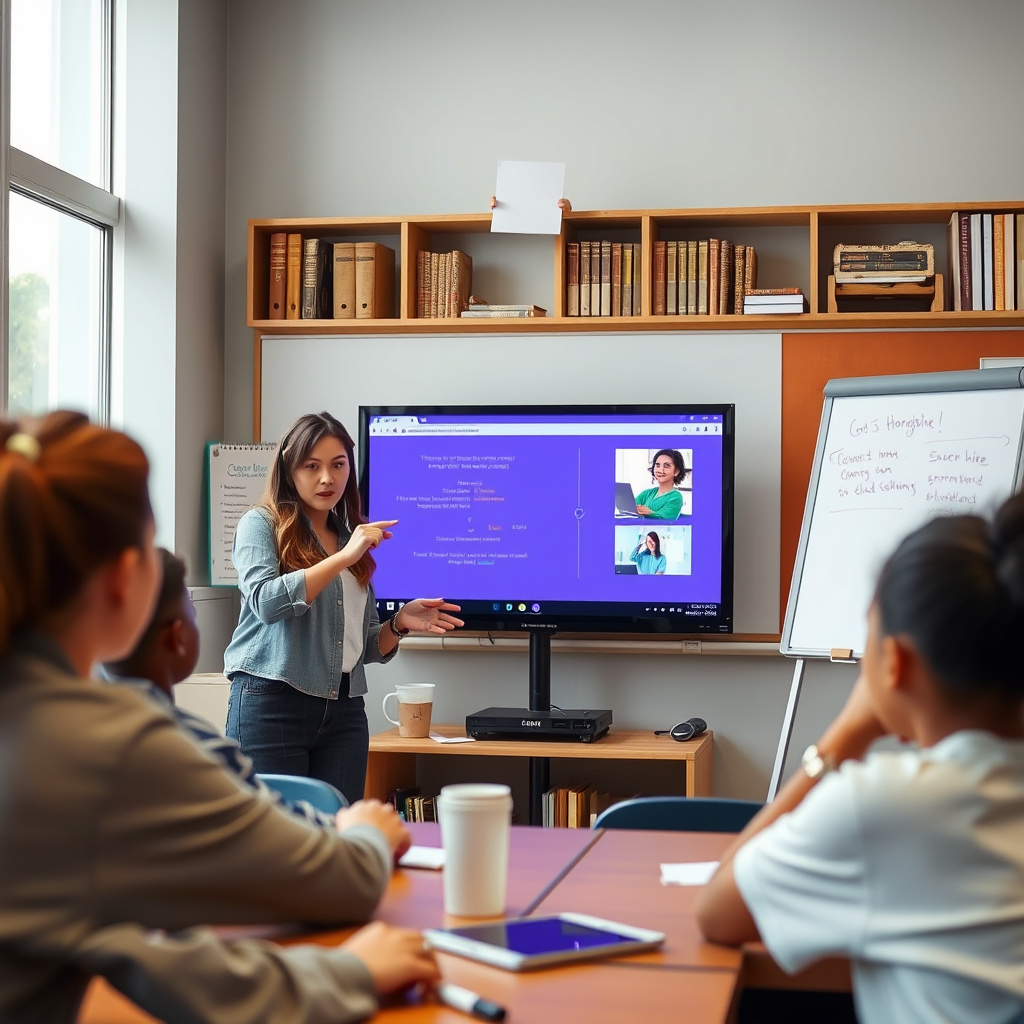
Technology like interactive whiteboards, educational apps, and online quizzes can make lessons more engaging and cater to diverse learning preferences. These tools often increase student motivation and provide instant feedback, fostering an active learning environment.
Teachers who efficiently integrate such resources create lessons that encourage participation and adapt to various skill levels, improving classroom performance collectively.
- Use multimedia presentations
- Incorporate gamified learning tools
- Provide online resources for extra practice
- Utilize real-time polling for comprehension checks
Differentiated Instruction to Meet Student Needs
Differentiated instruction involves tailoring teaching methods to accommodate varying abilities, interests, and learning styles within the classroom. This approach helps all students engage with material at a suitable challenge level, boosting confidence and performance.
Strategies include offering varied assignments, flexible grouping, and alternative explanations, which allow students to grasp concepts in multiple ways and reduce frustration.
- Use flexible grouping based on skill
- Provide options for assignments
- Adjust pacing to student readiness
- Apply varied instructional materials
Environmental Factors Influencing Classroom Performance
Creating an Optimal Physical Learning Space
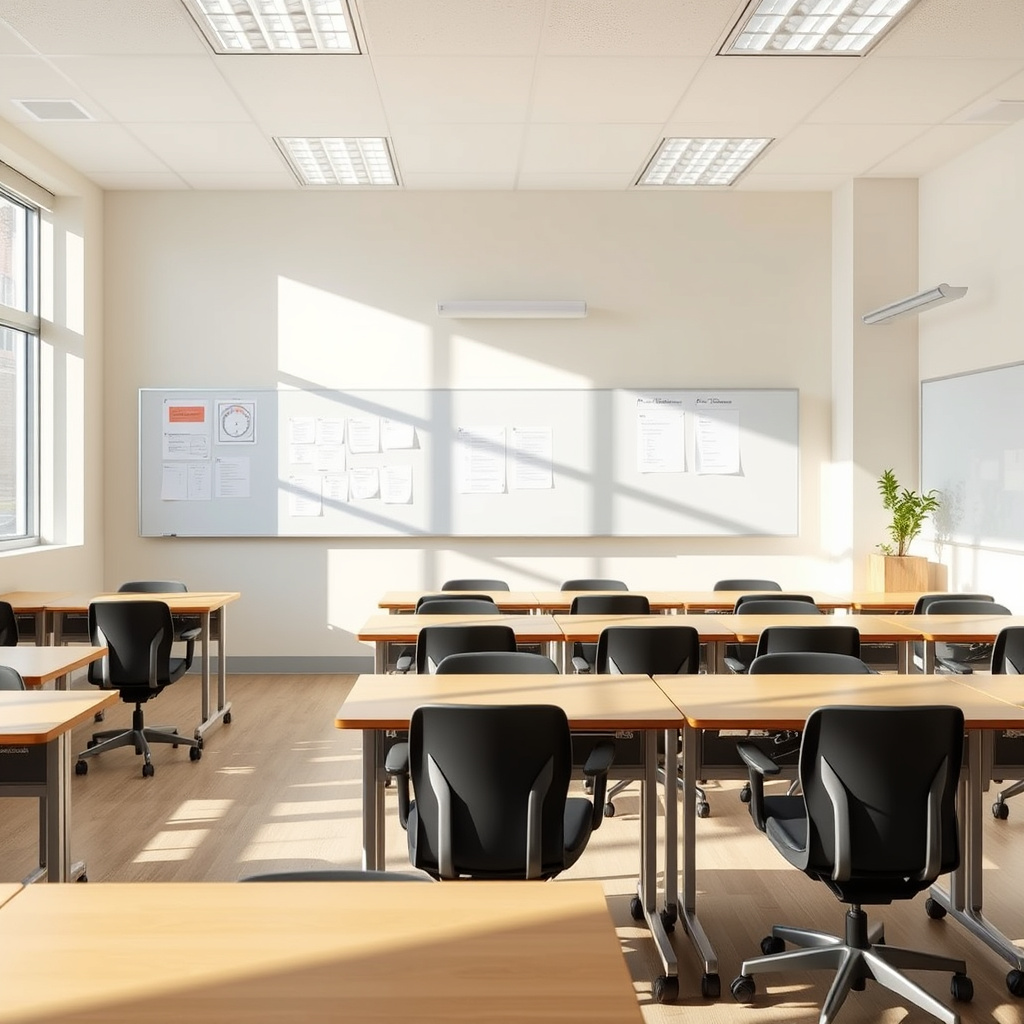
The layout and ambiance of the classroom significantly affect students' concentration and comfort. Adequate lighting, comfortable seating, and minimal noise distractions contribute positively to classroom performance by preventing fatigue and maintaining attention.
Classrooms arranged to support group work and accessibility encourage collaboration and inclusivity, benefiting different learner types.
- Use natural light when possible
- Provide ergonomic seating
- Reduce background noise
- Organize space for easy navigation
For more on this, see our related guide: Affordable Tutoring in Doral FL: How to Find the Best Local Options.
Promoting Emotional and Social Well-being
A safe and supportive emotional environment allows students to express ideas without fear of judgment. Positive relationships with teachers and peers enhance motivation and classroom participation, which are critical to improving performance.
Activities like team-building and open communication channels contribute to a respectful atmosphere where students feel valued and ready to learn.
- Encourage peer support networks
- Foster respectful teacher-student interactions
- Incorporate social-emotional learning exercises
- Address bullying or exclusion promptly
Assessment and Feedback to Support Improvement

Regular Formative Assessments
Frequent quizzes and informal assessments help identify learning gaps early and guide instruction appropriately. These evaluations reduce stress by breaking down high-stakes testing and provide timely insight into student mastery of topics.
When teachers use formative data effectively, they can adjust teaching strategies to improve classroom performance continuously across all students.
- Schedule weekly short quizzes
- Use clicker technology for instant results
- Encourage self-assessment among students
- Analyze errors to pinpoint misunderstandings
For those interested in the broader context of improving educational outcomes, exploring classroom management techniques offers valuable insights. classroom management techniques.
Providing Constructive and Timely Feedback
Feedback that is specific, actionable, and delivered soon after assessments motivates students to improve. Highlighting strengths while addressing areas needing work builds learner confidence and guides effective study strategies.
Teachers who maintain open feedback dialogues foster a growth mindset that supports ongoing classroom performance enhancement.
- Offer both written and verbal feedback
- Set goals based on assessment results
- Encourage questions about feedback
- Use feedback to personalize learning
Methods to Improve Classroom Performance Category Comparison
Below is a comparison of common methods to improve classroom performance, highlighting their focus, benefits, and ideal scenarios for use.
| Method | Focus Area | Benefits | Best For |
|---|---|---|---|
| Effective Study Habits | Student time and attention management | Develops discipline and retention | Self-motivated students |
| Classroom Engagement | Participation and focus | Enhances comprehension and critical thinking | Students needing interaction |
| Teaching Methods | Instructional delivery | Addresses diverse learning styles | Teachers with mixed-ability classes |
| Environmental Factors | Physical and emotional settings | Improves comfort and motivation | All classroom situations |
| Assessment & Feedback | Measurement and improvement | Guides learning with data | Performance monitoring and growth |
Frequently Asked Questions
What role does time management play in improving classroom performance?
Time management helps students break study tasks into smaller sessions, reduces stress, and ensures consistent review, which strengthens understanding and improves academic results.
How can teachers support diverse learners to boost classroom performance?
Teachers can use differentiated instruction, adapting lessons to various learning styles and readiness levels, ensuring all students engage meaningfully with the material.
Why is active participation important in class?
Active participation promotes deeper comprehension, allows students to clarify doubts immediately, and encourages critical thinking through discussion and interaction.
How does classroom environment affect student focus?
A well-organized, comfortable, and minimally distracting environment helps students maintain attention and reduces fatigue, leading to better classroom performance.
What kind of feedback helps students improve?
Constructive feedback that is specific, timely, and balanced between strengths and areas for improvement helps students learn effectively and motivates continued growth.
Key Takeaways
- Consistent study habits and time management directly enhance learning efficiency.
- Active classroom participation strengthens understanding and retention.
- Teachers should tailor methods to diverse student needs for better engagement.
- Supportive environments and regular feedback are critical to ongoing improvement.
Conclusion
Deciding how to improve classroom performance requires balancing efforts from both students and teachers. Students benefit greatly from disciplined study routines and active engagement, while teachers can elevate learning through adaptive instruction and technology integration. Recognizing the interplay between individual habits and broader classroom environments creates a comprehensive approach to better academic outcomes.
Specific recommendations include adopting effective study habits and active learning techniques for students, alongside encouraging classroom participation and minimizing distractions. For educators, integrating interactive technologies and applying differentiated instruction can address varied learning needs. Additionally, enhancing physical classroom conditions and providing constructive feedback serve as foundational supports for continuous performance progress.
Taking the next step involves assessing current strengths and challenges within your learning or teaching context and selecting targeted strategies accordingly. Whether you focus on study routines, engagement, or environmental improvements, consistent application and evaluation will drive meaningful gains in classroom performance.