How to Develop Better Learning Habits for Lifelong Success
Improving your ability to learn starts by developing better learning habits that enhance focus, memory retention, and consistency. Creating structured routines, managing distractions, and practicing active learning are key steps to building habits that lead to more efficient and enjoyable studying.
Strong learning habits matter because they form the foundation for acquiring new skills throughout life. Whether you're a student, professional, or lifelong learner, your habits define how well you absorb and apply information. Good habits reduce stress and help keep motivation steady over time.
This article covers practical methods to form better learning habits, including environment setup, scheduling, practice routines, and mental strategies. It also compares different learning habit styles and offers tips to tailor habits to your personal needs for sustainable improvement.
Creating an Environment for Better Learning Habits

Optimizing Your Physical Study Space
A well-organized physical space helps anchor your learning habits by minimizing distractions. Choose a quiet, clutter-free spot with good lighting and comfortable seating to encourage sustained focus. Keep only essential study materials nearby to reduce the chance of interruptions.
Avoid multi-tasking zones, such as areas with TVs or social media notifications, since these disrupt concentration. Personalize your space with motivating items like plants or inspirational quotes, but don’t let decorations become distractions.
- Use a dedicated study desk
- Ensure adequate lighting, preferably natural
- Keep materials organized and accessible
- Limit electronic distractions
Managing Digital Distractions for Better Learning
Digital devices pose a major challenge when trying to develop better learning habits. Apps, notifications, and the lure of social media can fragment attention. To improve focus, consider turning off unnecessary notifications, using website blockers, or working offline during study sessions.
Establish screen times and boundaries that prevent digital interruptions. Some learners benefit from using the Pomodoro technique combined with airplane mode for device settings. These small changes support sustained concentration and respect your learning routine.
- Use apps that block distracting websites
- Set specific device usage windows
- Enable 'Do Not Disturb' during study sessions
- Organize files and folders to reduce digital clutter
Structuring Study Time to Build Better Learning Habits
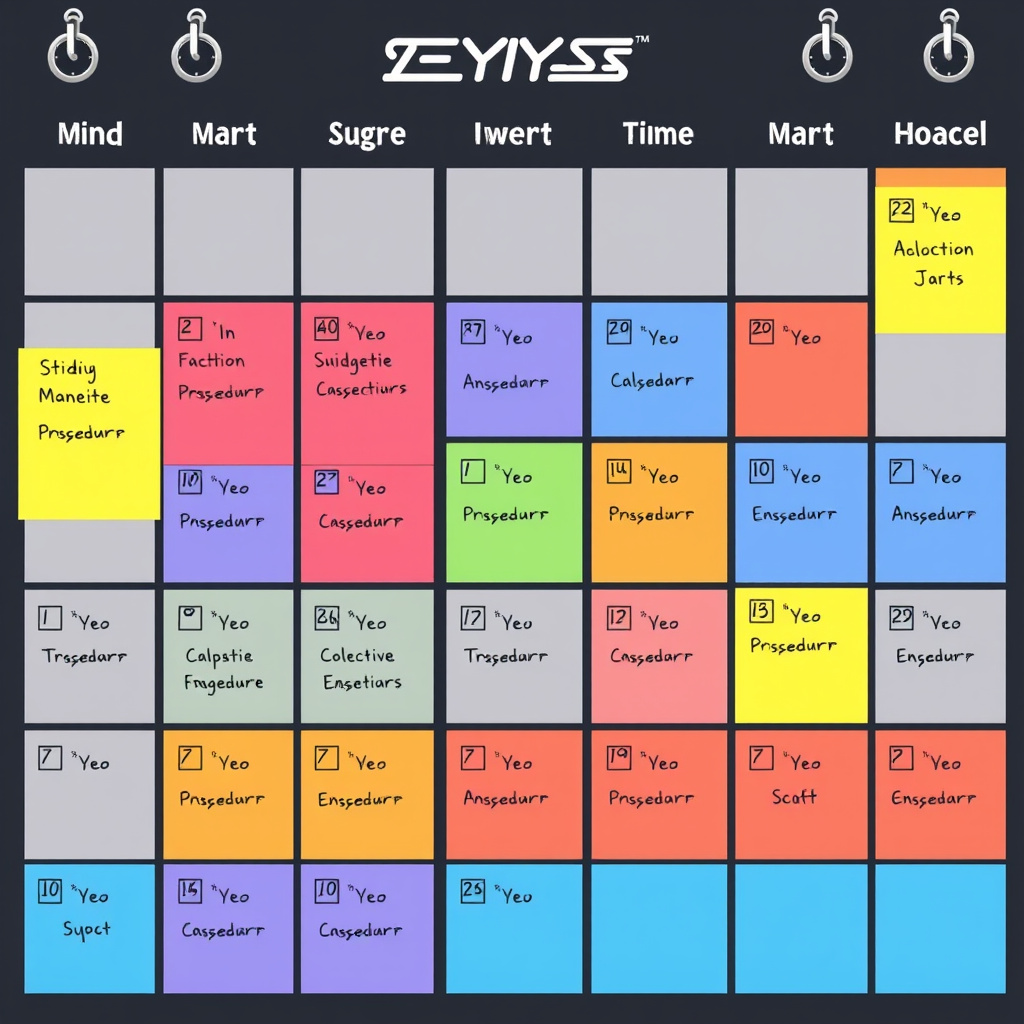
Scheduling Consistent Study Sessions
Forming a habit requires consistent repetition, so scheduling regular study times anchors learning in daily routines. Choose time slots when your energy and focus levels are highest, whether morning, afternoon, or evening. Use a planner or digital calendar to commit to these sessions visibly.
Short, focused blocks of study often outperform long, unfocused stretches. Aim for frequent 25- to 50-minute sessions with brief breaks to recharge. Regularity helps build momentum; eventually, studying becomes a natural part of your day.
- Reserve consistent daily or weekly study times
- Use timers to maintain focused sessions
- Include short breaks between study periods
- Review your schedule weekly and adjust
Balancing Learning with Rest and Reflection
Effective learning habits acknowledge the brain needs rest to consolidate knowledge. Integrate periods of downtime after intensive study sessions to allow your mind to process information. Reflection time helps deepen understanding and identify areas needing improvement.
Sleep is also a critical component, as it solidifies memory retention. Avoid cramming sessions late at night that compromise rest. Instead, prioritize learning earlier and maintain a balanced approach to avoid burnout.
- Schedule regular breaks and relaxation
- Get 7-9 hours of sleep nightly
- Use journaling or self-quizzing to reflect
- Avoid multitasking during study and rest
Applying Active Learning Techniques to Strengthen Habits

Engaging With Material Through Practice
Active learning involves interacting with the material rather than passively reading or listening. Strategies include summarizing information in your own words, teaching a concept aloud, or using flashcards for spaced repetition. These help solidify understanding and memory.
Frequent testing yourself, even informally, improves recall and identifies weak areas. Incorporating problem-solving exercises related to the topic encourages deeper processing and long-term retention.
- Summarize content concisely
- Use flashcards with spaced repetition
- Practice explaining concepts to others
- Complete quizzes and practice problems
For more on this, see our related guide: How to Choose a Reading Comprehension Tutor That Boosts Your Skills.
Incorporating Multi-Sensory Learning Methods
Combining multiple senses can enhance memory and engagement. For example, reading notes aloud activates both visual and auditory pathways. Drawing diagrams or mind maps engages kinesthetic and visual learning styles.
Using videos, models, or hands-on materials complements traditional study methods. These multi-sensory techniques cater to varied learning preferences and reinforce concepts through different channels.
- Read information aloud during review
- Draw concept maps or diagrams
- Use educational videos and podcasts
- Engage in hands-on experiments or simulations
Tracking Progress and Maintaining Motivation

Measuring Learning Outcomes Regularly
Keeping track of your achievements and progress helps sustain motivation and reveals the effectiveness of your learning habits. Use study journals or apps to log hours, completed topics, and quiz scores. Reviewing this data periodically allows for adjusting strategies as needed.
Goal setting with measurable milestones anchors your study path. Celebrate small wins to maintain enthusiasm and prevent frustration during tougher material.
- Maintain a study log or journal
- Set clear, measurable learning objectives
- Review achievements weekly
- Adjust study habits based on progress
Building Motivation Through Positive Reinforcement
Self-motivation boosts persistence in building better learning habits. Reward yourself after completing study goals, whether through breaks, treats, or leisure activities. Positive reinforcement strengthens the habit loop and creates positive associations with studying.
Surround yourself with supportive peers or mentors who encourage your progress. Accountability partners or study groups provide encouragement and help sustain motivation when challenges arise.
- Use rewards to reinforce study completion
- Join study groups or find accountability partners
- Visualize long-term benefits of learning
- Keep positive affirmations visible
Tailoring Learning Habits to Individual Needs

Understanding Your Learning Style
Not all study methods suit everyone equally. Identifying whether you learn best through reading, listening, doing, or a combination helps tailor habits that stick. Self-awareness of your strengths and preferences fosters more effective habit formation.
Experiment with various methods — like visual aids, verbal repetition, or kinesthetic tasks — to discover what enhances your focus and retention. Tailored approaches reduce frustration and make study sessions more enjoyable.
- Try visual, auditory, and kinesthetic methods
- Notice which techniques improve retention
- Adapt study environments to match style
- Mix approaches to cover weak areas
For more on this, see our related guide: How to Choose a Tutor for Struggling Students: A Practical Guide.
Adjusting Habits for Different Learning Goals
Different types of learning tasks require distinct habits. Memorizing facts benefits from spaced repetition, while developing skills may need hands-on practice. Tailor your routine by goal: mastering vocabulary, solving math problems, or writing essays all demand different active learning techniques.
Being flexible with your habits lets you respond to changing priorities and keeps learning efficient. Regularly review and adapt your strategies to meet current learning objectives.
- Use spaced repetition for facts
- Practice applied tasks for skills
- Focus on writing exercises for communication
- Review and adapt goals monthly
Common Pitfalls When Building Better Learning Habits

Avoiding Procrastination and Overwhelm
Procrastination often stems from unclear goals or daunting task sizes. Breaking study goals into manageable chunks can reduce overwhelm. Starting with easier review material sparks momentum. Avoid multitasking, which disperses focus and prolongs study time.
Track your progress to keep tasks realistic and prevent burnouts. Timer-based sessions like Pomodoro help maintain pace without feeling burdensome.
- Break tasks into smaller steps
- Start with simpler topics
- Use timers for focused sessions
- Limit study duration to avoid fatigue
For a detailed overview of various learning approaches, exploring established learning strategies can provide additional insights. learning strategies.
Recognizing and Managing Learning Plateaus
At times, learning progress may stall despite continued effort. Plateaus are normal and require adjustments in methods or rest. Switching study approaches or increasing challenge levels can reignite advancement. Taking breaks and practicing reflection aids in overcoming stagnation.
Patience and persistence during plateau phases prevent discouragement and help maintain steady growth over time.
- Change study techniques if stuck
- Introduce varied or more challenging material
- Take planned rest periods
- Reflect on past successful habits
Learning Habits Category Comparison
This table compares several common learning habit categories based on structure, focus methods, and motivation strategies.
| Category | Structure | Focus Techniques | Motivation Approach |
|---|---|---|---|
| Routine-Based Learners | Fixed daily schedules | Timed sessions with breaks | Habit tracking and rewards |
| Flexible Learners | Adaptive scheduling | Varied session lengths | Goal adjustment and self-reflection |
| Group Learners | Study groups or partners | Interactive discussion and teaching | Peer encouragement |
| Solo Learners | Independent planning | Active recall and self-testing | Personal milestones and journaling |
| Multi-Sensory Learners | Mixed media sessions | Visual, auditory, kinesthetic tools | Creative rewards and engagement |
Frequently Asked Questions
How long should a typical study session be for building good habits?
Effective study sessions usually last between 25 to 50 minutes, followed by short breaks. This length balances focus and mental stamina, preventing fatigue and supporting retention in developing better learning habits.
What is the role of sleep in effective learning habits?
Sleep plays a vital role in memory consolidation, helping transfer learned information from short-term to long-term memory. Adequate rest enhances focus and cognitive function, making it essential for better learning habits.
Can multitasking help me learn more efficiently?
Multitasking generally reduces learning efficiency by dividing attention. It often leads to lower retention and increased errors. Concentrating on one task at a time is better for building strong learning habits.
Are digital tools helpful or harmful to learning habits?
Digital tools can support learning habits if used thoughtfully, such as scheduling apps or flashcard programs. However, distractions like social media require management to avoid interrupting focus and breaking study flow.
How can I stay motivated to maintain learning habits over time?
Setting clear goals, tracking progress, rewarding accomplishments, and involving study partners help maintain motivation. Positive reinforcement and visible results encourage continued commitment to learning habits.
Key Takeaways
- Establish a distraction-free environment tailored to your learning style
- Schedule consistent, manageable study sessions with regular breaks
- Use active and multi-sensory techniques to engage deeply with material
- Track progress and maintain motivation through rewards and reflection
Conclusion
Choosing to develop better learning habits depends on building routines that fit your unique behaviors and goals. Focused, structured study periods combined with environments optimized to reduce interruptions form the backbone of effective habits. Remember that consistency beats intensity; even small daily efforts add up to meaningful progress over time.
Different learners benefit from different methods. Routine-based learners might thrive with strict schedules and timers, while flexible learners may prefer adapting session lengths and techniques to their energy levels. Incorporating active learning techniques like practice testing and multi-sensory engagement can enhance retention across all learning styles. Monitoring progress and adjusting as needed prevents stagnation and supports continual improvement.
Your next step should be to experiment with the strategies outlined here: organize your study space, commit to a regular schedule, and apply active learning techniques. Evaluate what works best for you and adjust your habits accordingly. With deliberate practice and patience, you can transform how you learn for lasting success.