How to Overcome Procrastination: Practical Strategies That Work
Overcoming procrastination starts with understanding its triggers and applying specific strategies to break the habit immediately. Techniques like breaking tasks into smaller steps, setting deadlines, and minimizing distractions are key to beating procrastination effectively.
Procrastination affects nearly everyone at some point and can create stress, reduce productivity, and lower self-confidence. By learning how to manage it directly, you regain control of your work and time, which can positively influence your overall well-being and success.
This article explains the psychological reasons behind procrastination, effective strategies to stop delaying tasks, methods to maintain motivation, adjustments to your environment and mindset, and practical tools that help keep distractions away. It covers proven approaches that work for different personality types and tasks.
Understanding Why Procrastination Happens

Common Psychological Triggers
Procrastination often stems from fear of failure, perfectionism, or doubt about one's abilities. Anxiety over outcomes can make starting a task feel overwhelming, leading to avoidance as a temporary relief mechanism.
Another trigger is a lack of clear goals or motivation; without a concrete reason to act now, it's easy to put things off. Recognizing these mental blocks is the first step toward overcoming procrastination.
- Fear of making mistakes
- Overwhelm from task size or complexity
- Low self-confidence
- Poor time management skills
The Role of Emotional Regulation
Avoidance behaviors like procrastination are ways people manage negative emotions linked to tasks. If a task triggers stress or boredom, the brain seeks short-term comfort through distraction or delay.
Strengthening emotional regulation, such as by practicing mindfulness or reframing thoughts about tasks, helps reduce the emotional resistance that encourages procrastination.
Effective Techniques to Overcome Procrastination

Breaking Tasks into Smaller Steps
Dividing a large project into manageable parts reduces overwhelm and creates clear starting points. Completing smaller components generates momentum and satisfaction, which helps maintain consistency.
This method applies well to both work and personal goals. It means you can focus on one concrete action at a time instead of the daunting whole, making progress more visible and achievable.
- Create a detailed to-do list
- Set micro-deadlines
- Reward yourself for completing steps
Setting Clear Deadlines and Priorities
Self-imposed deadlines encourage accountability and give urgency to tasks lacking external due dates. Prioritizing tasks by importance and deadlines prevents getting stuck on low-value activities.
Using digital calendars or planners to track these deadlines keeps tasks visible. Priorities should adapt to changing demands to avoid procrastination born from confusion or indecision.
- Use time-blocking techniques
- Rank tasks daily
- Review priorities weekly
Maintaining Motivation and Focus

Cultivating Intrinsic Motivation
Connecting tasks to personal goals, values, or interests increases intrinsic motivation, making it easier to start and persist. Reflecting on why the task matters fosters a deeper commitment beyond external rewards.
Visualizing the positive outcomes from completing work can reframe tasks into opportunities, which reduces the appeal of procrastination.
- Identify how tasks align with bigger goals
- Remind yourself of benefits regularly
- Keep a progress journal
Minimizing Distractions
Distractions are major contributors to procrastination. Turning off notifications, organizing the workspace, and setting designated focus periods improve concentration and task engagement.
Techniques such as the Pomodoro Technique, where work sessions are broken into focused intervals with short breaks, help sustain productivity over longer periods.
- Use apps to block distracting sites
- Create a clutter-free environment
- Schedule specific times to check email or social media
Adjusting Your Environment to Reduce Procrastination

Organizing Physical Space
A tidy, well-lit workspace can improve focus and motivation to start tasks. Removing unnecessary items cuts down sensory overload and signals a clear mental zone for work.
Personalizing the environment with plants or inspiring images can also boost mood and encourage sustained attention.
- Clear desk of non-essential items
- Use ergonomic furniture
- Keep necessary supplies within reach
Creating Routine and Structure
Scheduling regular work times builds habit and reduces decision fatigue about when to start. A consistent routine signals to the brain that it's time to focus, limiting procrastination impulses.
Including brief breaks and time for relaxation within this routine helps maintain energy and prevents burnout.
- Set fixed start and end times
- Include buffer periods for unexpected tasks
- Evaluate and adjust routine weekly
Leveraging Digital Tools to Combat Procrastination

Task Management Applications
Apps like Todoist, Trello, or Asana help organize tasks, set priorities, and track progress visually. They also send reminders and make deadlines concrete, helping people stay accountable to themselves.
Using these tools facilitates breaking down complex projects and collaborating efficiently, reducing procrastination especially in team environments.
- Set recurring reminders
- Create task categories
- Monitor daily and weekly goals
Focus and Distraction-Blocking Tools
Applications such as Forest, Freedom, or StayFocusd help block distracting websites or apps during work periods. These digital barriers enforce focus and limit temptation.
Pairing these tools with time management techniques creates structure that discourages procrastination habits.
- Schedule focused work blocks
- Customize blocked sites/apps
- Review usage reports to improve habits
Developing Long-Term Habits to Prevent Procrastination
Building Consistency Through Daily Practice
Repeatedly practicing getting started on tasks even when motivation is low builds self-discipline. Over time, starting becomes automatic and less tied to mood or external pressure.
Establishing small daily goals and adhering to them reinforces reliability in completing tasks before they pile up.
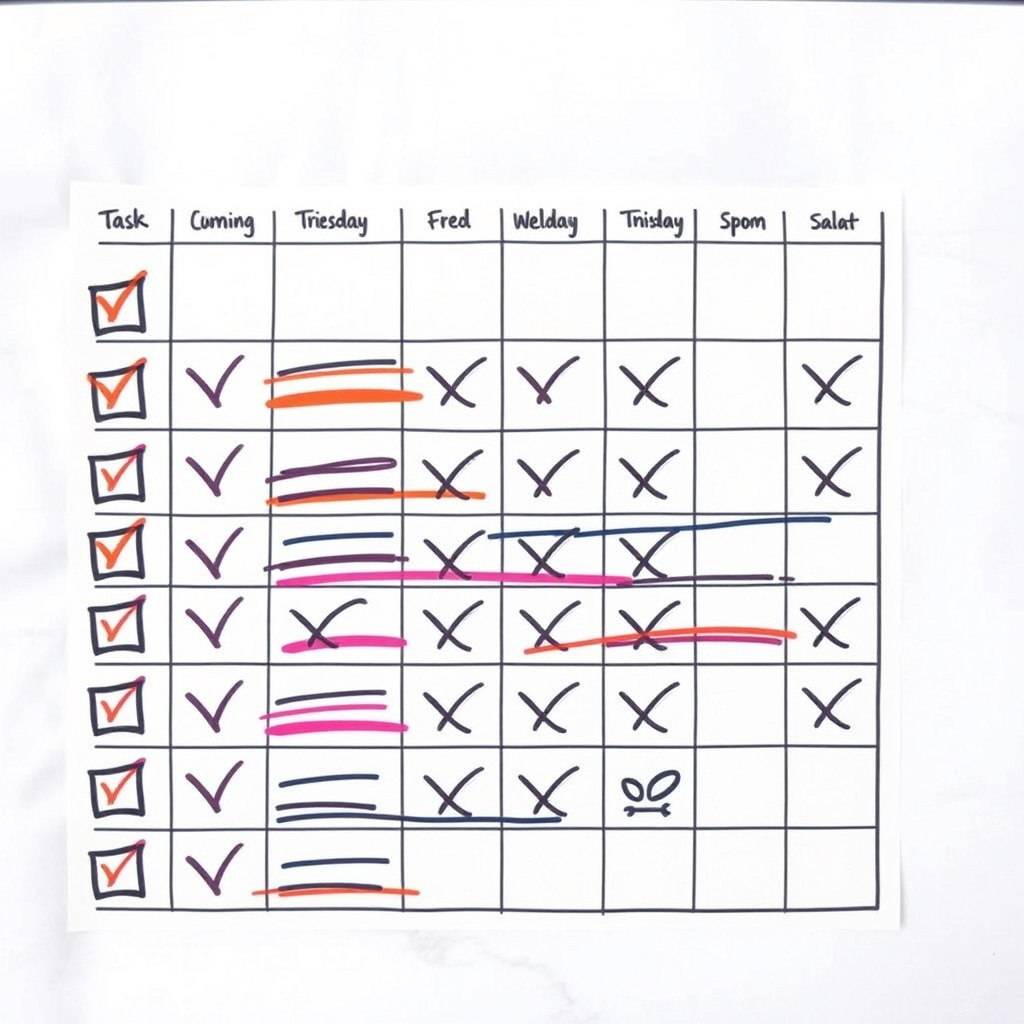
- Start with five-minute task commitments
- Track streaks of completed days
- Use positive reinforcement
For a detailed overview of procrastination's causes and impacts, see Procrastination on Wikipedia. Procrastination on Wikipedia.
Reflecting and Adjusting Habits
Regularly reviewing what causes procrastination and what helps maintain focus allows fine-tuning of strategies. Adjust habits based on changing workload or personal circumstances.
Keeping a journal or logs of productivity patterns highlights trends and supports continuous improvement in overcoming procrastination.
- Conduct weekly self-assessments
- Note triggers and solutions
- Adapt goals as needed
Comparison of Popular Procrastination-Reduction Methods
Here’s a side-by-side look at common ways to stop procrastinating so you can choose the best fit for your style and needs.
| Method | Best For | Key Feature | Drawback |
|---|---|---|---|
| Breaking Tasks Into Steps | Large projects | Reduces overwhelm through small goals | Can feel tedious |
| Pomodoro Technique | Sustained focus | Structured work/rest intervals | Interrupts flow for some |
| Digital Task Managers | Visual planners | Reminders and progress tracking | Depends on regular input |
| Distraction Blockers | Easily distracted | Limits access to distractions | May feel restrictive |
| Routine Building | Habitual behavior | Creates automaticity | Requires initial discipline |
Frequently Asked Questions
Why do I procrastinate even when I know it’s harmful?
Procrastination is often a coping mechanism for stress, fear, or anxiety about the task. It provides short-term comfort but creates long-term difficulties, which is why understanding emotional triggers is vital.
Can procrastination be completely cured?
Procrastination is a habit rather than a disease, so it can be managed effectively but may reoccur. Developing strong routines and self-awareness keeps it under control over the long term.
How can breaking tasks into smaller parts help?
Smaller tasks reduce feelings of overwhelm by creating clear, actionable steps. This builds momentum and makes starting less intimidating, which is a practical way to overcome procrastination.
Are digital apps reliable for overcoming procrastination?
Digital tools can greatly help by providing structure, reminders, and blocking distractions, but they work best when paired with personal commitment and time management skills.
What role does motivation play in procrastination?
Motivation drives willingness to start and persist on tasks. Cultivating intrinsic motivation by connecting work to deeper goals decreases the tendency to procrastinate.
Key Takeaways
- Understanding psychological and emotional causes helps tackle procrastination at its root.
- Breaking tasks into smaller steps and setting deadlines improves task initiation.
- Minimizing distractions and maintaining motivation sustain focus and consistency.
- Long-term success requires building habits and regularly reflecting on progress.
Conclusion
Managing procrastination effectively requires a clear understanding of both the emotional impulses and practical barriers that cause it. By directly addressing fears, distractions, and motivation, you can create a personalized approach that suits your unique habits and working style. Techniques such as task segmentation, deadline setting, and environmental adjustments provide tangible solutions to starting and completing work reliably. The key is to recognize that procrastination is a learned pattern that, with patience and persistence, can be unlearned.
Specific strategies like using the Pomodoro Technique or digital task managers offer structured frameworks for improving focus, whereas building a consistent routine fosters lasting behavioral changes. For people overwhelmed by large projects, breaking tasks down can make getting started easier. If distractions pull you away frequently, apps that block social media or unwanted websites can enhance effectiveness. Ultimately, combining several methods tailored to your preferences and lifestyle offers the best chance to overcome procrastination for good.
If you want to take the next step, start by identifying your main procrastination triggers and experiment with small changes such as setting a focused timer or organizing your workspace. Track your progress to understand which strategies stick best. Over time, you’ll build resilience against putting things off and improve both productivity and your sense of accomplishment. Taking deliberate, practical actions today creates a more motivated and efficient you tomorrow.