How to Manage Time for Studying Effectively
Managing time well for studying starts with prioritizing tasks and creating a realistic schedule that fits your personal rhythm. By setting clear goals and breaking down study material into manageable chunks, you can avoid last-minute cramming and reduce stress. Time management for studying means controlling distractions and dedicating focused blocks to learning.
Good time management impacts academic success by increasing retention and comprehension while leaving room for rest and other commitments. Instead of working longer hours, studying smarter helps sustain motivation and leads to better overall performance. Many students struggle because they don’t have a clear plan or struggle to maintain concentration without routine.
This article will explore practical ways to manage time for studying, from organizing your study environment to creating effective routines. We will cover specific techniques for planning study sessions, dealing with distractions, balancing multiple subjects, and using tools that support your goals.
Understanding Time Management Fundamentals

Why Time Management Matters for Studying
Time management for studying helps students maximize output with minimal wasted effort. Being able to allocate specific periods to subjects or concepts increases focus and retention. This discipline prevents burnout by distributing workload evenly over weeks instead of cramming.
Research suggests that students who plan their study time are more successful. Planning helps identify priorities, allowing higher-effort tasks to get appropriate attention while easier reviews fill smaller time slots.
Common Time Management Challenges
Many struggle with procrastination, distractions, and poor estimation of how much time tasks take. Overcommitting or underplanning often leads to stress and ineffective study habits. Recognizing these hurdles is the first step toward creating better habits and managing study time wisely.
Without clear goals or awareness of personal productivity peaks, students may waste valuable hours during low-energy periods or focus on less important material. Identifying time-wasters and addressing weak points builds a foundation for better time management.
Creating an Effective Study Schedule
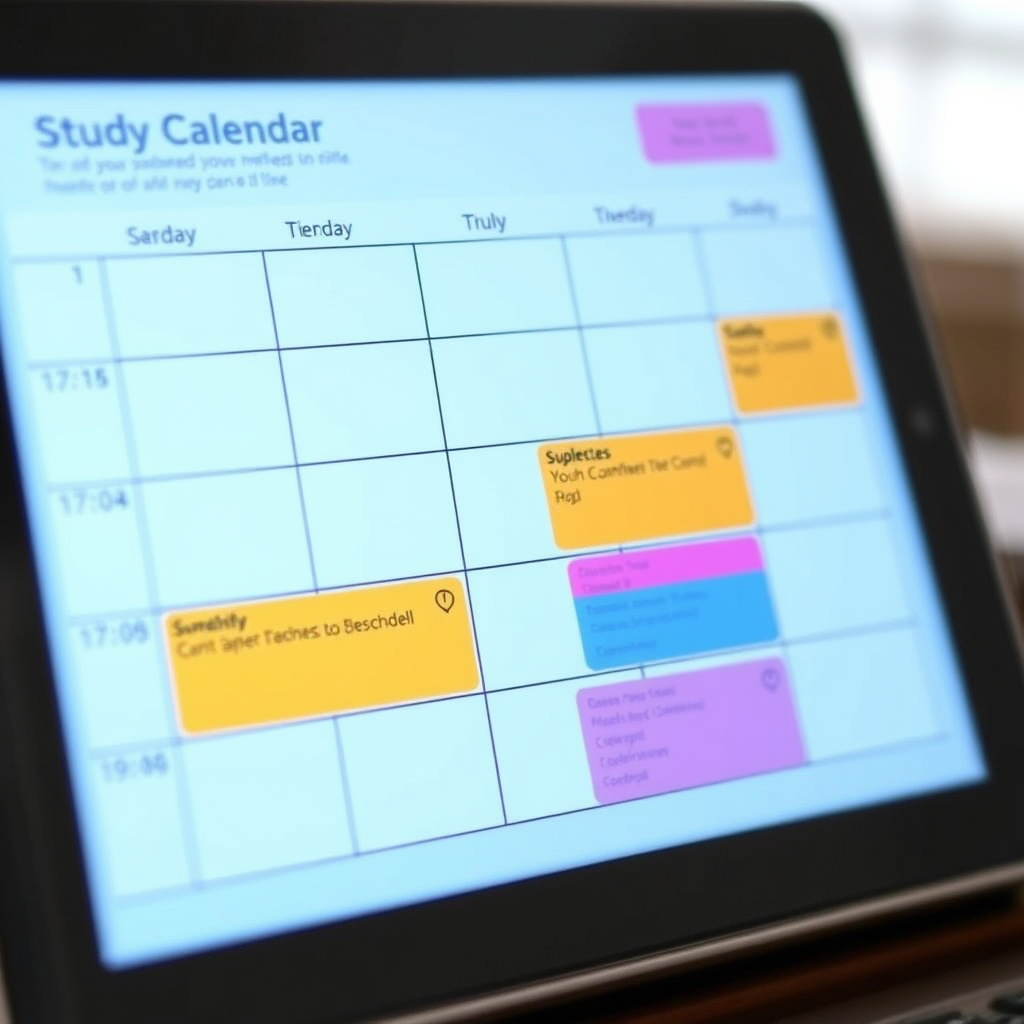
Designing Your Study Schedule
A good study schedule balances subject priorities with realistic time estimates. Begin by listing all subjects and topics you need to cover, then allocate study blocks around deadlines and exam dates. Incorporate regular breaks to maintain focus and avoid fatigue.
Using a planner or digital calendar can improve accountability and track progress. Setting specific goals for each session makes your study time goal-oriented rather than vague or passive.
- List all subjects and topics
- Assign time blocks based on difficulty and urgency
- Include short breaks every 45-60 minutes
- Review and adjust schedule weekly
Adapting Your Plan to Fit Real-Life Needs
Flexibility is key; unexpected events or shifts in workload require adjustments in your study schedule. Build buffer times to recover from interruptions or tackle harder concepts. Be honest about your energy patterns—schedule intense tasks when you are most alert.
Regularly reviewing your study plan will help refine time estimates and prevent overload. Adaptation in scheduling is part of effective study time management.
- Add buffer periods for contingencies
- Match study times to personal energy peaks
- Adjust study blocks based on weekly feedback
Techniques to Boost Study Focus

Using the Pomodoro Technique
The Pomodoro Technique breaks study time into intervals, typically 25 minutes long, followed by short breaks. This rhythm encourages full attention during work periods and gives the brain regular chances to rest, increasing overall efficiency.
Implementing Pomodoro requires minimal tools and can be customized for longer or shorter intervals depending on concentration levels. It’s especially helpful for resisting distractions and overcoming procrastination.
- Set a timer for 25 minutes focused work
- Take 5-minute breaks after each session
- Repeat cycles with longer breaks after four intervals
- Track completed sessions for motivation
Minimizing Distractions During Study Time
Creating an environment free from distractions improves how effectively you manage study time. Silence notifications, find a quiet space, and use apps that block distracting websites during sessions. Preparing materials beforehand also prevents interruptions.
Clearing physical clutter and informing those around you about your study blocks can reinforce boundaries. Establishing consistent habits to minimize disruption supports longer concentration spans.
- Use apps or tools to block distractions
- Study in a dedicated, tidy space
- Inform friends and family of study times
- Turn off non-essential notifications
Balancing Multiple Subjects Efficiently
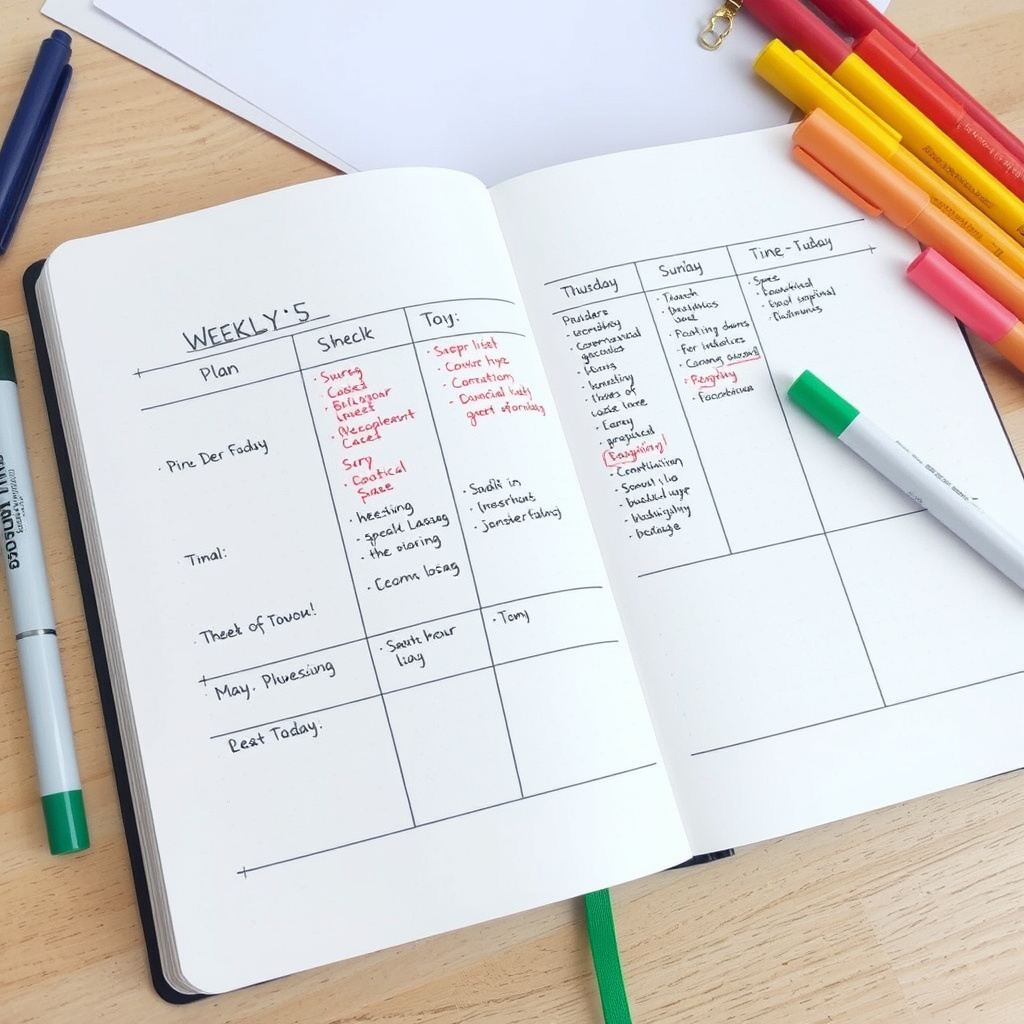
Prioritizing Subjects Based on Difficulty and Deadlines
Some subjects require more time or have closer deadlines, so prioritizing accordingly makes study time management smoother. Rank subjects by difficulty or upcoming tests and assign more frequent or longer sessions to tougher material.
This approach prevents last-minute rushes and ensures consistent progress. Subjects you feel confident in can be scheduled in shorter or less frequent blocks, maintaining balance without neglect.
- Rank subjects by difficulty and deadline
- Distribute time accordingly with more for tough subjects
- Review progress and adjust priorities weekly
Rotating Subjects to Maintain Interest
Alternating subjects in your timetable helps avoid burnout and keeps study sessions fresh. Switching between topics can improve retention by engaging different cognitive skills and preventing monotony.
For instance, studying a science subject followed by a language one in alternate blocks keeps your brain active and less fatigued. This rotation is effective when you manage study time with clear session goals.
- Alternate subjects every study session or day
- Include varied activity types to maintain engagement
- Use review sessions to connect topics across subjects
Tools and Resources to Support Study Time Management
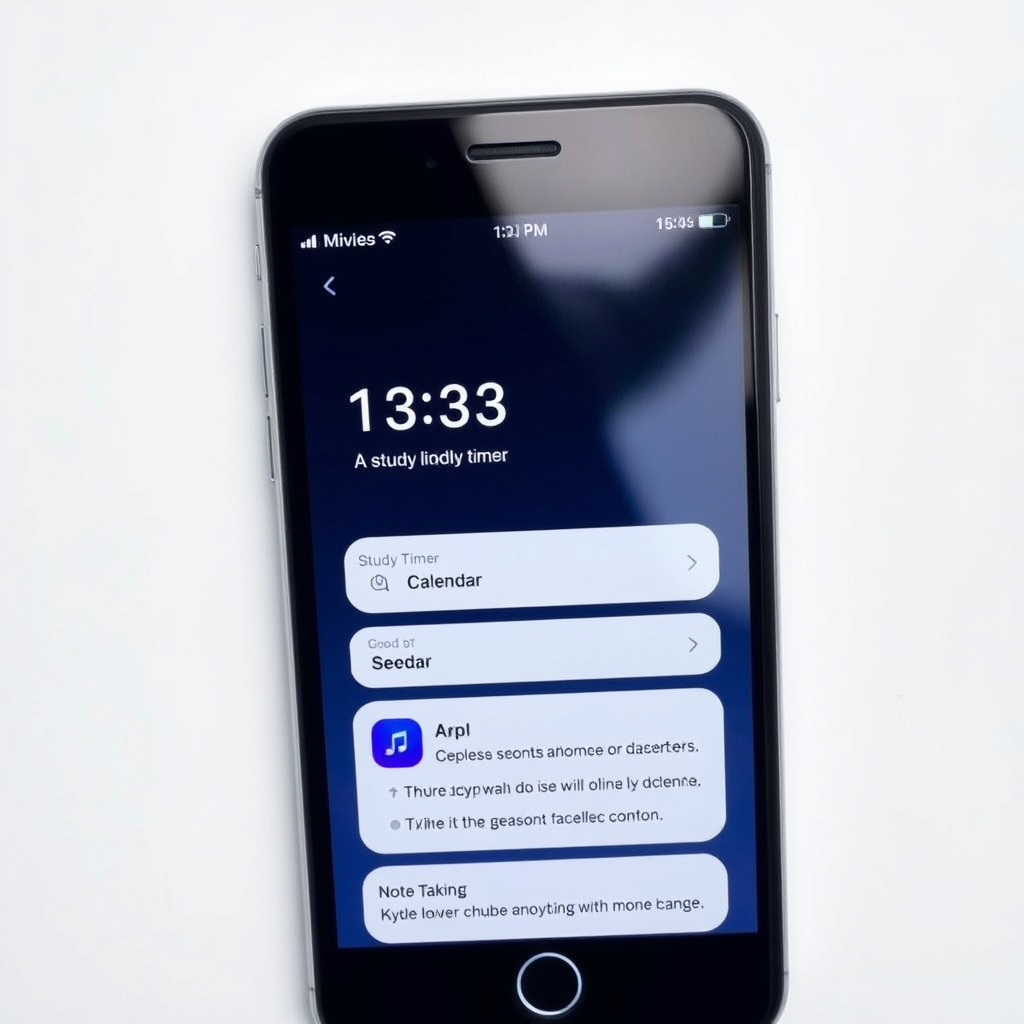
Digital Tools for Planning and Tracking
Apps like Google Calendar, Trello, and study timer tools help manage study schedules and track progress. They offer reminders, color coding, and easy editing, making scheduling more interactive and adjustable.
Using these tools allows students to visualize workload, plan ahead for exams, and keep study time consistent. Many apps include features for setting long-term goals and breaking tasks into smaller steps.
- Google Calendar for schedule visualization
- Pomodoro timer apps for focused sessions
- Task managers for to-do lists and priorities
Physical Resources to Enhance Discipline
Notebooks for bullet journaling and planners offer tactile feedback that some students find helpful. Physical timers and study-specific workspaces reinforce routines and reduce digital distractions.
A dedicated study environment with supplies organized within reach supports better time management by minimizing breaks caused by misplaced materials.
- Bullet journals for goal setting and reflection
- Physical timers for Pomodoro sessions
- Organized study desks and minimal clutter
Maintaining Motivation and Avoiding Burnout

Incorporating Breaks and Rewards
Scheduling regular breaks keeps your mind fresh and prevents exhaustion. Using rewards like small treats or leisure activities after study milestones boosts motivation and makes routine sustainable.
Breaks should involve movement or relaxation, not additional screen time to truly recharge cognitive resources.
- Take 5-10 minute breaks every 45-60 minutes
- Plan fun activities after longer study sessions
- Use breaks to stretch, walk, or breathe deeply
For more detailed background on scheduling methods and their effectiveness, see this summary of time management techniques on Wikipedia. Time management techniques on Wikipedia.
Recognizing Signs of Burnout Early
Watch for fatigue, irritability, or declining performance as warning signs of burnout. Early recognition allows timely adjustments in study load or quality of rest. Ignoring these can lead to worse productivity and health issues.
Balancing study time with sleep, nutrition, and social activities forms a foundation that supports long-term academic performance without burnout.
- Monitor mood and energy regularly
- Take additional rest days when needed
- Seek support if stress feels overwhelming
Time Management Strategies Category Comparison
The following table compares common study time management strategies across key criteria to help you choose what fits best.
| Strategy | Ease of Use | Focus Improvement | Flexibility | Recommended For |
|---|---|---|---|---|
| Pomodoro Technique | High | High | Medium | Those who struggle with distractions |
| Block Scheduling | Medium | Medium | High | Students with varied daily commitments |
| To-Do Lists with Priorities | High | Medium | High | Visual planners and goal-setters |
| Time Blocking Calendar | Medium | High | High | Detailed planners managing multiple subjects |
| Flexible Routine | Medium | Low | High | Self-motivated learners with variable schedules |
Frequently Asked Questions
How long should each study session be for effective time management?
Study sessions between 25 to 60 minutes work well, depending on focus levels. Shorter sessions like 25 minutes with breaks, using methods like Pomodoro, help maintain concentration without fatigue.
What are best ways to avoid procrastination while studying?
Breaking tasks into small parts, setting clear goals for each session, and using timers can reduce procrastination. Minimizing distractions and starting with easier tasks also helps build momentum.
Can I manage study time effectively without digital tools?
Absolutely. Physical planners, notebooks, timers, and a disciplined routine can be just as effective for managing study time if you consistently follow your schedule.
How do I balance study time with other responsibilities?
Prioritize tasks by deadlines and difficulty, allocate time realistically, and schedule breaks. Flexibly adjusting your plan based on your personal commitments helps maintain balance.
Why is it important to take breaks during study sessions?
Breaks prevent mental fatigue, improve focus, and enhance retention. Short, regular pauses let your brain recover, making subsequent study blocks more productive.
Key Takeaways
- Prioritize and plan study time based on subjects and deadlines
- Use techniques like Pomodoro to maintain focus and avoid distractions
- Balance study sessions with sufficient breaks and flexibility
- Leverage both digital and physical tools to track and optimize study schedules
Conclusion
Getting the most out of your academic efforts requires a thoughtful approach to time management for studying. Rather than attempting long, unfocused hours, breaking learning into planned, purposeful sessions helps sustain energy and improve retention. A clear schedule that reflects your commitments, energy levels, and educational priorities makes a significant difference in outcomes. Regularly assessing and adjusting your study routine keeps you aligned with changing demands.
Different strategies like the Pomodoro Technique, block scheduling, and digital planners can suit various personalities and workloads. For students overwhelmed by distractions, Pomodoro’s structured intervals offer a simple yet powerful focus tool. Those balancing many subjects or extracurricular activities may prefer block scheduling or time blocking calendars for greater flexibility. Each approach requires commitment to consistency and the willingness to refine based on results.
Start by selecting a method that fits your style and experiment with adjustments until it feels natural. Make sure to include frequent breaks, maintain a tidy study space, and protect your study time from interruptions. With consistent effort and reasonable goals, managing time for studying will transform from a challenge into a rewarding routine that supports academic success and wellbeing.