How to Manage Time as a Student Effectively and Boost Productivity
Managing time as a student begins with prioritizing tasks, setting clear goals, and creating a daily schedule that allocates dedicated time blocks for study, rest, and extracurricular activities. By adopting structured planning methods, students can reduce last-minute cramming and avoid feeling overwhelmed.
This matters because college or school life often involves juggling classes, assignments, projects, and social events. Without effective time management, students risk missing deadlines or burning out. Learning to organize time wisely fosters better focus, improved academic performance, and greater personal satisfaction.
This article will explore key ways to manage time as a student, including planning tools, prioritization techniques, dealing with distractions, balancing different commitments, and staying motivated. Whether managing a busy semester or constant assignments, these tips help create a sustainable daily routine.
Creating a Student-Centered Schedule

Using Time Blocks for Better Focus
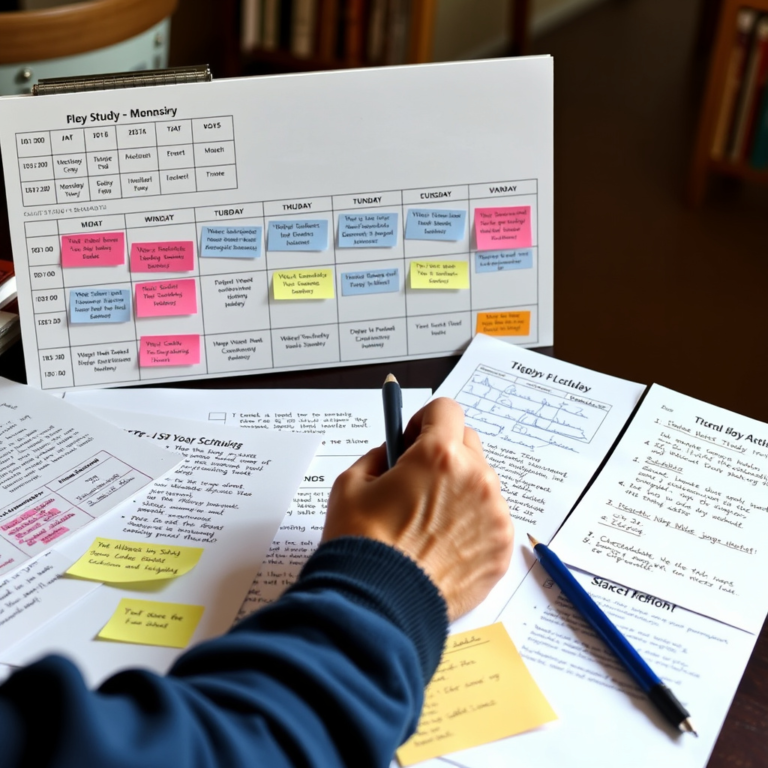
Time blocking divides your day into specific segments dedicated to particular tasks, such as studying, attending classes, or breaks. This approach helps maintain concentration on one task at a time and avoids multitasking, which often reduces efficiency.
Start by allocating longer blocks for demanding subjects or assignments, and shorter slots for review or lighter tasks. Color-coding your time blocks in a planner or digital calendar visually clarifies your commitments and keeps you accountable.
- Allocate 25-50 minute focused study segments
- Include 5-10 minute breaks between blocks
- Reserve weekly slots for revision and projects
- Use apps or planners for visual schedule management
Balancing Academic and Personal Activities
It’s important to leave time in your schedule for socializing, exercise, and hobbies alongside studies. Balanced scheduling prevents burnout and improves mental well-being, which can enhance your academic performance.
Integrate fixed commitments like classes and part-time jobs first, then fit in academic tasks and personal time. Setting clear boundaries between work and downtime keeps you refreshed.
- Schedule social or recreational activities weekly
- Stick to fixed sleep and meal times
- Avoid overbooking to maintain flexibility
Prioritizing Tasks with Student Time Management Techniques
Using the Eisenhower Matrix for Task Prioritization
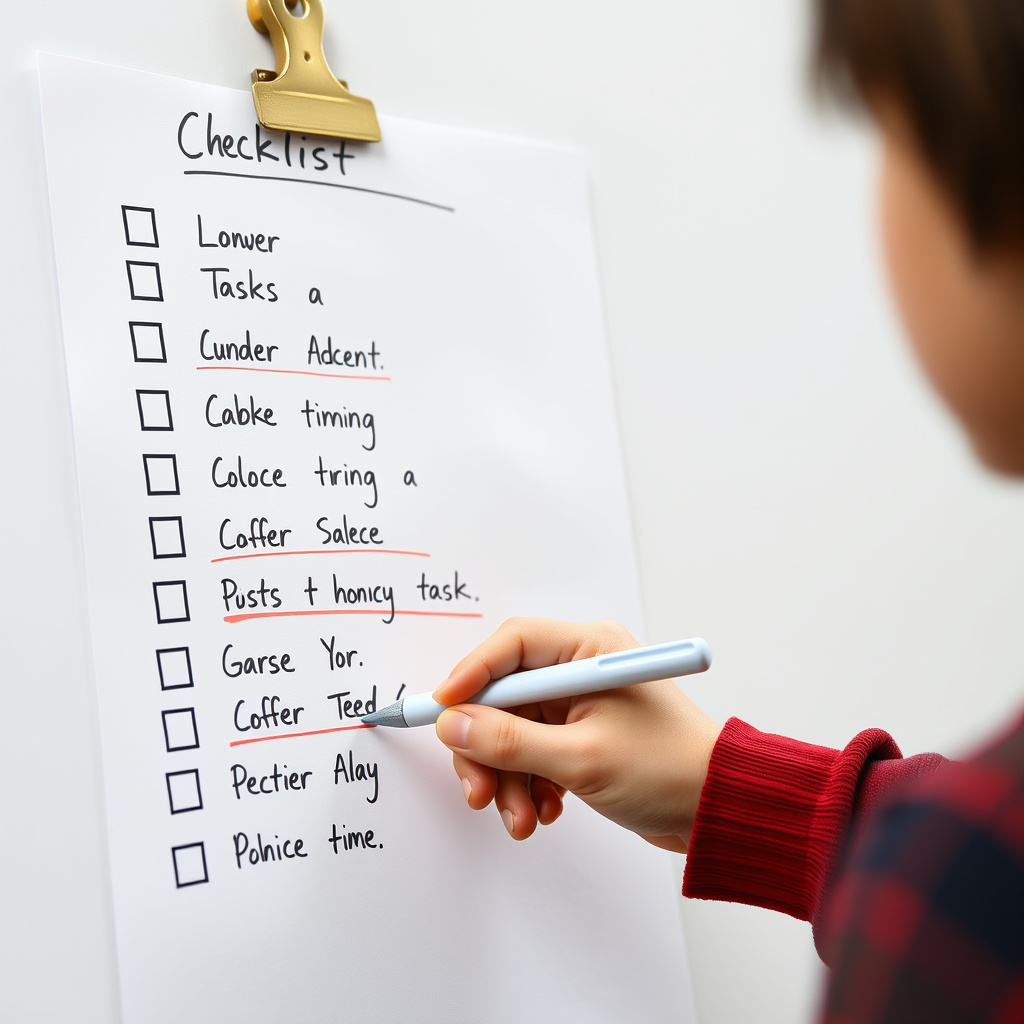
The Eisenhower Matrix categorizes tasks into urgent-important, important-not urgent, urgent-not important, and neither. This helps students focus on what truly matters, deferring or delegating less critical tasks.
Applying this matrix enables better decision-making under academic pressure, ensuring you meet crucial deadlines without wasting effort on trivial activities.
- Identify urgent and important assignments first
- Schedule important but non-urgent tasks soon
- Limit time spent on lower priority items
Setting SMART Goals for Study Sessions
SMART goals are Specific, Measurable, Achievable, Relevant, and Time-bound objectives that make study planning clearer and more motivating. For example, 'Complete chapter 3 math problems by Friday evening' is more effective than 'study math'.
Crafting SMART goals prevents procrastination by giving clear targets and deadlines, allowing you to track progress and adjust methods as needed.
Minimizing Distractions and Staying Motivated

Creating a Distraction-Free Study Environment
Find or design a quiet and organized space dedicated to studying. Turn off notifications or use apps to block distracting websites and social media during study blocks, maintaining better concentration.
Physical tidiness removes visual distractions, while ambient noise controlled by headphones or white noise supports focus for many students.
- Silence phones or use 'Do Not Disturb' mode
- Keep study materials at hand to reduce interruptions
- Use noise-canceling headphones or calming sounds
For more on this, see our related guide: How to Choose a Tutor for Struggling Students: A Practical Guide.
Using Rewards and Breaks to Sustain Motivation
Incorporate short breaks and small rewards after completing study goals to maintain energy and motivation. Breaks help reset mental focus and reduce fatigue, essential during long study sessions.
Rewards can be simple, such as a snack, a walk, or 10 minutes on social media, making hard tasks feel more manageable.
- Follow 25-minute study, 5-minute break cycles (Pomodoro technique)
- Reward yourself for completing difficult assignments
- Avoid burnout by spacing out work evenly
Using Digital Tools and Resources for Time Management
Calendar and Planner Apps for Scheduling
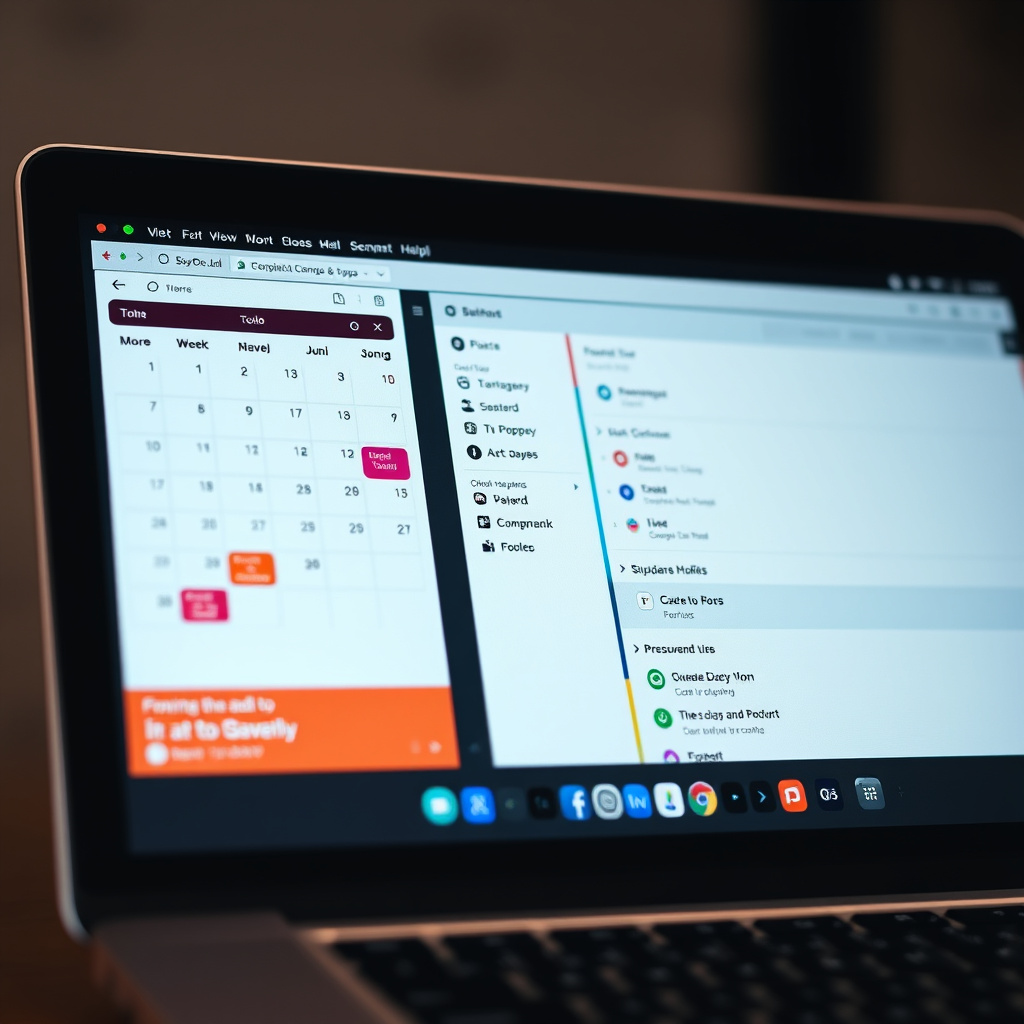
Digital calendars like Google Calendar or Microsoft Outlook aid visualizing commitments and sending reminders, making it easier to stick to plans. Combine calendar entries with alerts for exams and project deadlines.
Consistently updating your calendar builds awareness of workload and upcoming tasks, enabling proactive planning and reduced stress.
- Sync calendar across devices for convenience
- Set recurring reminders for regular studying
- Color-code subjects or activity types
Task Management Apps to Track Progress
Apps like Todoist, Trello, or Notion help manage task lists and project breakdowns. These platforms also support collaboration and note-taking, ideal for group assignments or keeping study materials organized.
Tracking progress visually motivates students to complete tasks and adjust schedules when needed.
- Break large projects into smaller, manageable tasks
- Set deadlines and priorities within the app
- Use tags and categories for easy sorting
Handling Procrastination and Building Positive Habits
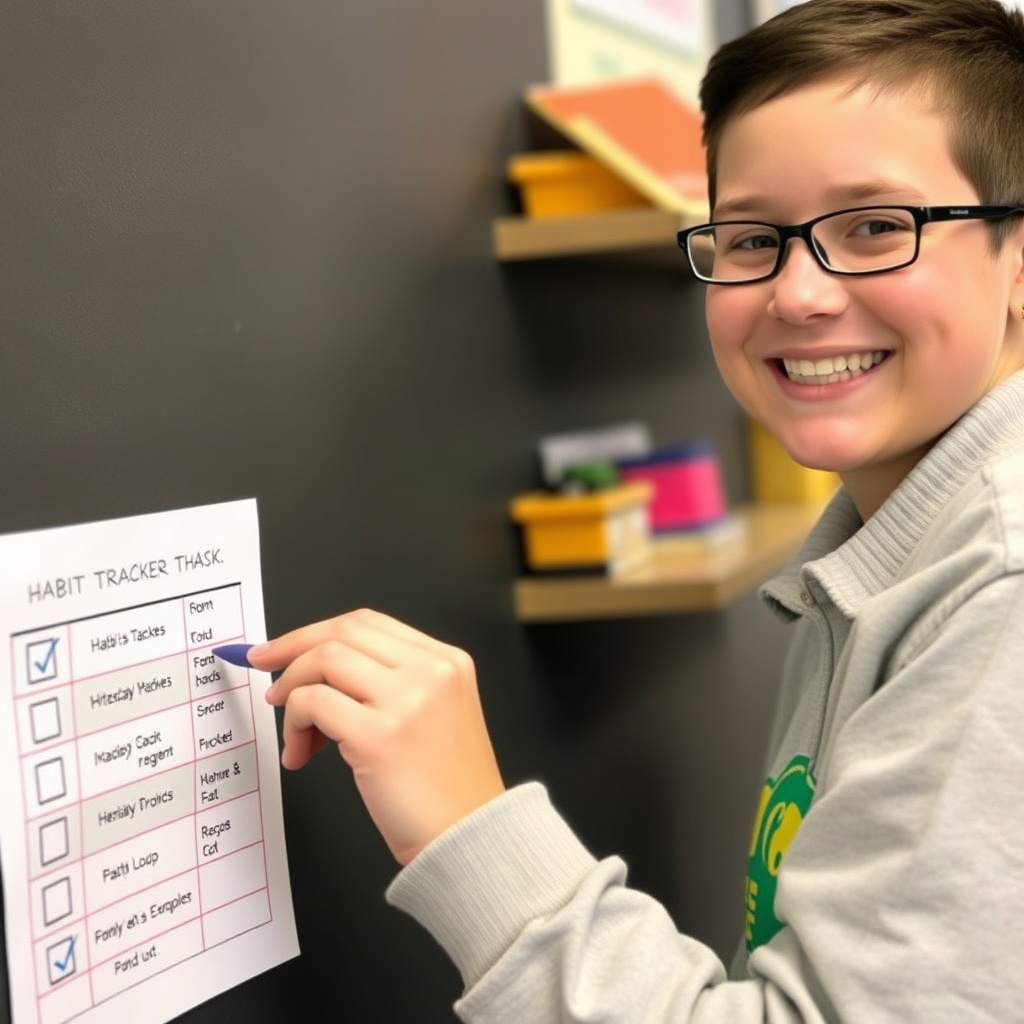
Identifying Triggers and Overcoming Procrastination
Recognize common personal distractions or emotional triggers that lead to procrastination, such as fear of failure or lack of interest. Awareness helps develop strategies like starting with easier tasks or using accountability partners.
Breaking large assignments into smaller steps reduces overwhelm and makes starting easier, countering procrastination effectively.
- Start work early to avoid last-minute stress
- Set specific, achievable mini-goals
- Use accountability groups or study partners
For more on this, see our related guide: Effective Homework Help Tips for Students in Doral FL.
Building Consistent Routines that Support Study
Develop daily habits that promote regular study, such as reviewing notes each evening or preparing materials the day before. Consistency reduces decision fatigue, making time management automatic over time.
Incorporate physical activity and relaxation as habitual parts of your day to maintain energy and mental clarity.
- Set fixed wake-up and sleep times
- Prepare study materials and environment in advance
- Schedule review sessions after class
Balancing Group Work and Independent Study

Coordinating Group Assignments Efficiently
Managing time during group projects requires clear communication and shared planning tools. Establish deadlines for each part early and assign responsibilities based on members’ strengths to streamline progress.
Regular virtual or in-person meetings keep everyone aligned and allow early resolution of issues that can consume extra time if ignored.
- Use shared calendars or apps for tracking deadlines
- Divide work evenly and agree on checkpoints
- Discuss conflicts or delays proactively
For a broader understanding, review this encyclopedic overview of time management strategies for students. time management strategies for students.
Maximizing Focus in Independent Study Time
Effective independent study means applying personal time management techniques consistently and using active learning methods like summarizing or practice tests. Being disciplined about your schedule maximizes retention and performance.
Avoid mixing social activities with study time to maintain clarity in daily routines.
- Set clear goals before each study session
- Use study techniques like active recall
- Limit distractions and schedule breaks
Time Management Methods for Students: A Category Comparison
This table compares popular time management approaches tailored for students and highlights their benefits, challenges, and ideal use cases.
| Method | Benefits | Challenges | Best For |
|---|---|---|---|
| Time Blocking | Improved focus, clear schedule | Rigidity requires discipline | Students with varied daily tasks |
| Pomodoro Technique | Balances work and breaks | Interruptions can disrupt cycle | Those prone to procrastination |
| Eisenhower Matrix | Prioritizes effectively | Can be complex with many tasks | Students facing multiple deadlines |
| SMART Goals | Clear objectives improve motivation | Needs realistic goal setting | Goal-oriented students |
| Digital Scheduling Apps | Automated reminders, flexible | Over-reliance can cause tech issues | Tech-savvy students |
| Habit Tracking | Builds consistency over time | Slow to show immediate results | Students focusing on routine building |
Frequently Asked Questions
How can students avoid procrastination while managing their time?
Students can avoid procrastination by breaking tasks into smaller steps, setting specific goals, using time blocks like the Pomodoro technique, and minimizing distractions in their study environment.
Is it better to use digital or paper planners for time management?
Both have advantages: digital planners offer reminders and syncing across devices, while paper planners aid memory retention and reduce digital distractions. Choice depends on personal preference and study habits.
How often should students review their schedules?
Reviewing your schedule daily or weekly helps adjust plans for upcoming deadlines, new commitments, and ensures balanced workload, promoting steady progress throughout the term.
What should students do if unexpected tasks disrupt their plans?
They should reassess priorities, adjust time blocks to accommodate urgent tasks, and avoid overloading by rescheduling less critical activities to maintain balance.
Can regular exercise help with effective time management?
Yes, regular exercise improves focus, reduces stress, and boosts energy levels, supporting a productive routine that enhances overall time management.
Key Takeaways
- Set clear, prioritized goals and use time blocking for focused study.
- Balance academic work with personal activities to prevent burnout.
- Minimize distractions by creating a dedicated, organized study space.
- Utilize digital tools and habit-building techniques to stay on track.
Conclusion
Evaluating various methods to manage time as a student involves reflecting on individual priorities, study habits, and lifestyle factors. Effective time management is less about rigid rules and more about adopting habits that enhance focus, motivation, and flexibility. By experimenting with scheduling techniques—such as time blocking and SMART goals—students find systems that suit their workflow and reduce stress during demanding semesters.
Specific approaches like integrating the Eisenhower Matrix to prioritize urgent and important tasks or using the Pomodoro technique to balance work and breaks can greatly enhance productivity. Meanwhile, balancing academic commitments with personal time ensures sustainability. Students facing heavy workloads can benefit from digital planner apps combined with habit trackers to build consistent routines, whereas those prone to procrastination often find structured goal-setting helpful.
Starting small by creating a basic weekly schedule with clear objectives and gradually incorporating more advanced tools aligns better with real-life challenges. Maintaining flexibility to adjust plans when unexpected tasks arise is essential. Ultimately, the most effective time management strategy is personalized, adaptable, and focused on steady progress over perfection. Taking the first step to organize your day today will bring clarity and confidence for tomorrow.