How to Find a Private Tutor: Practical Steps and Trusted Resources
Finding a private tutor begins with identifying the specific subject or skill you need help with and then looking for candidates who have proven expertise in that area. You can search through online tutoring platforms, local education centers, or community recommendations to locate tutors who match your learning goals and schedule.
Having a private tutor is beneficial because it provides tailored instruction, accountability, and direct feedback that self-study or large classes often lack. Whether you're a student preparing for exams or an adult seeking skill improvement, the right tutor can make a significant difference in your progress and confidence.
This article will explore various methods to find a private tutor, including evaluating qualifications, using technology-enabled platforms, assessing compatibility, and understanding costs. Armed with these insights, you can select a tutor suited specifically to your needs.
Defining Your Tutoring Needs

Identifying Subjects and Skills
Clarifying which subject you want tutoring in is the first step. Assess your current level and pinpoint areas where you struggle or want to improve, such as math, language arts, science, or test preparation.
Beyond subjects, consider your learning objectives—whether it’s improving grades, mastering specific topics, or preparing for competitive exams—to help match tutors who specialize in those needs.
Determining the Frequency and Format
Decide how often and for how long you want tutoring sessions. Some learners need weekly meetings, while others may benefit from intensive short-term support before exams.
Also, consider whether you prefer in-person tutoring or online formats, which can affect your access to tutors and flexibility.
- Weekly vs. intensive sessions
- In-person or online tutoring options
- Individual or small group sessions
Where to Search for a Private Tutor
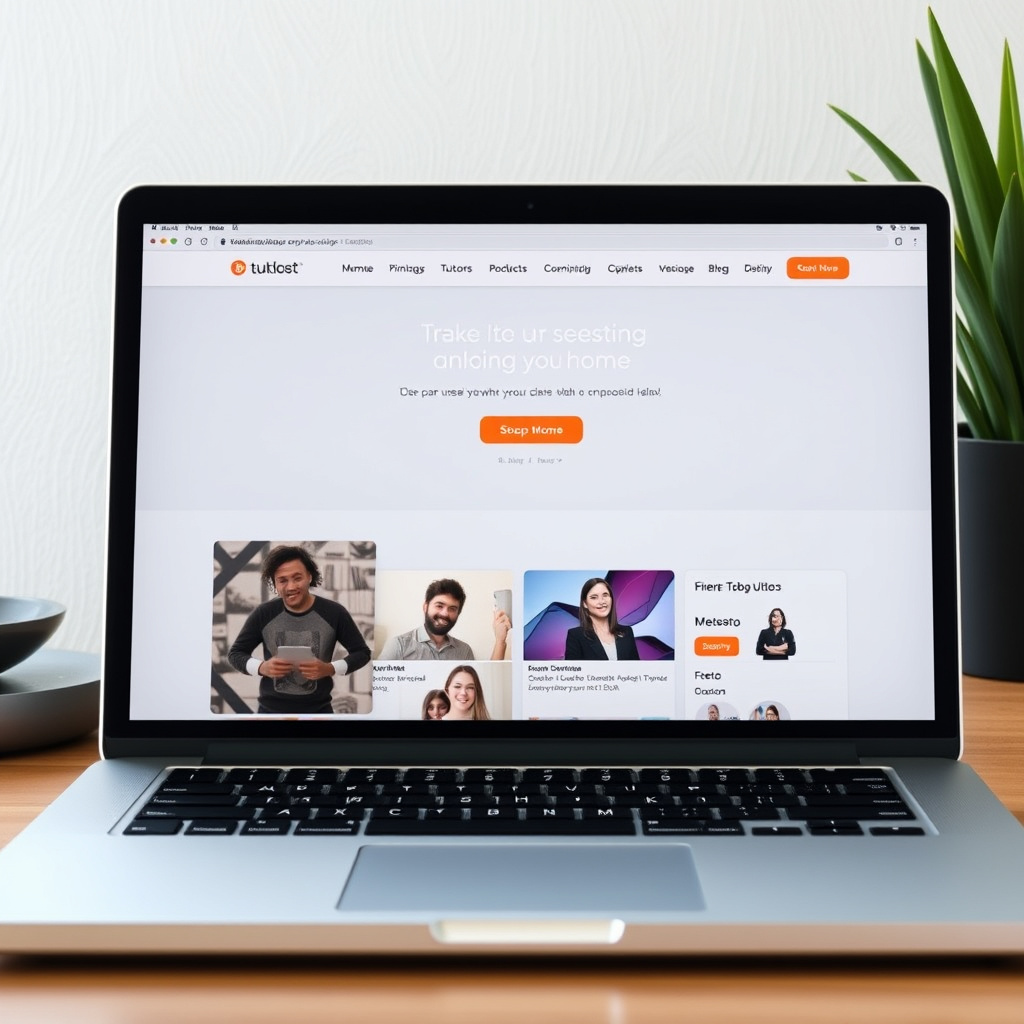
Online Tutoring Platforms
Various websites connect students with qualified tutors. These platforms typically vet educators, provide user reviews, and offer scheduling tools making it easier to find a tutor matching your subject and availability.
Some popular platforms include Wyzant, Tutor.com, and Varsity Tutors, each catering to different budgets and tutoring needs.
Local Resources and Community Recommendations
Community centers, schools, libraries, and universities often have bulletin boards or referral services for tutors available in your area.
Personal recommendations from friends, family, or teachers can help you find trustworthy tutors who have proven success with learners in similar situations.
Evaluating Tutor Qualifications

Checking Credentials and Experience
Review the tutor's educational background, certifications, and teaching experience relevant to your subject or skill level. Tutors with formal qualifications or prior teaching experience often deliver more effective instruction.
Ask for examples of success stories or student progress to assess their effectiveness.
- Degrees and certifications
- Years of tutoring or teaching experience
- Specialized training in your subject
For more on this, see our related guide: Finding the Right Private Tutor in Doral FL: A Complete Guide.
Trial Sessions and Compatibility
Scheduling trial lessons allows you to gauge the tutor's teaching style, communication skills, and responsiveness to your needs. A good match ensures productive learning and motivation.
Discuss your goals openly during trial sessions to observe the tutor's adaptability and encouragement.
Assessing Costs and Scheduling

Understanding Pricing Structures
Tutor fees vary widely depending on qualifications, subject complexity, and location. Some tutors charge hourly rates, while others offer package deals. Online tutoring may sometimes be less expensive than in-person sessions.
Be sure to confirm cancellation policies and whether materials or extra support are included in the price.
- Hourly vs. package pricing
- Additional costs (materials, travel)
- Refund and cancellation policies
Balancing Schedule Flexibility
Ensure the tutor's availability aligns well with your schedule to maintain consistency. Flexibility in timing can be valuable if you have fluctuating commitments or prefer sessions outside standard hours.
Online tutoring platforms often provide more flexible scheduling options, which might suit busy or international learners.
Using Technology to Enhance Private Tutoring

Interactive Tools and Resources
Modern tutors incorporate software, digital whiteboards, and interactive quizzes between sessions to reinforce concepts and track progress.
These tools provide a richer learning experience than traditional methods, enabling clearer explanations and immediate feedback.
- Digital whiteboards
- Recorded lesson videos
- Practice quizzes and progress tracking
For more on this, see our related guide: How to Choose the Best Test Preparation Tutor in Doral FL for Effective Results.
Online Platforms Supporting Private Tutors
Platforms like Zoom, Google Meet, and specialized tutoring software allow tutors and students to connect seamlessly regardless of location.
Many platforms offer scheduling, payment processing, and session recording features, simplifying the tutoring experience.
Maintaining Progress and Feedback

Setting Clear Learning Goals
Establishing measurable, realistic goals with your tutor guides the session focus and helps track improvements over time, keeping motivation high.
Goals might include mastering particular chapters, improving test scores, or developing specific skills like essay writing.
- Short-term vs. long-term objectives
- Regular goal reviews
- Adjusting plans based on progress
For a broader understanding of tutoring practices, you can explore private tutoring information on Wikipedia. Private tutoring information on Wikipedia.
Regular Feedback and Communication
Frequent feedback from your tutor highlights areas of success and those needing extra work, allowing fine-tuning of your study approach.
Maintaining open communication also fosters accountability and builds a supportive learning relationship.
Comparison of Private Tutor Options
This table compares characteristics of different private tutor categories to help you select the best fit for your needs.
| Category | Cost Range (per hour) | Flexibility | Specialization Level | Ideal For |
|---|---|---|---|---|
| Local In-Person Tutors | $30-$80 | Limited | Varied | Students preferring face-to-face interaction |
| Online Tutoring Platforms | $15-$60 | High | Wide | Flexible learners with varied schedules |
| University Student Tutors | $15-$35 | Moderate | Subject-specific | Cost-conscious learners needing specialized help |
| Professional Educators | $50-$100+ | Varied | Highly Specialized | Advanced learners needing expert guidance |
| Tutoring Centers | $40-$70 | Scheduled | Generalized | Students needing structured programs |
Frequently Asked Questions
How do I verify a private tutor’s qualifications?
Ask for copies of degrees or certifications and references from past students. Reliable tutors are transparent about their background and willing to share credentials.
Can online tutoring be as effective as in-person tutoring?
Yes, especially if tutors use interactive tools and clear communication. Online tutoring offers flexibility and access to a wider pool of experts.
What should I do if a tutoring style doesn’t suit me?
Discuss the issue openly with your tutor or consider trying a different tutor. Compatibility is key to productive learning, so looking for a better match is common.
Are trial lessons usually free?
Many tutors and platforms offer free or discounted trial sessions to assess fit before committing, but policies vary, so confirm beforehand.
How often should tutoring sessions be scheduled?
Frequency depends on your goals and availability—weekly is common for steady progress, while more frequent sessions help with intensive preparation.
Key Takeaways
- Identify specific learning goals before searching for a tutor.
- Use both online platforms and local resources to broaden your options.
- Evaluate tutor qualifications and compatibility through trial sessions.
- Consider costs alongside scheduling flexibility to find the best fit.
Conclusion
Choosing the right private tutor starts with understanding your unique academic needs and goals. By clearly defining what subject or skills to improve and preferred learning styles, you can target your search efficiently. Balancing qualifications, experience, and personality during your selection process ensures a productive tutoring relationship that enhances your learning progress. While price and location matter, focusing on compatibility and teaching effectiveness typically yields the greatest returns.
For instance, if budget constraints are top of mind, university student tutors or online tutoring platforms may offer affordable options without sacrificing quality. Conversely, professional educators or tutoring centers provide more structured support for advanced learners or those seeking specialized expertise. Trial lessons help avoid mismatches by giving firsthand experience of a tutor’s approach, which is just as critical as credentials. Incorporating technology through online sessions also widens access to the best tutors regardless of geography.
To move forward, start by listing your goals and preferred tutoring formats, then explore reputable platforms or community referrals. Reach out with questions, arrange trial sessions, and evaluate your comfort and progress before committing long term. This thoughtful approach to how to find a private tutor will help you secure personalized support tailored for success in your academic or skill development journey.