How to Learn Vocabulary Effectively for Lasting Language Skills
Learning vocabulary efficiently requires targeted practice, context-rich exposure, and regular review. You can start by choosing relevant words, using them actively in sentences, and revisiting them over time to solidify your memory. This direct approach to how to learn vocabulary helps ensure that new words stick.
Mastering vocabulary matters because it forms the foundation for clear communication and understanding in any language. Without a solid vocabulary, it’s difficult to express ideas or grasp others. Vocabulary acts like a toolbox, so having the right tools ready makes daily conversations and reading easier.
This article will explore tested strategies on how to learn vocabulary, including the use of flashcards, contextual learning, spaced repetition, and practical usage. We’ll also compare different learning methods and answer common questions to help you choose the best approach for your needs.
Using Flashcards to Learn Vocabulary

Digital vs. Paper Flashcards
Digital flashcards offer convenience and features like spaced repetition algorithms to improve retention. Apps such as Anki automate review schedules, making your practice more efficient. On the other hand, paper flashcards provide tactile engagement which some learners find helps memorization.
Choosing between digital and paper flashcards depends on your learning style and environment. Digital tools are accessible anywhere and can include audio and images. Paper cards don’t require technology and are distraction-free, which can aid focus.
- Digital: automated review, portability, multimedia
- Paper: tactile, distraction-free, customizable
Creating Flashcards for Maximum Impact
Effective flashcards go beyond word and definition; including example sentences, synonyms, and images deepens understanding. Keeping flashcards simple but meaningful helps avoid overwhelm and promotes active recall.
Regularly updating your flashcard deck by removing mastered words and adding new vocabulary maintains challenge and progress. Reviewing in short, frequent sessions is preferable to long, infrequent ones for better memory.
- Include context sentences
- Use images or mnemonics
- Keep cards clear and concise
Contextual Learning Strategies

Learning Vocabulary Through Reading
Encountering new words in context helps you grasp their meaning and usage naturally. Reading books, articles, or websites suited to your level provides organic exposure that aids retention compared to isolated word lists.
When you find unfamiliar vocabulary, try to infer meaning from surrounding sentences before checking a dictionary. This strengthens your ability to guess meanings and deepens your understanding of how words function.
- Choose reading material matching your interests
- Highlight and note new words
- Use context clues for comprehension
For more on this, see our related guide: How to Choose the Best Test Preparation Tutor in Doral FL for Effective Results.
Using Media and Conversations
Listening to podcasts, watching films, or engaging in conversations helps you learn pronunciation, intonation, and real-life usage of vocabulary. Active listening combined with note-taking encourages faster vocabulary acquisition.
Practicing new words in speech consolidates memory. Even speaking aloud to yourself or language exchange partners triggers deeper processing than passive exposure alone.
- Watch shows with subtitles
- Engage in language exchanges
- Record and review your own speech
Spaced Repetition and Memory Techniques
Understanding Spaced Repetition
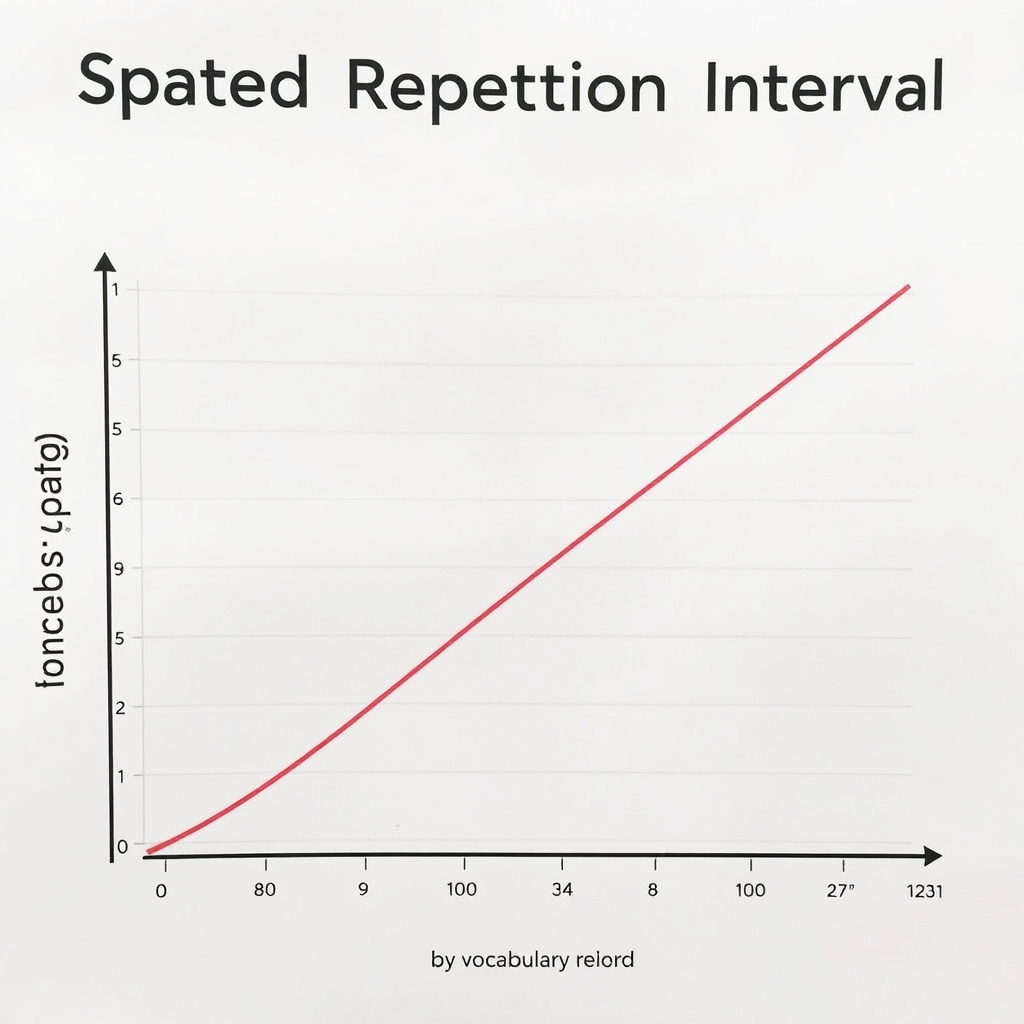
Spaced repetition involves reviewing vocabulary at increasing intervals to strengthen long-term retention. Instead of cramming, revisiting words just as you are about to forget them cements them in memory efficiently.
Many digital apps use spaced repetition algorithms that adapt to your performance by scheduling reviews dynamically, making your study time more productive.
- Review new words shortly after learning
- Increase intervals gradually
- Use digital tools for automatic scheduling
Mnemonic Devices to Reinforce Learning
Mnemonics link new vocabulary to images, stories, or familiar words to simplify recall. Creating associations motivates better retention by making words memorable beyond rote memorization.
Techniques include acronyms, visualization, rhymes, or connecting word parts to similar terms in your native language.
- Use vivid mental images
- Create funny or odd associations
- Relate words to known concepts
Active Usage to Solidify Vocabulary

Writing Practice
Writing sentences, journal entries, or essays using new vocabulary transforms passive knowledge into active skills. It also reveals gaps in your understanding and highlights which words need more review.
Try to write with variety by using synonyms and different tenses. This challenges you to manipulate words rather than memorize fixed forms.
- Keep a vocabulary journal
- Write short daily paragraphs
- Incorporate target words in different contexts
For more on this, see our related guide: How to Choose a Reading Comprehension Tutor That Boosts Your Skills.
Speaking and Language Exchange
Speaking out loud in conversation activates deeper memory and fluency. Language exchange partners or tutors provide feedback and new contexts to experiment with vocabulary use.
Regular speaking practice reduces hesitation and builds confidence, ensuring words become natural tools rather than unfamiliar terms.
- Find conversation partners online
- Practice thematic dialogues
- Record and listen to your speech
Tracking Progress and Staying Motivated

Setting Measurable Vocabulary Goals
Defining clear, achievable vocabulary goals keeps learning directed and purposeful. For example, aiming to learn 20 new words per week or master a set of topic-based vocabulary helps monitor achievement.
Tracking progress using apps or notebooks rewards effort and highlights advancement, encouraging continued commitment.
- Set weekly or monthly word targets
- Group words by themes
- Use progress tracking tools
For more information on the science behind vocabulary learning, see this detailed resource on vocabulary acquisition. vocabulary acquisition.
Maintaining Consistency and Handling Challenges
Consistency is key to vocabulary growth. Scheduling short, daily practice sessions prevents burnout and improves retention. When motivation dips, changing learning methods or materials reignites interest.
Accept that some words will be harder to learn and require repeated exposure. Being patient and persistent pays off over time.
- Use reminders or study routines
- Switch between reading, writing, and speaking
- Reward yourself for milestones
Comparison of Vocabulary Learning Methods
This table summarizes key features of popular vocabulary learning methods to help you find the best fit.
| Method | Engagement Style | Effort Level | Retention Efficiency | Best For |
|---|---|---|---|---|
| Flashcards (Digital) | Visual and repetitive | Moderate | High | Self-paced learners |
| Flashcards (Paper) | Tactile and visual | Low to moderate | Moderate | Traditional learners |
| Contextual Reading | Passive to active reading | High | High | Intermediate to advanced learners |
| Mnemonics | Creative association | Low | Moderate to high | Memorization-heavy learners |
| Active Usage (Writing/Speaking) | Productive practice | High | Very high | Fluency-focused learners |
Frequently Asked Questions
How many new vocabulary words should I learn daily?
A realistic daily goal ranges from 5 to 20 words, depending on your time and proficiency. Quality matters more than quantity, so focus on mastering and reviewing words regularly rather than trying to memorize too many at once.
Is it better to learn vocabulary in isolation or in context?
Learning vocabulary in context is generally more effective for understanding and usage. However, starting with isolated words can help build a foundational list, which you should then reinforce by seeing them used in sentences or conversations.
Can I improve vocabulary without formal study tools?
Yes, immersing yourself in reading, listening, and conversation exposes you naturally to new vocabulary. Active engagement like noting words and practicing them will boost learning even without formal tools.
How often should I review new vocabulary?
Review new vocabulary shortly after learning, then at intervals spaced over days and weeks. Spaced repetition helps prevent forgetting and strengthens long-term retention.
Are mnemonic devices necessary for learning vocabulary?
Mnemonics can aid memory, especially for difficult words, but they’re not essential. Some learners find them helpful while others prefer contextual learning. Combining mnemonics with other techniques is often most effective.
Key Takeaways
- Use flashcards with spaced repetition to boost retention.
- Learn vocabulary in context through reading and conversation.
- Practice active usage by writing and speaking regularly.
- Set clear goals and track your vocabulary progress consistently.
Conclusion
Deciding how to learn vocabulary effectively depends on combining methods that match your learning preferences and goals. Approaching vocabulary with a balance of exposure, practice, and review fosters meaningful retention. Whether you prefer digital tools or contextual reading, layering multiple techniques improves results.
If you seek structure, digital flashcards with spaced repetition offer efficient memorization, especially for beginners and intermediate learners. For those focusing on fluency and natural use, contextual reading complemented with active speaking or writing practices deepens understanding and recall. Mnemonics and goal tracking add personalized support to maintain motivation.
The best next step is to design a vocabulary learning routine tailored to your schedule and preferences. Start small with manageable daily goals, integrate vocabulary into real-world activities, and consistently revisit your words. This practical plan transforms vocabulary from a list of words into living language.