How to Help Kids with School: Practical Strategies for Parents and Caregivers
Helping kids with school involves creating a supportive environment where they can develop good study habits, stay organized, and feel motivated to learn. This direct involvement from parents or caregivers is key to addressing challenges early and fostering academic growth consistently.
When kids receive guidance tailored to their individual needs, they build confidence and develop skills that carry beyond specific subjects. Schoolwork can often feel overwhelming without structure, so meaningful support helps children manage tasks effectively and learn independently over time.
This article explores methods to help kids succeed academically by focusing on organization, homework routines, communication with teachers, and emotional support. Whether your child struggles or simply needs encouragement, these approaches aim to make schoolwork more manageable and enjoyable.
Organizing Study Time and Space
Creating a Dedicated Study Environment
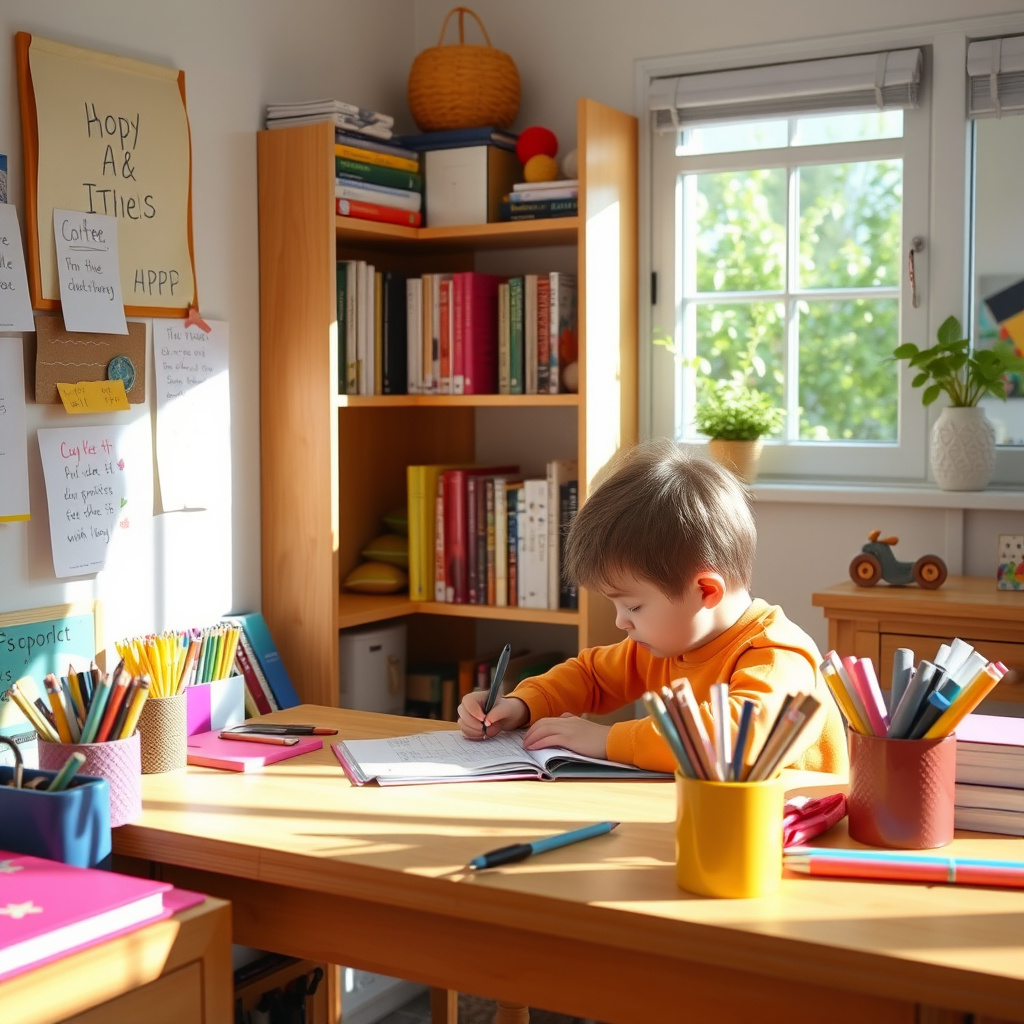
Setting up a specific area for studying helps children associate that space with focused learning. The environment should be quiet, well-lit, and free from distractions like TV or smartphones. Personalizing this space with comfortable seating and necessary supplies encourages kids to return consistently.
A dedicated study spot reduces interruptions and helps children build routines by signaling it’s time to focus. Consistency in location minimizes the mental effort needed to transition into learning mode.
- Choose a quiet corner with natural light
- Stock with essential supplies (pens, paper, calculator)
- Limit access to electronic distractions during study
Establishing Effective Study Schedules
Creating daily or weekly study schedules helps kids allocate time efficiently for homework, revision, and breaks. Short, focused sessions (20-30 minutes) with breaks improve concentration and retention, especially for younger children.
Using planners or calendar apps allows kids to visualize upcoming deadlines, reducing anxiety and procrastination. Involving children in schedule creation gives them ownership and helps develop time-management skills.
- Block study intervals suited to child's attention span
- Include short breaks to recharge
- Review and adjust schedule weekly
Supporting Homework and Assignments

Providing Guidance Without Doing the Work
Helping kids with homework means offering support and explanations rather than completing tasks for them. Asking questions or suggesting approaches encourages problem-solving skills and independence.
Parents can also model organization by helping kids break down assignments into smaller parts and setting specific goals to avoid feeling overwhelmed.
- Ask open-ended questions to prompt thinking
- Encourage use of notes and resources
- Help plan multi-step projects in stages
Using Resources and Tools to Assist Learning
Various educational tools can supplement learning, such as online tutorials, flashcards, or apps for practice in math and reading. Libraries and school resources also offer textbooks and guides tailored to curriculum standards.
Incorporating these resources makes homework less frustrating and gives children additional perspectives on challenging material, reinforcing classroom lessons.
- Explore reputable learning apps and websites
- Utilize school-provided study materials
- Encourage peer study groups for collaborative learning
Communicating with Teachers and School Staff
Building Partnerships with Educators
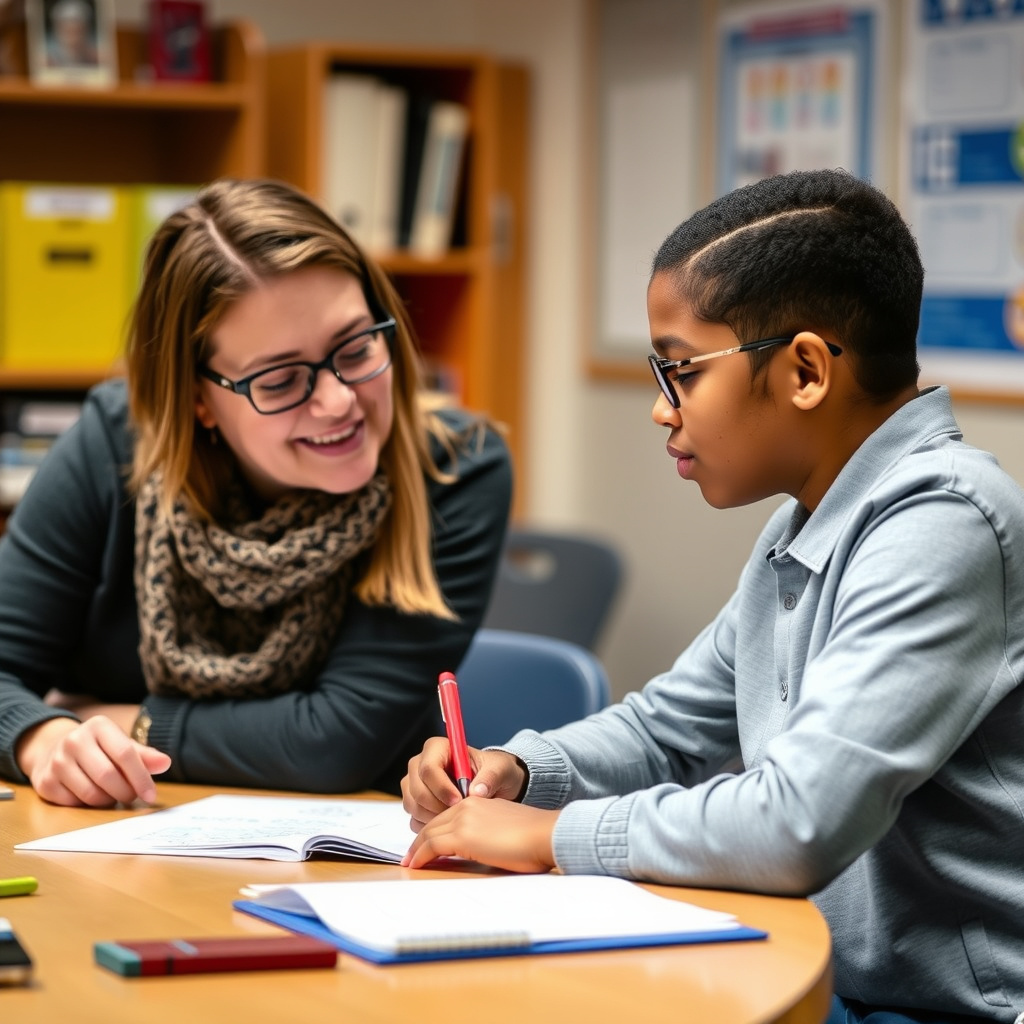
Regular communication with teachers provides valuable insight into a child’s academic strengths and areas needing improvement. Attending parent-teacher conferences and staying in touch via email or school portals fosters collaboration around the child’s needs.
Being proactive allows parents to catch issues early, ask for additional support if necessary, and reinforce priorities at home aligned with school expectations.
- Schedule regular check-ins with teachers
- Discuss challenges and successes openly
- Request recommendations for home support
Advocating for Special Needs or Learning Differences
If a child shows signs of learning difficulties, early dialogue with school staff about assessments or accommodations is essential. Schools can provide tailored interventions, such as extra tutoring or modified assignments.
Parents should document observations and collaborate with educators to develop an individualized plan that supports the child’s unique learning style and pace.
- Seek evaluation for learning disabilities if concerns arise
- Work with school counselors or special education teams
- Follow up on progress and adjust strategies as needed
Encouraging Motivation and Positive Attitudes
Celebrating Achievements and Effort
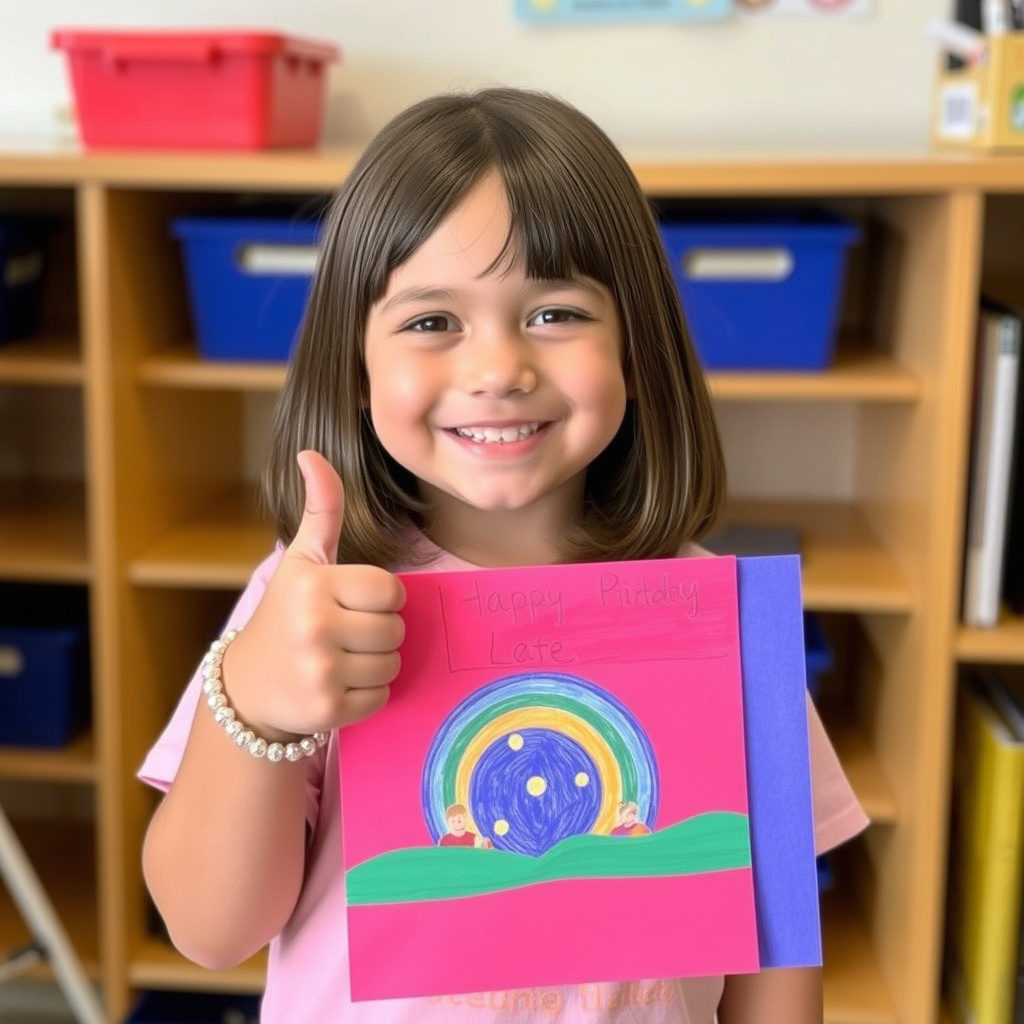
Acknowledging both small and big academic accomplishments builds self-esteem and motivation. Praise should focus on effort and strategies rather than just grades to promote a growth mindset and resilience.
Celebrations can be simple, like verbal encouragement or more tangible rewards that make learning feel rewarding and fun.
- Recognize effort consistently
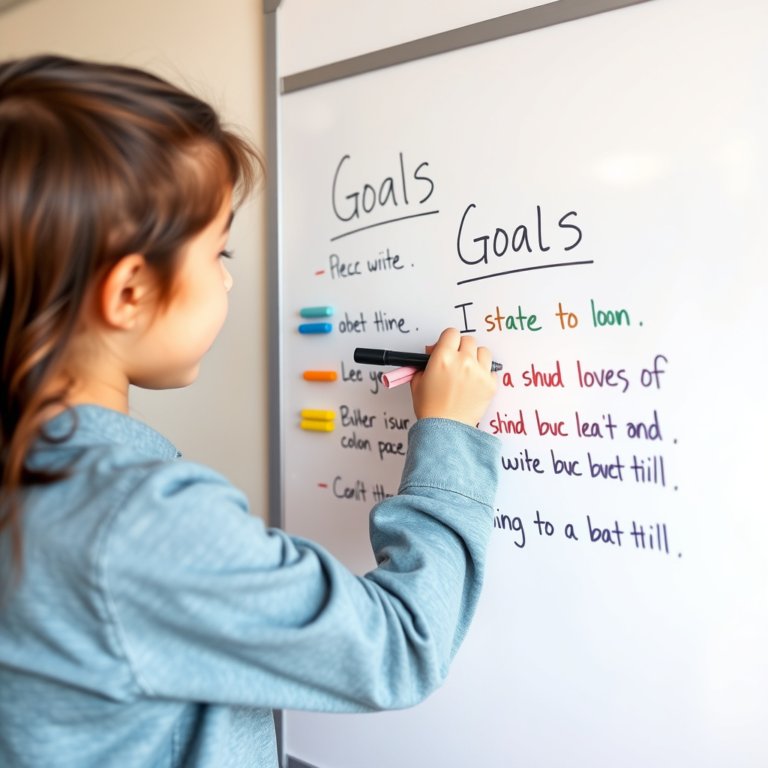
- Set realistic goals and celebrate progress
- Use positive reinforcement to encourage persistence
Addressing Frustration and Anxiety
School pressures can provoke stress or reluctance to engage in learning. Openly discussing feelings encourages emotional expression and helps identify specific sources of difficulty, whether academic or social.
Introducing relaxation techniques and structured routines aids children in managing anxiety and improves their focus and mood for school tasks.
- Create opportunities for kids to share worries
- Teach simple mindfulness or breathing exercises
- Maintain consistent routines to reduce uncertainty
Developing Skills for Independent Learning

Teaching Time Management and Prioritization
Helping kids learn to prioritize tasks and manage deadlines builds responsibility essential for academic independence. Using lists and calendars trains them to plan and track assignments and exams.
Encouraging self-reflection on what tasks are most urgent or challenging improves decision-making and reduces last-minute stress.
- Introduce to-do lists and planners
- Practice setting priorities for tasks
- Review and adjust plans regularly for improvements
Encouraging Critical Thinking and Problem Solving
Independent learners benefit from developing critical thinking skills that allow them to analyze and approach problems creatively. Parents can promote this by encouraging questioning, exploration of ideas, and considering multiple solutions.
Teaching children to seek out information and evaluate sources equips them for lifelong learning beyond classroom instruction.
- Ask children to explain reasoning behind answers
- Discuss alternative ways to solve problems
- Promote curiosity and research skills
Supporting Social and Emotional Development

Fostering Positive Peer Relationships
Strong social connections at school can improve engagement and reduce feelings of isolation. Encouraging friendships and group activities helps children develop communication, empathy, and collaboration skills.
Parents can support by facilitating playdates or encouraging involvement in clubs, which also boosts confidence and belonging.
- Discuss the importance of kindness and respect
- Help kids navigate conflicts constructively
- Support participation in social or extracurricular groups
For more detailed guidelines on helping children succeed at school, visit the U.S. Department of Education’s parent resources. helping children succeed at school.
Recognizing and Managing Emotional Challenges
School environments sometimes trigger anxiety, frustration, or low self-esteem. Teaching kids to recognize these emotions and express them healthily prevents problems from escalating.
Parents should remain patient listeners, offer coping strategies, and consider professional support if emotional struggles persist impacting school performance.
- Encourage journaling or talking about feelings
- Model emotion regulation techniques
- Seek counseling if emotional issues affect learning
Ways to Help Kids with School: Method Comparison
Below is a table comparing common approaches you can take to support your child's academic progress and well-being.
| Method | Focus Area | Implementation Effort | Best For | Potential Challenges |
|---|---|---|---|---|
| Structured Study Environment | Organization | Medium | All students | Requires discipline to maintain |
| Parental Guidance with Homework | Learning Support | High | Younger children or struggling students | Risk of over-helping |
| Use of Educational Technology | Supplemental Learning | Medium | Tech-savvy kids | Screen time management |
| Teacher Communication | Academic Monitoring | Low | Parents wanting close oversight | Depends on teacher availability |
| Motivation and Emotional Support | Emotional Well-being | Medium | Children facing anxiety or low motivation | Needs patience and consistency |
Frequently Asked Questions
How can I tell if my child needs extra help with school?
Signs include consistent poor grades, frustration with homework, lack of motivation, or difficulty understanding concepts. If these persist despite regular support, talking to teachers about evaluations is a good step.
What if my child refuses to do homework?
Try to identify underlying causes such as boredom or difficulty. Creating a routine, offering positive reinforcement, and breaking tasks into smaller steps can encourage compliance.
How often should I communicate with my child’s teachers?
Regular updates once per term or more often if concerns arise help keep you informed. Don’t hesitate to reach out if you notice changes in performance or behavior.
Are study groups effective for kids?
Yes, study groups provide peer support, allow idea exchange, and make learning more engaging. Ensure the group stays focused to avoid distractions.
How can I support my child’s emotional health related to school?
Encourage open conversations, validate their feelings, maintain routines, and teach stress management techniques. Seek professional help if emotional issues interfere with daily functioning.
Key Takeaways
- Set up a distraction-free, consistent study space to improve focus.
- Offer guidance on homework without taking over the work.
- Maintain open communication with teachers to track progress.
- Support motivation through praise and managing school-related stress.
Conclusion
Helping kids with school means balancing support and independence, finding ways to address their academic challenges while encouraging their growth as self-reliant learners. Understanding each child’s unique needs and adjusting strategies accordingly is key to fostering lasting educational success. Practical organization, thoughtful communication, and emotional encouragement create a comprehensive approach that resonates beyond immediate assignments.
Parents who organize dedicated study environments, establish homework routines, and maintain ongoing communication with teachers often see improvements in their children’s academic confidence and performance. Additionally, fostering positive motivation strategies and emotional well-being addresses barriers that can otherwise hinder learning. For example, using educational apps can engage children who benefit from interactive exercises, while consistent dialogue with educators helps tailor support for individual requirements.
To take effective next steps, begin by assessing your child’s current study habits and emotional state, then introduce a structured plan incorporating simple schedule adjustments and a calm workspace. Regularly revisit the approach and remain flexible to changes in needs. Committing to steady involvement, while encouraging independent thinking, prepares children not only for school but for lifelong learning challenges.