How to Improve Your Child’s Grades: Practical Strategies for Academic Success
Improving your child's grades can be achieved by addressing study habits, creating a supportive learning environment, and encouraging consistent effort. Key steps include setting a regular homework schedule, identifying learning challenges early, and fostering motivation through positive reinforcement. These practical adjustments often lead to noticeable improvements in academic performance.
Grades matter because they often reflect how well a child understands the material and can apply knowledge. Better grades not only boost confidence but also open doors to advanced learning opportunities and scholarships. Parents who actively participate in their child’s education can make a significant impact on their academic results and overall attitude toward learning.
This article will walk you through actionable strategies such as organizing study time, selecting useful learning resources, enhancing motivation, managing distractions, and partnering with teachers. By applying these approaches, you can support your child in achieving better grades across subjects and build lifelong skills for success.
Establishing Effective Study Habits

Creating a Consistent Homework Routine
Developing a regular schedule for homework helps your child manage time effectively and reduces last-minute stress. Choose a quiet, well-lit area free from distractions where your child can focus. Consistency in timing trains their brain to get into study mode during those periods.
Encourage breaks during longer study sessions to maintain concentration. Using timers or apps can help your child stay on track, dividing work into manageable sections and preventing fatigue.
- Set a daily start time for homework
- Provide necessary supplies at the study spot
- Use short breaks to refresh focus
- Track progress with checklists
Organizing Study Materials and Notes
Proper organization improves study efficiency by minimizing time wasted searching for materials. Teach your child to keep notebooks, textbooks, and handouts neatly sorted by subject in folders or binders.
Using color-coded notes or labeling systems can help quickly locate key information. This practice also supports better review and retention before tests and exams.
- Use labeled folders for each subject
- Highlight important points with colors
- Review notes weekly for reinforcement
- Discard outdated papers regularly
Selecting and Using Learning Resources

Leveraging Educational Tools and Apps
Integrating technology like educational apps, videos, and online quizzes can supplement traditional learning and make study sessions more interactive. Choose age-appropriate resources that align with your child’s curriculum to reinforce concepts.
Many apps offer personalized feedback, helping your child identify weaknesses and address them. These tools often promote active learning, which research shows improves information retention.
- Use math and reading apps with progressive challenges
- Watch short explanatory videos for difficult concepts
- Set daily limits to avoid overuse
- Encourage digital note-taking for organization
For more on this, see our related guide: How to Choose the Best After School Tutoring in Doral FL for Your Child.
Using Flashcards and Practice Tests
Practice through flashcards and tests enhances memory recall and boosts confidence ahead of exams. Creating flashcards together also helps your child process the material more deeply.
Frequent low-stakes testing builds retrieval skills and reduces exam anxiety. Try mixing multiple-choice and short-answer questions to improve comprehensive understanding.
- Make flashcards for vocabulary or formulas
- Schedule weekly practice quizzes
- Review incorrect answers for clarification
- Keep sessions short but consistent
Boosting Motivation and Engagement

Using Positive Reinforcement
Recognizing effort rather than just results encourages ongoing persistence. Praise specific achievements like completing assignments on time or improving a skill, which supports your child’s intrinsic motivation.
Small rewards such as extra screen time or a favorite activity can further incentivize good habits. Maintaining a balanced approach prevents over-reliance on external rewards.
- Praise progress frequently
- Acknowledge hard work openly
- Set achievable goals with rewards
- Avoid negative criticism
Cultivating a Growth Mindset
Teach your child that intelligence and abilities can grow with practice. Encourage embracing challenges and learning from mistakes rather than fearing failure, which builds resilience and a love of learning.
Model positive attitudes towards setbacks yourself and discuss famous examples of success through perseverance to inspire your child’s confidence.
- Use phrases like 'You’re improving' instead of 'You’re smart'
- Discuss effort over innate talent
- Frame errors as learning opportunities
- Encourage curiosity and questions
Managing Distractions and Time Effectively

Minimizing Digital Distractions
Devices like smartphones and tablets pose common distractions during homework. Set clear rules for when electronics can be used and turn off notifications or use apps that block distracting sites while studying.
Preparing the study area away from TVs or noisy zones helps create a calm, focused atmosphere. Consistency with these boundaries strengthens concentration habits.
- Establish device-free study times
- Use focus apps or website blockers
- Create a distraction-free workspace
- Limit social media during homework
For more on this, see our related guide: How to Find the Best Reading Tutor in Doral FL for Your Child.
Teaching Time Management Skills
Help your child break down assignments into smaller tasks with realistic deadlines. Teaching them to prioritize urgent and important activities improves productivity.
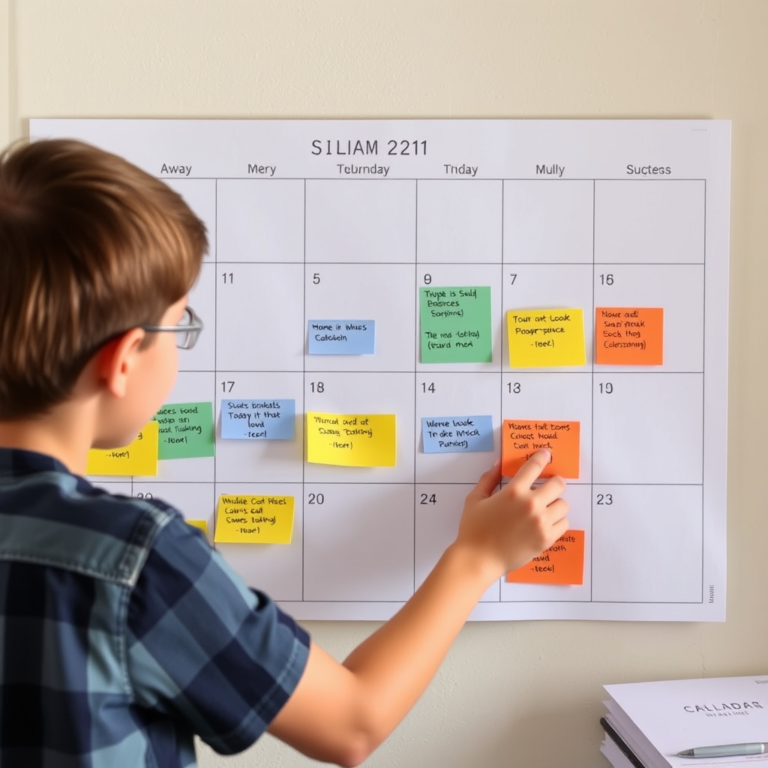
Use planners or digital calendars and regularly review upcoming tests and projects together. This planning reduces last-minute cramming and stress.
- Create weekly to-do lists
- Set specific goals for each study session
- Review assignments daily
- Encourage self-monitoring of deadlines
Collaborating with Teachers and Schools

Communicating Regularly with Educators
Staying in touch with your child's teachers helps identify academic or behavioral issues early. Attend parent-teacher meetings and use online portals for progress updates to stay informed and aligned.
Teachers can offer valuable advice tailored to your child's strengths and areas for improvement, enabling targeted support at home.
- Schedule regular check-ins with teachers
- Review graded work together
- Ask about classroom expectations
- Request additional resources if needed
For more insights on academic success strategies, you can explore the comprehensive information available on education at this link. academic success strategies.
Accessing School Support Services
Many schools provide tutoring, counseling, or special education resources that can aid children who struggle academically or emotionally. Early intervention maximizes these supports’ effectiveness.
Explore programs your school offers, such as after-school help or study groups, to supplement your child's learning environment outside regular class hours.
- Investigate remedial tutoring options
- Use school counseling for motivation issues
- Participate in enrichment programs
- Utilize library resources
Comparison of Study Methods to Improve Your Child's Grades
Here’s how different study methods and routines compare to help you find the best fit for your child's academic improvement.
| Study Method | Effectiveness Level | Suitability Age Range | Parental Involvement Needed |
|---|---|---|---|
| Consistent Homework Routine | High | All school ages | Medium |
| Educational Apps and Technology | Moderate-High | Ages 8-16 | Low-Medium |
| Flashcards and Practice Tests | High | Ages 7-18 | Medium |
| Positive Reinforcement | Moderate | All school ages | High |
| Time Management Training | High | Ages 10 and up | Medium |
| Regular Teacher Communication | High | All school ages | High |
Frequently Asked Questions
How can I help my child stay motivated to improve grades?
Encourage effort with specific praise, set achievable goals, and introduce small rewards. Fostering a growth mindset where challenges are welcomed also supports ongoing motivation.
What should I do if my child struggles with a particular subject?
Identify the problem areas early and consider extra support like tutoring or online resources. Communicating with teachers can provide insight and tailored strategies specific to the subject.
How much parental involvement is ideal for improving grades?
A balance is best—support and monitor homework routines and progress, but also encourage independence. Adjust involvement as your child matures and takes on more responsibility.
Are digital study tools effective for all children?
Digital tools can be very effective, especially for tech-savvy children, but they should complement rather than replace traditional study habits. Monitor usage to avoid distractions.
What role does communication with teachers play in academic success?
Regular communication helps parents stay informed of progress and challenges. Teachers can recommend specific strategies and resources that support your child's learning.
Key Takeaways
- Consistent study routines significantly improve academic performance.
- Using appropriate educational resources enhances understanding.
- Motivation grows from positive support and a growth mindset.
- Partnering with teachers guides effective and timely interventions.
Conclusion
Improving your child's grades involves a combination of clear study strategies, motivation, organization, and active parental involvement. Addressing these areas systematically helps build effective learning habits and confidence. The main keyword, how to improve your child's grades, is rooted in creating steady routines and using appropriate resources that suit your child’s individual needs.
Selecting methods like a consistent homework routine or using flashcards and practice tests can yield strong results, especially when paired with positive reinforcement and teaching time management skills. Technology tools also offer useful alternatives but should be managed carefully. Communicating with teachers ensures alignment and access to valuable school support services.
For practical steps, start by setting up a quiet study environment and a regular homework schedule. Encourage your child with frequent praise and help them organize materials efficiently. Stay engaged by checking progress and collaborating with educators to adjust strategies as needed, paving the way for sustained academic success.