How to Help Your Child Succeed in School: Practical Tips for Parents
Helping your child succeed in school starts with a combination of support, structure, and encouragement tailored to their needs. You can foster success by establishing routines, monitoring progress, and communicating actively with teachers. These early steps create a foundation that motivates your child and builds good study habits.
Academic achievement matters because it impacts a child’s self-esteem and future opportunities. When parents take an active role in their child's education through a nurturing environment and practical guidance, children develop resilience and a positive attitude toward learning. This involvement ultimately shapes their long-term success.
This article covers various aspects to support your child’s schooling, including creating a homework-friendly environment, effective communication with teachers, setting realistic goals, promoting good study habits, and addressing challenges such as motivation and focus.
Creating a Supportive Learning Environment at Home

Designing a Dedicated Homework Space
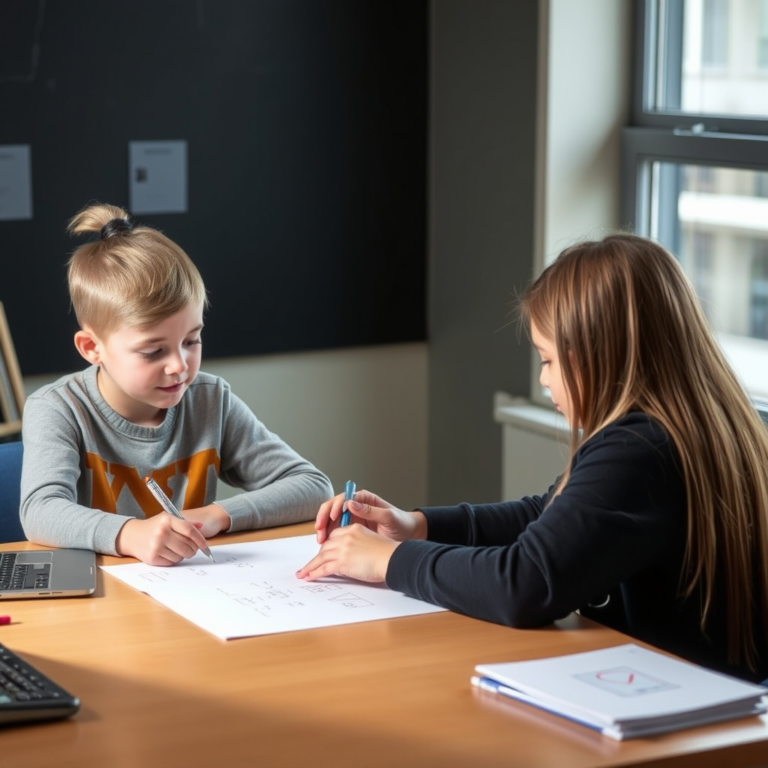
Providing a distraction-free area dedicated to studying helps your child focus on assignments more effectively. A space with good lighting, minimal noise, and all necessary supplies creates consistency and signals that learning is a priority.
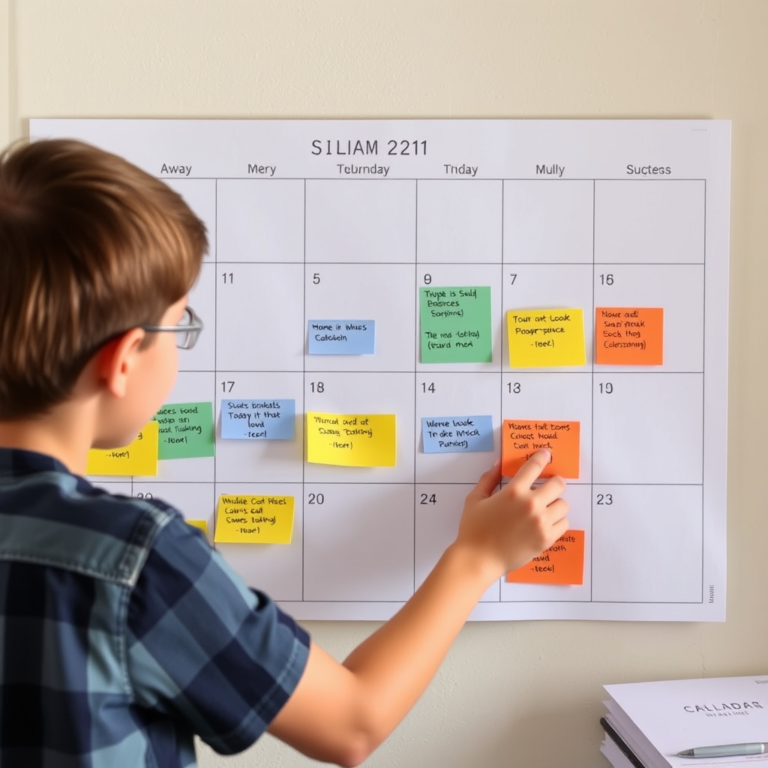
Consistency in environment reduces procrastination and aids concentration, especially for younger children who benefit from routine. Personalizing the space with motivational posters or a calendar can also encourage responsibility.
- Choose a quiet corner in the house
- Ensure adequate lighting
- Stock necessary supplies like pencils, paper, and calculator
- Limit distractions such as TV or smartphones
Establishing Daily Routines
Daily routines build a rhythm that balances study time with breaks and extracurricular activities. A regular schedule helps your child anticipate and prepare for study sessions, reducing stress and resistance toward homework.
Including consistent bedtimes and meal times strengthens overall well-being, which directly impacts academic performance and attention span during learning periods.
- Set fixed homework hours each day
- Incorporate short breaks during study
- Include time for physical activity
- Maintain consistent sleep schedules
Communicating and Partnering with Teachers

Scheduling Regular Check-ins
Frequent communication with your child’s teachers ensures you stay informed about their academic progress and social development. Early identification of issues prevents them from escalating into major problems.
Whether through emails, phone calls, or parent-teacher conferences, proactive engagement shows your child that you value their education and supports collaboration in problem-solving.
- Ask about academic strengths and weaknesses
- Inquire about classroom behavior
- Discuss helpful at-home strategies
- Request resources for additional support
Encouraging Open Dialogue with Your Child
Fostering honest conversations about school experiences allows your child to express concerns or challenges they might hesitate to share otherwise. Open dialogue helps build trust and reveals areas where extra help might be needed.
Make it a habit to ask open-ended questions about their day, friendships, and homework without pressuring them. This approach nurtures motivation and emotional well-being.
- Ask specific questions about subjects
- Listen more than you speak
- Celebrate successes and address worries calmly
- Create a judgment-free zone at home
Setting Realistic Goals and Tracking Progress
Breaking Down Academic Goals
Helping your child set realistic, attainable goals for each subject fosters motivation without creating overwhelm. Short-term objectives like finishing a project or improving quiz scores lay the groundwork for bigger ambitions.
Goal-setting teaches time management and accountability while encouraging incremental progress. Celebrating milestones boosts your child's confidence and reinforces positive habits.
- Define clear, specific goals
- Focus on effort over perfection
- Include both academic and behavioral targets
- Review and adjust goals regularly
For more on this, see our related guide: How to Choose an Elementary Math Tutor in Doral FL for Your Child’s Success.
Using Tools to Monitor Progress
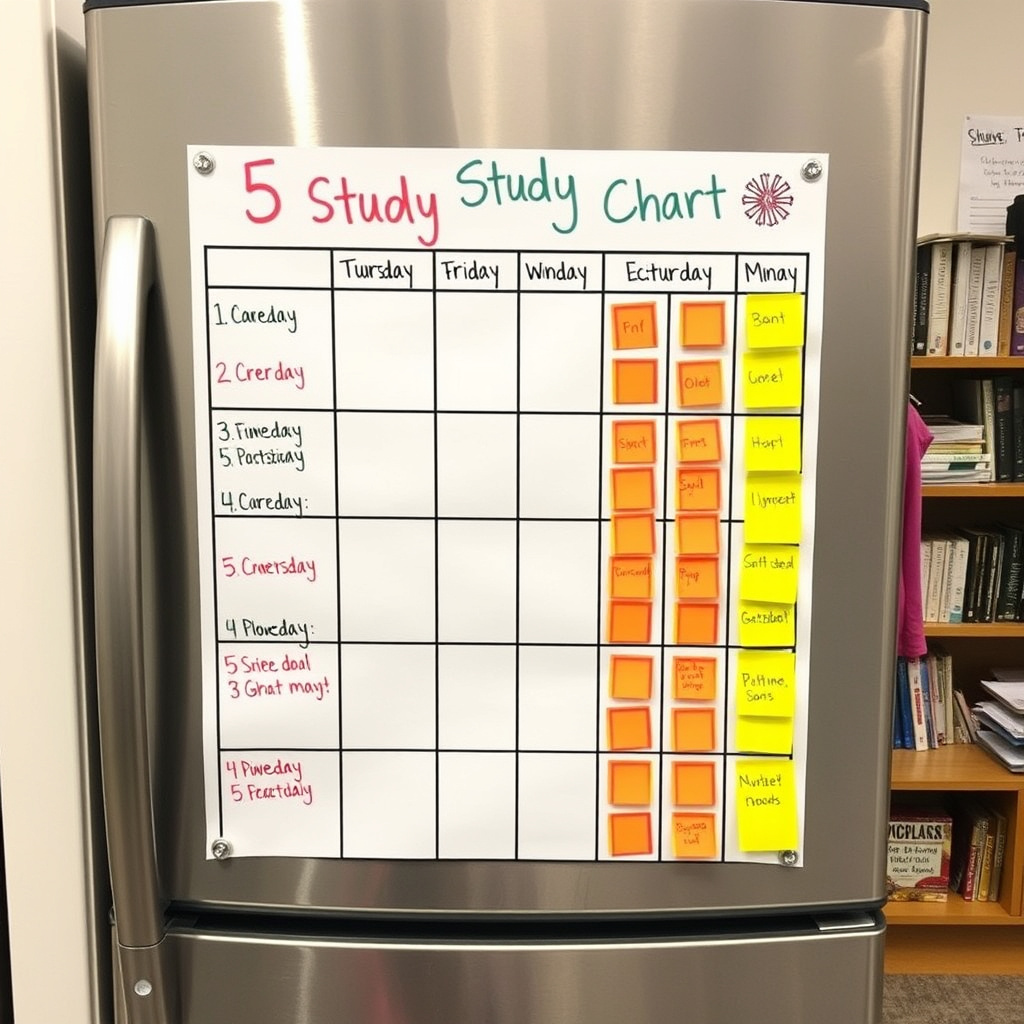
Maintaining a system for tracking homework completion, test results, and teacher feedback helps identify strengths and areas needing attention. Visual tools like charts or apps can motivate children by showing tangible improvement.
Parents can also use progress reports and report cards to celebrate achievements and address struggles proactively. Monitoring progress builds a sense of responsibility in your child.
- Use homework planners or digital calendars
- Create progress charts
- Regularly review grades and feedback
- Encourage reflection on learning habits
Promoting Effective Study Habits and Motivation

Teaching Time Management and Study Techniques
Helping your child learn time management skills such as prioritizing tasks and avoiding multitasking improves focus and productivity. Introducing study techniques like summarizing information or quizzing themselves enhances retention.
These habits are critical for academic success and transfer well beyond school. Encouraging your child to experiment with different methods helps discover what works best individually.
- Use timers to break study sessions
- Practice active recall with flashcards
- Organize notes visually
- Avoid last-minute cramming
Encouraging Intrinsic Motivation
Intrinsic motivation, or learning driven by internal satisfaction rather than external rewards, is key to enduring academic success. Supporting curiosity, praising effort, and linking subjects to real-world applications nurtures this motivation.
Avoid excessive pressure or punishment, which can cause anxiety and disengagement. Instead, focus on building a growth mindset where challenges are welcomed as opportunities to improve.
- Praise progress rather than grades
- Relate lessons to your child’s interests
- Set challenges that are within reach
- Model enthusiasm for learning
Addressing Challenges and Supporting Well-being

Recognizing and Managing Stress
School-related stress can negatively impact your child's concentration and motivation. Identifying signs like irritability, sleep issues, or avoidance helps address problems early. Teaching coping skills such as deep breathing or time-outs can alleviate anxiety.
Encouraging relaxation and balancing academics with hobbies maintains mental health, which is foundational for sustained school success.
- Watch for behavioral changes
- Encourage talking about feelings
- Teach relaxation techniques
- Maintain a balanced daily schedule
Supporting Children with Learning Difficulties
Some children face unique challenges such as dyslexia, ADHD, or processing disorders that require tailored support. Early evaluation by professionals and creating individualized plans help these students access learning effectively.
Partnering with the school to implement accommodations and providing personalized encouragement at home strengthen confidence and academic outcomes.
- Observe learning patterns
- Consult educational specialists
- Use assistive technology if needed
- Maintain positive reinforcement
Leveraging Extracurricular Activities for Growth

Choosing Activities That Complement Academics
Extracurricular activities can improve skills like teamwork, time management, and creativity. Selecting options that align with your child's interests and strengths enhances engagement and overall development without causing burnout.
Activities like sports promote physical health while arts and clubs can boost cognitive and social skills, contributing to well-rounded academic performance.
- Balance extracurriculars with study time
- Involve your child in the selection process
- Monitor for signs of fatigue
- Encourage trying new experiences
For additional detailed advice and resources on how to help your child succeed, visit the U.S. Department of Education’s parent support page. help your child succeed.
Building Social Skills and Confidence
Participation in group activities fosters communication, leadership, and problem-solving abilities. These skills translate into improved classroom interaction and participation, enriching your child's school experience.
Social connections formed through extracurriculars also provide emotional support and a sense of belonging, key factors in academic motivation.
- Encourage teamwork activities
- Support public speaking opportunities
- Promote accountability within groups
- Celebrate social achievements
Comparison of Support Strategies for Child School Success
This table contrasts different types of parental support approaches and their typical benefits and limitations.
| Support Strategy | Focus Area | Benefits | Challenges |
|---|---|---|---|
| Creating Study Environment | Home setup and routines | Improves concentration and consistency | Requires space and discipline |
| Teacher Communication | Academic progress and behavior | Early problem detection and collaboration | Needs scheduling and proactive effort |
| Goal Setting | Motivation and accountability | Builds confidence and time management | May cause pressure if unrealistic |
| Study Habits Coaching | Learning techniques and focus | Enhances retention and efficiency | Needs patience and adaptability |
| Emotional Support | Stress and well-being | Promotes resilience and motivation | Hard to gauge internal feelings |
| Extracurricular Involvement | Skill development and socialization | Fosters holistic growth and confidence | Can lead to time conflicts or burnout |
Frequently Asked Questions
How much time should my child spend on homework daily?
Homework time varies by age and school level. Generally, 20-30 minutes for younger children and up to 1-2 hours for high schoolers is typical. Consistency is more important than duration.
What if my child is struggling with motivation?
Motivation improves through positive reinforcement, connecting learning to interests, and setting achievable goals. Avoid harsh criticism and encourage open communication.
How can I support my child's learning without doing their work?
Provide guidance by helping organize tasks, clarifying instructions, and encouraging problem-solving instead of completing assignments for them.
Are extracurricular activities necessary for academic success?
While not mandatory, extracurriculars develop social skills, discipline, and confidence that benefit academic performance if balanced properly with schoolwork.
When should I seek professional help for my child's learning difficulties?
If your child shows persistent challenges despite your support, such as trouble reading or focusing, consult educators or specialists for evaluation and tailored interventions.
Key Takeaways
- A supportive environment and consistent routines boost academic focus.
- Active communication with teachers and your child strengthens cooperation.
- Setting realistic goals builds motivation and responsibility.
- Balancing study habits with well-being and extracurriculars fosters success.
Conclusion
Supporting your child’s success in school involves multiple interrelated approaches that cater to their academic, emotional, and social needs. By creating a dedicated homework space, establishing routine, and maintaining communication with teachers, you lay the groundwork for positive learning experiences. Setting manageable goals and teaching effective study habits complement these efforts, while addressing stress and challenges safeguards mental well-being. This holistic approach is essential for fostering lasting success and confidence.
Specific strategies like designing a distraction-free homework area and scheduling regular check-ins with educators can make a tangible difference. If your child struggles with motivation or learning barriers, personalized goals and professional support prove invaluable. Additionally, encouraging participation in extracurricular activities nurtures essential skills beyond academics. These methods collectively support improving children's academic performance by blending structure, engagement, and empathy.
To begin, assess your current support system and identify areas for improvement such as communication with teachers or creating a better study environment. Start small by implementing one achievable change, like a consistent homework time or goal chart. Continuously adapt your approach based on your child’s responses and progress to cultivate their growth mindset and academic success.