How to Improve Basic Math Skills Fast and Effectively
Improving basic math skills starts with focused practice on fundamental concepts like addition, subtraction, multiplication, and division. Establishing a strong grasp on these operations is essential for tackling more complex problems with ease. You can improve your math skills by daily exercises, using practical tools, and engaging in activities that strengthen numerical understanding.
Basic math abilities play a vital role in daily life, from managing finances to problem-solving at work or school. Strengthening these skills increases speed and accuracy, reducing anxiety around numbers. Understanding how to approach math incrementally helps transform confusion into confidence and makes learning enjoyable rather than intimidating.
This article breaks down effective methods to build your math foundation, covering helpful resources, the best practice strategies, common pitfalls to avoid, and tools to track your improvement. Whether you're a student, a professional, or simply looking to sharpen essential skills, these tips aim to guide you step-by-step toward better numerical fluency.
Understanding Core Concepts of Basic Math Skills
Mastering Fundamental Operations
The base of all math proficiency is a solid understanding of addition, subtraction, multiplication, and division. Mastery means being able to perform these quickly and correctly without hesitation. It helps to use visual aids like number lines or counters to see how these operations work in practical terms.
Repetition of these fundamental calculations in different formats strengthens recall and builds automaticity. For example, learning multiplication tables by heart or practicing subtraction with real-life examples cements understanding and helps tackle more challenging math tasks.
- Memorize addition and subtraction facts up to 20
- Practice multiplication tables daily
- Use physical objects for hands-on calculations
- Relate math operations to everyday activities
Recognizing Number Patterns and Relationships
Spotting patterns in numbers, such as sequences or relationships like even and odd numbers, primes, or multiples, deepens your comprehension of how numbers function together. This recognition aids in problem-solving and helps predict results more efficiently.
Engaging with puzzles or games that encourage identifying these patterns turns abstract math into a tangible experience. It also builds analytical skills that go beyond basic arithmetic and are used in higher-level math.
- Explore number sequences
- Identify factors and multiples
- Practice recognizing odd and even numbers
- Solve pattern-based math puzzles
Effective Math Practice Techniques for Improvement
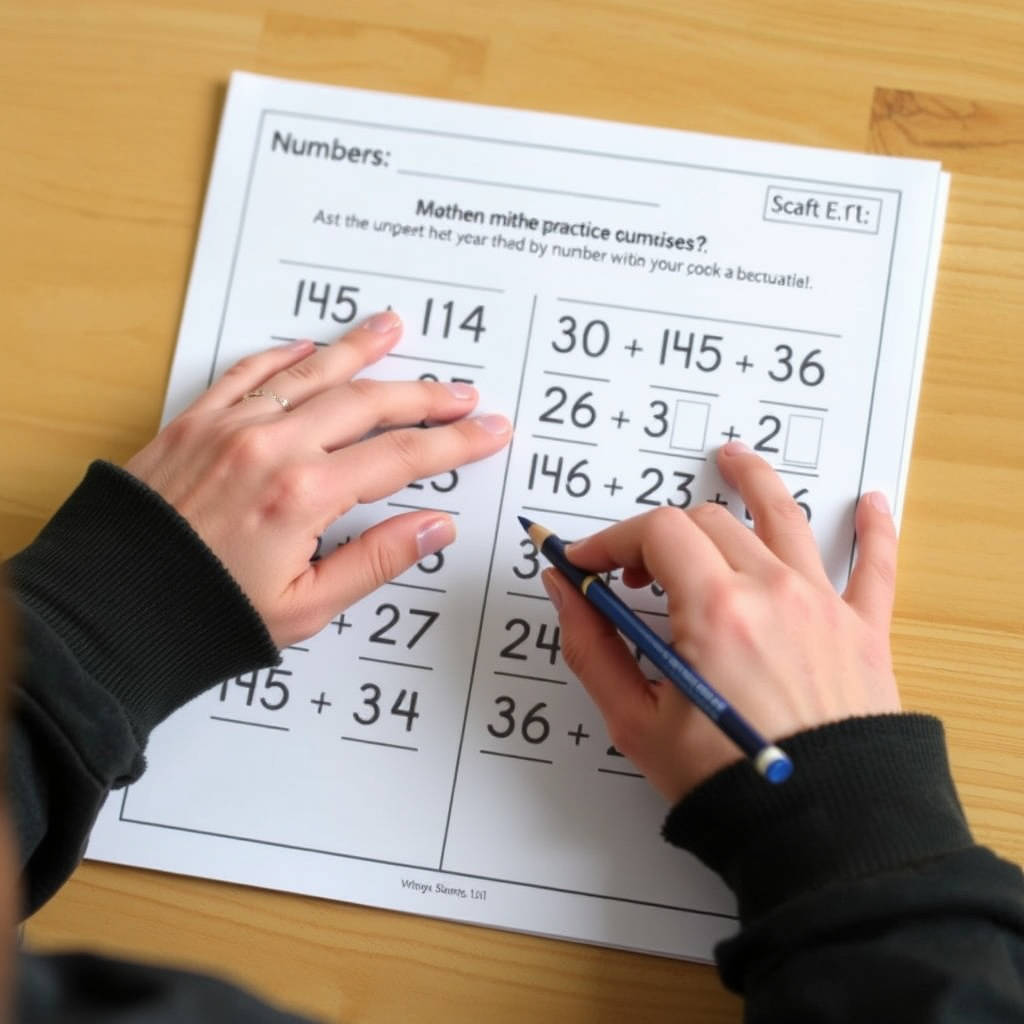
Consistent Daily Practice
Regular short sessions of math practice are more productive than occasional long drills. Daily exercises keep the skills fresh and steadily enhance speed and accuracy. Using timed sets of problems can also develop quick mental calculation abilities.
Incorporate a variety of problems to maintain engagement and cover different aspects of basic math. Apps, workbooks, or online platforms offer adaptable practice suited for your skill level.
- Practice math problems for 15-20 minutes daily
- Focus on speed and accuracy in timed drills
- Use diverse question types
- Track progress to stay motivated
Using Real-Life Applications
Applying math to real-world tasks reinforces its value and makes learning meaningful. Activities such as budgeting, cooking measurements, or calculating distances help relate numerical concepts to daily needs.
This approach also improves problem-solving skills since real-life scenarios often require flexible thinking rather than straightforward computation.
- Calculate grocery bills and discounts
- Measure ingredients using fractions
- Plan travel distances and times
- Estimate expenses and savings
Leveraging Technology to Boost Basic Math Skills

Educational Apps and Online Tools
There are many apps designed to strengthen basic math skills through interactive problems and instant feedback. These platforms adapt to your level and offer fun challenges that keep you engaged.
Using technology allows you to practice anywhere and can supplement traditional study methods. Features like progress tracking and rewards help sustain motivation.
- Explore apps like Khan Academy, Mathway, or Prodigy
- Use video tutorials for concept explanations
- Access quizzes that adjust difficulty
- Check progress reports frequently
For more on this, see our related guide: How to Choose an Elementary Math Tutor in Doral FL for Your Child’s Success.
Incorporating Games and Gamified Learning
Math games transform practice into entertainment, encouraging longer and more enthusiastic participation. Many games focus on specific skills like addition or multiplication and provide immediate reinforcement.
Gamification leverages competition and reward systems, which can boost persistence and focus. This method particularly benefits learners who respond well to playful challenges.
- Try math board games for logical reasoning
- Use apps with points and levels
- Participate in math challenges or competitions
- Mix gaming with focused study sessions
Addressing Common Challenges When Improving Math Skills

Overcoming Math Anxiety
Many learners struggle with negative feelings toward math, which hinder progress. Coping strategies include breaking problems into smaller steps and practicing with supportive resources.
Building confidence by celebrating small achievements encourages persistence. Patience and a positive mindset are key to gradually reducing anxiety and improving skill.
- Take deep breaths before solving problems
- Focus on understanding, not perfection
- Seek help from tutors or peers
- Use encouraging self-talk
Avoiding Common Mistakes
Repeated errors like misreading problems or rushing calculations slow learning. Careful review and attention to detail prevent these pitfalls.
Practicing error analysis helps identify frequent mistakes, allowing targeted correction. Slowing down and verifying answers improve accuracy over time.
- Read questions fully before answering
- Double-check calculations
- Work slowly on new concepts
- Keep a log of typical mistakes
Tracking Progress and Measuring Improvement in Basic Math Skills
Using Assessment Tools Regularly
Periodic testing identifies strengths and weaknesses and shows growth. Standardized quizzes or practice tests at intervals reveal which areas need more attention.
Consistent assessments also motivate learners by making improvements visible and highlight specific skill gaps for focused study.
- Take weekly or monthly practice quizzes
- Use online timed tests
- Compare results to previous assessments
- Adjust practice based on scores
For more on this, see our related guide: How to Find the Best Math Tutor in Doral FL for Your Needs.
Keeping a Math Journal
Recording solutions, challenges, and learned concepts helps internalize skills. A math journal serves as a personalized resource to revisit topics and track progress over time.
Writing reflections about mistakes and breakthroughs fosters self-awareness and reinforces learning.
- Write out problem-solving steps
- Note areas of difficulty
- Log improvements and milestones
- Review journal before new practice sessions
Enhancing Basic Math Skills Through Collaborative Learning

Participating in Study Groups
Working with peers allows sharing different approaches and clarifying doubts quickly. Study groups create a supportive environment that encourages asking questions and trying new methods.
Explaining concepts to others also strengthens your own understanding and exposes gaps that need review.
- Join or form math study circles
- Discuss challenging problems collaboratively
- Teach peers to reinforce skills
- Benefit from diverse problem-solving styles
For more detailed insights on foundational math concepts, see this basic math skills overview. basic math skills overview.
Using Tutors and Mentors Effectively
One-on-one instruction provides personalized guidance tailored to specific learning needs. Tutors can break down complex topics and offer targeted practice.
Mentors motivate and keep learners accountable, helping set achievable goals and encouraging steady progress.
- Schedule regular tutoring sessions
- Focus on weak areas with expert help
- Set clear, measurable objectives
- Track progress together
Comparison of Basic Math Skill Improvement Methods
This table compares popular methods to improve basic math skills, highlighting their key advantages and ideal users.
| Method | Best For | Advantages | Considerations |
|---|---|---|---|
| Daily Practice | Independent learners | Builds consistent skill, improves speed | Requires discipline and motivation |
| Real-Life Applications | Practical learners | Makes math relevant, enhances problem-solving | May lack structured approach |
| Educational Apps | Tech-savvy learners | Interactive, adaptive feedback | Can be distracting without focus |
| Study Groups | Social learners | Peer support, diverse perspectives | Depends on group dynamics |
| Tutors and Mentors | Personalized learners | Tailored help, goal-oriented | Can be costly or limited access |
Frequently Asked Questions
How long does it take to improve basic math skills?
Improvement varies by individual, but with consistent daily practice, noticeable progress can occur within a few weeks to a couple of months.
Are calculators helpful when improving basic math?
Calculators can assist in checking work but relying on them too early may hinder mental math development; it's best to first build strong manual skills.
What are the best resources for math practice?
Books, educational apps like Khan Academy, worksheets, and online quizzes provide diverse practice opportunities suited for all levels.
How can I stay motivated to practice math regularly?
Setting small goals, tracking progress, and incorporating games or group study make practice more enjoyable and help maintain motivation.
Is it better to focus on speed or accuracy when practicing math?
Accuracy should come first to build correct understanding; speed improves naturally over time as you become more confident.
Key Takeaways
- Consistent practice of basic operations is essential for improvement.
- Applying math in everyday situations enhances understanding.
- Technology and games can make practice engaging and effective.
- Tracking progress and addressing mistakes boosts skill growth.
Conclusion
Improving your basic math skills begins with understanding and practicing fundamental operations like addition, subtraction, multiplication, and division. Establishing accuracy and confidence through daily, focused exercises creates a foundation that supports further math learning. Adopting a patient and systematic approach helps reduce frustration while promoting steady development in numerical ability.
Depending on your learning style and schedule, different strategies work best. Using real-life applications helps make math relatable, educational apps provide interactive and adaptive support, and study groups or tutors offer personalized encouragement and guidance. Consistency and variety combined with mindful review help address gaps efficiently while reinforcing what you already know.
The best next step is to pick one or two approaches from this guide that suit your preferences and commit to small, regular practice sessions. Keep a record of your progress and celebrate improvements to stay motivated. Over time, these habits will transform your basic math skills and boost your confidence in handling numbers every day.