How to Understand Algebra: A Clear Guide to Mastering Basic Concepts
Understanding algebra involves grasping how to manipulate symbols, usually letters, to represent numbers and solve equations. At its core, algebra is about identifying patterns and relationships between quantities, allowing you to solve for unknown values using logical steps. Once you comprehend this, you unlock the ability to tackle various problems in math and real-life scenarios.
Algebra matters because it forms the foundation for higher mathematics and many fields such as science, engineering, and economics. Without a solid understanding of algebra, progressing in these areas becomes much more challenging. Grasping how variables and constants relate helps build critical thinking and problem-solving skills valuable beyond the classroom.
This article will cover simple explanations of key algebraic concepts, practical methods for learning and practice, and common challenges learners face. We’ll discuss how to work with expressions, equations, and functions along with tips to build confidence and mastery in algebra.
Understanding Algebraic Expressions
What Are Algebraic Expressions?
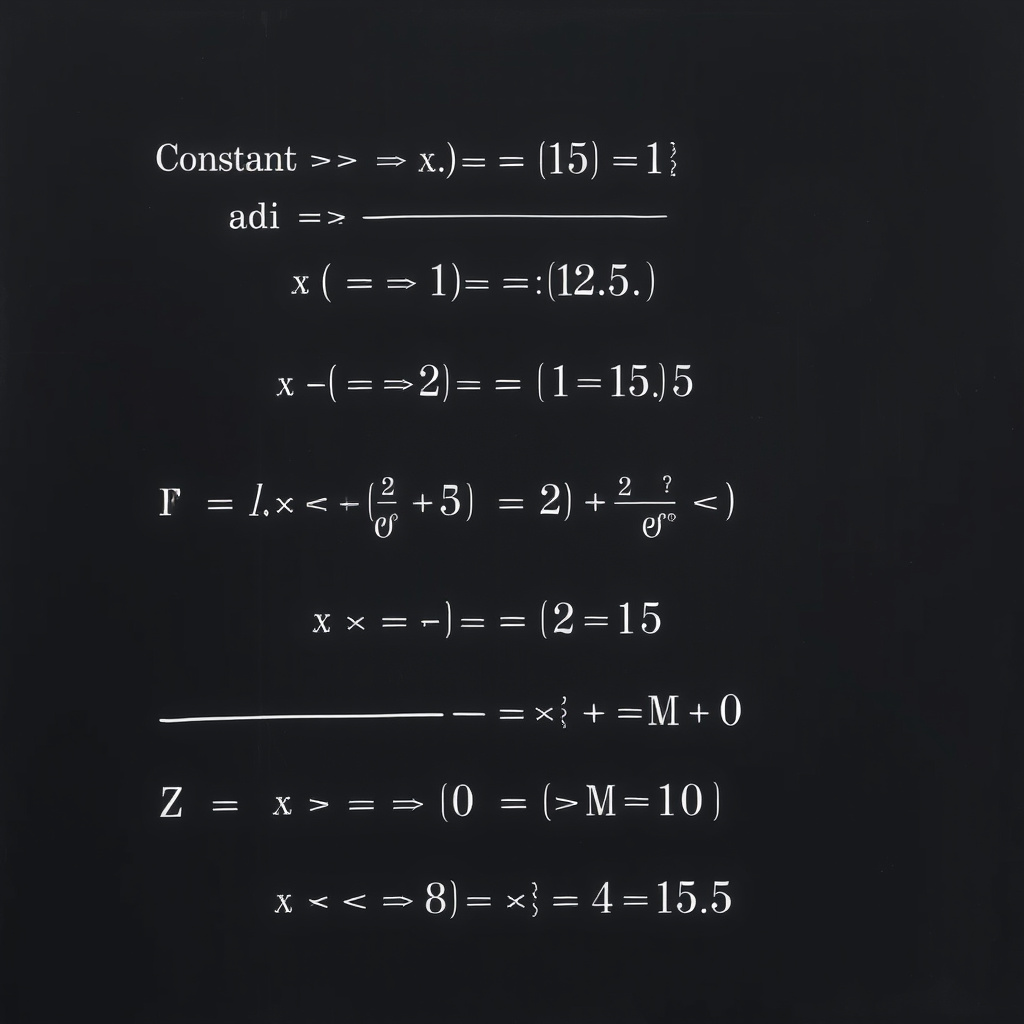
Algebraic expressions combine numbers, variables (like x or y), and arithmetic operations such as addition or multiplication. For example, 3x + 5 is an algebraic expression where 3 is the coefficient, x is the variable, and 5 is a constant term. Expressions don’t have equality signs.
Grasping expressions helps you learn how to represent general numbers and build equations. Recognizing terms and how to simplify them through combining like terms or distributing factors is essential to solving algebra problems.
- Variables represent unknowns or changing values
- Coefficients are numbers multiplied by variables
- Constants are fixed numbers
- Operations include addition, subtraction, multiplication, and division
Simplifying and Evaluating Expressions
Simplifying means rewriting an expression in a cleaner, easier form without changing its value. This often involves combining like terms and applying the distributive property. For example, 2x + 3x simplifies to 5x.
Evaluating an expression substitutes numbers for variables to calculate a numerical value. For instance, if x is 4 in 3x + 5, you calculate 3×4 + 5 = 17. Both simplification and evaluation build your confidence in handling algebraic expressions.
- Combine like terms
- Use the distributive property (a(b + c) = ab + ac)
- Plug in values for variables to evaluate
Solving Basic Algebraic Equations

What Is an Algebraic Equation?
An algebraic equation states that two expressions are equal, denoted by an equals sign (=). The goal is to find the value of the variable that makes the equation true, such as solving 2x + 3 = 7.
Understanding equations involves manipulating both sides equally to isolate the variable. This balancing act keeps the equation valid while simplifying it to a point where you can determine a clear answer.
- Equations include an equals sign (=)
- Variables represent unknown values to solve for
- Solution satisfies the equality when substituted
For more on this, see our related guide: How to Get Effective Math Homework Help Fast and Easily.
Techniques for Solving Equations
The main method is to perform inverse operations, like subtracting or dividing, to get the variable alone on one side. For example, starting with 2x + 3 = 7, subtract 3 from both sides then divide by 2 to find x = 2.
Checking your solution by substituting it back into the original equation confirms it balances both sides. Mastering these techniques sets a strong foundation for tackling more advanced algebra topics.
- Isolate the variable using inverse operations
- Perform the same operation on both sides
- Always check your solution by substitution
Working with Functions and Graphs
Understanding Functions in Algebra
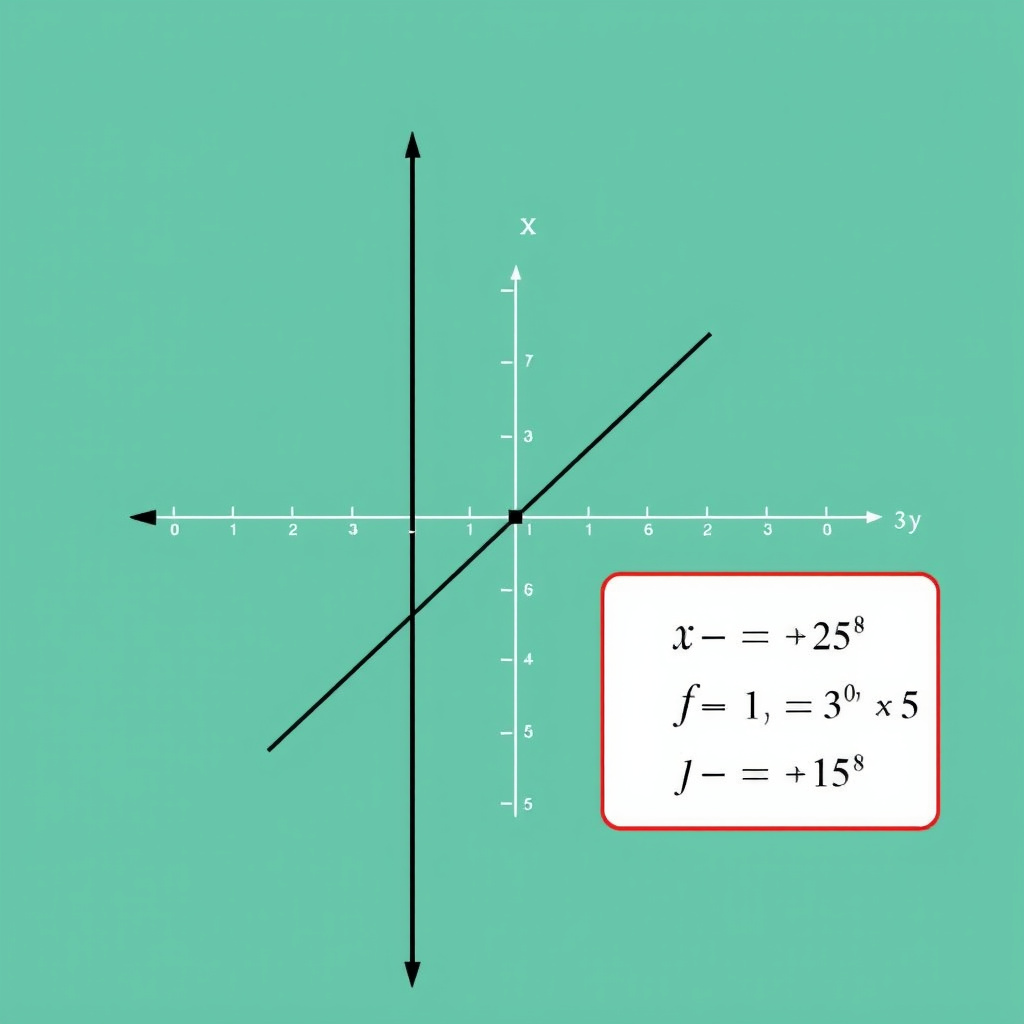
Functions describe relationships where each input corresponds to exactly one output. In algebra, they are often written as f(x) to show dependent values, like f(x) = 2x + 1, where y depends on x.
Learning functions helps you model real-world situations like calculating costs or distances and prepares you for learning about graphing and calculus.
- Function notation: f(x)
- Input-output relationship
- Linear and nonlinear functions
Plotting and Interpreting Graphs
Graphs visually show how functions behave. Plotting points for various x-values on a coordinate plane and connecting them represents the function’s pattern. For simple linear functions, this is typically a straight line.
Interpreting graphs lets you understand slopes, intercepts, and trends, which is key in algebra and beyond for analyzing data or solving problems visually.
- Use a coordinate plane with x and y axes
- Plot points from function outputs
- Analyze slope and intercept for linear graphs
Common Challenges and How to Overcome Them

Understanding Abstract Concepts
Many find algebra challenging due to its abstract nature with symbols instead of concrete numbers. This can feel overwhelming initially because it requires thinking beyond specific values to general rules.
Visual aids, step-by-step examples, and relating algebra to everyday problems help make the abstract more tangible. Practicing regularly also gradually builds familiarity and comfort with these concepts.
- Use visual representations
- Relate problems to real-life contexts
- Practice consistently for improvement
For more on this, see our related guide: How to Choose a Tutor for Struggling Students: A Practical Guide.
Avoiding Common Mistakes
Errors often happen when rules like the distributive property or sign changes are forgotten during solving. Ignoring the balance of equations by only changing one side is another frequent issue.
Careful checking of each step, slowing down to apply rules deliberately, and reviewing mistakes to understand causes prevents recurring errors and develops solid algebra skills.
- Watch for sign changes (-, +)
- Apply operations to both sides equally
- Review mistakes to learn from them
Practical Tips for Learning Algebra Effectively

Using Resources and Practice Tools
Leveraging textbooks, online tutorials, interactive exercises, and math apps makes learning algebra more engaging and accessible. These tools offer explanations, examples, and the chance to try problems at your own pace.
Regular practice with feedback reinforces concepts and helps identify weak areas. Consistent effort is key to moving from basic algebra concepts to solving complex problems confidently.
- Online video tutorials and courses
- Interactive problem-solving apps
- Practice worksheets and quizzes
For more detailed historical and technical information, you can explore the Algebra article on Wikipedia. Algebra article on Wikipedia.
Building Conceptual Understanding
Focus on understanding the why behind procedures, not just memorizing steps. Knowing why the distributive property works or the reason behind balancing equations builds deeper mathematical thinking.
Discuss concepts with peers or teachers and teach others to deepen your grasp, making abstract ideas easier to retain and apply across different problems.
- Ask questions about underlying principles
- Explain concepts aloud or in writing
- Engage in group study or tutoring sessions
Types of Algebra Learning Approaches Compared
Different learning styles and resources help grasp algebra concepts with varied effectiveness and engagement.
| Approach | Best For | Pros | Cons |
|---|---|---|---|
| Textbooks | Self-paced learners | Detailed explanations; structured content | Can be dense; less interactive |
| Online Tutorials | Visual and auditory learners | Engaging; often free; flexible timing | May lack depth; quality varies |
| Interactive Apps | Hands-on practice | Immediate feedback; gamified learning | May oversimplify concepts |
| Group Classes | Social learners | Peer support; direct Q&A | Fixed schedule; may move too fast or slow |
Frequently Asked Questions
What is the best way to start learning algebra?
Begin by understanding basic terms like variables, constants, and expressions before moving on to solving simple equations. Using clear examples and practicing regularly lays a strong foundation.
How can I improve if I find algebra confusing?
Break problems into smaller steps, use visual aids like graphs, and seek resources such as tutoring or online videos that explain concepts slowly and clearly.
Is memorizing formulas enough to understand algebra?
Memorizing formulas helps, but understanding the reasoning behind them is critical for applying concepts correctly and solving unfamiliar problems.
Can algebra help with real-life situations?
Absolutely. Algebra helps in budgeting, measuring distances, calculating interests, and analyzing data patterns in everyday life.
How often should I practice algebra to see improvement?
Daily short practice sessions, even 15-30 minutes, are more effective than infrequent long sessions. Consistency builds skills and retention.
Key Takeaways
- Algebra is about understanding and manipulating symbols to solve for unknowns.
- Grasping algebraic expressions and equations is foundational to progress.
- Functions and graphs visualize relationships between variables.
- Regular practice and conceptual understanding build lasting algebra skills.
Conclusion
Choosing how to approach learning algebra depends on your comfort with abstract thinking and your preferred learning style. Focus on mastering the fundamental concepts of expressions and equations, and use a mix of visual and practical methods to reinforce understanding. Staying patient and persistent is key, since algebra introduces a new way of thinking that takes time to become natural.
For beginners, starting with straightforward algebraic expressions and simple equations helps build confidence. Resources like interactive apps and online videos can make these basic algebra concepts more engaging. Advancing to functions and graphing provides useful tools to see the connections between numbers visually, enhancing comprehension and problem-solving abilities.
Take the next step by selecting a learning method that fits your style, whether that means following an organized textbook, joining group classes, or practicing with an app. Consistent, focused practice paired with seeking explanations that resonate with your understanding will make algebra less intimidating and more accessible.