How to Deal with Test Anxiety: Practical Strategies for Calm and Confidence
Test anxiety can impact your ability to perform well on exams, but you can manage it with the right methods. How to deal with test anxiety starts with understanding your anxiety triggers and adopting focus techniques that calm your mind before and during the test.
This matters because test anxiety doesn’t just cause nervousness—it can lead to blanking out, poor concentration, and lower scores. By addressing it early, you protect your performance and mental well-being, which are essential for academic success.
This article explores practical steps including preparation habits, calming exercises, mindset shifts, and lifestyle changes. These strategies will help you control anxiety symptoms and approach exams with confidence and clarity.
Understanding Test Anxiety and Its Effects

What Causes Test Anxiety?
Test anxiety arises from a combination of psychological and physiological responses to exam pressure. Fear of failure, high expectations, lack of preparation, and past negative experiences can trigger this stress reaction.
Biological symptoms such as increased heart rate, sweating, and difficulty focusing are common. Recognizing these signals early helps you address anxiety before it compromises your performance.
- Fear of underperforming
- Pressure to meet expectations
- Negative past test experiences
- Physical symptoms like nausea and rapid heartbeat
How Anxiety Affects Exam Performance
Anxiety activates the body's stress response, which can disrupt memory recall and problem-solving abilities. This makes it harder to concentrate and increases the chance of mistakes during a test.
Understanding that anxiety impairs cognitive function allows you to take proactive measures. Managing stress levels preserves mental clarity and improves your chances of success.
Preparation Strategies to Reduce Test Anxiety

Effective Study Habits for Confidence
Consistent, planned study sessions build familiarity with material and reduce last-minute cramming, a common anxiety trigger. Breaking content into manageable chunks and using active recall improves retention.
Scheduling regular reviews ahead of the exam keeps stress lower. Confidence grows as you recognize your grasp of the subject, allowing anxiety to fade.
- Create a realistic study timetable
- Use flashcards and practice tests
- Focus on weak areas early
- Avoid all-night study marathons
The Power of Practice Tests
Simulated exams expose you to test conditions, reducing uncertainty. They train you to manage time and pace yourself, which eases feelings of being overwhelmed on the actual test day.
Reviewing incorrect answers highlights areas needing improvement. Continual practice strengthens both knowledge and your ability to remain calm during pressure.
- Replicate exam timing and environment
- Analyze mistakes to prevent repeats
- Gradually increase difficulty of practice tests
- Use online resources or past papers
Techniques to Stay Calm During the Exam
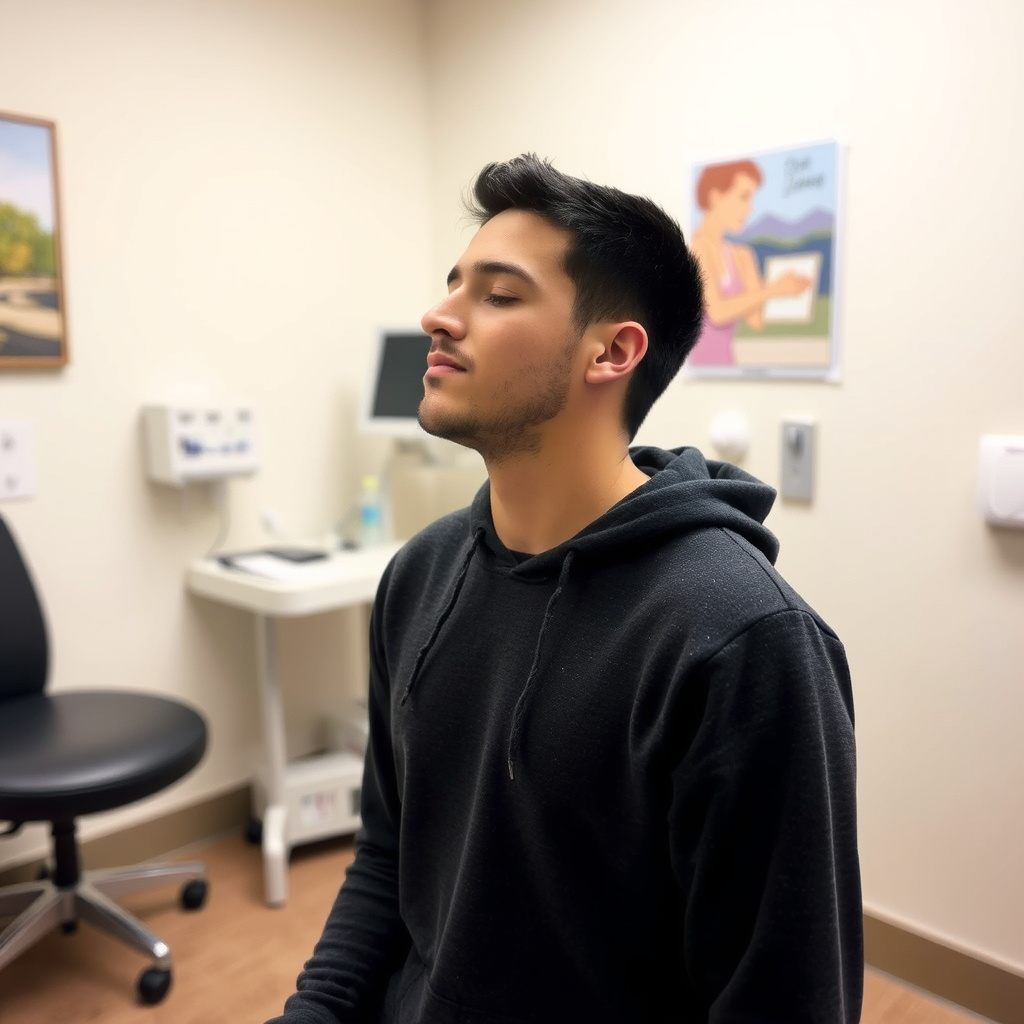
Breathing and Mindfulness Exercises
Deep breathing slows heart rate and lowers adrenaline, creating a relaxed mental state. Simple techniques like inhaling deeply for four seconds and exhaling slowly can be done discreetly in exam rooms.
Mindfulness keeps your attention on the present moment rather than worrisome thoughts. This focus minimizes anxiety and improves concentration on exam questions.
- 4-7-8 breathing technique
- Body scan meditation
- Awareness of thoughts without judgment
For more on this, see our related guide: How to Choose the Best Test Preparation Tutor in Doral FL for Effective Results.
Positive Self-Talk and Visualization
Replacing negative internal dialogues with positive affirmations can change your mindset. Telling yourself “I am prepared” or “I can handle this” fosters confidence.
Visualization involves picturing yourself succeeding and calmly answering questions. This mental rehearsal reduces fear and primes your brain for success.
- Affirmations to boost confidence
- Imagining a smooth exam experience
- Replacing 'what if' worries with positive outcomes
Lifestyle Adjustments to Support Anxiety Management

Importance of Sleep and Nutrition
Adequate sleep enhances memory consolidation and emotional regulation. Poor rest increases anxiety and impairs focus, making exam challenges harder to face.
Balanced meals rich in protein, whole grains, and vitamins fuel the brain for better cognitive function. Avoid excessive caffeine or sugar, which can trigger jitteriness.
- Aim for 7-9 hours of sleep nightly
- Eat regular, balanced meals
- Limit caffeine before and during exam days
Regular Physical Activity Benefits
Exercise releases endorphins that reduce stress and promote relaxation. Physical activity also improves overall mood and energy levels, combating feelings of anxiety.
Even short daily walks or stretching can provide mental breaks and clear racing thoughts during intense study periods.
- 30 minutes of moderate exercise daily
- Incorporate stretching or yoga
- Use movement as a stress relief tool
Seeking Support and Professional Help

Talking to Educators and Peers
Sharing your concerns with teachers can open doors to accommodations like extra time or a quiet testing space. Fellow students may offer study tips or emotional support.
Building a study group creates a sense of community, reducing isolation. Open discussion about anxiety normalizes the feelings, making them less intimidating.
- Request test accommodations if needed
- Form or join study groups
- Communicate openly about challenges
For more on this, see our related guide: How to Choose a Tutor for Struggling Students: A Practical Guide.
When to Consider Counseling or Therapy
If test anxiety severely disrupts daily functioning, professional help provides strategies like cognitive-behavioral therapy to reframe negative thoughts.
Mental health professionals can tailor approaches and teach coping mechanisms beyond what self-help can offer, promoting long-term resilience.
- Seek help if anxiety causes panic attacks
- Therapists can offer personalized techniques
- Counseling may improve general stress management
Using Technology and Apps for Anxiety Reduction

Meditation and Relaxation Apps
Apps offer guided meditation and breathing exercises you can use anytime to calm nerves. Many include short sessions suited for busy students with limited time.
Features like progress tracking and reminders encourage regular practice, making stress control part of your daily routine.
- Headspace
- Calm
- Insight Timer
Organizational Tools to Reduce Exam Stress
Digital calendars and task managers help structure study plans, preventing last-minute overload. Breaking tasks visually into steps decreases feelings of being overwhelmed.
Using alerts and checklists builds a sense of achievement as you prepare, reducing exam stress.
- Trello or Asana for task tracking
- Google Calendar for scheduling
- Reminder apps for regular breaks
How to Deal with Test Anxiety on Exam Day

Pre-Exam Rituals for Calmness
Eating a balanced breakfast and avoiding caffeine spikes stabilize energy and mood. Arriving early reduces rush-induced stress and lets your mind settle.
Listening to calming music or performing relaxation exercises before entering the exam room can create a peaceful mindset.
- Eat protein-rich breakfast
- Practice deep breathing before seating
- Arrive 15-20 minutes early to avoid rushing
For a detailed overview of test anxiety, its causes, and effects, see this Wikipedia article on test anxiety. test anxiety.
Managing Time and Focus During the Test
Starting with easier questions builds momentum and confidence. If stuck, move on and return later to prevent frustration.
Using a watch to track time keeps you on pace. Keeping awareness of your physical sensations helps detect rising anxiety, allowing quick calming interventions.
- Answer questions in order of comfort
- Use time checkpoints every 20-30 minutes
- Pause briefly for slow breathing if anxious
Comparison of Test Anxiety Management Approaches
This table summarizes common methods for handling test anxiety, highlighting key features and ideal use cases.
| Approach | Key Benefits | Best For | Limitations |
|---|---|---|---|
| Preparation Strategies | Builds confidence and mastery | Students with study time available | Requires consistent effort over weeks |
| Breathing and Mindfulness | Immediate calming effect | Those needing quick anxiety relief | May need practice to be effective |
| Lifestyle Changes | Overall stress reduction | Long-term anxiety management | Effects take time to develop |
| Counseling and Therapy | Targeted, personalized support | Severe anxiety or panic issues | Time-consuming and sometimes costly |
| Technology and Apps | Convenient, guided exercises | Tech-savvy students preferring self-help | Effectiveness varies per user |
Frequently Asked Questions
Is test anxiety a common problem?
Yes, many students experience test anxiety at some point. It is one of the most frequently reported stressors related to academics and can affect anyone regardless of preparation.
Can relaxation techniques really help reduce exam anxiety?
Relaxation techniques like deep breathing and mindfulness have been scientifically shown to lower physical symptoms of anxiety, improving focus and test performance.
How soon should I start preparing to avoid test anxiety?
Starting a few weeks in advance is best to build knowledge and confidence gradually, giving you time to practice and reduce stress before exam day.
When is professional help necessary for test anxiety?
If anxiety severely impacts daily life, causes panic attacks, or does not improve with self-help methods, professional counseling or therapy is recommended.
Are there apps that can help me deal with test anxiety?
Yes, many apps offer guided meditation, breathing exercises, and organizational tools specifically designed to reduce exam stress.
Key Takeaways
- Test anxiety affects focus and memory but can be managed effectively.
- Consistent preparation and practice tests reduce exam stress.
- Simple breathing and mindfulness exercises calm nerves instantly.
- Lifestyle factors like sleep and exercise support anxiety reduction.
Conclusion
Managing how to deal with test anxiety requires combining awareness, preparation, and coping techniques tailored to your needs. Recognizing anxiety symptoms early and applying calming methods supports clearer thinking during exams and improves results. By proactively addressing both mental and physical stress, you equip yourself to face tests with resilience.
For students with moderate anxiety, establishing steady study routines and practicing mindfulness can significantly ease exam day tension. Those experiencing intense or persistent anxiety may benefit most from counseling or therapy, which provides personalized strategies. Incorporating lifestyle changes such as regular sleep schedules and physical activity complements these approaches for balanced mental health.
Start by identifying which strategies resonate with your unique challenges. Experiment with relaxation apps, build a practical study plan, and talk openly with educators or counselors if needed. With these steps, test anxiety becomes manageable rather than overwhelming, helping you perform to your true potential when it matters most.