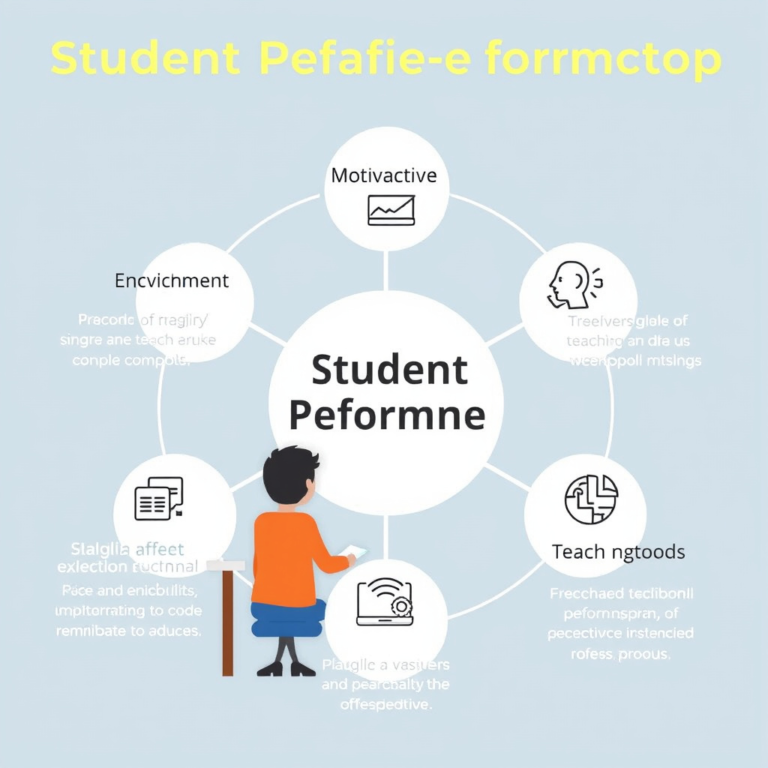
The Benefits of Tutoring: How Personalized Learning Boosts Academic Success
Tutoring provides tailored academic support that helps students grasp difficult concepts more effectively than classroom learning alone. By focusing on individual learning styles and pacing, tutoring enhances understanding, improves grades, and builds confidence.
Many students struggle to keep pace with standard classroom instruction, which can limit their potential. Tutoring bridges gaps in knowledge and provides personalized strategies to develop study habits and critical thinking, essential for long-term academic success.
This article explores the key benefits of tutoring, including academic improvement, personalized attention, motivation, skill development, and how tutoring adapts to different learner needs. Understanding these benefits can help parents and students decide if tutoring is the right choice.
Academic Improvement Through Tutoring

Targeted Support for Learning Challenges
Tutoring offers a targeted approach to addressing specific academic weaknesses by customizing lessons to a student's unique needs. This personalized method allows tutors to identify gaps in knowledge and correct misunderstandings, leading to more efficient learning.
Students who receive tutoring often experience faster progress compared to those in traditional classrooms, thanks to one-on-one attention and immediate feedback.
- Customized lesson plans
- Focused practice on weak areas
- Immediate clarification of doubts
- Adaptive teaching methods
Improved Grades and Test Performance
Regular tutoring sessions help students prepare thoroughly for exams by reinforcing concepts and practicing test-taking strategies. This sustained effort often results in better grades and higher standardized test scores.
Tutors also introduce techniques for managing test anxiety and time, which can significantly impact performance.
- Enhanced understanding of subject material
- Practice with exam formats
- Stress management techniques
- Personalized feedback on progress
Personalized Attention and Motivation

Learning at Your Own Pace
One of the standout benefits of tutoring is the ability to learn at a comfortable pace tailored to the student. This flexibility reduces frustration and allows for deeper comprehension of difficult topics.
Unlike crowded classrooms, tutoring sessions adjust to how quickly or slowly the learner progresses, ensuring no one is left behind.
- Pacing suited to student ability
- Opportunity to revisit challenging material
- Less pressure compared to group settings
For more on this, see our related guide: Affordable Tutoring in Doral FL: How to Find the Best Local Options.
Boosting Confidence and Interest in Learning
Tutors often provide a supportive environment that encourages questions and celebrates achievements, which boosts students' confidence. This positive reinforcement can ignite a genuine interest in subjects that once seemed intimidating.
As confidence grows, students become more willing to engage actively in their education and tackle academic challenges independently.
- Positive reinforcement
- Creating a safe learning atmosphere
- Encouragement to ask questions
- Building self-motivation
Developing Effective Study and Critical Thinking Skills

Organizing Study Habits
Tutoring sessions often include instruction on how to organize materials, set goals, and plan study time efficiently. These skills foster independence and prepare students for future academic challenges beyond tutoring.
Good study habits developed during tutoring can impact all areas of learning and reduce last-minute cramming or procrastination.
- Time management techniques
- Goal setting and tracking progress
- Note-taking and review strategies
Enhancing Critical Thinking and Problem-Solving
Effective tutors challenge students to think critically about problems, encouraging analysis rather than rote memorization. This approach strengthens reasoning skills and better prepares students for real-world applications.
Interactive sessions with a tutor can foster curiosity and develop problem-solving abilities that standard classroom formats might not fully address.
- Encouragement of analytical thinking
- Application of concepts in diverse scenarios
- Developing reasoning skills
Adaptability to Different Learning Styles and Needs
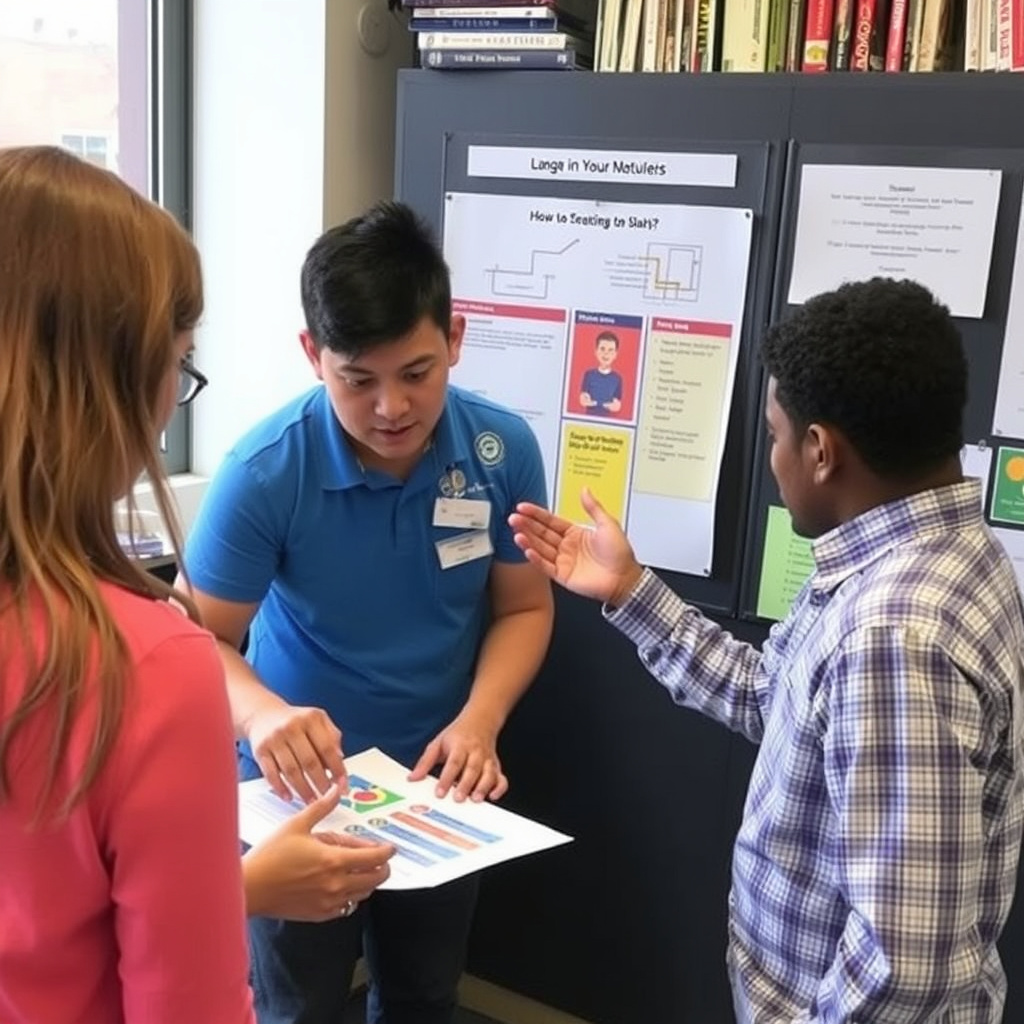
Recognizing Individual Learning Preferences
Tutoring sessions tailor teaching methods to suit visual, auditory, kinesthetic, or reading/writing learners. This individualized method makes concepts more accessible by matching instruction to how the student learns best.
Adapting to learning preferences helps maintain engagement and improves retention of information.
- Use of varied teaching techniques
- Personalized learning materials
- Flexible session formats
For more on this, see our related guide: How to Find Effective One on One Tutoring in Doral FL.
Supporting Students with Special Educational Needs
Tutors trained in special education can accommodate challenges such as dyslexia, ADHD, or processing disorders by customizing lessons and pacing. This specialized support helps students overcome obstacles and gain confidence.
Such adaptability emphasizes the advantage of tutoring over generalized classroom instruction for these learners.
- Individualized education plans
- Patience and empathy from tutors
- Specialized strategies and resources
Long-Term Academic and Personal Benefits

Lifelong Learning Skills
The skills gained from tutoring extend beyond just improving grades; they encourage a mindset geared toward continuous learning. Students learn how to approach challenges methodically and embrace knowledge growth throughout life.
This lasting impact makes tutoring an investment not only in school success but in overall intellectual development.
For more detailed information about tutoring and its impact, refer to tutoring benefits on Wikipedia. tutoring benefits on Wikipedia.
Improved Social and Communication Abilities
Tutoring also fosters communication skills through regular interaction with educators. Students learn to articulate questions, listen actively, and engage in discussions, which benefits both academic and social settings.
Improved communication boosts self-expression and teamwork capabilities essential for higher education and careers.
Tutoring Category Comparison
Here’s a comparison of popular tutoring categories to help identify which approach best suits different student needs.
| Category | Format | Ideal For | Cost Range | Flexibility |
|---|---|---|---|---|
| In-person Tutoring | Face-to-face sessions | Hands-on learners, immediate feedback | $30–$80 per hour | Moderate, scheduled sessions |
| Online Tutoring | Video calls or chat | Tech-savvy students, flexible location | $20–$60 per hour | High, can schedule anytime |
| Group Tutoring | Small groups | Collaborative learners, budget-conscious | $10–$40 per hour | Moderate, fixed times |
| Specialized Subject Tutoring | Focused expertise | Advanced subjects and exam prep | $40–$100 per hour | Variable, subject dependent |
| Homework Help | On-demand assistance | Students needing quick support | $15–$50 per hour | High, often drop-in |
Frequently Asked Questions
How often should a student get tutoring to see benefits?
Typically, tutoring once or twice a week provides consistent support without overwhelming the student, allowing time to absorb material and practice independently between sessions.
Can tutoring help students with learning disabilities?
Yes, tutoring tailored to learning disabilities can provide personalized strategies that address specific challenges, improving understanding and academic performance.
Is online tutoring as effective as in-person tutoring?
Online tutoring can be equally effective if it uses interactive tools and ensures clear communication, especially for students comfortable with digital platforms.
What subjects benefit the most from tutoring?
Subjects like math, science, and languages often benefit greatly because they build on prior knowledge and require practice that tutoring can support.
How do I find a qualified tutor?
Look for tutors with relevant subject expertise, experience, and positive reviews. Certification or tutoring agency affiliations can help verify qualifications.
Key Takeaways
- Tutoring offers personalized academic support tailored to student needs.
- It improves grades, confidence, and fosters better study habits.
- Adaptable teaching methods suit a variety of learning styles and challenges.
- Tutoring builds skills that benefit long-term educational success.
Conclusion
Choosing tutoring as part of a student's education is a decision centered on personalized learning and targeted support. By focusing on individual strengths and challenges, tutoring can transform difficult subjects into mastered skills. The benefits extend beyond immediate academic outcomes to developing lifelong learning capabilities and self-confidence. Evaluating each student’s unique needs against tutoring options is essential for making the most effective decision.
For students needing help catching up or excelling further, personalized in-person or online tutoring offers flexible options. Specialized subject tutoring suits those preparing for exams or advanced courses, while homework help assists with day-to-day assignments. Those on budgets might consider group tutoring, which encourages peer collaboration. Selecting the right tutoring depends on the student’s learning style, goals, and schedule.
Starting with a trial session or consultation can clarify if tutoring meets specific needs. Combining tutoring with consistent independent study and communication with teachers creates a powerful support system. Ultimately, tutoring is a valuable tool that, when matched thoughtfully to the learner, unlocks academic potential, builds confidence, and nurtures a positive attitude toward education.