How to Overcome Test Anxiety: Practical Strategies for Success
Overcoming test anxiety requires both mindset adjustments and practical strategies you can apply before and during the exam. Acknowledging anxiety as a common experience and preparing mentally and physically can reduce panic, improve focus, and help you perform closer to your true potential.
Test anxiety affects many individuals by disrupting concentration and causing emotional distress right when performance matters most. Understanding why anxiety happens and learning specific techniques to calm your mind and body can transform your exam experience. This matters because controlling anxiety prevents it from derailing your preparation and confidence.
In the following sections, we will cover how to prepare effectively, calming techniques to use during tests, lifestyle habits that support a relaxed mindset, and how to develop a positive approach to assessments. Each section provides detailed, actionable advice for overcoming test anxiety.
Understanding Test Anxiety and Its Effects
What Causes Test Anxiety?
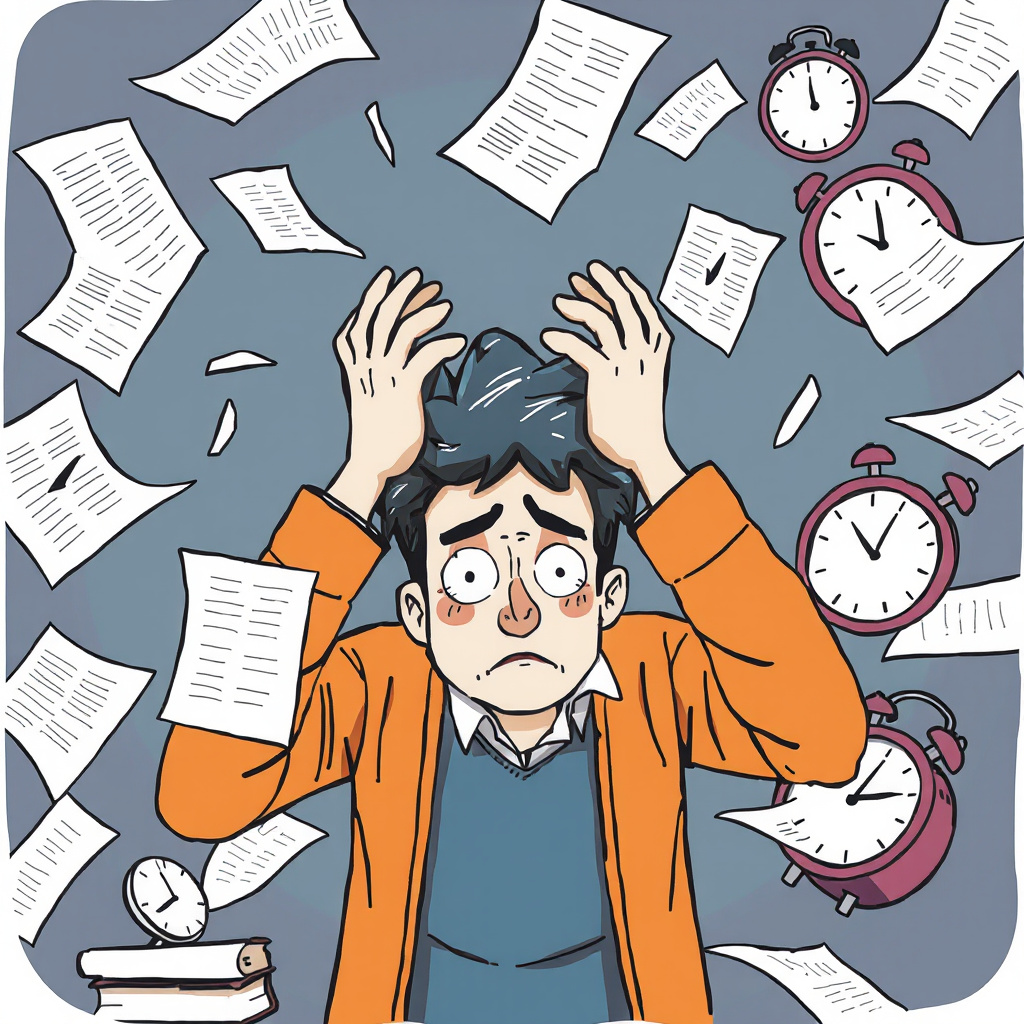
Test anxiety stems from a fear of failing or underperforming, triggered by pressure to succeed or past negative experiences. Physiologically, it activates the body's fight-or-flight response, causing symptoms like sweating, rapid heartbeat, and mental blankness.
Recognizing these triggers and how your body reacts is the first step toward addressing anxiety. When you realize anxiety is a natural stress response, it becomes easier to manage rather than fear it.
How Anxiety Impacts Exam Performance
Anxiety can impair memory recall, reduce concentration, and increase errors. Under stress, the brain struggles to access information effectively, making it harder to complete test questions even if you know the material.
Awareness of these effects highlights the importance of calming techniques and preparation strategies to counteract anxiety’s impact, enabling clearer thinking during tests.
Preparation Techniques to Reduce Test Anxiety
Structured Study Plans
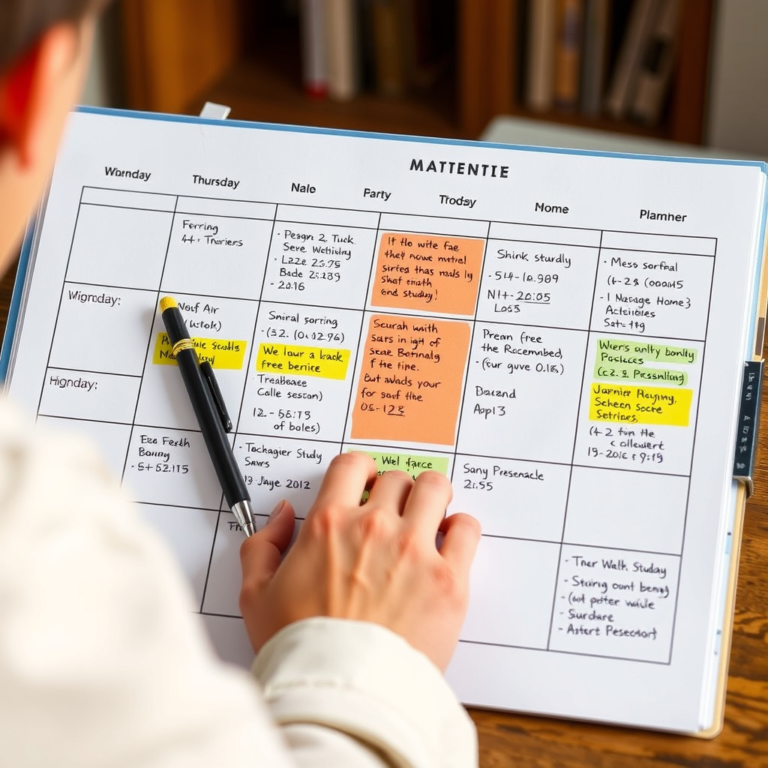
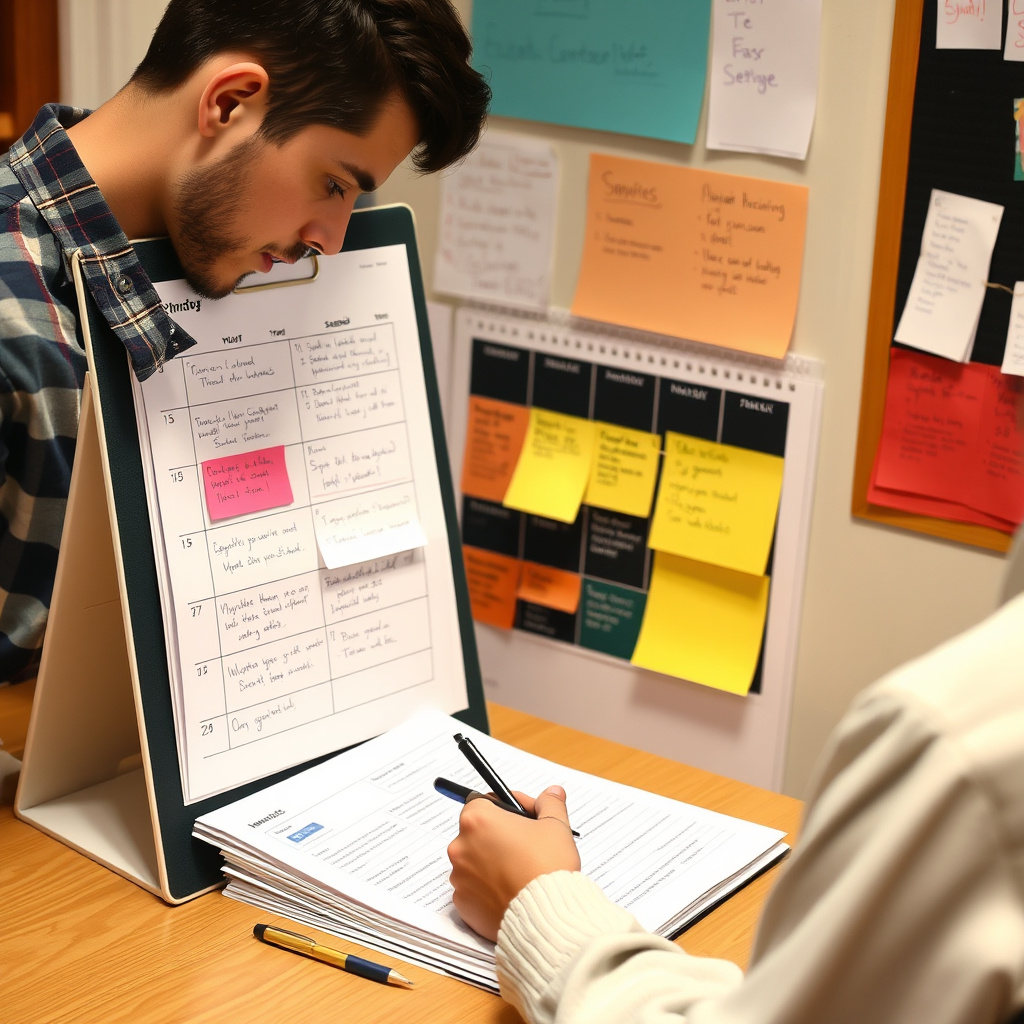
Creating a study schedule breaks down material into manageable sections, reducing overwhelm. This approach builds confidence as you see progress and know you have covered necessary topics systematically.
Effective study plans balance review sessions, practice tests, and breaks, allowing your brain to absorb information without burnout.
- Break study material into topics
- Include short, frequent review sessions
- Schedule practice tests under timed conditions
Active Learning Methods
Active learning such as self-quizzing, summarizing concepts aloud, or teaching others enhances retention better than passive reading. These techniques engage your brain more fully and prepare you for recalling information during the test.
Incorporating these methods helps reduce anxiety by replacing uncertainty with mastery of the content.
- Use flashcards for key terms
- Practice explaining difficult concepts
- Test yourself with past exam questions
Calming Techniques to Use During Tests

Breathing and Mindfulness Exercises
Controlled breathing — slow, deep inhales and exhales — activates your parasympathetic nervous system, reducing physical anxiety symptoms. Mindfulness involves focusing attention on the present moment, which prevents spiraling thoughts about failure.
In practice, a few deep breaths before and during the exam can reset your focus and calm your nerves, helping maintain clarity.
- Inhale deeply for 4 seconds
- Hold breath for 4 seconds
- Exhale slowly for 6 seconds
Positive Self-Talk and Visualization
Replacing negative thoughts ('I’m going to fail') with affirmations ('I prepared well and can handle this') enhances self-confidence. Visualization of success — imagining walking out feeling proud — reinforces a calm mindset.
These mental strategies interrupt anxiety loops and encourage a more hopeful, controlled emotional state.
- Repeat positive phrases silently
- Visualize completing the exam calmly
- Imagine receiving good results
Lifestyle Habits Supporting Anxiety Management

Physical Exercise and Nutrition
Regular exercise reduces stress hormones and improves mood, helping to manage anxiety overall. Similarly, balanced nutrition stabilizes blood sugar, which can impact energy and focus during study and test days.
Avoiding caffeine or excessive sugar before exams can also reduce jitteriness, complementing calming efforts.
- Aim for 30 minutes of moderate exercise daily
- Eat balanced meals with protein, fiber, and healthy fats
- Limit caffeine intake on test days
Adequate Sleep and Rest
Sleep improves memory consolidation and cognitive function—both crucial for exams. Lack of rest can worsen anxiety and impair concentration.
Establishing a consistent sleep schedule and winding down before bed with relaxing activities supports mental readiness and reduces stress.
- Get 7–9 hours of sleep nightly
- Avoid screens an hour before bedtime
- Use relaxation techniques like reading or gentle stretches
Building a Positive Mindset Around Exams

Reframing Failure and Success
Viewing exams as opportunities to learn rather than pass/fail judgments reduces pressure. Accepting that one test doesn’t define your worth or ability encourages healthier emotional responses.
This mindset shift helps lower anxiety by reducing fear of mistakes, making it easier to focus on effort and progress.
The American Psychological Association provides detailed guidance on managing test anxiety. test anxiety information from APA.
Setting Realistic Expectations
Setting achievable goals tailored to your ability and preparation keeps stress manageable. Unrealistic expectations heighten anxiety and can lead to discouragement if unmet.
Instead, focus on personal improvement and celebrating small milestones rather than comparing yourself to others.
Common Strategies to Overcome Test Anxiety Compared
Here’s a comparison of popular anxiety reduction methods, highlighting their benefits and best-use scenarios.
| Strategy | Benefits | When to Use | Effort Required |
|---|---|---|---|
| Breathing Exercises | Instant calming, easy to perform | During tests or moments of panic | Low |
| Structured Study Plans | Builds confidence over time | Weeks before exam | Moderate |
| Physical Exercise | Improves overall stress resilience | Daily routine prior to exam | Moderate |
| Positive Visualization | Boosts self-confidence | Before and during exam | Low |
| Mindfulness Meditation | Reduces chronic anxiety levels | Daily, weeks before test | High |
Frequently Asked Questions
Can test anxiety be completely eliminated?
Test anxiety may not disappear entirely, but it can be managed effectively using coping techniques that reduce its intensity, helping you perform under pressure more comfortably.
How soon before the exam should I start preparing to reduce anxiety?
Start your preparation several weeks in advance to build knowledge and confidence gradually, which helps lower anxiety closer to test day.
Are medications recommended to overcome test anxiety?
Medications are sometimes prescribed for severe anxiety but should only be used under professional guidance, combined with behavioral strategies.
Is it better to study alone or with a group to reduce anxiety?
Both can be effective; study groups offer peer support and discussion, while individual study allows focused review. Mix approaches based on your comfort.
How does nutrition affect test anxiety?
Balanced nutrition stabilizes energy and mood, while excessive caffeine or sugar before tests can worsen anxiety symptoms and hinder focus.
Key Takeaways
- Test anxiety results from fear and physiological stress responses.
- Preparation and structured study reduce anxiety by building confidence.
- Calming techniques like breathing and positive self-talk help during exams.
- Healthy lifestyle habits support overall anxiety management.
Conclusion
Approaching how to overcome test anxiety requires a combination of practical preparation, mental exercises, and lifestyle adjustments. Recognizing anxiety as a natural response rather than a barrier helps you address its causes directly. Developing a calm mindset and routines improves exam performance by letting your knowledge shine instead of fear.
If anxiety consistently challenges your ability to take tests, starting with structured study plans combined with daily mindfulness or breathing exercises can be highly effective. Additionally, integrating regular physical activity and sufficient sleep supports your resilience. For immediate anxiety relief during exams, quick calming techniques and positive visualization maintain focus and composure.
Begin by assessing which strategies feel most manageable for you and gradually incorporate them into your routine. Practice breathing and positive self-talk during mock tests to gain familiarity. Over time, these habits reduce anxiety’s grip and create a more confident test-taking experience.