How to Improve Language Skills Effectively and Naturally
Improving language skills starts with active engagement in listening, speaking, reading, and writing. To advance effectively, prioritize consistent practice tailored to your current level and goals. Immersing yourself regularly in the language helps develop fluency and comprehension over time.
Many learners underestimate how immersion and meaningful interaction speed up language acquisition. Whether you're learning for work, travel, or personal growth, strong language skills open doors to communication and cultural understanding. Improvement is a gradual process that builds steadily with deliberate effort.
This article outlines clear methods to enhance your language abilities. From practical exercises and technology tools to social approaches and habit-building, you will find actionable advice to strengthen every aspect of your language proficiency.
Building Core Language Skills Through Practice

Enhancing Vocabulary with Daily Exposure
Expanding your vocabulary is fundamental to improving language skills. Surround yourself with words by reading books, articles, and subtitles at an appropriate difficulty level. Use spaced repetition tools or flashcards to remember new terms effectively.
Incorporating new vocabulary into daily conversations or writing tasks helps cement memory. Aim to learn thematic word groups relevant to your interests or profession for more practical recall.
- Read short news stories daily
- Use flashcard apps like Anki or Memrise
- Keep a vocabulary journal
- Practice new words in sentences
Developing Listening and Speaking Abilities
Listening to native speakers in podcasts, songs, or movies sharpens your ear for pronunciation and common expressions. Shadowing techniques—repeating what you hear immediately—improve articulation and intonation.
Engaging in conversations, even simple ones, boosts confidence and reinforces grammar naturally. Language exchange platforms or speaking clubs offer opportunities for realistic dialogue practice.
- Watch movies with subtitles
- Participate in language meetups
- Record and listen to your speech
- Use apps for speaking practice
Using Technology Tools to Accelerate Learning
Leveraging Language Learning Apps
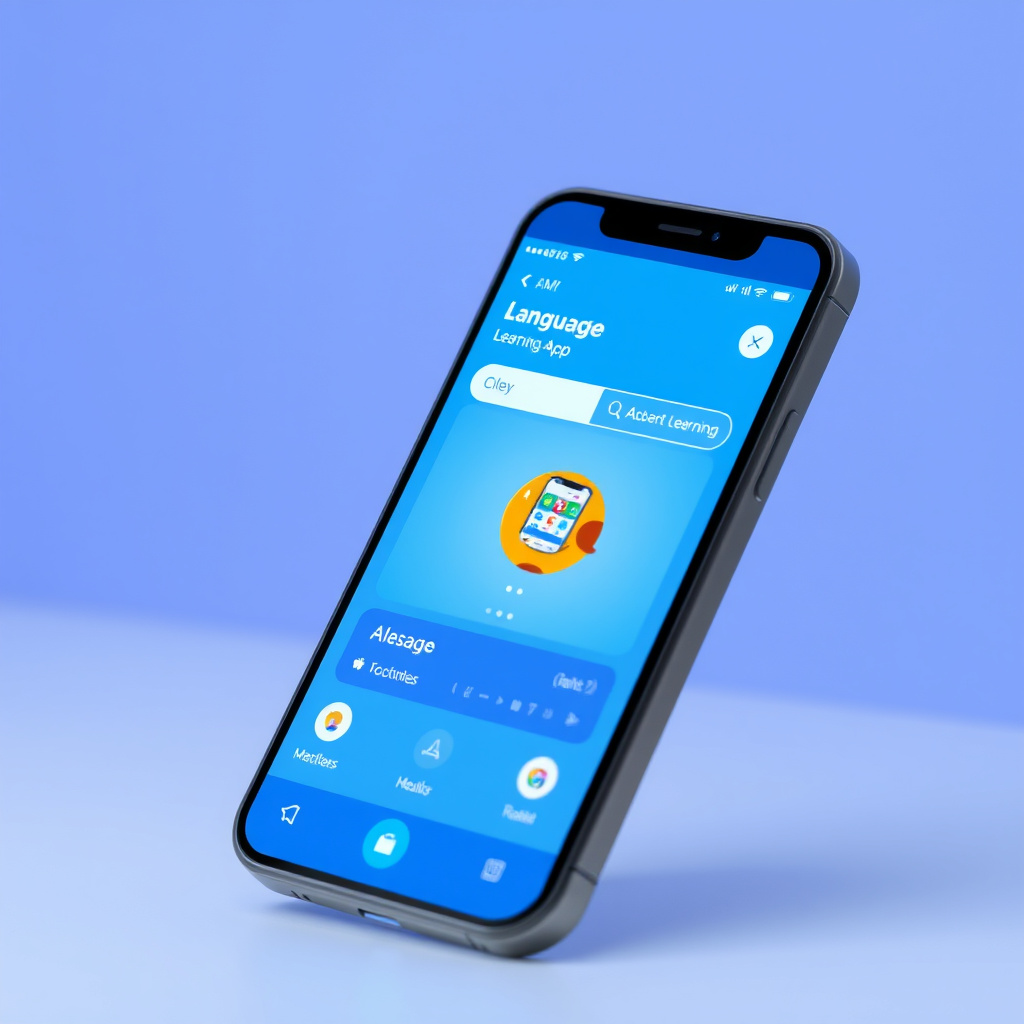
Apps like Duolingo, Babbel, or Rosetta Stone provide structured lessons that adjust to your progress. These platforms balance vocabulary, grammar, listening, and speaking practice with gamified elements to keep motivation high.
Using varied apps prevents monotony. Some focus more on grammar drills, others on conversational skills, allowing learners to pick tools matching their priorities.
- Set daily goals within apps
- Use apps with native speaker audio
- Review progress regularly
- Try multiple apps for different skills
Taking Advantage of Online Resources
Websites offering free tutorials, video lessons, and interactive exercises complement app use. Platforms like YouTube host countless language teachers and authentic content tailored to all proficiency levels.
Reading blogs, forums, and language learning communities provides exposure to idiomatic expressions and cultural nuances not found in textbooks.
- Subscribe to language channels
- Join online language forums
- Access free grammar guides
- Explore news websites in the target language
Immersive Experiences and Cultural Interaction

Travel and Homestays for Language Immersion
Spending time in a country where the language is spoken creates a natural environment to practice daily. Homestays encourage living with native speakers, providing conversational practice throughout day-to-day activities.
Even short immersive trips or virtual exchanges simulate real-life interactions that textbooks cannot replicate, accelerating fluency and cultural understanding.
- Attend cultural events abroad
- Participate in language immersion programs
- Stay with local hosts
- Use language in practical situations
For more on this, see our related guide: How to Choose a Reading Comprehension Tutor That Boosts Your Skills.
Engaging with Native Speakers Locally
If travel isn't feasible, seek out language exchange partners or clubs in your area. Conversing regularly with natives exposes you to authentic speech patterns and slang.
Consistent in-person or virtual meetups help build a support network that encourages practice and correction in a social context.
- Join language cafes or tandems
- Attend cultural meetups
- Use social media to connect
- Practice with volunteers or tutors
Improving Writing and Reading Comprehension

Regular Writing Practice for Fluency
Writing essays, journal entries, or social media posts trains you to organize thoughts in the target language. This process highlights areas needing grammar or vocabulary improvement.
Feedback from teachers or language communities refines accuracy and style, helping avoid fossilized mistakes.
- Start a daily journal
- Post on language forums
- Request corrections from native speakers
- Experiment with creative writing
Reading Varied Texts for Contextual Understanding
Reading stories, newspapers, or blogs introduces grammar in context and exposes idiomatic usage. Select material slightly above your current level to challenge comprehension without overwhelming.
Annotating texts with notes and looking up unfamiliar words builds active vocabulary and sharpens interpretative skills.
- Read aloud to improve pronunciation
- Summarize articles in your own words
- Highlight and learn new expressions
- Use graded readers for gradual difficulty
Setting Goals and Monitoring Progress
Establishing Realistic Language Goals
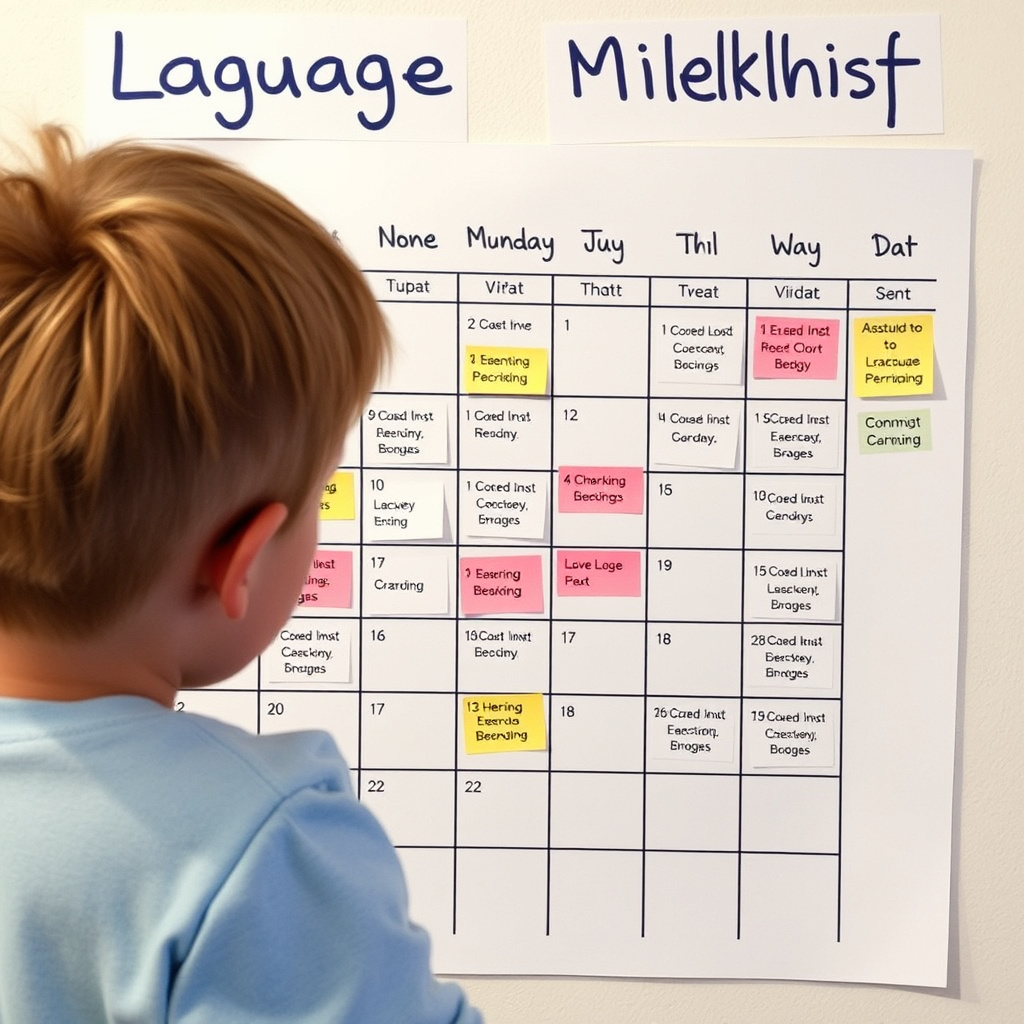
Clear goals provide direction and motivation. Break long-term aims into achievable milestones such as mastering basic conversations or finishing a textbook chapter.
Align goals with personal interests or professional needs to maintain consistent effort over months.
- Set SMART goals (Specific, Measurable, Achievable, Relevant, Time-bound)
- Focus on one skill at a time
- Celebrate small victories
- Adjust goals as needed
For more on this, see our related guide: How to Choose the Best Test Preparation Tutor in Doral FL for Effective Results.
Tracking Progress and Reflecting on Learning
Monitoring improvement helps identify strengths and weaknesses. Use language tests, recordings, or progress journals to objectively evaluate skills.
Reflecting on what learning methods work best guides future study plans and maximizes efficiency.
- Take standardized language tests
- Keep a learning diary
- Record speaking samples periodically
- Review errors and corrections
Incorporating Language Skills into Daily Life
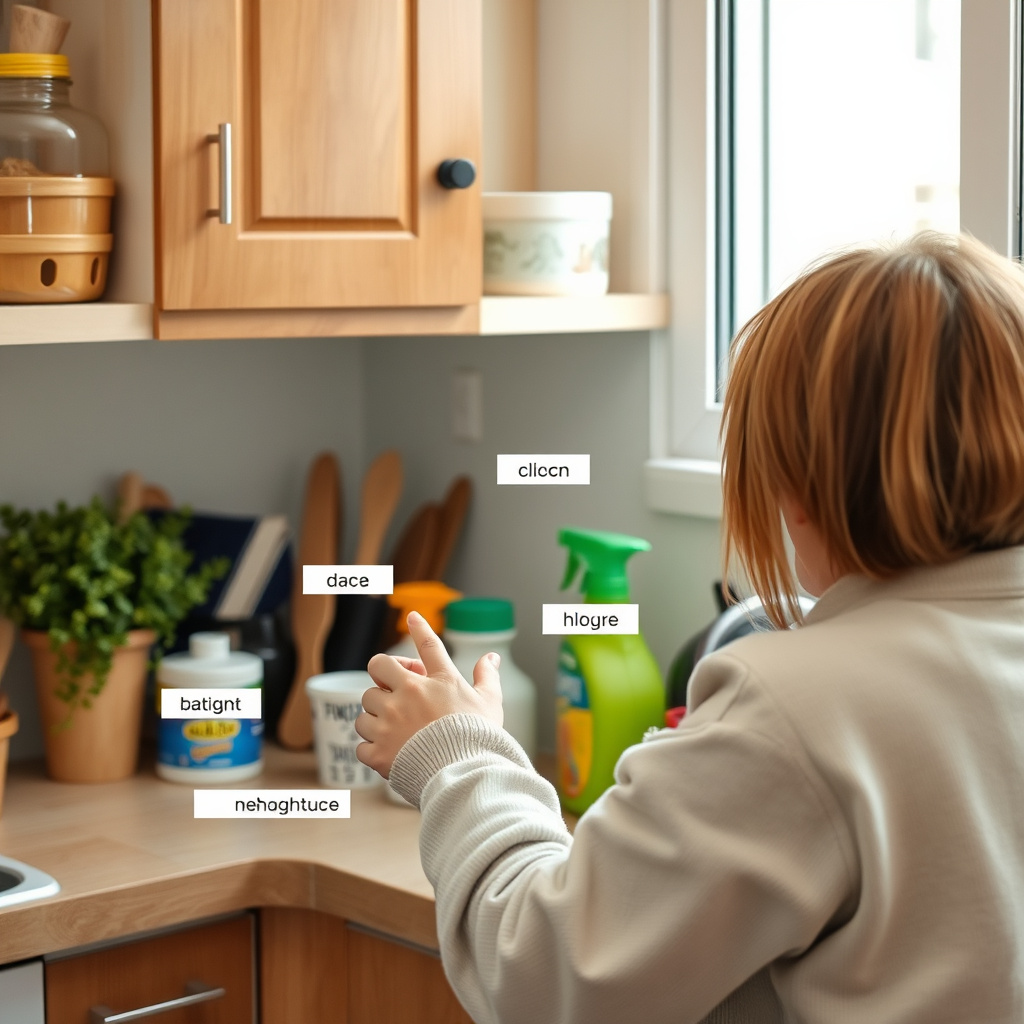
Using Language in Routine Activities
Integrating the target language into everyday tasks deepens familiarity. Label household items, think in the language during errands, or narrate actions aloud.
This habitual use builds passive knowledge into active skills without extra study time.
- Label common objects with sticky notes
- Describe daily tasks internally
- Practice shopping or cooking vocabulary
- Use language for simple self-talk
For additional insights and scientific background on language acquisition, explore this detailed Wikipedia article about language learning. language learning.
Engaging with Media and Entertainment
Listening to music, watching shows, or reading comics in the target language offers relaxing yet meaningful exposure. Choose content that interests you to stay motivated while absorbing new language naturally.
Subtitles and transcripts can help bridge initial comprehension gaps.
- Watch favorite movies with subtitles
- Listen to podcasts or radio shows
- Read comics or graphic novels
- Follow social media in the target language
Comparison of Language Learning Methods
Here's a table comparing popular language learning methods based on key factors to help you choose the best fit for your needs.
| Method | Skill Focus | Cost | Flexibility | Effectiveness |
|---|---|---|---|---|
| Language Apps | Vocabulary, Listening | Free to low | High | Moderate |
| Immersion Travel | All skills | High | Medium | High |
| Language Classes | Grammar, Speaking | Medium to high | Scheduled | High |
| Self-Study with Books | Reading, Writing | Low | High | Moderate |
| Language Exchange | Speaking, Listening | Free | Flexible | High |
Frequently Asked Questions
How long does it take to improve language skills?
Improvement speed varies by practice time, learning methods, and personal aptitude. With regular practice, noticeable progress can occur within months, but mastering fluency typically requires years.
Is it better to focus on speaking or grammar?
Balancing both is ideal, but beginners should prioritize speaking to build confidence, gradually incorporating grammar rules to improve accuracy.
Can watching movies help with language learning?
Yes, movies expose learners to natural dialogue and cultural context. Watching with subtitles enhances understanding and vocabulary retention.
How can I stay motivated while learning a language?
Set achievable goals, track progress, engage with content you enjoy, and connect with communities to maintain interest and commitment.
Are language apps enough to become fluent?
Apps are useful for foundational skills and practice but should be combined with speaking and immersion experiences for full fluency.
Key Takeaways
- Consistent practice across reading, writing, listening, and speaking is essential.
- Immersive experiences speed up language acquisition.
- Technology tools complement traditional learning methods.
- Setting clear goals and tracking progress keeps you on track.
Conclusion
Choosing how to improve language skills effectively involves balancing different learning methods according to your lifestyle, preferences, and language goals. Active practice in listening, speaking, reading, and writing builds proficiency steadily, while exposure to native use helps internalize patterns and vocabulary. It’s important to remain patient and adapt your approach as you learn more about what works best for you. Reflect on your progress, seek feedback, and maintain motivation to keep advancing consistently.
For many learners, combining language apps and structured classes provides a solid foundation, especially early on. Supplementing this foundation with immersive experiences such as language exchange or travel greatly enhances practical skills and cultural familiarity. Incorporating media consumption, such as films or podcasts in your target language, enriches your vocabulary and listening comprehension. Tailor your mix of methods to fit your goals, whether conversational fluency or professional mastery.
Ultimately, the best next step is to commit to daily practice embedding the language into your routine. Start by setting achievable goals and selecting learning tools that engage you. Engage with native speakers locally or online to build real-world confidence, and diversify your input through reading, media, and writing exercises. Over time, this consistent, well-rounded strategy will lead to noticeable improvement in your language skills.