How to Improve Comprehension Skills: Effective Strategies for Better Understanding
Improving comprehension skills means boosting your ability to understand and retain information from texts or spoken content. The key is to engage actively with material by focusing attention, decoding meaning, and reflecting on what you learn. Simple, consistent practice can quickly enhance comprehension.
Better comprehension matters because it affects your performance in education, work, and daily communication. When you grasp ideas clearly and make connections, your learning becomes more efficient and enjoyable, allowing you to apply knowledge effectively.
This article outlines practical approaches on how to improve comprehension skills, covering strategies for reading and listening, common obstacles, and tips for building vocabulary and critical thinking—all designed to help you gain deeper understanding in various contexts.
Understanding the Basics of Comprehension

What Is Comprehension?
Comprehension involves decoding words and sentences and also integrating them to form coherent ideas. It’s not just about recognizing words but grasping the meaning behind them and the connections the author or speaker wants to convey.
In reading and listening, comprehension requires attention, memory, and reasoning. It can be affected by vocabulary knowledge, background experiences, and cognitive skills that help interpret information and make inferences.
Factors That Affect Comprehension
Several factors influence comprehension levels: familiarity with the topic, reading speed, focus, and motivation all play roles. Lack of background knowledge or difficult vocabulary can limit understanding.
Distractions or multitasking while processing information also degrade comprehension. Knowing these influences helps you address specific challenges that may hinder your grasp of material.
Active Reading Techniques to Boost Comprehension Skills

Previewing and Questioning the Text
Before reading fully, skim headings, subheadings, and summaries to get an overview. Predict what the text might be about and ask questions you want the text to answer, which guides purposeful reading.
This active engagement primes your brain, improving focus and retention as you search for answers and connect ideas throughout the material.
- Scan titles and keywords
- Make predictions
- Generate questions
Annotating and Summarizing
Highlight important points or unfamiliar terms and write brief notes in margins or a notebook. Summarizing sections in your own words reinforces understanding and retention.
This method trains your brain to identify core ideas and improves your ability to organize information logically.
- Underline key concepts
- Write margin notes
- Create brief summaries
Listening Strategies to Enhance Comprehension Skills

Focused Listening and Note-Taking
Concentrate fully without distractions when listening. Taking notes captures essential points and helps clarify understanding through summarizing and reviewing later.
Effective note-taking can include bullet points, mind maps, or shorthand that supports your recall of the key messages.
- Eliminate background noise
- Use active note-taking
- Ask clarifying questions if possible
For more on this, see our related guide: How to Choose a Reading Comprehension Tutor That Boosts Your Skills.
Using Context to Interpret Meaning
Pay attention to tone, emphasis, and pauses that indicate importance or relationships between ideas. Background knowledge also helps in filling meaning gaps and inferring unstated information.
Developing this skill allows better comprehension even when some words or details are unclear.
Building Vocabulary to Support Comprehension
Learning New Words Actively
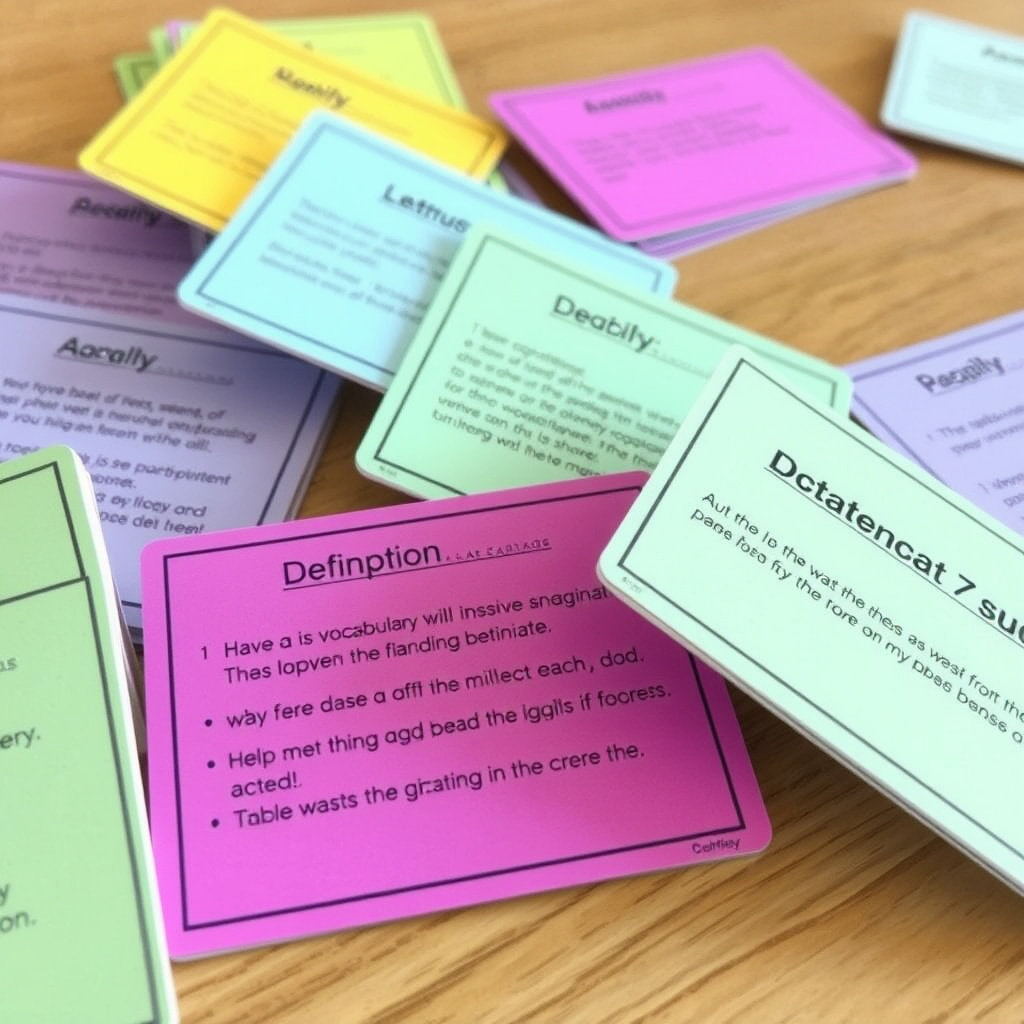
Encounter new words regularly and engage by looking up definitions, spelling them out, and using them in sentences. Repetition and varied exposure aid long-term retention.
Keeping a personal vocabulary journal or using apps can systematically build your word knowledge over time.
- Use flashcards
- Write example sentences
- Review words regularly
Understanding Word Roots and Context
Recognizing common prefixes, suffixes, and roots helps you decode unfamiliar words and predict meaning. Context clues from surrounding text also enable guessing words’ meanings more accurately.
This skill reduces reliance on constant dictionary use, speeding up comprehension and reading fluency.
Critical Thinking and Questioning to Deepen Comprehension

Evaluating Author’s Purpose and Bias
Consider why the author wrote the text and what perspective they represent. Detecting bias or intention sharpens interpretation and helps differentiate fact from opinion.
Asking these questions engages analytical skills that lead to deeper understanding beyond surface meaning.
For more on this, see our related guide: How to Choose a Tutor for Struggling Students: A Practical Guide.
Making Inferences and Connections
Use clues from the text combined with your own knowledge to draw conclusions that are not explicitly stated. Relate new information to prior experiences or other materials for stronger comprehension.
This practice promotes active engagement and aids long-term memory.
Overcoming Common Barriers to Comprehension

Dealing With Difficult Vocabulary and Technical Jargon
Complex words can disrupt flow and understanding. Techniques such as breaking down words, consulting glossaries, or asking for explanations help reduce confusion.
Repeated exposure to difficult language in different contexts gradually builds familiarity and ease.
- Break words into parts
- Use specialized dictionaries
- Seek clarification
For additional detailed background on the topic, you can visit the Wikipedia article on reading comprehension. reading comprehension.
Managing Distractions and Maintaining Focus
Comprehension drops when attention drifts. Create a quiet environment, use short focused sessions, and set clear goals for each reading or listening activity to improve concentration.
Taking brief breaks and practicing mindfulness can also refresh mental energy for better comprehension.
Comparison of Comprehension Improvement Techniques
Here’s a quick comparison of popular methods to improve comprehension skills, highlighting benefits and suitable uses.
| Technique | Best For | Primary Focus | Skill Development |
|---|---|---|---|
| Active Reading | Students and professionals | Text engagement | Vocabulary & critical thinking |
| Focused Listening | Auditory learners | Oral information processing | Attention & note-taking |
| Vocabulary Building | All learners | Word knowledge | Decoding & retention |
| Critical Questioning | Advanced learners | Analytical comprehension | Inference & evaluation |
| Annotation & Summarizing | Readers of complex material | Information organization | Retention & synthesis |
Frequently Asked Questions
How long does it take to improve comprehension skills?
Improvement depends on initial ability and practice frequency but consistent effort over several weeks can produce noticeable progress.
Can comprehension skills improve without reading more?
Yes, practicing active listening and critical thinking also strengthen comprehension, especially for auditory information.
What if I struggle with vocabulary while trying to understand a text?
Use context clues or break down words into roots and affixes; also, maintain a vocabulary list for review to overcome this challenge gradually.
Are comprehension skills important only for academic work?
No, good comprehension is essential in everyday decision-making, workplace communication, and understanding news or instructions.
How does summarizing improve comprehension?
Summarizing forces you to identify main ideas and rephrase them, reinforcing understanding and memory.
Key Takeaways
- Active engagement with material boosts comprehension quickly.
- Building vocabulary supports decoding and understanding complex ideas.
- Critical thinking helps interpret and evaluate information deeply.
- Managing distractions and focused practice improve retention.
Conclusion
Enhancing comprehension skills involves targeted strategies that integrate active reading, listening techniques, vocabulary growth, and critical thinking. Understanding how these elements interact can help you approach learning materials more effectively, resulting in clearer understanding and longer retention. The process is gradual but meaningful when practiced consistently.
For most learners, combining active reading methods such as previewing, annotating, and summarizing with regular vocabulary exercises yields strong improvements. Auditory learners benefit from focused listening and note-taking to better process spoken information. Those facing complex texts gain from critical questioning and inference skills that deepen interpretation. Identifying which approach suits your learning style will provide clearer progress.
The practical next step is to select one or two strategies from this guide and apply them consciously during your daily reading or listening tasks. Keeping a journal of your experiences and new vocabulary can make progress trackable and motivating. Over time, as your comprehension skills grow, you’ll find learning less daunting and more rewarding.